
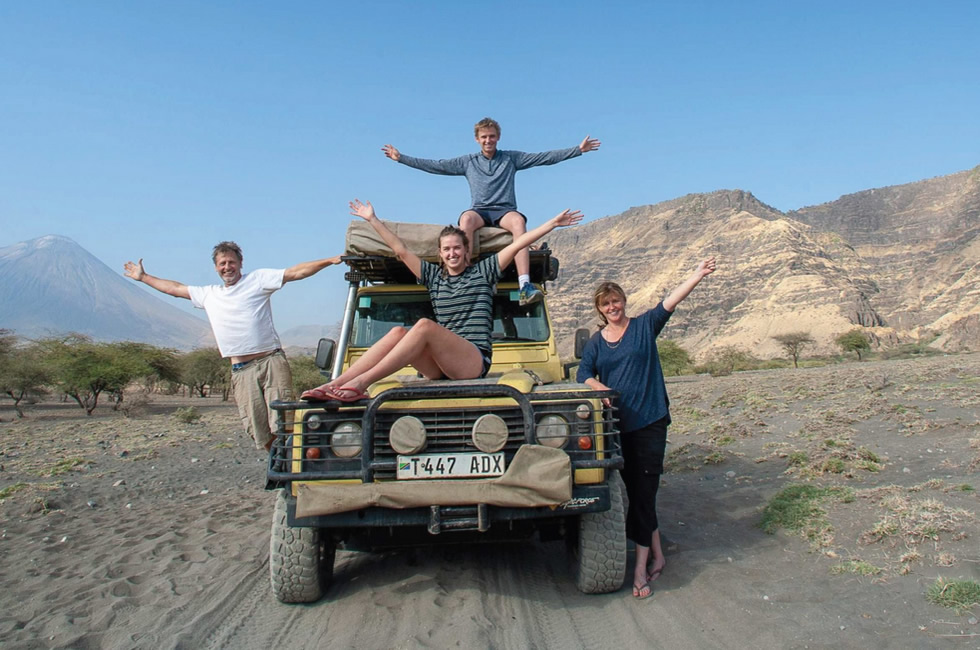
Tanzania Self-Drive Safari: A Detailed Budget Breakdown (Website-Ready Guide)
Planning a self-drive safari in Tanzania is one of the most rewarding and flexible ways to explore East Africa. From the endless plains of the Serengeti to the dramatic Ngorongoro Crater and elephant-rich Tarangire, a self-drive trip gives you freedom, adventure, and cost control.
But how much does it actually cost?
This detailed guide breaks down every major expense so you can plan your Tanzania self-drive safari with confidence.
Why Choose a Self-Drive Safari in Tanzania?
A self-drive safari offers:
-
Freedom to explore at your own pace
-
Flexible itineraries
-
Lower overall costs compared to guided safaris
-
Private, personalized experiences
-
The option to camp and reduce accommodation costs
It’s perfect for adventurous travelers who want control over their journey and budget.
1. Vehicle Rental Costs
A reliable 4×4 vehicle is essential for Tanzania’s national parks, especially during rainy seasons when roads can become rough and muddy.
Average Daily Rental Rates
| Vehicle Type | Estimated Cost Per Day |
|---|---|
| Toyota RAV4 (Budget 4×4) | $60 – $100 |
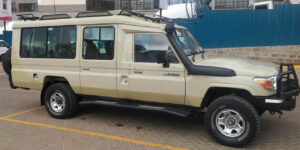
| Land Cruiser (Standard Safari) | $120 – $180 |
| Land Cruiser with Rooftop Tent | $170 – $260 |
What’s Usually Included?
-
Comprehensive insurance (confirm coverage details)
-
Spare tires
-
Basic recovery equipment
-
Camping gear (if booked with rooftop tent)
-
24/7 roadside assistance (with reputable companies)
Money-Saving Tip:
Longer rentals (7+ days) often qualify for discounted daily rates.
2. Fuel Costs
Fuel is a significant but manageable expense.
Estimated Driving Distance (Northern Circuit)
-
7–10 days: 800–1,200 km
-
Includes Serengeti, Ngorongoro, Tarangire, and Lake Manyara
Fuel Consumption
-
Average 4×4: 8–12 liters per 100 km
-
Diesel price estimate: $1.00 – $1.40 per liter
Estimated Fuel Budget
-
7 days: $200 – $300
-
10 days: $250 – $450
Your actual cost depends on route planning and driving style.
3. National Park Entry Fees
Park fees are set by TANAPA and the Ngorongoro Conservation Area Authority. Fees vary by nationality and season.
Approximate Entry Fees (Per Adult, Per Day – Non-Residents)
| Park | Entry Fee |
|---|---|
| Serengeti National Park | $70 – $80 |
| Ngorongoro Conservation Area | $70 – $80 |
| Tarangire National Park | $50 – $65 |
| Lake Manyara National Park | $50 – $65 |
Additional Costs to Consider
-
Ngorongoro Crater service fee (if descending)
-
Vehicle entry fees
-
Concession or camping fees (if staying inside parks)
Budget Strategy:
Spend more nights in parks with lower entry fees and limit days in higher-fee areas like Serengeti.
4. Accommodation Costs
Your accommodation choice dramatically affects your overall budget.
A. Camping (Most Affordable Option)
-
Public campsites: $15 – $30 per night
-
Special campsites: $30 – $60 per night
Best for:
-
Budget travelers
-
Rooftop tent users
-
Adventure seekers
B. Budget Lodges & Guesthouses
-
$40 – $100 per night
-
Common in Arusha, Karatu, and Mto wa Mbu
C. Mid-Range Lodges
-
$100 – $200+ per night
-
Often include breakfast
-
Comfortable but not luxury
Cost-Saving Tip:
Camping inside or near parks significantly reduces expenses compared to lodge stays.
5. Food & Daily Expenses
Self-drive safaris allow you to manage food costs easily.
Grocery Budget
-
$10 – $20 per person per day
-
Ideal for self-catering
Eating Out
-
Local restaurants: $5 – $15 per meal
-
Lodge meals: $15 – $30 per meal
Estimated 10-Day Food Budget
-
$150 – $350 per person
Shopping in Arusha before entering parks helps reduce costs.
6. Additional Expenses
| Item | Estimated Cost |
|---|---|
| Camping reservations | $5 – $30 |
| Travel insurance | $50 – $150 |
| SIM card & data | $10 – $30 |
| Airport transfers | $30 – $80 |
| Contingency fund | $100 – $300 |
Always keep a buffer for unexpected fuel use, repairs, or itinerary changes.
Sample Budget Scenarios
Budget Self-Drive (10 Days, Camping)
-
Vehicle rental: $1,000
-
Fuel: $350
-
Park fees: $600
-
Campsites: $300
-
Food: $200
-
Miscellaneous: $200
Estimated Total: $2,650
Cost per person (2 travelers): ~$1,325
Mid-Range Self-Drive (10 Days, Lodges)
-
Vehicle rental: $1,800
-
Fuel: $350
-
Park fees: $700
-
Lodges: $900
-
Food: $300
-
Miscellaneous: $200
Estimated Total: $4,250
Cost per person (2 travelers): ~$2,125
How to Reduce Your Self-Drive Costs
✔ Travel during shoulder season
✔ Share the vehicle with friends
✔ Limit nights inside high-fee parks
✔ Book early for better vehicle rates
✔ Cook your own meals
✔ Plan fuel stops strategically
Is a Tanzania Self-Drive Worth It?
Absolutely.
A self-drive safari offers:
-
Freedom
-
Cost control
-
Authentic adventure
-
Flexibility in route planning
-
Privacy compared to guided tours
For travelers comfortable with navigation and independent travel, it’s one of the most rewarding ways to experience Tanzania.
Final Thoughts
A Tanzania self-drive safari can cost anywhere from $1,500 to $4,500+ depending on duration, accommodation style, and park choices. With proper planning, it’s entirely possible to experience world-class wildlife without overspending.
If you’re planning your itinerary and want a customized cost estimate based on your exact route and travel dates, reach out and we’ll help you build a realistic budget tailored to your adventure.