
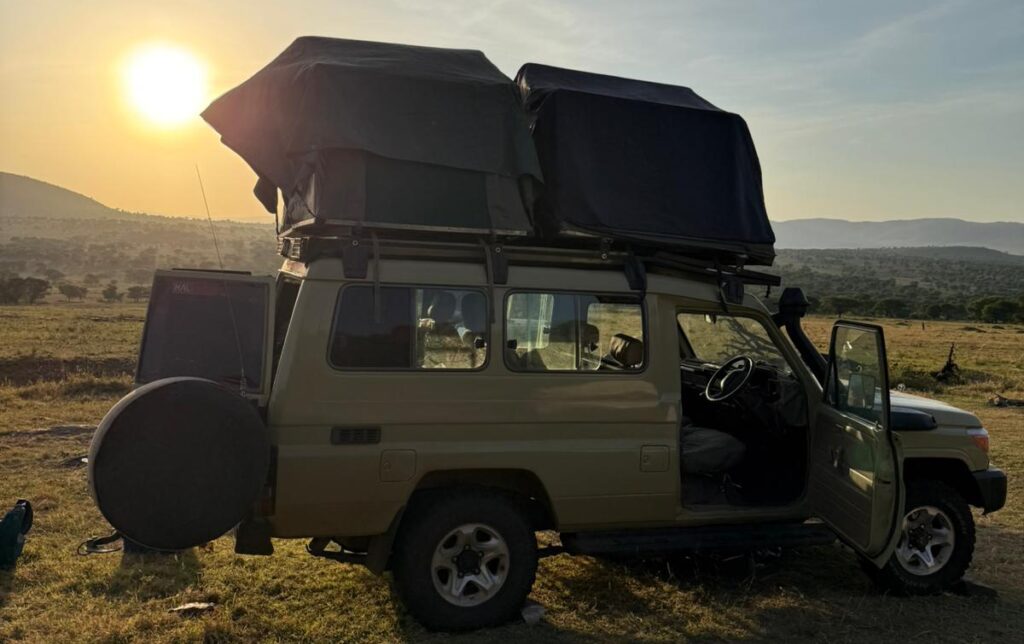
Self-Drive Safari Options from Tanzania: Explore East Africa at Your Own Pace
Tanzania is one of the best starting points for an unforgettable self-drive safari in East Africa. With spectacular wildlife parks, scenic mountain landscapes, beautiful lakes, remote wilderness areas, and access to neighboring countries, Tanzania offers a wide range of road-trip adventures for travelers who want the freedom to explore at their own pace.
Whether you are planning a short wildlife getaway, a two-week camping adventure, or a longer overland journey across East Africa, a self-drive safari from Tanzania allows you to create an itinerary that suits your interests, budget, and travel schedule.
With the right 4×4 rental vehicle, you can discover famous destinations such as Serengeti National Park and Ngorongoro Crater, explore the southern wilderness of Nyerere and Ruaha, or extend your journey into Kenya, Uganda, or Rwanda.
1. Northern Tanzania Self-Drive Safari
The northern safari circuit is an excellent choice for first-time visitors to Tanzania. It combines some of Africa’s most celebrated wildlife destinations with accessible routes and a variety of accommodation options.
Popular destinations include:
- Arusha National Park: Enjoy forest scenery, mountain views, lakes, and opportunities to see giraffes, buffaloes, and other wildlife.
- Tarangire National Park: Famous for large elephant herds, baobab trees, and diverse wildlife.
- Lake Manyara National Park: Explore a scenic landscape of groundwater forests, lakeshore habitats, and wildlife-rich plains.
- Ngorongoro Conservation Area: Discover dramatic highland scenery and the famous Ngorongoro Crater.
- Serengeti National Park: Experience expansive savannahs, predators, and seasonal wildebeest and zebra migrations.
A northern Tanzania self-drive safari can take approximately 7–12 days, depending on your pace and the number of parks you want to visit.
A capable 4×4 vehicle is strongly recommended, particularly for remote tracks and challenging road conditions. Check the rental company’s rules concerning park access, vehicle suitability, insurance, and permitted driving hours before departure.
2. Southern Tanzania Self-Drive Safari
For travelers seeking a quieter and more adventurous experience, southern Tanzania offers vast wilderness areas, fewer crowds in many locations, and excellent opportunities for wildlife viewing.
Key destinations include:
- Nyerere National Park: Discover extensive wilderness, river systems, elephants, hippos, crocodiles, and a variety of other wildlife.
- Mikumi National Park: A convenient option for travelers starting in Dar es Salaam.
- Ruaha National Park: Explore rugged landscapes, baobab-dotted plains, elephants, and major predator populations.
- Udzungwa Mountains National Park: Ideal for hiking, forest scenery, waterfalls, and primate viewing.
- Iringa and the Southern Highlands: Enjoy scenic drives, cultural stops, and cooler highland landscapes.
A southern Tanzania self-drive safari can last 7–14 days or longer. Some routes involve long distances, remote roads, and limited services, so careful planning, sufficient fuel, and a reliable 4×4 are important.
3. Tanzania to Kenya Self-Drive Safari
A cross-border road trip from Tanzania to Kenya combines two remarkable safari destinations in one adventure. Depending on your route and travel time, you can combine Tanzania’s national parks with Kenya’s famous wildlife reserves and landscapes.
Possible destinations include:
- Arusha and Tarangire in Tanzania.
- Serengeti National Park, if included in your itinerary.
- Amboseli National Park in Kenya, known for elephant herds and views of Mount Kilimanjaro.
- Lake Nakuru National Park, known for its birdlife and rhinos.
- Maasai Mara National Reserve, famous for big cats and seasonal wildebeest migration.
A Tanzania–Kenya self-drive safari may take 10–21 days, depending on the selected parks and border crossings.
Important: International vehicle travel requires advance confirmation of cross-border rental permission, insurance, customs documentation, and entry requirements. Not every rental company permits its vehicles to cross into Kenya, and park access or vehicle restrictions may differ by destination.
4. Tanzania to Uganda Self-Drive Safari
Travelers interested in combining traditional wildlife safaris with primate experiences can consider a longer journey from Tanzania to Uganda.
Potential highlights include:
- Tanzania’s northern or western safari destinations.
- Lake Victoria and the surrounding landscapes.
- Queen Elizabeth National Park in Uganda.
- Murchison Falls National Park.
- Kibale National Park for chimpanzee trekking.
- Bwindi Impenetrable National Park for mountain gorilla trekking.
Allow approximately 2–4 weeks for a more comprehensive journey, depending on the route and activities.
Gorilla and chimpanzee trekking permits should be arranged in advance. Cross-border vehicle permission and the feasibility of taking a rental car into Uganda must also be confirmed before booking.
5. Tanzania to Rwanda Self-Drive Safari
Rwanda is another exciting destination for travelers looking to extend a Tanzania road trip. Known for its green hills, beautiful lakes, conservation areas, and mountain gorillas, Rwanda offers a different atmosphere from Tanzania’s open savannahs.

A possible itinerary may include:
- A wildlife safari in northern Tanzania.
- A journey toward western Tanzania and Lake Tanganyika, depending on the chosen route.
- Nyungwe National Park in Rwanda for forest experiences and chimpanzee trekking.
- Lake Kivu for scenic lakeside stops.
- Volcanoes National Park for mountain gorilla trekking.
- Akagera National Park for savannah wildlife.
A Tanzania–Rwanda road trip generally requires careful planning and enough time for long transfers. Two to four weeks may be suitable for a more extensive itinerary.
Before booking, confirm border arrangements, vehicle authorization, insurance, and the current entry requirements for every country on your route.
6. Tanzania to Kenya and Uganda Overland Adventure
For travelers with more time, a multi-country self-drive safari can combine Tanzania’s wildlife parks, Kenya’s savannahs, and Uganda’s forests and lakes.
A three- to five-week itinerary may include northern Tanzania, Kenya’s major safari destinations, western Kenya, and selected Ugandan national parks.
This type of adventure is ideal for travelers who want to experience different landscapes, cultures, and wildlife habitats during one extended journey. It requires more preparation than a single-country safari, especially regarding border crossings, driving distances, park reservations, and vehicle documentation.
7. Tanzania Camping Safari with a Rooftop Tent
A rooftop-tent 4×4 is a popular option for independent travelers who enjoy outdoor adventures and flexible travel arrangements.
Depending on the vehicle and rental package, camping equipment may include a rooftop tent, mattress, sleeping bags, refrigerator or cooler, cooking equipment, gas stove, table, chairs, and basic kitchen utensils.
Camping can offer flexibility and help travelers manage accommodation costs, but it does not automatically make every safari cheaper. Campsite fees, national park charges, fuel, vehicle rental, and camping equipment must all be included in the budget.
Always check whether your intended parks permit the proposed camping arrangements and whether campsites must be booked in advance.
8. Which Vehicle Is Best for a Self-Drive Safari from Tanzania?
The best vehicle depends on your itinerary, passenger numbers, luggage, road conditions, and camping requirements.
Toyota Land Cruiser: A strong option for demanding safari routes, remote areas, and travelers requiring additional ground clearance and off-road capability.
Toyota Land Cruiser 70 Series: Often suitable for rugged overland journeys and camping adventures, subject to the exact vehicle specification and rental package.
Toyota RAV4: Can suit selected road trips and accessible destinations, but it may not be appropriate for every national park, difficult track, or remote route.
Toyota Hilux or similar 4×4 pickup: A useful choice for travelers who need camping equipment and additional luggage capacity, depending on the configuration.
Before choosing, confirm the vehicle’s condition, insurance excess, spare tires, recovery equipment, mileage policy, and the rental company’s restrictions for national parks and international travel.
9. How Much Does a Self-Drive Safari from Tanzania Cost?
The total cost depends on your vehicle, the length of the trip, park selection, accommodation, fuel consumption, and whether you cross international borders.
Budget for the following:
- 4×4 vehicle rental and any camping equipment.
- Fuel and any applicable cross-border or one-way fees.
- National park entry and vehicle fees.
- Campsites, lodges, or hotels.
- Food, water, and other supplies.
- International insurance and vehicle documentation, where applicable.
- Activities such as guided game drives, boat trips, and primate trekking.
- Emergency funds for unexpected delays or repairs.
For an accurate estimate, prepare your intended route and travel dates first, then calculate the vehicle and park costs separately. Park fees and permit prices can change, so verify the applicable charges before booking.
10. Tips for Planning a Self-Drive Safari from Tanzania
Plan your daily distances realistically, especially when driving between remote parks. Roads that look short on a map can take much longer because of road conditions, speed limits, wildlife, and weather.
Carry offline maps, a working phone, sufficient drinking water, and emergency supplies. Check fuel availability before entering remote regions, and inspect the vehicle before departure.
For international trips, obtain written confirmation that the rental company authorizes your vehicle to enter each destination country. Check visa and entry rules, insurance coverage, customs requirements, and any local driving documentation that may be needed.
Finally, choose an itinerary that balances driving with time to enjoy each destination. A well-planned two-week safari is often more rewarding than trying to cover too many countries in a short period.
Book Your Self-Drive Safari from Tanzania
Start planning your East African adventure with a suitable rental vehicle and an itinerary designed around your interests. Whether you want to explore the Serengeti, discover southern Tanzania, camp beneath African skies, or arrange a longer cross-border journey, choosing the right vehicle and preparing in advance will help make your trip more enjoyable.
Contact our team to discuss your travel dates, preferred destinations, vehicle requirements, and camping options. We can help you identify a suitable starting point for your self-drive safari and clarify the arrangements required for your planned route.
Your East African road trip starts in Tanzania.