
Self-Drive Safari in Tarangire National Park – Complete Guide with Camping (2026)
Self-Drive Safari in Tarangire National Park
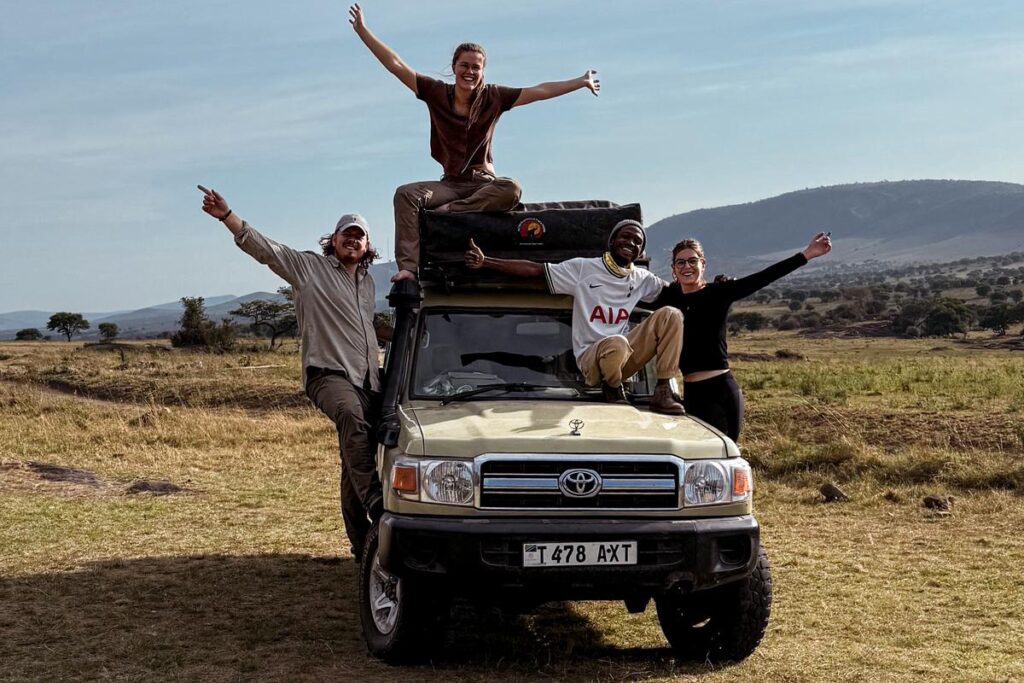
A self-drive safari in Tarangire National Park offers one of the most authentic and adventurous ways to experience Tanzania’s wildlife. Unlike guided group tours, a self-drive journey allows you to explore at your own pace, choose your own routes, and spend as much time as you like observing animals in their natural habitat.
Located about 120 kilometers (75 miles) southwest of Arusha, Tarangire National Park covers approximately 2,850 square kilometers of diverse landscapes, including open savannah, acacia woodlands, seasonal swamps, and the life-giving Tarangire River. The park is most famous for its enormous elephant population and majestic baobab trees that dominate the skyline.
During the dry season, Tarangire becomes one of Tanzania’s best wildlife destinations as thousands of animals migrate into the park in search of water. Herds of elephants, zebras, wildebeest, and buffalo gather along the river, while predators such as lions and leopards follow closely behind. This seasonal concentration of wildlife makes Tarangire an ideal park for independent travelers who want excellent game viewing without the heavy crowds often found in Serengeti.
For adventure travelers, overlanders, photographers, and camping enthusiasts, Tarangire provides the perfect balance of accessibility and wilderness. With well-maintained main roads, designated campsites, and relatively easy navigation, it is one of the most suitable national parks in Tanzania for a self-drive safari.
Whether you are planning a short one-day visit from Arusha or a multi-day camping adventure under the African stars, Tarangire National Park promises breathtaking scenery, unforgettable wildlife encounters, and the freedom that only a self-drive safari can offer.
Why Choose Tarangire for a Self-Drive Safari?
Tarangire offers:
-
Massive elephant herds (sometimes over 100 elephants together)
-
Scenic landscapes filled with iconic baobab trees
-
Fewer crowds than Serengeti
-
Excellent dry-season wildlife viewing
-
Easy road access from Arusha
During the dry season (June–October), animals gather around the Tarangire River, making sightings easier even without a professional guide.
Wildlife You Can See
Tarangire is home to diverse wildlife including:
-
Elephants (very common)
-
Lions
-
Giraffes
-
Zebras
-
Wildebeest
-
Buffalo
-
Impalas
-
Ostriches
-
Warthogs
-
Occasionally leopards and cheetahs
The park is also excellent for bird lovers, with more than 500 recorded bird species.
Do You Need a 4×4 Vehicle?
Yes — a 4×4 vehicle is highly recommended.
Road conditions vary depending on the season:
Dry Season (June–October)
-
Roads are generally accessible
-
Wildlife viewing is easier
-
Less mud
Rainy Season (March–May, November)
-
Some tracks become muddy and slippery
-
River crossings may be challenging
-
Extra caution required
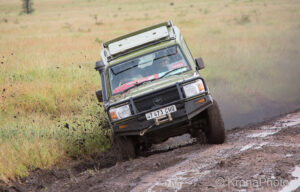
A 4×4 Land Cruiser or similar high-clearance vehicle is ideal. Make sure it includes:
-
At least one spare tire
-
Good suspension
-
Offline GPS/maps
-
Sufficient fuel (no fuel station inside the park)
Camping in Tarangire National Park
Camping is one of the best ways to experience Tarangire’s wilderness. Falling asleep to the sounds of lions roaring and hyenas calling is an unforgettable safari experience.
Types of Campsites
1. Public Campsites
Public campsites are budget-friendly and ideal for self-drive travelers.
They typically offer:
-
Shared bathrooms and showers
-
Basic cooking areas
-
Picnic tables
-
Designated tent spaces
These campsites are unfenced, meaning wildlife can pass nearby. Safety guidelines must always be followed.
2. Special Campsites
Special campsites are private and must be booked in advance.
They offer:
-
Exclusive use of the campsite
-
No shared facilities
-
More privacy
-
Closer wilderness experience
You must bring all your own equipment and supplies.
Popular Campsites in Tarangire
Some commonly used campsites include:
-
Public Campsite 1 (Main Campsite) – Close to the park headquarters
-
Public Campsite 2
-
Special Campsites located in different zones of the park
Availability can vary, so booking ahead is recommended, especially during peak season.
Camping Fees (Approximate)
In addition to park entry fees, camping fees apply per person per night.
For non-residents:
-
Public campsite: approximately $30 per adult per night
-
Special campsite: higher rates depending on location
Fees are usually paid together with park entry.
What to Bring for Camping
If you are self-driving and camping, you should bring:
-
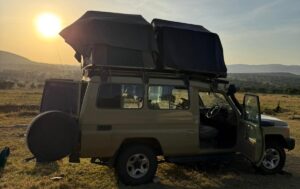
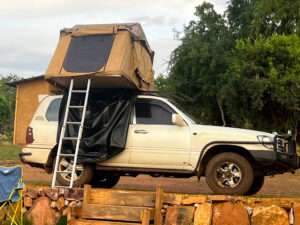
Tent (roof-top tent or ground tent)
-
Sleeping bags and mattresses
-
Cooking equipment
-
Portable stove
-
Drinking water
-
Flashlights or headlamps
-
Cooler box for food storage
-
Trash bags (leave no trace)
If renting a vehicle, many rental companies in Arusha offer fully equipped camping vehicles.
Important Camping Safety Tips
Because campsites are unfenced:
-
Do not walk around at night unnecessarily
-
Never leave food outside
-
Store all food securely in your vehicle
-
Follow ranger instructions at all times
-
Keep a safe distance if wildlife passes near camp
Wild animals have priority — respect their space.
Park Entry Fees (Approximate)
For non-residents:
-
Park entry: approximately $53 per adult per day
-
Vehicle fee: approximately $40 per vehicle per day
Fees are valid for 24 hours and typically paid by card at the gate.
Best Time for a Self-Drive & Camping Safari
June – October (Dry Season)
-
Best wildlife viewing
-
Cooler nights for camping
-
Easier road conditions
November – May (Green Season)
-
Beautiful green scenery
-
Fewer tourists
-
Possible muddy conditions
Dry season is generally recommended for first-time self-drive campers.
Tarangire Park Gates
-
Tarangire Main Gate (North) – Most commonly used
-
Sangaiwe Gate (West) – Quieter access option
How Many Days Do You Need?
-
1 Day: Short safari without camping
-
2 Days: Ideal for one overnight camping experience
-
3 Days: Perfect for deeper exploration
Final Thoughts
A self-drive safari with camping in Tarangire National Park offers adventure, freedom, and a close connection to nature. With the right 4×4 vehicle, proper preparation, and respect for park regulations, you can enjoy an unforgettable Tanzanian safari experience at your own pace.
Tarangire remains one of Tanzania’s most rewarding parks for independent travelers seeking authentic wildlife and camping under the African stars.