
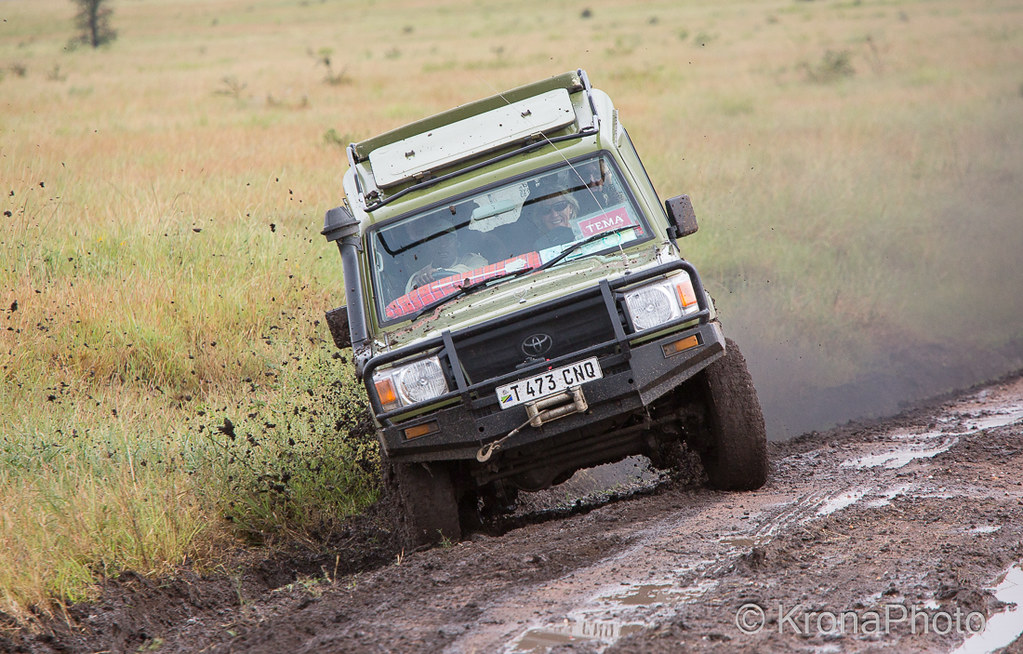
The Ultimate Guide to Self-Driving in Tanzania
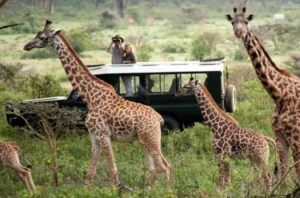
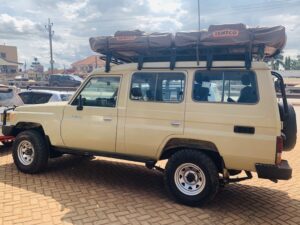
A self-drive safari in Tanzania offers freedom, adventure, and unforgettable wildlife experiences. From the endless plains of the Serengeti with a self drive car and tent on roof to the breathtaking Ngorongoro Crater, driving yourself allows you to explore at your own pace.
However, Tanzania’s national parks are remote, wild, and sometimes challenging. Proper preparation is essential to ensure your trip is safe, smooth, and successful.
Here are the 10 essentials you need for a successful self-drive safari in Tanzania.
1. A Reliable 4×4 Vehicle
A proper 4WD vehicle is non-negotiable. Tanzania’s park roads are often rough, sandy, rocky, or muddy — especially during the rainy season.
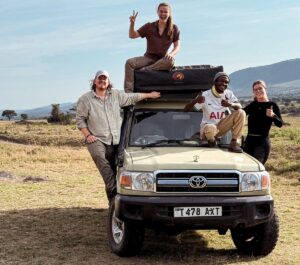
Choose a well-maintained 4×4 such as a Toyota Land Cruiser with:
-
High ground clearance
-
Two spare tires
-
Recovery tools
-
Working jack
-
Snorkel (recommended in rainy season)
Never attempt major parks like Serengeti in a standard 2WD vehicle.
2. Valid Travel and Vehicle Documents
You will encounter police checkpoints and park entry gates. Always carry:
-
Passport
-
Valid Tanzanian visa
-
Driver’s license (International Driving Permit recommended)
-
Vehicle registration documents
-
Insurance papers (COMESA Yellow Card if crossing borders)
Keep both printed and digital copies.
3. Offline Navigation Tools
Mobile network coverage inside parks is limited or nonexistent.
Before departure, download:
-
Google Maps offline
-
Maps.me
-
Tracks4Africa (highly recommended for safari routes)
A physical road map is also useful as backup.
4. Understand Park Entry Rules and Fees
Each national park has specific entry procedures and fees.
Important things to check:
-
Gate opening and closing times
-
Daily park fees
-
Vehicle entry fees
-
Transit vs. game drive permits
Many parks require payment by card at the gate. Arriving late can cost you valuable game-viewing time.
5. Plan Your Fuel Carefully
Fuel stations are scarce near major parks.
Fill up in towns like:
-
Arusha
-
Karatu
-
Mwanza
Never enter Serengeti or other remote parks with less than a full tank. Carry extra fuel in approved jerry cans if traveling long distances.
6. Carry Recovery and Emergency Equipment
Even experienced drivers can get stuck — especially in the rainy season.
Essential recovery gear includes:
-
Tow rope
-
Shovel
-
Tire repair kit
-
Portable air compressor
-
Jump cables
Being self-sufficient is critical in remote areas where assistance may take hours.
7. Bring Cash in Small Denominations
While major park fees are paid by card, cash is still necessary for:
-
Local shops
-
Village purchases
-
Campsites
-
Tips
Tanzanian shillings are preferred in rural areas.
8. Pack Enough Food and Water
National parks have limited facilities.
Carry:
-
At least 5 liters of water per person per day
-
Non-perishable snacks
-
Easy-to-prepare meals
-
Cooler or fridge if camping
Always plan as if supplies will not be available.
9. Respect Wildlife and Park Regulations
Tanzania’s wildlife is truly wild.
Follow these rules:
-
No off-road driving (heavy fines apply)
-
Stay inside your vehicle in most areas
-
Never feed animals
-
Keep safe distances from elephants, buffalo, and predators
Responsible driving protects both wildlife and your safety.
10. Allow Extra Time and Stay Flexible
Distances in Tanzania are longer than they appear on maps. Road conditions can slow travel significantly.
Plan fewer destinations and allow time for:
-
Unexpected delays
-
Weather changes
-
Extended wildlife sightings
Patience often rewards you with unforgettable safari moments.
Best Time for a Self-Drive Safari in Tanzania
-
Dry Season (June–October): Easier road conditions and excellent wildlife viewing
-
Rainy Season (March–May): Lush landscapes but muddy and more challenging driving
Final Thoughts
A self-drive safari in Tanzania can be one of the most rewarding adventures in Africa — if properly planned. With the right vehicle, preparation, and mindset, you can explore world-famous parks like Serengeti, Ngorongoro, and Tarangire independently and confidently.
Careful planning turns a challenging journey into a lifetime experience.