
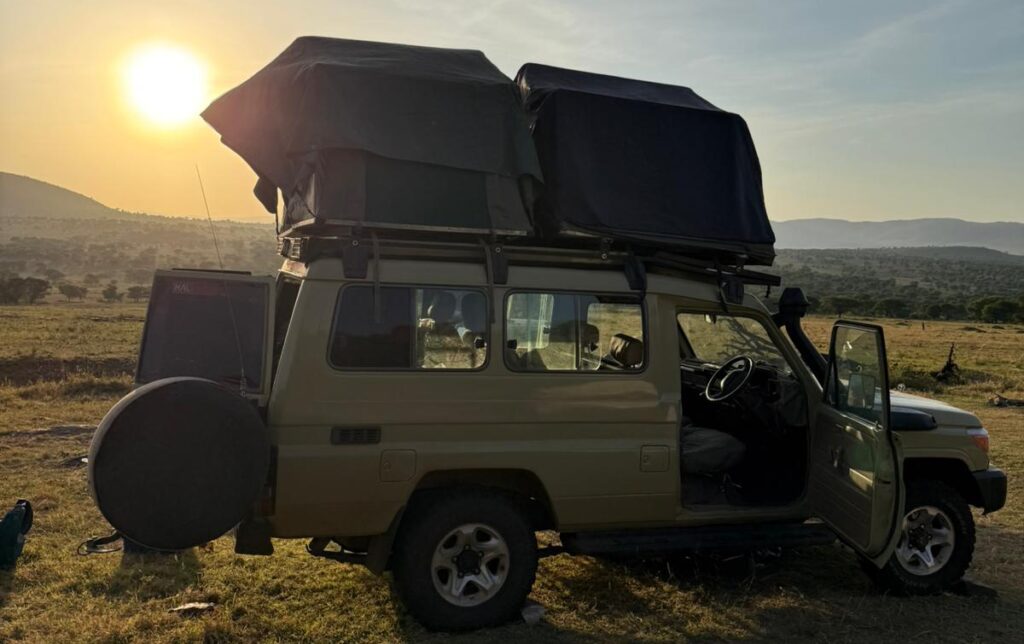
10 Things You Must Know When Planning a Tanzania Self-Drive Safari (Complete 2026 Guide)
A self-drive safari in Tanzania is one of the most adventurous and rewarding ways to explore Africa. Unlike guided tours, self-driving gives you complete freedom to set your own pace, choose your routes, and immerse yourself in nature without restrictions.
Imagine watching elephants roam freely in Tarangire National Park, witnessing the drama of predators in Serengeti National Park, or descending into the wildlife-rich crater of the Ngorongoro Conservation Area—all on your own schedule.
However, this level of freedom comes with responsibility. Tanzania’s wilderness is vast, remote, and sometimes unpredictable. Proper planning is not just helpful—it’s essential.
This guide covers the 10 most important things you must know before embarking on your Tanzania self-drive safari.
1. Choosing the Right 4×4 Safari Vehicle
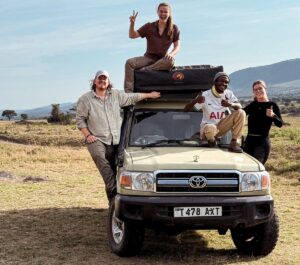
Your vehicle is the backbone of your safari experience. Tanzania’s national parks are not designed for standard cars, and attempting to use a 2WD vehicle can quickly turn into a costly mistake.
A reliable 4×4 is mandatory, especially in remote parks like Ruaha National Park and Nyerere National Park.
What to Look For:
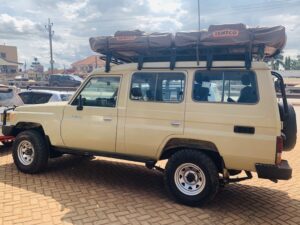
- Toyota Land Cruiser or similar rugged 4×4
- High ground clearance
- Low-range gearing for rough terrain
- Dual fuel tanks or extended range
- Rooftop tent (for camping safaris)
Essential Add-ons:
- Spare tires (at least two)
- Air compressor
- Recovery gear (tow rope, jack, shovel)
Choosing the right vehicle ensures safety, comfort, and access to areas that would otherwise be unreachable.
2. Understanding Park Entry Fees and Regulations
Tanzania’s national parks operate under strict rules managed by the Tanzania National Parks Authority.
Key Things to Know:
- Entry fees are charged per person, per vehicle, per 24 hours
- Payments are cashless (credit/debit cards only)
- Entry time is strictly monitored
Popular destinations like:
- Lake Manyara National Park
- Ngorongoro Conservation Area
…have additional fees such as crater service charges.
Important Tip:
If you exceed your 24-hour window—even by minutes—you may be charged for an extra day.
3. Navigation Challenges and Solutions
Driving in Tanzania’s wilderness is not like driving in cities. Signage is minimal, and GPS signals can be unreliable.
This is especially true in remote regions like Katavi National Park.
Best Navigation Tools:
- Offline apps (Maps.me, Tracks4Africa)
- Garmin GPS devices
- Physical maps as backup
Pro Tip:
Always download maps in advance before leaving towns like Arusha or Dodoma.
4. Fuel Management and Logistics
One of the biggest mistakes self-drive travelers make is underestimating fuel needs.
There are no fuel stations inside most national parks, including Serengeti National Park.
Where to Fuel Up:
- Arusha
- Karatu
- Iringa
Tips:
- Always keep your tank above half
- Carry 20–40 liters of extra fuel
- Plan distances carefully
Fuel shortages can leave you stranded in extremely remote areas.
5. Accommodation: Campsites vs Lodges
Accommodation plays a huge role in your safari experience.
Camping Options:
- Public campsites (basic facilities)
- Special campsites (private, pre-booked)
Lodging Options:
- Budget lodges
- Luxury tented camps
In areas like the Seronera Valley, accommodations fill up quickly—especially during peak migration season.
Why Book in Advance?
- Limited availability
- Better pricing
- Guaranteed access to prime locations
6. Wildlife Safety Rules You Cannot Ignore
Tanzania’s parks are home to dangerous wildlife, including lions, elephants, buffalo, and hippos.
You will frequently encounter these animals in Serengeti National Park and Tarangire National Park.
Safety Rules:
- Never exit your vehicle in predator areas
- Maintain safe distances
- Do not feed animals
- Avoid driving at night
Key Reminder:
You are entering their territory—not the other way around.
7. Road Conditions and Seasonal Challenges
Road conditions in Tanzania vary dramatically depending on the season.
Dry Season (June–October):
- Easier driving conditions
- Dusty roads
- Excellent wildlife visibility
Rainy Season (November–May):
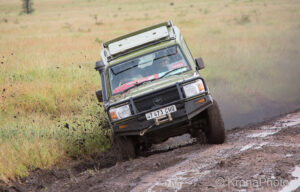
- Muddy, slippery roads
- Risk of getting stuck
- Flooded tracks
Parks like Lake Manyara National Park can become particularly challenging during rains.
Pro Tip:
Check road conditions with park authorities before entering.
8. Essential Supplies for a Self-Drive Safari
When traveling in remote areas, self-sufficiency is critical.
Must-Have Items:
- Drinking water (at least 5 liters per person per day)
- Non-perishable food
- First aid kit
- Power banks and solar chargers
- Camping gear
In isolated destinations like Mahale Mountains National Park, you may not find shops or assistance for days.
9. Best Time to Visit Tanzania for a Self-Drive Safari
Timing your safari can greatly impact your experience.
Peak Season (June–October):
- Best wildlife viewing
- Dry conditions
- Higher prices
Green Season (November–May):
- Lush landscapes
- Fewer tourists
- Lower costs
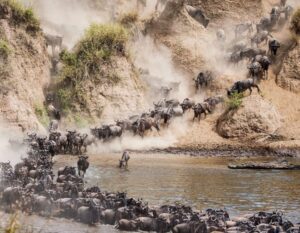
The famous Great Migration moves across the Serengeti ecosystem depending on the season.
10. Know When to Seek Help or Hire a Guide
Self-driving doesn’t mean doing everything alone.
In complex or remote areas like Selous Game Reserve, even experienced travelers may need assistance.
Consider:
- Hiring a guide for specific parks
- Joining a convoy
- Consulting local experts
Why It Matters:
- Improved safety
- Better wildlife sightings
- Reduced stress
Sample Self-Drive Safari Route (Northern Circuit)
Here’s a classic route for first-time self-drive travelers:
Day 1–2: Arusha
Day 3: Tarangire National Park
Day 4: Lake Manyara National Park
Day 5–7: Serengeti National Park
Day 8: Ngorongoro Conservation Area
This route offers a perfect balance of wildlife, scenery, and accessibility.
Cost Breakdown for a Self-Drive Safari (Per Day Estimate)
| Expense | Cost (USD) |
|---|---|
| 4×4 Rental | $120–$200 |
| Fuel | $40–$80 |
| Park Fees | $50–$100+ |
| Camping Fees | $20–$50 |
| Food & Supplies | $15–$30 |
Estimated Total: $250–$450 per day
Final Thoughts: Is a Tanzania Self-Drive Safari Worth It?
Absolutely.
A self-drive safari in Tanzania offers:
- Freedom and flexibility
- Authentic wilderness experiences
- Cost control compared to guided safaris
But success depends on preparation. Understanding logistics, respecting wildlife, and planning ahead will transform your trip from stressful to unforgettable.