
Is it safe to self drive in Tanzania in 2026
In Tanzania in 2026, it is generally safe to drive alone as long as you follow the appropriate safety measures, including only driving during the day, paying attention to your surroundings, and planning your route in advance. While larger cities may provide traffic congestion and opportunistic crime, driving at night is especially dangerous due to poor road conditions, low lighting, and other hazards. For safety and a more thorough experience, a guided safari can be a better choice for people who are not accustomed to driving themselves in national parks.
Tanzania is home to the renowned Serengeti, the breathtaking Ngorongoro Crater, the snow-capped Mount Kilimanjaro, and the azure waves of Zanzibar, making it one of Africa’s most renowned travel destinations. Millions of foreign tourists have been drawn to the nation for decades, hoping to see the big wildebeest migration, see elephants on the plains, hike to Africa’s highest peak, or relax on islands with a hint of spice. But despite its notoriety, many prospective tourists still have one question: is it safe to visit Tanzania in 2026?
Since safety is never guaranteed in any place, the solution is multi-layered. It is safe to say that Tanzania has maintained its position as one of the friendliest and most stable countries in East Africa, with a tourism sector based on decades of cautious expansion and consideration for tourists. By 2026, its allure has been further enhanced by investments in community tourism projects, healthcare, security, and infrastructure. Tanzania offers visitors not only access to remarkable animals and landscapes, but also a nation that has consistently tried to make sure their trips are safe and memorable.
Tanzania’s Global Reputation for Tourism
Tanzania has had a solid reputation as a tranquil and safe safari destination for many years. Tanzania has maintained stability, with seamless governance transitions and a clear commitment to boosting tourism as a pillar of its economy, in contrast to several parts of the continent afflicted by political unrest. This reputation is significant because it establishes a foundation of trust for foreign tourists thinking about doing a lengthy trip.
By 2026, Tanzania is still promoting itself as a cultural and wilderness haven, highlighting both the safety of its tourist routes and the variety of its wildlife. Constant investment in visitor protection has been fueled by the government’s, tourism boards’, and business partners’ recognition that security is a necessary condition for prosperity.

Safety in Tanzania’s Tourism Corridors
The most popular tourist destinations in Tanzania are generally considered to be safe: Arusha, Serengeti National Park, Ngorongoro Conservation Area, Tarangire, Lake Manyara, Kilimanjaro, and the Zanzibar Archipelago. Due to their importance to the country’s tourism sector, these corridors have received significant investment. Park entrance roads are kept up, lodges and campsites are competently run, and local operators and guides have received guest care training.
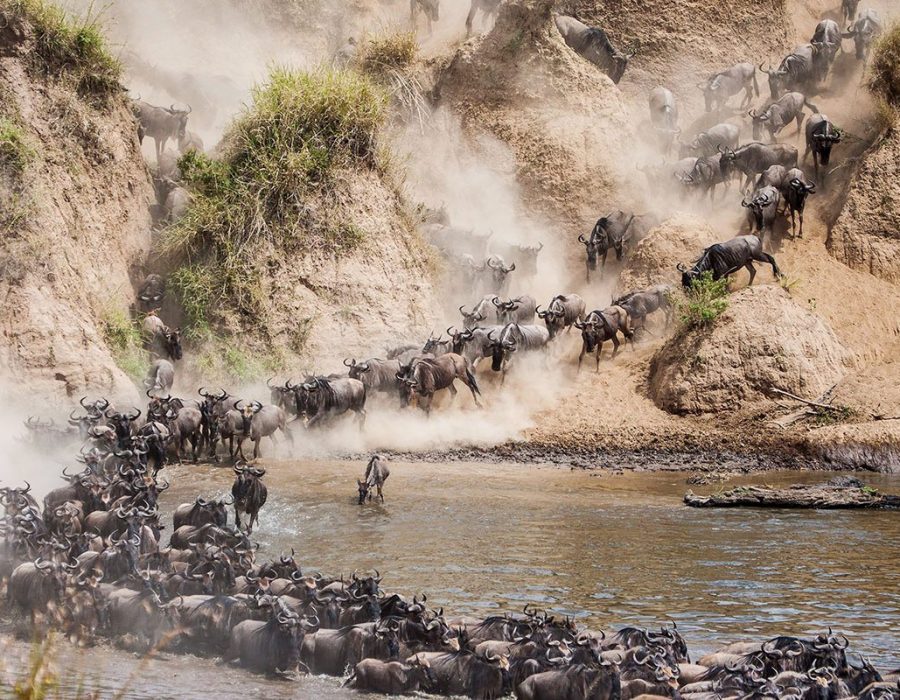
The organized operation of guided safaris, controlled park regulations, and constant ranger presence provide safety in the Serengeti, where the great migration enthralls people worldwide. Strict conservation management at Ngorongoro guarantees a safe and orderly flow of visitors into the crater while also protecting the animals. Despite occasional turmoil throughout its history, Zanzibar has grown much more secure in recent years thanks to improved collaboration between local communities and tourism officials as well as increased policing.
In 2026, tourists will discover that these popular locations offer a secure setting, especially when visiting with trustworthy operators who are familiar with the local scenery.
Crime Concerns and Realities
Tanzania has crime, just like any other nation. Pickpocketing and small-time theft can happen, especially in crowded cities like Stone Town in Zanzibar, Dar es Salaam, or Arusha. However, people who stay in tourist corridors are rarely impacted by these concerns, which are usually limited to particular urban neighborhoods. In most safari or seaside settings, violent crime against tourists is practically unheard of.
By 2026, threats had been substantially decreased thanks to improved enforcement techniques and technology. There are tourism police units in strategic locations, and multilingual visitor help hotlines are accessible. Many hotels and lodges offer safe transportation from airports to their establishments, and they actively educate visitors on safety procedures. Tanzania is just as safe as many other places in the world for tourists who use common sense, such as storing valuables, avoiding dimly lit areas at night, and depending on reliable operators.
Health and Environmental Safety
Travel safety encompasses more than just crime; it also involves environmental and health issues. Tanzania has continuously enhanced its medical facilities for tourists, especially in large cities and tourist destinations. Many lodges and safari camps have medical evacuation plans and first-aid-trained staff, while Arusha and Dar es Salaam have state-of-the-art hospitals with globally qualified staff.
Although preventive methods including prophylaxis, mosquito nets, and repellents are widely advocated, malaria is still present in several sections of the country, notably coastal and lowland safari regions. There aren’t many vaccination restrictions, although people coming from certain areas would need yellow fever certificates.
Additionally, environmental safety is taken into account. Even though thousands of climbers visit Mount Kilimanjaro every year, trekking protocols have strengthened, with more stringent guidelines on emergency evacuation, guide training, and acclimatization. Better animal-human interaction monitoring systems have been implemented at safari parks, lowering the possibility of mishaps. Water activity providers on Zanzibar’s beaches are subject to stricter regulations, guaranteeing that diving, snorkeling, and kitesurfing adhere to global safety regulations.
By 2026, these steps have established a setting where health hazards are appropriately controlled, allowing tourists to concentrate on having fun rather than worrying.
Infrastructure and Transportation Safety
Infrastructure is another aspect of travel safety. Considering the size of the country, Tanzania has achieved impressive strides in developing its transportation infrastructure. The security screening, passenger flow, and medical response facilities of Julius Nyerere International Airport in Dar es Salaam, Kilimanjaro International Airport near Arusha, and Abeid Amani Karume International Airport in Zanzibar have all been upgraded.
Domestic airlines now provide dependable connections between safari sites and beach resorts thanks to improved fleets and safety procedures. For those who want quick transfers, charter flights into airports like Manyara or Seronera in the Serengeti are expertly controlled, lowering hazards.
On major safari circuits, road infrastructure has significantly improved, although it is still inconsistent in isolated places. Even lengthy drives are handled carefully because guides and tour operators are skilled at navigating these routes. In urban areas, ride-hailing services, hotel transfers, and licensed taxis offer safer substitutes for unlicensed ones.
Travelers who might be worried about logistical concerns in a large country should be reassured by this improved infrastructure.
Political Stability and Social Climate
In contrast to many of its neighbors, Tanzania has generally had a stable political environment. The administration has always positioned itself as a defender of national peace, and changes in leadership have happened with little disturbance. International passengers’ confidence has grown significantly as a result of this sense of stability.
This stability is maintained by 2026 thanks to a developing middle class, consistent foreign investment, and solid international relations. Protests and demonstrations are localized and hardly cross tourist corridors, however they do occasionally happen. Travelers can easily avoid these infrequent disruptions if they stay informed through their operators and embassies.
Hospitality is another characteristic of Tanzania’s social atmosphere. Tanzanians are known for being friendly, courteous, and proud to share their culture with tourists. Kindness and welcomes in Swahili create a cultural thread that improves the visitor experience’s safety and depth.
Safety on Safari and in the Wilderness
When it comes to safari, tourists frequently worry about the dangers that wildlife poses. Safaris in Tanzania are governed by stringent regulations aimed at safeguarding both tourists and wildlife. Regulations guarantee that sightings respect distances, cars are maintained for dependability, and guides are well educated.
Because hotels and operators follow set safety procedures, accidents are quite rare. Security teams are present at campsites and resorts, and staff members educate visitors on how to interact with wildlife. Even though they are exciting, walking safaris and night drives are overseen by rangers who have received considerable training in emergency situations.
Porter welfare and climbing team regulations have improved on Kilimanjaro and other trekking routes. This guarantees better moral tourism practices in addition to safer climbing. Although Tanzania’s wilderness is still untamed, it can be safely explored under the supervision of experts.
Zanzibar: Safety on the Spice Islands
With its white sand beaches, coral reefs, and Stone Town, Tanzania’s charm is further enhanced by Zanzibar. Although petty theft can happen in busy marketplaces or on beaches, safety is generally dependable here. Risks have been reduced in Stone Town in 2026 thanks to enhanced community policing and better lighting. Strong security is maintained by resorts, and cultural tourism programs facilitate tourists’ beneficial integration into the community.
With stronger enforcement of boat safety regulations and increased control of water sport operators, sea safety has also improved. It’s a safe and magical experience for those who want to combine a safari with leisure in Zanzibar.
Cultural Respect as a Path to Safety
Respecting local customs improves travel quality and safety. From Swahili traditions on the coast to Maasai villages in the plains, Tanzania is steeped in history. Respectful visitors are greeted with open arms if they follow local customs, ask permission before taking pictures of individuals, and dress modestly in rural or religious situations.
Because of the reciprocal relationship created by this cultural respect, safety is not only upheld by the government but also promoted by the goodwill of the community. By doing this, visitors to Tanzania participate in a wider cultural conversation, which lessens miscommunication and promotes trust between people.
Comparing Tanzania to Other Destinations
Many tourists use relative measures of safety. Tanzania’s dangers are not very high when compared to major cities in Europe, North America, or Asia. While violent crimes against visitors are uncommon, petty thievery is possible. Political instability is low in comparison to other areas, and health hazards can be controlled with common sense measures.
When it comes to stability and reputation, Tanzania is among the safest safari destinations in Africa, surpassed only by nations like Botswana and Namibia. In 2026, it is still a top option for people looking for both security and excitement.
Why Tanzania Remains Worth the Journey
A voyage is defined more by the combination of security and life-changing events than by safety alone. Tanzania provides this equilibrium with unparalleled excellence. Where else can visitors see millions of wildebeest cross rivers teeming with crocodiles, ascend Africa’s highest peak, walk with Maasai warriors, and then relax on beaches cooled by balmy Indian Ocean breezes?
The benefits are immeasurable, the risks are controllable, and the safety procedures are robust. Tanzania is not only a safe place to visit in 2026, but it also serves as an example of how responsible travel, thoughtful preparation, and community collaborations can foster an atmosphere that makes exploration exciting and safe.
Safe Travel Through Responsible Choices
In 2026, is it safe to visit Tanzania? Yes, is the response. When tourists make sensible decisions, such as collaborating with reliable operators, adhering to established tourist routes, honoring regional traditions, and accepting advice from knowledgeable hosts, their safety in Tanzania is guaranteed.
The nation has established a solid basis of stability, hospitality, and conservation, guaranteeing that guests are greeted warmly and cared for. The voyage confidently awaits those who are prepared to discover the wonders of Kilimanjaro, Zanzibar, and the Serengeti.
Booking your Africa tours and safaris with Self drive in Tanzania, a reliable partner committed to creating adventures that honor both the beauty and the safety of the continent, is advised to guarantee your adventure is smooth, secure, and profoundly enlightening.