
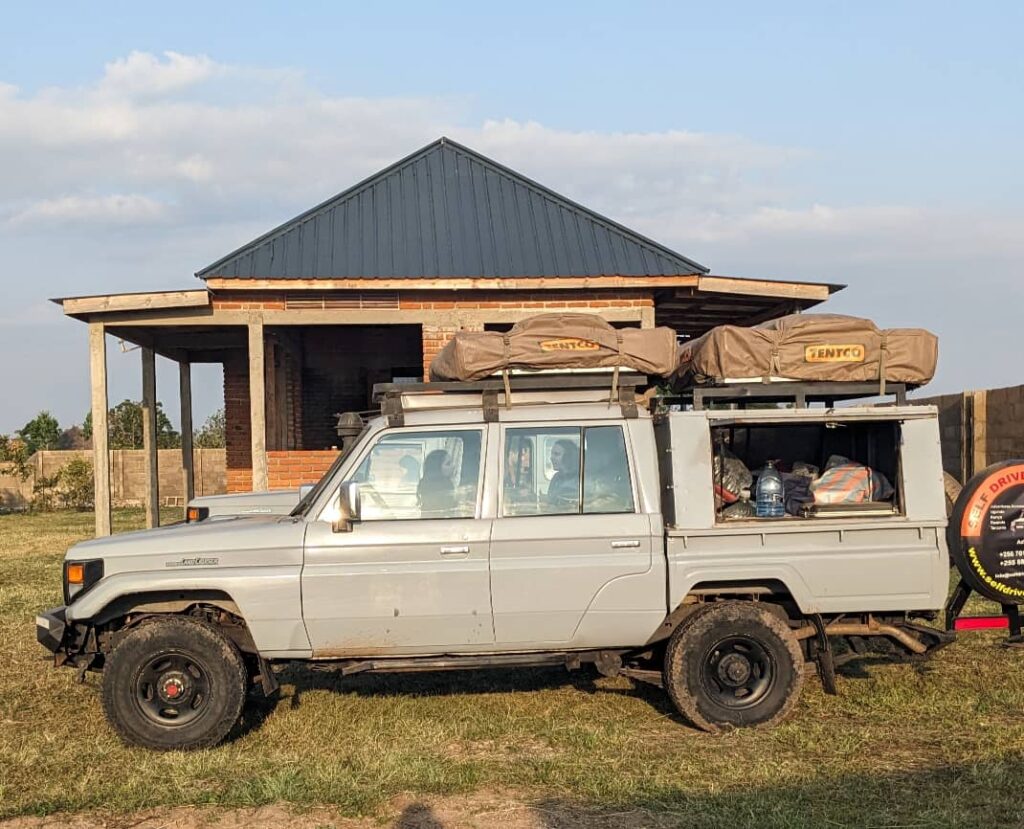
10 things to look out for on a self drive adventure in Tanzania
Wildlife (Big Five, migration), road conditions (potholes, dirt roads, no night driving), vehicle preparation (spares, 4×4, GPS), park regulations (permits, fees), health (sun, hygiene), navigation (SIM card, offline maps), safety (cash, valuables), patience, and local culture are all things to consider when going on a self-drive in Tanzania. Be ready for remote travel, secure parking, and handling your own logistics for an incredible adventure.
Considering taking a road trip across Tanzania? Even for newcomers, driving in Tanzania is an amazing experience that is totally achievable with the correct planning!
You can get useful information and straightforward instructions from this guide. Discover how to drive safely, how to rent a dependable 4×4, and what to anticipate. Answers to frequently asked questions about things like road conditions and the equipment you need are also provided.
Do you not want to drive yourself? Don’t worry! We describe how to engage a knowledgeable, amiable driver-guide to help you navigate the highways.
Are you prepared to embark on your journey? Get a dependable, safe 4×4 from us today to drive with assurance!
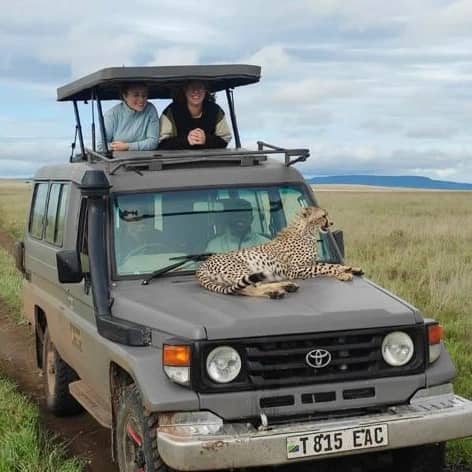
The road conditions in Tanzania
Tanzania has both smooth freeways and rough dirt roads for driving. Here are some tips to help you plan your travel carefully and steer clear of unpleasant surprises.
Public roads in Tanzania northern circuit
The public roads in northern Tanzania are good by African standards. Although well-paved, the major roads that connect Arusha, Ngorongoro, Moshi, Kilimanjaro, Lushoto, and Dar es Salaam are prone to potholes and speed bumps.
Travel speeds are typically low despite the asphalt roads’ good condition. You will hardly ever travel faster than 50 km/h due to speed bumps, village crossings, and photo stops for the breathtaking countryside. Google Maps travel timings are deceptive, so avoid loading too much into one trip.
Secondary road
The C and D roads in Tanzania are primarily dirt roads with degraded surfaces and potholes. You can anticipate some off-road driving during the last portion of your daily journeys.
Inside the national parks
Most of the time, you will drive off-road on dirt roads inside the parks. These roads’ conditions tend to change with the seasons, and the rainy season is when they are most difficult. In the northern safari circuit, off-road driving is mostly simple, with the exception of:
- Serengeti’s main roads – Roads heading east and west, as well as the route from Naabi Hill Gate to Seronera, are poorly corrugated and rocky. To keep your car safe, drive at a reasonable pace (less than 25 km/h).
- Serengeti to Lake Natron- From Klein’s Gate to Wasso, the new tarmac road is smooth; however, the last 20 kilometers to Engaresero beyond Sonja are uneven and degraded, necessitating cautious driving.
Southern Tanzania
There are lengthy dirt roads leading to the southern safari parks:
- Kibiti to Nyerere National Park (formerly Selous) – 90 km
- Morogoro to Selous (Matembwe Gate) – 90 km
- Iringa to Ruaha – 110 km
- Dodoma to Babati – approx. 2.5 hours
Roads in Nyerere National Park become quite difficult during the rainy season. For this reason, a Land Cruiser is necessary.
Safety tips in Tanzania
In Tanzania, stay away from taking shortcuts on side roads as they are frequently in poor condition. Don’t take chances if you’re not sure how to get where you’re going. For guidance on the best and safest roads, send a WhatsApp message to the self drive in Tanzania staff in Arusha and Dar es salaam, who are available around-the-clock. We are here to ensure a safe and easy journey!
Frequently asked questions about Tanzania self drive
Do you need an international driving permit in Tanzania?
No, a foreign driver’s license is not required in Tanzania. It is sufficient that you have a valid license from your own country. When driving, always remember to have your driver’s license with you.
Do i drive on the left or right side in Tanzania?
On the left. In Tanzania, one should drive on the left side of the road.
Is it safe to do self driving in Tanzania?
Tanzanian driving is an experience that will never be forgotten! You may have a smooth and secure road journey if you are prepared and exercise prudence. To stay safe while driving, heed these crucial recommendations:
- Defensive driving: Avoid long driving days and go slowly. Accidents are caused by fatigue, and it is not worth the risk to travel too much territory in a single journey.
- Steering becomes hazardous and challenging when speeding on corrugated dirt roads. In order to maintain control, drive gently.
- Town entrances frequently have unmarked speed bumps. Be cautious because potholes might result in flat tires or major vehicle damage.
- To utilize Google Maps and contact our staff via WhatsApp if necessary, purchase a local SIM card with internet access.
- Always pick lodging with a secure parking place if you’re visiting a nearby town. Don’t ever leave valuables alone.
- Oncoming traffic frequently employs blindingly high lights, and potholes are difficult to spot. Aim to complete your drives before to dusk.
- In case of an emergency, keep water, cash, and a fully charged cell phone on hand.
You may have a fun and safe self-drive trip in Tanzania if you heed these suggestions.
Would you prefer a driver?
If you prefer to relax and take in the view, reserve a car with an experienced driver-guide. They’ll take care of the roads so you can unwind and take in Tanzania’s splendor without any worries!
What are the different speed limit in Tanzania?
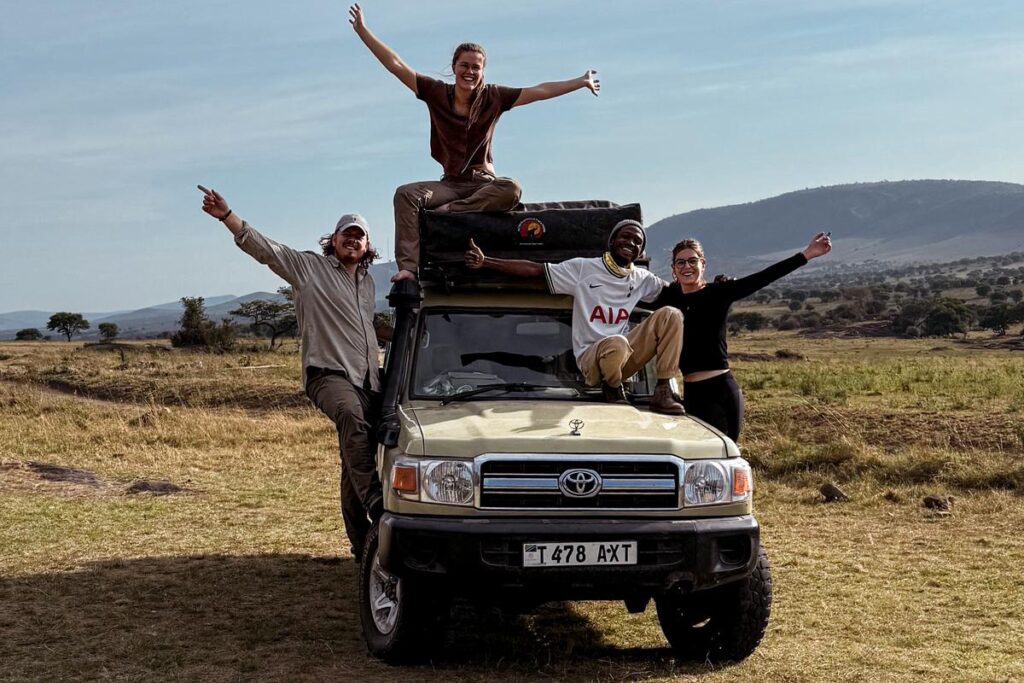
- Because of their extended stopping distance, land cruisers are categorized as trucks in Tanzania. They are therefore prohibited from traveling faster than 80 km/h on highways.
- Note that the main highways also pass through towns, so make sure to reduce your speed to 40 km/h
- Depending on the different tracks, the recommended speed is 35 km/h within national parks
We have trackers in our cars, and we get immediate alerts when our cars go over the speed limit for your safety.
Can your car do cross border safari?
Tanzania-Kenya cross border
You will need two different cars, one from our Tanzanian branch in Arusha and one from our Nairobi branch, if you wish to travel to both nations. Due to a commercial dispute, cars registered in Tanzania are temporarily prohibited from accessing the Masai Mara. Park rangers frequently have the final say over rules, which are subject to sudden changes. As a result, we discourage driving Tanzanian-registered cars into Kenyan parks, reserves, and conservancies.
You have two choices if you choose to merge the two nations:
Shuttle bus and then 4×4 rental
Use a 4×4 from our Tanzania fleet to explore the country. After that, take a daily shuttle bus (such the Riverside or Impala Shuttle) from Arusha to Nairobi, which takes roughly five to six hours and crosses the Namanga border. After arriving in Nairobi, continue your safari by grabbing your 4×4 from our Kenya fleet.
Swap the vehicle at Namanga border
Take your Tanzanian 4×4 to the border at Oloitokitok or Namanga. At the border, swap cars with our Kenyan squad. We have to return both cars to Nairobi and Arusha, therefore there will be further fees.
Tanzania-Uganda safari combination
You have two choices if you choose to merge the two nations:
Cross border car hire
It is feasible to cross the border into Uganda. We set up COMESA insurance and the vehicle papers.
You can also begin your rental in Arusha and end it somewhere in Tanzania or Uganda, but there are one-way fees. These choices are available on our reservation form.
Be aware that you will be charged more to access Uganda’s national parks if your car is registered in Tanzania. Foreign-registered cars cost about US$150, whereas locally-registered cars cost about US$10.
Swapping the cars at the border
Drive a Tanzanian car through Tanzania and a Ugandan-registered car through Uganda. At the border, you can switch cars with our Uganda team or take a plane between the two countries. We have to return both cars to Arusha and Kampala, therefore there are additional expenses.
Self drive east Africa
Are you planning a east Africa self drive adventure. Hire our Uganda registered car from any of our branch in Uganda, Tanzania, Kenya or Rwanda. to rent a car from any of those country and return it to another country, an extra one way rental fees will apply.
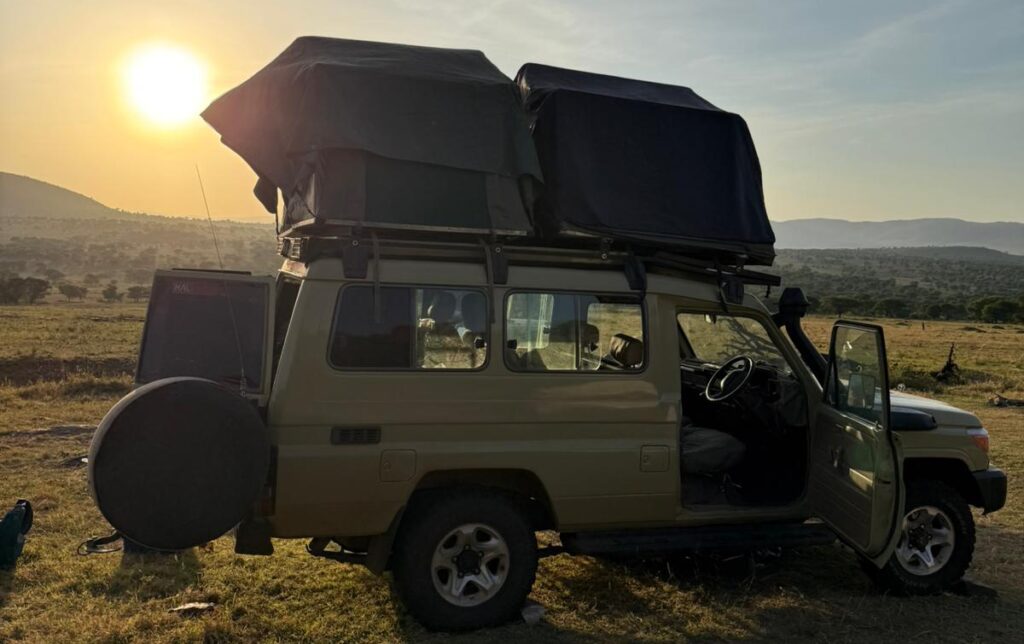
Does the car come with an insurance
Yes, insurance is included in our Tanzanian car rental. This includes third-party liability in the event of an automobile accident as well as damage from fire or accidents.
Zero excess insurance
Usually, the offered insurance come with an excess that you will have to pay in case of an accident. To cover all the excesses, you will have to pay for an excess insurance of 500$ which will make you liability to zero.
What is excluded in our normal insurance?
Personal injury or loss of possessions – these fall under your personal medical or travel insurance.
Damage caused by:
Driving over the speed limit
Single-vehicle rollovers (considered reckless driving)
Neglecting proper care or maintenance of the vehicle
Driving under the influence of alcohol or drugs
Using the car on restricted roads or in prohibited areas
How does our 24/7 road assistance work?
Our fleet of used vehicles is kept up to date and thoroughly inspected before to each journey. However, there are occasionally unforeseen problems when driving on Tanzania’s rough roads. What you should know is as follows:
Causes of the breakdown in Tanzania
- The condition of the car
- Road conditions (potholes, speed bumps, mud, dust)
- Driving behaviour (speeding, fatigue)
- Bad luck
Regardless of the cause of your breakdown, we will do everything in our power to support you, even if we can only influence the first of these events. Although our staff has extensive expertise troubleshooting along the process, remember that patience, cooperation, and flexibility on your part are essential for speedy issue resolution as well.
how to prevent the breakdown?
Over the course of our ten years of expertise, we have seen that a lot of self-drive trip failures are caused by driving behavior, which is frequently influenced by crowded schedules that result in lengthy driving days, speeding, or exhaustion. Therefore, our most crucial piece of advise is to ensure that your trip itinerary is not overly ambitious. Troubleshooting is not as good as prevention.
How do we respond to the breakdown?
Minor issues: We’ll connect you with our network of bush mechanics for quick, on-the-spot fixes.
Major issues: If the car cannot be repaired within 24 hours, we’ll provide a replacement vehicle so you can continue your trip.
Accidents or breakdowns: Contact our Tanzania office immediately. We’re available 24/7 to guide and assist you.
who qualify for a self drive trip?
Consider whether you can remain composed in the face of unforeseen circumstances like mud, delays, or a flat tire. A self-drive excursion might not be the best option anyway. Flexibility is crucial because Tanzanian roads can be unpredictable.
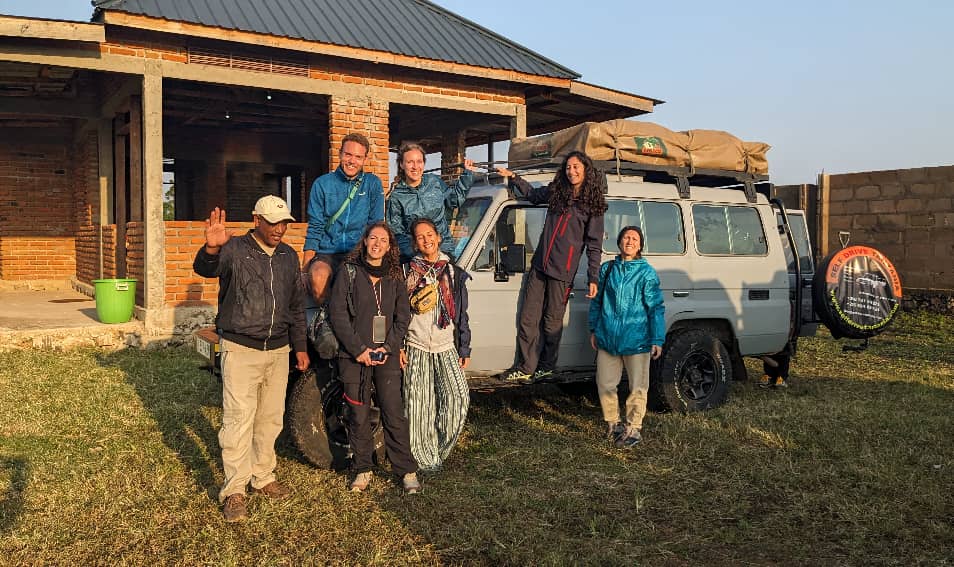
Can you offer a car with the driver?
Hiring a local driver-guide is a great choice if you would rather not drive yourself. We at Self Drive in Tanzania can set you up with an experienced and amiable driver to go with you on your journey.
Advantage of hiring a driver guide in Tanzania
Local expertise: our guides are knowledgeable with experience throughout Tanzania national parks. Therefore, you will have a person capable of taking you wherever you wish to go while advising promptly.
Flexibility: you will not lose control over your itinerary. The role of our guide is to guide, not to dictate your itinerary.