
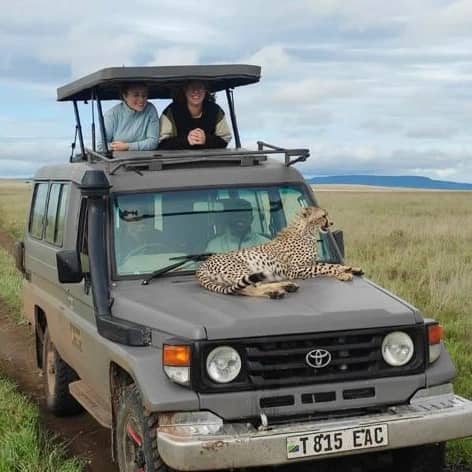
Self-Driving in Ngorongoro Crater: Everything You Need to Know
Few wildlife destinations in the world compare to the breathtaking beauty and ecological richness of the Ngorongoro Crater. Often referred to as the “Eighth Wonder of the World,” this massive volcanic caldera is one of the most spectacular safari locations in Tanzania. Located within the protected Ngorongoro Conservation Area, the crater offers visitors an unparalleled opportunity to see wildlife in one of the most concentrated ecosystems on Earth.
While most visitors explore the crater with professional safari guides, self-driving is also possible, offering travelers a sense of independence and adventure. However, there are several important rules, requirements, and considerations to keep in mind before embarking on a self-drive safari in Ngorongoro.
This guide explains everything you need to know—from vehicle requirements and park fees to safety tips and the best wildlife viewing practices.
Understanding the Ngorongoro Crater

The Ngorongoro Crater is the world’s largest intact and unfilled volcanic caldera. Formed around two to three million years ago when a massive volcano collapsed after a major eruption, the crater spans approximately 260 square kilometers and is about 600 meters deep.
Today, the crater floor hosts one of Africa’s densest wildlife populations. Within its natural walls live thousands of animals including lions, elephants, buffalo, zebras, wildebeest, hyenas, and one of the few remaining populations of black rhinos.
Because of its unique geography, the crater acts like a natural wildlife enclosure, where animals live year-round without migrating far outside the crater walls.
The conservation area that surrounds it, the Ngorongoro Conservation Area, is also a UNESCO World Heritage Site, known not only for its wildlife but also for its coexistence with the local Maasai pastoralist communities.
Can You Self-Drive in Ngorongoro Crater?
Yes, self-driving in the Ngorongoro Crater is permitted, but it is regulated. Visitors can drive their own vehicles into the conservation area and descend to the crater floor as long as they follow the official park rules and pay the required fees.
Self-drive safaris appeal to independent travelers, photographers, and overland adventurers who prefer exploring at their own pace. However, because of the terrain, wildlife density, and navigation challenges, many visitors still choose guided safari tours.
For experienced drivers with proper vehicles and preparation, self-driving in Ngorongoro can be an incredible experience.
Vehicle Requirements for Self-Drive Safaris
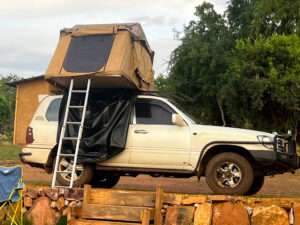
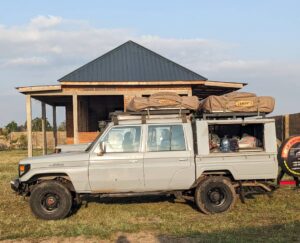
Driving inside the crater requires a reliable four-wheel-drive vehicle. The descent roads are steep and can become muddy or slippery, particularly during the rainy season.
Safari vehicles commonly used in the region include models such as the Toyota Land Cruiser or Toyota Hilux, which are well suited for rough terrain.
Recommended vehicle features include:
-
Four-wheel drive capability
-
High ground clearance
-
Good off-road tires
-
Spare tires and recovery equipment
-
Adequate fuel supply
Although the crater roads are maintained, conditions can change quickly due to rain, wildlife crossings, or heavy vehicle traffic.
Without a 4×4 vehicle, descending into the crater can be risky and in some cases impossible.
Entry Gates and Access Points
To access the crater, visitors must enter through official gates within the Ngorongoro Conservation Area.
The most commonly used gate for travelers coming from northern Tanzania is the Loduare Gate, especially for those traveling from nearby towns such as Arusha or Karatu.
Once inside the conservation area, drivers will continue toward the crater rim before descending using one of the designated access roads.
Two primary routes lead down to the crater floor:
-
Seneto Descent Road
-
Lerai Descent Road
Park authorities control traffic flow along these roads to ensure safety and reduce congestion.
Park Fees and Crater Service Fees
Visitors planning to self-drive in the crater must pay several mandatory fees.
These usually include:
-
Conservation Area Entry Fee – charged per person entering the park
-
Crater Service Fee – required for vehicles descending to the crater floor
-
Vehicle Entry Fee – based on the type of vehicle
Fees are typically paid through the official park payment system before entry. Since park fees change occasionally, travelers should confirm current rates before visiting.
Time Limits Inside the Crater
One important rule that self-driving visitors should be aware of is the time restriction on the crater floor.
Vehicles are usually allowed to remain inside the crater for a maximum of six hours per visit.
This rule helps control vehicle numbers, minimize environmental impact, and ensure that visitors have fair access to the wildlife viewing areas.
Most safari itineraries therefore begin early in the morning, allowing visitors to maximize their time before exiting the crater.
Wildlife You Can See in the Crater
The Ngorongoro Crater is one of the best places in Africa to see a wide variety of wildlife in a single day.
Animals commonly spotted include:
-
Lions
-
African elephants
-
Cape buffalo
-
Zebras
-
Wildebeest
-
Hyenas
-
Jackals
-
Hippos
-
Flamingos
One of the crater’s most famous residents is the critically endangered black rhinoceros, making the area one of the best places in East Africa to see this rare species in the wild.
The crater is also home to thousands of birds, especially around Lake Magadi, a shallow alkaline lake that attracts flamingos and other waterbirds.
Safety Rules While Self-Driving
Because the crater is home to large and sometimes dangerous animals, strict safety rules apply to all visitors.
Important guidelines include:
Stay inside your vehicle
Leaving your vehicle is only allowed at designated picnic areas.
Keep a safe distance from wildlife
Animals may appear calm but can react unpredictably.
Do not feed animals
Feeding wildlife disrupts natural behavior and is strictly prohibited.
Stay on marked roads
Off-road driving damages fragile ecosystems and is not allowed.
Drive slowly
Many animals cross the roads unexpectedly.
Following these rules helps ensure both visitor safety and wildlife protection.
Challenges of Self-Driving in the Crater
Although self-driving is possible, it is not always easy.
Several challenges include:
Navigation difficulties
Without a guide, locating animals can be harder because safari guides communicate with each other using radios.
Road conditions
Heavy rain can make some roads muddy and slippery.
Wildlife unpredictability
Animals sometimes block roads or approach vehicles.
Limited mechanical assistance
If your vehicle breaks down, help may not be immediately available.
For these reasons, travelers who are unfamiliar with African safari driving conditions often prefer guided tours.
Benefits of Hiring a Local Safari Guide
Even though self-driving is allowed, many visitors choose guided safaris for several advantages.
Professional guides:
-
Know the best wildlife viewing areas
-
Understand animal behavior
-
Communicate with other guides via radio
-
Handle park logistics and navigation
-
Provide detailed knowledge about the ecosystem
Guides also improve your chances of spotting rare species like rhinos and leopards.
Best Time of Day for a Crater Safari
Early morning is widely considered the best time to explore the Ngorongoro Crater.
Wildlife is most active during the cooler hours after sunrise, and the morning light creates ideal conditions for photography.
Many safari vehicles descend into the crater shortly after the gates open, allowing visitors to enjoy wildlife viewing before the midday heat.
Best Time of Year to Visit
The crater offers excellent wildlife viewing throughout the year, but certain seasons offer different advantages.
Dry Season (June – October)
-
Easier driving conditions
-
Wildlife gathers near water sources
-
Clear skies and great visibility
Green Season (November – May)
-
Beautiful landscapes and lush vegetation
-
Fewer tourists
-
Excellent bird watching
However, during heavy rains, some roads may become more difficult for self-drive travelers.
Planning Your Self-Drive Safari
If you plan to self-drive in the crater, preparation is essential.
Important planning tips include:
-
Rent a reliable 4×4 vehicle
-
Check weather and road conditions
-
Carry extra water and supplies
-
Download offline maps
-
Confirm park fee payment procedures
-
Start your safari early in the morning
Being well prepared ensures a smoother and more enjoyable experience.
Conclusion
Exploring the Ngorongoro Crater by self-drive can be an unforgettable adventure. With its breathtaking landscapes, dense wildlife populations, and dramatic volcanic scenery, the crater offers one of the most extraordinary safari experiences in Africa.
While driving yourself provides freedom and flexibility, it also requires proper preparation, a capable vehicle, and a strong understanding of park rules. For travelers who prefer expert guidance and increased wildlife sightings, guided safaris remain an excellent alternative.
Whether you choose to explore independently or with a guide, visiting the Ngorongoro Conservation Area will undoubtedly be one of the highlights of any journey through Tanzania.
The crater’s remarkable ecosystem, stunning scenery, and extraordinary wildlife make it a destination that every safari enthusiast should experience at least once in their lifetime. 🌍🦁🐘