
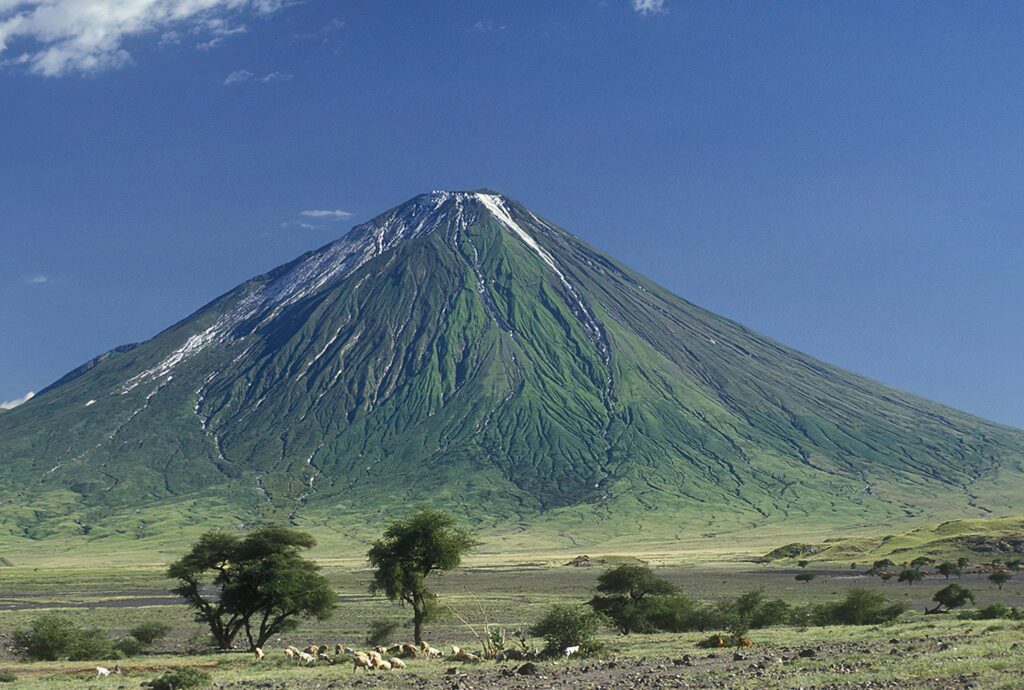
Lemosho Route on Mount Kilimanjaro: A Journey Through Five Climate Zones
Climbing Mount Kilimanjaro is one of the most iconic adventures in Africa, and among its many routes, the Lemosho Route stands out as the most scenic, diverse, and rewarding. Known for its high summit success rate and breathtaking landscapes, this route offers trekkers an unforgettable journey through five distinct climate zones—from lush rainforest to the icy Arctic summit.
Whether you’re a first-time trekker or an experienced adventurer, the Lemosho Route provides the perfect balance of beauty, acclimatization, and wilderness. This comprehensive guide will walk you through everything you need to know about this remarkable route.
Overview of the Lemosho Route
The Lemosho Route approaches Kilimanjaro from the western side, starting in a remote and less crowded area. It typically takes 7 to 8 days to complete, allowing for a gradual ascent that significantly improves acclimatization and increases summit success rates.
Trekkers begin their journey in pristine rainforest and gradually merge with the Machame Route near Lava Tower, continuing together toward the summit. The route’s extended itinerary provides ample time to adapt to altitude changes, making it one of the most recommended options for climbers.
Key Highlights:
- Duration: 7–8 days
- Difficulty: Moderate to challenging
- Success Rate: High (due to better acclimatization)
- Scenery: Exceptional and diverse
- Traffic: Low at the start, moderate toward summit
A Journey Through Five Climate Zones
One of the most unique aspects of the Lemosho Route is its passage through five ecological zones, each offering distinct landscapes, weather conditions, and experiences.
1. Cultivation Zone (800m – 1,800m)
Your adventure begins at the foothills of Kilimanjaro, where fertile farmland and rural communities dominate the landscape. This zone is characterized by banana plantations, coffee farms, and small homesteads.
The climate here is warm and humid, providing a gentle introduction to the trek. Although you won’t spend much time in this zone, it offers a glimpse into the daily lives of the local Chagga people who inhabit the region.
2. Rainforest Zone (1,800m – 2,800m)
As you enter the rainforest, the environment changes dramatically. Towering trees, dense undergrowth, and thick moss create a lush and vibrant ecosystem. The air becomes cooler, and rainfall is common, making the trails occasionally muddy and slippery.
Wildlife sightings are possible here, including colobus monkeys, blue monkeys, and a variety of bird species. The sounds of the forest and the misty atmosphere make this section both enchanting and immersive.
3. Moorland Zone (2,800m – 4,000m)
The forest gradually gives way to open moorland, where the vegetation becomes shorter and more adapted to the cooler, drier climate. This zone is known for its surreal plant life, including giant lobelias and senecios—plants found almost nowhere else on Earth.
The landscape opens up, offering sweeping views of the Shira Plateau and the vast plains below. Temperatures begin to drop, especially at night, and the air becomes noticeably thinner.
This is also where acclimatization becomes increasingly important, as your body starts adjusting to higher altitudes.
4. Alpine Desert Zone (4,000m – 5,000m)
The alpine desert is a stark and dramatic contrast to the lush rainforest below. Vegetation is minimal, and the terrain is dominated by volcanic rock, dust, and wide-open expanses.
Days can be surprisingly hot due to direct sunlight, while nights are extremely cold. The air is dry, and the reduced oxygen levels make trekking more physically demanding.
Notable landmarks in this zone include:
- Shira Plateau – One of the highest plateaus in the world
- Lava Tower – A key acclimatization point
This section is both challenging and awe-inspiring, offering some of the most dramatic scenery on the mountain.
5. Arctic Summit Zone (5,000m – 5,895m)
The final stage of the climb takes you into the Arctic zone—a harsh, high-altitude environment characterized by freezing temperatures, strong winds, and glaciers.
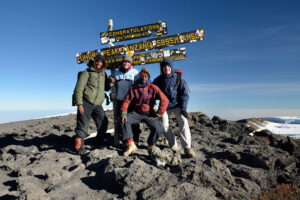
Summit night begins in darkness, with trekkers ascending slowly under the stars. Reaching Uhuru Peak at 5,895 meters is a moment of triumph and one of the greatest achievements in adventure travel.
At the summit, you are rewarded with breathtaking views above the clouds, glaciers shimmering in the early morning light, and the unforgettable sense of standing on the roof of Africa.
Typical Lemosho Route Itinerary (8 Days)
Day 1: Londorossi Gate to Mti Mkubwa Camp (Rainforest)
Day 2: Mti Mkubwa to Shira 1 Camp (Moorland)
Day 3: Shira 1 to Shira 2 Camp
Day 4: Shira 2 to Lava Tower to Barranco Camp (Acclimatization)
Day 5: Barranco Camp to Karanga Camp
Day 6: Karanga to Barafu Camp
Day 7: Summit (Uhuru Peak) and descend to Mweka Camp
Day 8: Mweka Camp to Mweka Gate
This itinerary is designed to maximize acclimatization and increase your chances of reaching the summit successfully.
Why Choose the Lemosho Route?
1. Best Acclimatization Profile
The longer duration allows your body to adjust gradually to altitude, significantly reducing the risk of altitude sickness.
2. Unmatched Scenic Beauty
From rainforest to glaciers, the Lemosho Route showcases Kilimanjaro’s full ecological diversity.
3. Less Crowded Start
Unlike other routes, Lemosho begins in a remote area, offering a more peaceful and intimate trekking experience.
4. High Summit Success Rate
Thanks to its gradual ascent and “climb high, sleep low” approach, Lemosho boasts one of the highest success rates on the mountain.
Best Time to Climb
The best times to trek Mount Kilimanjaro via the Lemosho Route are:
- January to mid-March – Clear skies and moderate temperatures
- June to October – Dry season with excellent visibility
Avoid the rainy seasons (April–May and November) for a more comfortable trekking experience.
Essential Packing List
To ensure a safe and comfortable climb, pack the following essentials:
- Layered clothing for varying temperatures
- Waterproof jacket and pants
- Insulated sleeping bag
- Hiking boots and trekking poles
- Headlamp and extra batteries
- Gloves, hat, and sunglasses
- Reusable water bottles or hydration system
Tips for a Successful Climb
- Go Pole Pole (Slowly, Slowly): Take your time to conserve energy and aid acclimatization
- Stay Hydrated: Drink plenty of water throughout the trek
- Listen to Your Guide: Professional guides monitor your health and pace
- Train in Advance: Build endurance with regular hiking and cardio exercises
- Mental Preparation: A positive mindset is key to reaching the summit
Final Thoughts
The Lemosho Route is more than just a path to the summit of Mount Kilimanjaro—it is a journey through nature’s most diverse and awe-inspiring landscapes. From the vibrant rainforest to the frozen Arctic summit, every step offers a new perspective and a deeper connection to the mountain.
For those seeking the ultimate Kilimanjaro experience, the Lemosho Route delivers unmatched beauty, better acclimatization, and a truly unforgettable adventure.