
Self-Drive Safari in Serengeti vs Maasai Mara for the Great Migration
Planning a self-drive safari in East Africa is one of the most exciting travel decisions you can make. The idea of navigating vast savannahs, spotting wildlife on your own terms, and experiencing the raw beauty of nature without a guide is incredibly appealing. But when it comes to the Great Migration, choosing between the Serengeti in Tanzania and the Maasai Mara in Kenya can be confusing.
This guide breaks down everything you need to know about self-driving in both destinations, especially if your main goal is to witness the Great Migration.
Understanding the Great Migration
The Great Migration is one of the most spectacular wildlife events on Earth. Each year, over 1.5 million wildebeest, along with hundreds of thousands of zebras and gazelles, move in a circular route between Tanzania’s Serengeti and Kenya’s Maasai Mara in search of fresh grazing.
This movement is not random. It is driven by rainfall patterns and the availability of grass. The migration is continuous, meaning animals are always on the move, but certain periods are more dramatic and easier to witness.
Key phases include:
- Calving season (January to March) in the southern Serengeti
- Grumeti River crossings (May to June) in the western Serengeti
- Mara River crossings (July to October) between northern Serengeti and Maasai Mara
For most travelers, the river crossings are the highlight, where massive herds attempt to cross crocodile-filled rivers in chaotic and dramatic scenes.
What is a Self-Drive Safari?
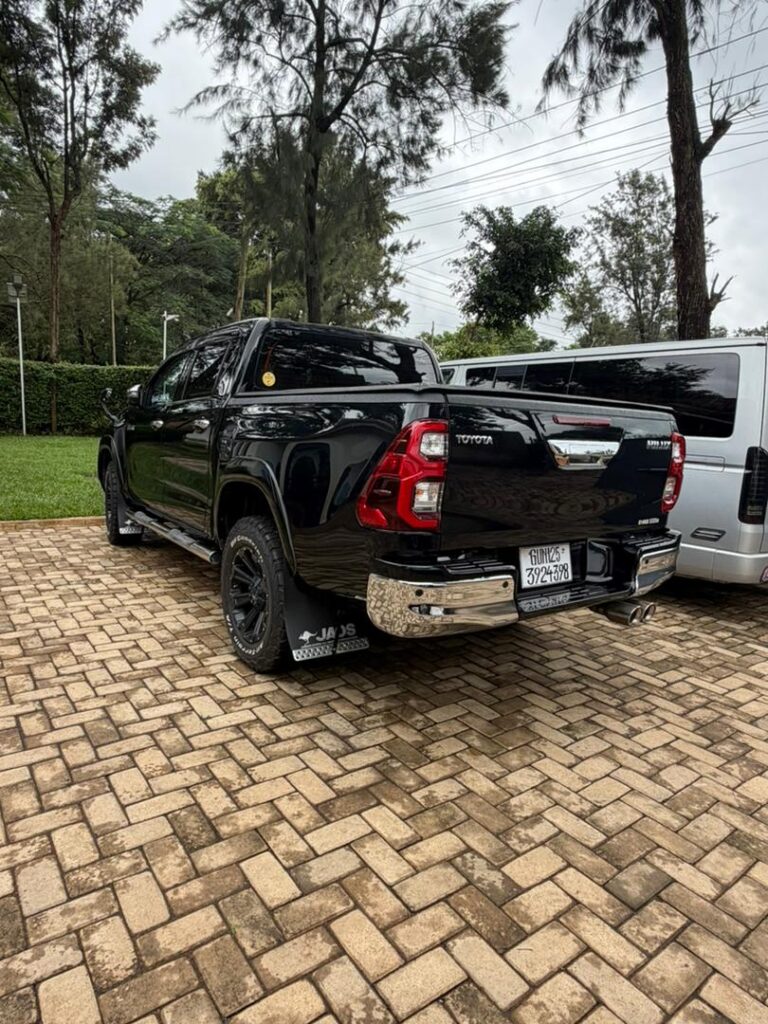
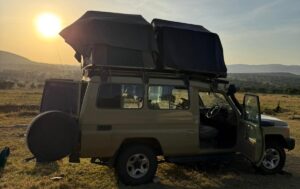
A self-drive safari means renting a 4×4 vehicle and navigating national parks on your own, without a professional guide or driver. It offers complete freedom—you decide where to go, how long to stay, and what to prioritize.
However, it also comes with responsibility. You must:
- Navigate unfamiliar terrain
- Understand wildlife behavior and safety
- Handle vehicle issues in remote areas
- Plan fuel, food, and accommodation carefully
Self-drive safaris are common in Southern Africa (like Namibia and South Africa), but East Africa presents additional challenges.
Self-Driving in the Serengeti
Overview
The Serengeti is covering around 14,750 square kilometers. It is one of the most iconic safari destinations in the world, known for its endless plains and high concentration of predators.
Self-driving here is possible, but it is not easy.
Road Conditions
Roads in the Serengeti are mostly dirt tracks. During the dry season, they can be dusty and corrugated. In the wet season, they become muddy and sometimes impassable.
You will encounter:
- Deep ruts
- River crossings without bridges
- Poorly marked routes
- Long distances without services
A high-clearance 4×4 vehicle (preferably a Land Cruiser) is essential.
Navigation Challenges
The Serengeti is not well signposted. GPS works, but you will often rely on offline maps and basic navigation skills.
Unlike guided safaris, you won’t have access to radio communication between drivers, which is how most guides locate wildlife sightings.
This means:
- You may spend hours without seeing major animals
- You could miss key migration moments
- Getting lost is a real possibility
Accessibility
From Arusha, the main gateway city in Tanzania, reaching the Serengeti takes approximately 8 to 10 hours by road. The journey itself can be tiring and requires planning, especially fuel stops.
Alternatively, you can fly into airstrips within the park, but that defeats the purpose of a full self-drive experience.
Wildlife Viewing Experience
The Serengeti offers incredible wildlife density, especially predators like lions, cheetahs, and leopards. However, because of its size, sightings depend heavily on luck and experience.
If you are specifically chasing the migration, you must be in the right region at the right time. Being even 50–100 kilometers off can mean missing the action entirely.
Pros of Self-Drive in Serengeti
- Ultimate sense of adventure
- Less crowded in many areas
- Vast landscapes and diverse ecosystems
- Opportunity for deep exploration
Cons of Self-Drive in Serengeti
- Difficult navigation
- Long travel distances
- Limited support in case of breakdowns
- Harder to locate migration herds
Self-Driving in the Maasai Mara
Overview
The Maasai Mara is smaller than the Serengeti but forms part of the same ecosystem. It is one of the best places in Africa to see wildlife, especially during migration season.
For self-drive travelers, it is significantly more accessible.
Road Conditions
The roads leading to the Maasai Mara from Nairobi are mostly paved until you reach the park gates. Inside the reserve, roads are still rough but generally easier to manage than in the Serengeti.
You will still need a 4×4 vehicle, but conditions are less extreme.
Navigation
The Mara is more compact and easier to navigate. While signage is still limited, the smaller size means you are less likely to get lost for long periods.
Additionally, the density of vehicles during peak season means you can often follow other cars to sightings.
Accessibility
From Nairobi, the Maasai Mara is about a 5 to 6-hour drive. This makes it much more accessible for shorter trips or first-time safari-goers.
Wildlife Viewing Experience
The Mara is famous for its high concentration of wildlife in a relatively small area. During migration season (July to October), large herds gather here, and river crossings are more predictable than in the Serengeti.
This makes it easier for self-drive travelers to witness dramatic scenes without expert guidance.
Pros of Self-Drive in Maasai Mara
- Easier navigation
- Higher chance of sightings in shorter time
- Better road access
- Ideal for beginners
Cons of Self-Drive in Maasai Mara
- Can be crowded during peak season
- Slightly less wilderness feel compared to Serengeti
- Still requires off-road driving skills
Migration Timing: Where Should You Go?
Your decision should largely depend on when you plan to travel.
January to March (Calving Season)
- Best location: Southern Serengeti
- Highlights: Thousands of wildebeest calves born daily
- Predator activity is very high
This is not ideal for self-drive beginners due to the remoteness of the area.
April to June (Movement North)
- Best location: Central and Western Serengeti
- Highlights: Herds on the move, fewer crowds
Roads can be challenging due to rain.
July to October (River Crossings)
- Best location: Northern Serengeti and Maasai Mara
- Highlights: Dramatic Mara River crossings
This is the best time for self-drive in the Maasai Mara.
November to December (Return South)
- Best location: Eastern Serengeti
- Highlights: Herds moving back toward calving grounds
Less predictable and more spread out.
Can You Combine Both on a Self-Drive?
In theory, yes. In practice, it is very complicated.
Crossing the border between Tanzania and Kenya with a rental vehicle involves:
- Special permits
- High fees
- Insurance complications
- Long delays at border crossings
Most rental companies do not allow cross-border travel into national parks.
The realistic options are:
- Rent separate vehicles in each country
- Fly between destinations
- Choose one destination for your trip
Costs Comparison
Self-drive is not necessarily cheap in East Africa.
Typical costs include:
- 4×4 rental: $120–$250 per day
- Park fees: $60–$100 per person per day
- Vehicle entry fees
- Fuel (significant in Serengeti)
- Camping or lodge accommodation
The Serengeti tends to be more expensive due to distance and logistics.
Safety Considerations
Driving in wildlife areas requires caution.
Key safety tips:
- Never leave your vehicle near predators
- Keep windows mostly closed
- Avoid driving at night
- Carry extra fuel, water, and food
- Inform someone of your route
Breakdowns in remote areas can take hours to resolve.
Final Recommendation
If your main goal is to experience the Great Migration on a self-drive safari, the Maasai Mara is the more practical and rewarding choice.
It offers:
- Easier access
- Better chances of seeing migration action
- Less logistical complexity
The Serengeti, while more iconic and expansive, is better suited for guided safaris unless you are highly experienced and seeking a challenging adventure.
Conclusion
A self-drive safari in East Africa can be one of the most rewarding travel experiences, but it requires careful planning and realistic expectations.
If you want simplicity and strong wildlife sightings, choose the Maasai Mara.
If you want adventure, scale, and a deeper sense of wilderness, the Serengeti delivers—but it demands more from you.
Ultimately, both destinations are extraordinary. The best choice depends on your experience level, travel style, and how much challenge you are willing to embrace.