
The Ultimate Kilimanjaro Climb and Independent Safari Experience in Tanzania
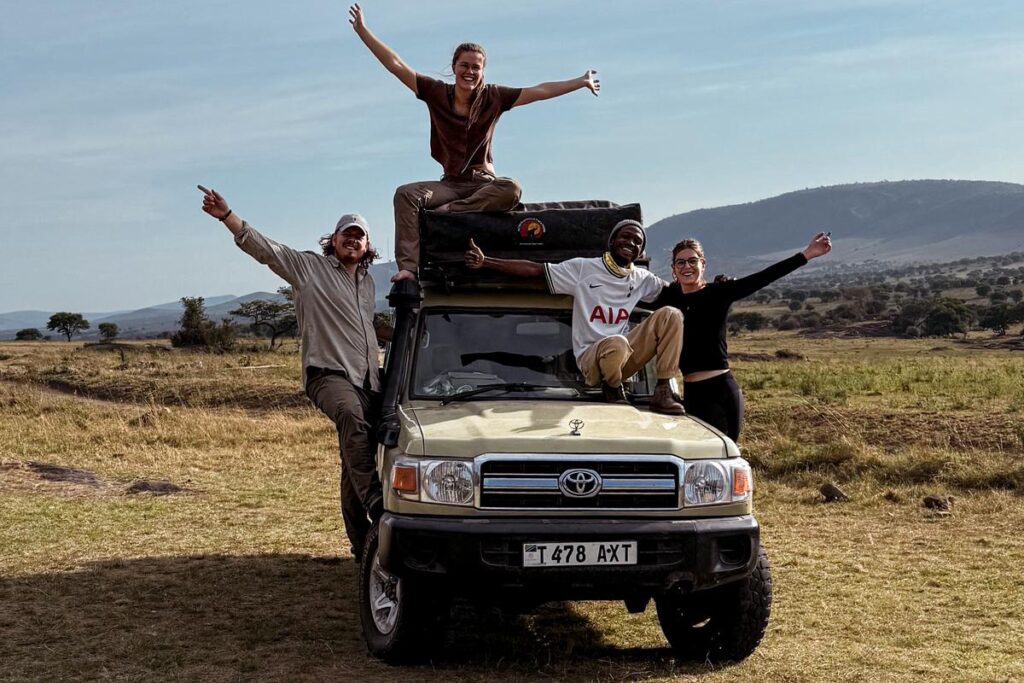
Tanzania stands as one of Africa’s most rewarding travel destinations, offering a rare combination of towering mountains, world-famous wildlife parks, and rich cultural heritage. For adventurous travelers seeking both a physical challenge and the freedom of independent exploration, combining a climb via the Marangu Route on Mount Kilimanjaro with a Tanzania self-drive safari is the ultimate itinerary.
This unique travel style allows you to experience the structured, guided ascent to the summit of Africa’s highest peak, followed by the flexibility and thrill of navigating Tanzania’s iconic safari circuit at your own pace. From standing atop Uhuru Peak to witnessing lions roam the plains of Serengeti National Park, this journey delivers a complete and unforgettable African adventure.
Why Combine the Marangu Route with a Self-Drive Safari?
Blending a Kilimanjaro climb with a self-drive safari offers the best of both worlds—guided expertise and independent exploration.
1. A Balanced Adventure
Climbing Kilimanjaro requires certified guides and porters, providing safety and support. After the climb, a self-drive safari gives you full control over your schedule, routes, and experiences.
2. Cost Efficiency
Self-drive safaris are generally more affordable than fully guided safaris. By combining both, you optimize costs while still enjoying a premium experience.
3. Diverse Landscapes
In one trip, you’ll traverse:
- Tropical rainforests
- Alpine deserts
- Snow-capped peaks
- Vast savannah plains
4. Personal Freedom
A self-drive safari allows spontaneous stops, longer wildlife viewing, and a deeper connection with nature.
Understanding the Marangu Route
The Marangu Route is one of the most popular trails on Kilimanjaro and is often referred to as the “Coca-Cola Route” due to its relative comfort and hut accommodations.
Key Characteristics
- Only Kilimanjaro route with permanent hut accommodations
- Gradual slope, making it suitable for beginners
- Shorter duration (5–6 days)
- Ascend and descend via the same path
While it may be less scenic than routes like Machame or Lemosho, it still offers incredible views and a rewarding summit experience.
Detailed 6-Day Marangu Route Itinerary
Day 1: Marangu Gate to Mandara Hut
Your adventure begins at Marangu Gate, where registration formalities take place. The trek starts through dense rainforest filled with unique flora and fauna. Expect sightings of colobus monkeys and vibrant birdlife.
- Hiking time: 4–5 hours
- Habitat: Rainforest
Day 2: Mandara Hut to Horombo Hut
The trail gradually opens into moorland, revealing spectacular views of Mawenzi Peak. Vegetation becomes sparse, and the air cooler.
- Hiking time: 6–7 hours
- Habitat: Moorland
Day 3: Acclimatization at Horombo Hut
A crucial day for altitude adjustment. Optional hikes to Zebra Rocks or Mawenzi Ridge help improve acclimatization and increase summit success rates.
Day 4: Horombo Hut to Kibo Hut
The landscape transforms into an alpine desert. The terrain is rocky and dry, with stunning views of Kibo’s summit.
- Hiking time: 5–6 hours
- Habitat: Alpine desert
Day 5: Summit Day – Uhuru Peak
Starting at midnight, you ascend slowly under the stars toward Gilman’s Point, then continue to Uhuru Peak. Reaching the summit at sunrise is a life-changing moment.
After celebrating, descend back to Horombo Hut.
- Hiking time: 10–14 hours
Day 6: Horombo Hut to Marangu Gate
A final descent through moorland and rainforest marks the end of your climb.
Preparing for Kilimanjaro
Preparation is essential for a successful summit.
Physical Preparation
- Cardiovascular training (running, hiking, cycling)
- Strength training for endurance
- Practice hikes with elevation gain
Packing Essentials
- Layered clothing for extreme weather changes
- Quality hiking boots
- Sleeping bag (even though huts are provided)
Health Considerations
Altitude sickness is the biggest challenge. Proper acclimatization, hydration, and a slow pace are key.
Beginning Your Tanzania Self-Drive Safari
After your climb, you’ll return to Arusha, which serves as the gateway to Tanzania’s northern safari circuit.
Here, you’ll pick up your rental 4×4 vehicle and begin your independent safari adventure.
Choosing the Right Safari Vehicle
A proper safari vehicle is essential for comfort and safety.
Recommended Features
- 4×4 capability
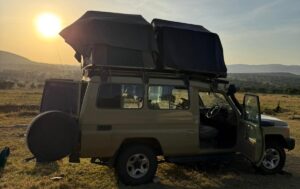
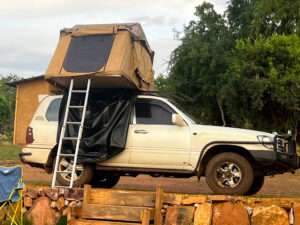
- Rooftop tent or camping gear
- Spare tires and recovery equipment
- Fridge or cooler box
Reliable rental companies in Arusha provide fully equipped vehicles and route briefings.
Suggested 10-Day Self-Drive Safari Itinerary
Day 1: Arusha to Tarangire
Start your journey at Tarangire National Park, known for its large elephant populations and iconic baobab trees.
Day 2–3: Tarangire Exploration
Spend time exploring the Tarangire River ecosystem, where wildlife gathers during the dry season.
Day 4: Lake Manyara National Park
Drive to Lake Manyara National Park, famous for its tree-climbing lions and flamingos.
Day 5–7: Serengeti National Park
Head toward the legendary Serengeti National Park. Enjoy endless plains filled with wildlife, including lions, cheetahs, and wildebeest.
Day 8: Ngorongoro Crater
Descend into the breathtaking Ngorongoro Crater, home to one of Africa’s densest wildlife populations.
Day 9: Cultural Experience
Visit Maasai communities or local markets around Karatu.
Day 10: Return to Arusha
End your safari and prepare for departure or a Zanzibar extension.
Self-Drive Safari Tips
Navigation
- Use offline apps like Maps.me
- Carry a physical map as backup
Driving Advice
- Drive slowly on rough roads
- Avoid night driving
- Always refuel when possible
Wildlife Etiquette
- Maintain safe distances
- Never feed animals
- Respect park rules
Cost Breakdown
Marangu Route Climb
- Park fees: $800–$1,000
- Guide & porter fees: $600–$1,000
- Accommodation & meals: Included
- Total: $1,500–$2,500 per person
Self-Drive Safari Costs
Vehicle Rental
- $80–$150 per day
Fuel
- $30–$60 per day
Park Fees
- $50–$80 per person per day
Accommodation
- Budget camping: $20–$50
- Lodges: $100–$300+
Total Trip Estimate
- Budget: $2,500–$3,500
- Mid-range: $3,500–$5,500
- Luxury: $6,000+
Best Time to Travel
Ideal Seasons
- January to March – Clear skies, fewer crowds
- June to October – Dry season, best wildlife viewing
Avoid
- April–May (heavy rains)
Advantages of This Combined Adventure
- Experience Tanzania’s top highlights in one trip
- Balance between guided and independent travel
- Greater flexibility and control
- Opportunity for deeper exploration
Final Thoughts
Combining the Marangu Route climb on Mount Kilimanjaro with a Tanzania self-drive safari creates a truly immersive and diverse adventure. From conquering Africa’s highest peak to exploring its most iconic wildlife destinations, this journey offers unmatched variety and excitement.
Whether you’re watching the sunrise from Uhuru Peak or navigating the endless plains of Serengeti National Park, you’ll experience Tanzania in its most authentic and unforgettable form.