
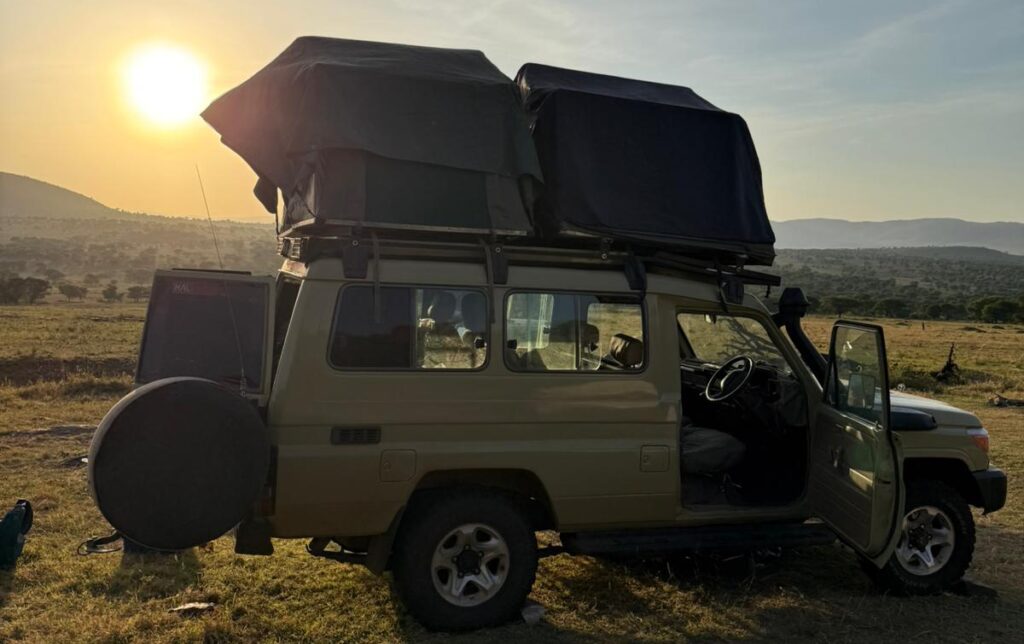
Ngorongoro Self-Drive Safari: The Ultimate Guide for an Unforgettable Adventure
A self-drive safari through the breathtaking Ngorongoro Conservation Area is one of the most rewarding and immersive wildlife experiences in Africa. Unlike guided tours, self-driving gives you the freedom to explore at your own pace, stop where you want, and truly connect with nature.
From the moment you descend into the Ngorongoro Crater—often referred to as Africa’s “Garden of Eden”—you’ll encounter an incredible concentration of wildlife, including lions, elephants, zebras, flamingos, and even the rare black rhino.
But while the experience is magical, it requires careful planning. This guide covers everything you need to know to successfully plan and execute a Ngorongoro self-drive safari.
What Makes Ngorongoro Perfect for Self-Drive Safaris?
The Ngorongoro Crater is the world’s largest intact volcanic caldera and a UNESCO World Heritage Site. Its enclosed ecosystem makes wildlife viewing relatively easy—even for first-time safari drivers.
Key Highlights:
- High density of wildlife in a compact area
- Well-maintained (but rugged) road network
- Clearly marked routes
- Strong ranger presence for safety
Unlike vast parks like the Serengeti National Park, Ngorongoro offers a more concentrated safari experience, ideal for self-drivers.
Best Time for a Ngorongoro Self-Drive Safari
Ngorongoro is a year-round destination, but timing can significantly affect your experience.
Dry Season (June to October)
- Best for wildlife viewing
- Roads are easier to navigate
- Cooler temperatures
Wet Season (November to May)
- Lush green landscapes
- Fewer tourists
- More challenging driving conditions
💡 Pro Tip: If you’re new to self-driving, visit during the dry season for safer road conditions.
Getting There: Self-Drive Routes to Ngorongoro
Most travelers begin their journey from Arusha, the safari capital of Tanzania.
Common Route:
Arusha → Karatu → Ngorongoro Gate
- Distance: ~180 km
- Driving Time: 3–4 hours
- Road Type: Tarmac + gravel
Karatu is the last major town before entering the conservation area and serves as an important stop for fuel, food, and supplies.
Permits, Fees, and Entry Requirements
To enter the Ngorongoro Conservation Area, you’ll need to pay several fees:
Main Costs:
- Conservation Area Entry Fee (per person, per day)
- Vehicle Entry Fee
- Crater Service Fee (for descending into the crater)
Fees are managed by the Ngorongoro Conservation Area Authority.
💡 Important: Fees are typically valid for 24 hours and are subject to change, so always confirm current rates before your trip.
Choosing the Right Vehicle for Self-Drive
A proper safari vehicle is essential—this is not a trip for standard cars.
Recommended Vehicles:
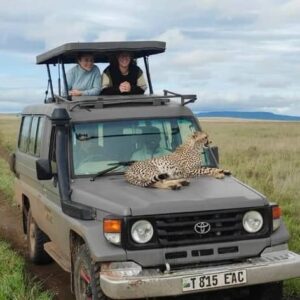
- Toyota Land Cruiser (most reliable)
- Toyota Prado
- 4×4 vehicles with high clearance and low-range gears
Must-Have Features:
- Spare tire (preferably two)
- Working 4WD system
- Good suspension
- GPS or offline navigation
❌ Avoid 2WD vehicles, especially during rainy seasons.
Essential Packing List for Ngorongoro Self-Drive
There are no shops or fuel stations inside the crater, so preparation is key.
Must-Bring Items:
- 3–5 liters of water per person
- Packed lunch (picnic sites available)
- Snacks and energy foods
- Sunscreen and hat
- Binoculars and camera
- First aid kit
- Spare tire and jack
Driving Tips for Ngorongoro Crater
Driving inside Ngorongoro is very different from normal road driving.
Crater Descent Tips:
- Use low gear (L or 1st gear)
- Avoid excessive braking
- Drive slowly and steadily
- Keep distance from other vehicles
The descent road is steep and can be slippery, especially after rain.
Wildlife Safety Rules
Ngorongoro is home to dangerous wildlife, so strict safety practices are essential.
Key Rules:
- Stay inside your vehicle at all times (except designated areas)
- Do not feed animals
- Keep windows partially closed near predators
- Maintain a safe distance
You may encounter:
- Lions
- Elephants
- Buffalo
- Rhinos
Best Places to Visit Inside the Crater
Once inside the crater, focus on these wildlife-rich areas:
1. Lerai Forest
Famous for elephants and leopards.
2. Lake Magadi
Seasonal lake with flamingos.
3. Ngoitokitok Springs
A popular picnic spot with hippos.
Time Limits Inside the Crater
Visitors are typically allowed:
- Maximum 6 hours inside the crater
Strategy:
- Enter early (around 6:00 AM)
- Plan your route in advance
- Prioritize key wildlife areas
Where to Stay for a Self-Drive Safari
Budget to Mid-Range:
Stay in Karatu
Luxury:
Crater rim lodges with stunning views
Camping:
- Simba Campsite (on crater rim)
Fuel and Supplies
Fuel up before entering the conservation area.
Best Places:
- Karatu
- Arusha
There are no fuel stations inside Ngorongoro.
Offline Navigation and Connectivity
Network coverage is limited.
Recommended Apps:
- Google Maps (offline)
- Maps.me
Download maps before leaving Arusha.
Weather Considerations
Weather can change quickly in Ngorongoro.
Rainy Season Challenges:
- Muddy roads
- Reduced visibility
- Higher risk of getting stuck
Always check conditions at the gate before entering.
Combining Ngorongoro with Other Safari Destinations
A Ngorongoro self-drive safari works best as part of a northern Tanzania circuit.
Recommended Add-Ons:
- Serengeti National Park
- Tarangire National Park
- Lake Manyara National Park
Estimated Costs for a Self-Drive Safari
Budget Breakdown (Per Day):
- Park fees: $70–$80 per person
- Crater fee: ~$300 per vehicle
- Vehicle rental: $150–$250 per day
- Fuel: $50–$100
💡 Prices vary depending on season and vehicle type.
Common Mistakes to Avoid
- Entering with a 2WD vehicle
- Not carrying enough water
- Ignoring weather conditions
- Arriving late and missing peak wildlife hours
- Not checking permit validity
Pro Tips for an Amazing Experience
- Start early for best wildlife sightings
- Bring a printed map as backup
- Drive slowly—wildlife can appear suddenly
- Be patient; great sightings take time
Sample 1-Day Ngorongoro Self-Drive Itinerary
6:00 AM: Enter gate and descend into crater
7:00 AM: Game drive in Lerai Forest
10:00 AM: Visit Lake Magadi
1:00 PM: Picnic at Ngoitokitok Springs
3:00 PM: Final game drive
4:00 PM: Exit crater
Is Ngorongoro Safe for Self-Drive?
Yes—if you follow the rules.
The presence of rangers and well-defined roads makes it relatively safe compared to more remote parks. However, self-drive requires responsibility, awareness, and preparation.
Conclusion: Is a Ngorongoro Self-Drive Safari Worth It?
Absolutely.
A self-drive safari in the Ngorongoro Conservation Area offers unmatched freedom, adventure, and connection with nature. Whether you’re watching lions hunt on the crater floor or enjoying a quiet picnic near a hippo pool, the experience is unforgettable.
With the right planning, vehicle, and mindset, your Ngorongoro self-drive safari can easily become the highlight of your Tanzania adventure.