
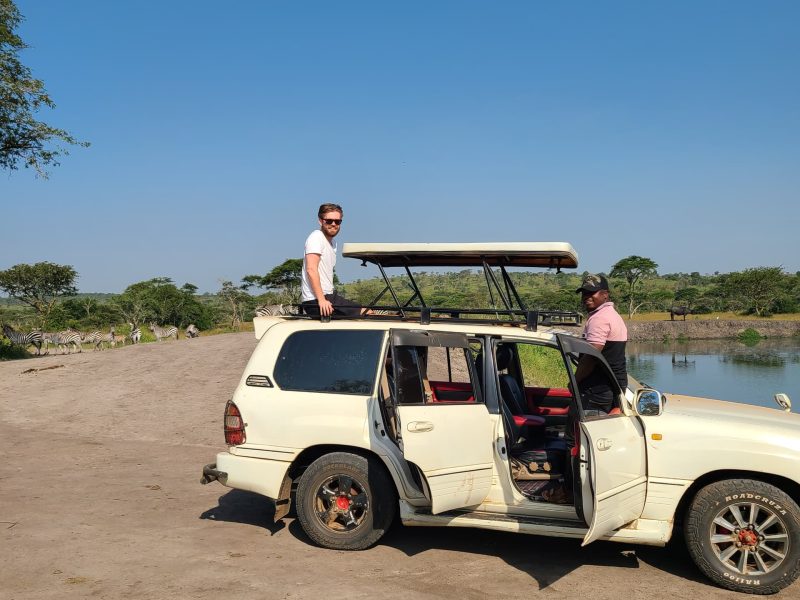
Self-Drive Safari in Tanzania During the Calving Season (January–March)
A self-drive safari in Tanzania during the Great Migration calving season is one of Africa’s most rewarding wildlife experiences. Between late January and early March, the southern Serengeti and Ndutu plains transform into a wildlife spectacle as hundreds of thousands of wildebeest give birth within a matter of weeks.
For adventurous travelers, exploring this phenomenon on a self-drive safari offers freedom, flexibility, and a deeper connection to the wilderness.
This guide covers everything you need to know to plan a successful self-drive safari in Tanzania during the calving season.
What Is the Calving Season?
The Great Migration is a year-round movement of over 1.5 million wildebeest, accompanied by zebras and gazelles, across Tanzania and Kenya .
During late January through February (sometimes into early March), the herds gather on the nutrient-rich short-grass plains of:
-
Ndutu (Ngorongoro Conservation Area)
-
Southern Serengeti (Kusini region)
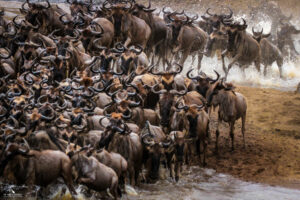
Within a short period, more than 500,000 wildebeest calves are born. This synchronized birthing strategy overwhelms predators and increases survival rates.
Why It’s Spectacular
-
Daily predator action (lions, cheetahs, hyenas, leopards)
-
Dramatic hunts on open plains
-
Thousands of newborn calves taking their first steps
-
Lush green landscapes during the rainy season
For photographers and wildlife enthusiasts, this is one of the most dynamic times to visit Tanzania.
Where to Go for a Self-Drive Safari
1. Ndutu Area (Top Recommendation)
Located within the Ngorongoro Conservation Area, Ndutu is the heart of calving season.
Advantages:
-
Off-road driving permitted (unlike most of Serengeti National Park)
-
High concentration of wildebeest
-
Excellent predator sightings
-
Open plains for easy wildlife viewing
Ndutu is ideal for self-drive travelers because the flexibility to go off-road allows better positioning for wildlife viewing.
2. Southern Serengeti (Kusini Plains)
This region forms part of Serengeti National Park and hosts major calving activity.
Key features:
-
Vast open plains
-
Strong cheetah and lion presence
-
Fewer lodges than central Serengeti
Note: Off-road driving is not allowed in the Serengeti National Park itself.
Is a Self-Drive Safari in Tanzania Realistic?
Yes — but it requires preparation.
Tanzania is more challenging for self-drive than Kenya due to:
-
Larger park areas
-
Limited road signage
-
Fewer nearby towns
-
Seasonal muddy conditions
You Will Need:
-
A reliable 4×4 Toyota Land Cruiser (not a standard SUV)
-
High-clearance vehicle
-
Dual spare tires
-
GPS with offline maps (Tracks4Africa recommended)
-
Recovery gear (sand tracks, shovel, air compressor)
-
Basic mechanical knowledge
February falls within the green season, meaning afternoon rains can create muddy conditions on dirt tracks.
Costs of a Self-Drive Safari During Calving Season
Tanzania’s park fees are relatively high, so budgeting is essential.
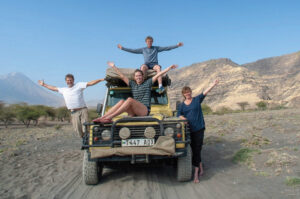
Estimated Daily Costs (Per Adult)
-
Serengeti National Park fee: approx. $83 per day
-
Ngorongoro Conservation Area fee: approx. $70 per day
-
Camping fees: $30–$60 per night
-
Lodge accommodation: $250–$600+ per night
-
4×4 rental: $150–$250 per day
Fuel, food supplies, and possible vehicle insurance add to the total cost.
While self-drive is cheaper than a fully guided private safari, it is not necessarily “budget travel.”
Accommodation Options
Public Campsites
-
Ndutu Public Campsite
-
Seronera Public Campsite (Central Serengeti)
Best for experienced overlanders who are fully equipped.
Mid-Range Lodges
-
Ndutu Safari Lodge
-
Lake Masek Tented Lodge
Good balance between comfort and proximity to wildlife.
Mobile Tented Camps
Luxury seasonal camps move with the migration and offer prime positioning during calving season.
Suggested 7-Day Self-Drive Itinerary
Day 1: Arrive in Arusha – pick up 4×4 vehicle
Day 2: Drive to Ngorongoro Conservation Area / Ndutu
Day 3–5: Explore Ndutu and Southern Serengeti plains
Day 6: Optional visit to Central Serengeti
Day 7: Return to Arusha
Driving times can be long due to road conditions. Plan conservatively and allow buffer time.
Weather During Calving Season
Calving season falls within Tanzania’s green season.
Expect:
-
Warm temperatures
-
Afternoon showers
-
Lush landscapes
-
Dramatic skies (excellent for photography)
-
Fewer tourists compared to peak river crossing season (July–September)
The rains can make some roads slippery, so careful driving is essential.
Advantages of a Self-Drive Safari
-
Complete freedom and flexibility
-
Ability to stay longer at sightings
-
Lower cost compared to private guided safaris
-
More adventurous and immersive experience
Challenges to Consider
-
No radio network for wildlife updates
-
Limited mechanical assistance inside parks
-
Long distances between fuel stations
-
Navigation can be difficult
-
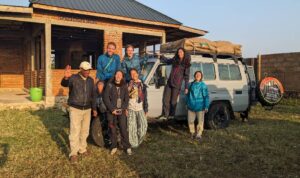
Recovery from mud may require assistance from other vehicles
Traveling with two vehicles is safer for remote exploration, especially during rainy months.
Who Should Choose Self-Drive?
A self-drive safari during calving season is best suited for:
-
Experienced overlanders
-
Confident off-road drivers
-
Photographers seeking flexibility
-
Travelers who enjoy independent travel
First-time safari visitors may benefit from hiring a professional guide to maximize wildlife sightings and minimize logistical stress.
Final Thoughts
A self-drive safari in Tanzania during the calving season offers front-row access to one of nature’s greatest wildlife events. Watching thousands of wildebeest give birth while predators patrol nearby is a raw, powerful experience that few destinations on Earth can match.
With the right vehicle, careful planning, and realistic expectations, self-driving the southern Serengeti and Ndutu plains can be an unforgettable adventure.
If you’re seeking freedom, dramatic wildlife action, and the thrill of navigating Africa’s wild landscapes on your own terms, the calving season in Tanzania may be the perfect safari for you.