
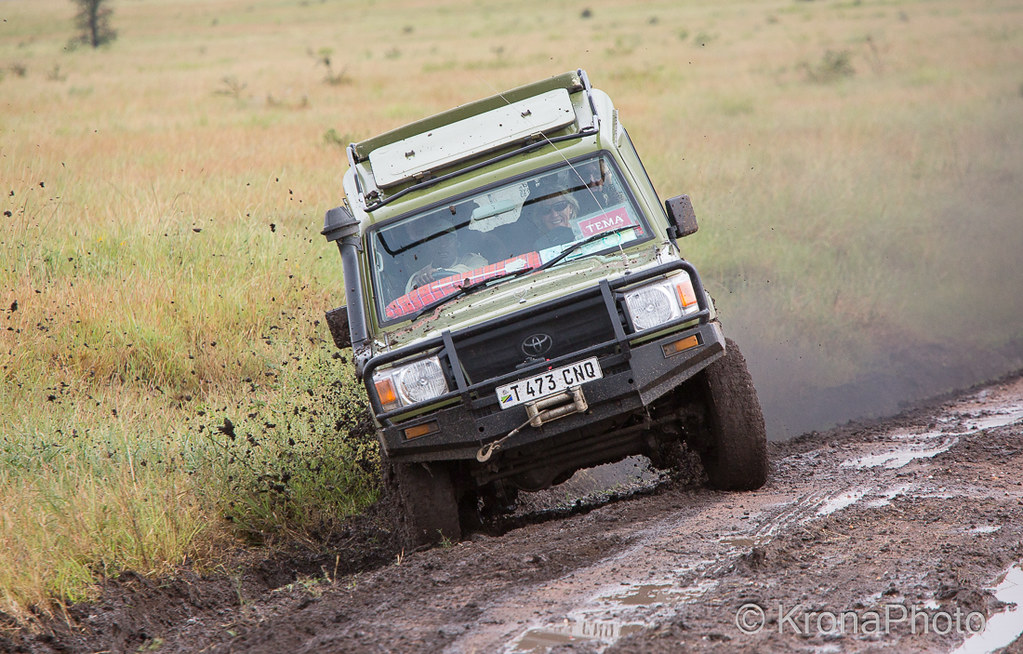
Tanzania Self-Drive Photographic Safaris
Explore Wild Tanzania at Your Own Pace
Tanzania is one of Africa’s premier wildlife destinations, offering vast savannahs, dramatic landscapes, and some of the highest concentrations of wildlife on the continent. A self-drive photographic safari in Tanzania gives you the freedom to explore these iconic destinations independently while capturing extraordinary wildlife moments on your own schedule.
Whether you are a professional photographer or an enthusiastic wildlife lover, self-drive safaris provide flexibility, adventure, and unforgettable photographic opportunities.
Why Choose a Self-Drive Photographic Safari in Tanzania?
A self-drive safari allows you to:
-
Travel at your own pace
-
Stop whenever wildlife appears
-
Spend more time at prime photography locations
-
Plan sunrise and sunset shoots freely
-
Access remote and less crowded areas
Unlike fixed guided tours, a self-drive experience gives you complete control over your itinerary and photography schedule.
Top Destinations for Self-Drive Photography in Tanzania
Serengeti National Park
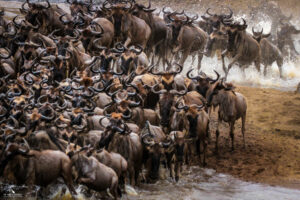
The Serengeti is world-renowned for the Great Wildebeest Migration, where millions of animals move across the plains in search of fresh grazing. It offers dramatic predator action, open landscapes, and exceptional golden-hour lighting.
Best time:
-
June–October (river crossings in Northern Serengeti)
-
December–March (calving season in Southern Serengeti)
Ngorongoro Crater
A UNESCO World Heritage Site, the Ngorongoro Crater provides one of the best opportunities to photograph the Big Five in a single day. The crater’s enclosed ecosystem makes wildlife viewing reliable year-round.
Tarangire National Park
Famous for its large elephant herds and iconic baobab trees, Tarangire offers striking compositions and fewer crowds compared to Serengeti.
Lake Manyara National Park
Known for tree-climbing lions, flamingos, and lush forest scenery, this park provides excellent diversity for photographers.
Lake Natron & Remote Northern Areas
For dramatic volcanic landscapes, flamingo breeding grounds, and cultural photography, Lake Natron offers a unique off-the-beaten-path experience.
Best Time for a Self-Drive Safari
Tanzania offers excellent wildlife photography throughout the year, but conditions vary by season:
Dry Season (June–October):
-
Easier driving conditions
-
Wildlife gathers around water sources
-
Clear skies and golden light
-
Peak safari season
Green Season (November–May):
-
Lush landscapes
-
Excellent bird photography
-
Fewer tourists
-
Calving season (January–March)
Choosing the Right Safari Vehicle
A reliable 4×4 vehicle is essential for Tanzania’s terrain. Most self-drive safaris use:
-
Toyota Land Cruiser (Hardtop or Pop-up Roof)
-
Toyota Hilux Double Cabin
-
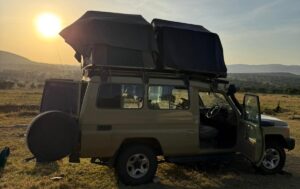
4×4 with rooftop tent for camping
-
Full camping equipment available on request
Important features for photographers:
-
Pop-up roof for elevated shooting angles
-
Large windows for side photography
-
Extra battery charging options
-
Cooler box for long drives
What to Pack for a Photographic Safari
To make the most of your safari:
-
Telephoto lens (200–600mm recommended)
-
Wide-angle lens for landscapes
-
Extra batteries and memory cards
-
Bean bags for vehicle stabilization
-
Dust protection for gear
-
Power banks and charging cables
Tanzania’s roads can be dusty, so protective gear for cameras is highly recommended.
Self-Drive vs. Guided Safari
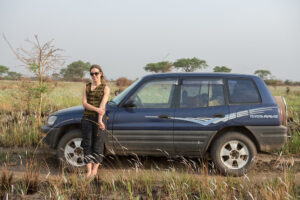
Self-drive is ideal for:
-
Experienced travelers
-
Independent explorers
-
Repeat safari visitors
-
Photographers who want total flexibility
Guided safaris may be better for:
-
First-time visitors
-
Travelers unfamiliar with African wildlife behavior
-
Those preferring logistics handled by professionals
Some operators offer optional ranger or driver-guide services if you want additional wildlife tracking expertise.
Is a Self-Drive Safari Safe?
Yes, when properly planned. Tanzania’s northern safari circuit is well established and accessible. Key tips include:
-
Always carry sufficient fuel and water
-
Use offline maps or GPS
-
Respect park speed limits
-
Follow wildlife safety rules
-
Book campsites or lodges in advance
Park rangers and gate offices are available for assistance when needed.
Sample 7-Day Self-Drive Photographic Itinerary
Day 1: Arrival in Arusha – Vehicle pickup and briefing
Day 2: Tarangire National Park
Day 3: Lake Manyara National Park
Day 4: Ngorongoro Crater
Day 5–6: Serengeti National Park
Day 7: Return to Arusha
This classic Northern Circuit route offers a perfect balance of wildlife density and scenic diversity.
Why Tanzania Is Perfect for Wildlife Photography
-
High concentration of predators
-
The Great Migration spectacle
-
Diverse ecosystems within short distances
-
Iconic African landscapes
-
Year-round wildlife viewing
Few destinations in the world rival Tanzania for raw wildlife encounters and dramatic photographic storytelling.
Plan Your Tanzania Self-Drive Photographic Safari
A self-drive safari in Tanzania offers unmatched freedom, adventure, and creativity. Whether you prefer luxury lodges or adventurous rooftop camping, you can design your journey around your photography goals.
Contact us today to arrange:
-
4×4 safari vehicle rental
-
Customized self-drive itineraries
-
Camping equipment packages
-
Park booking assistance
-
Optional professional safari guides
Start your Tanzanian photographic adventure today and capture Africa on your terms.