
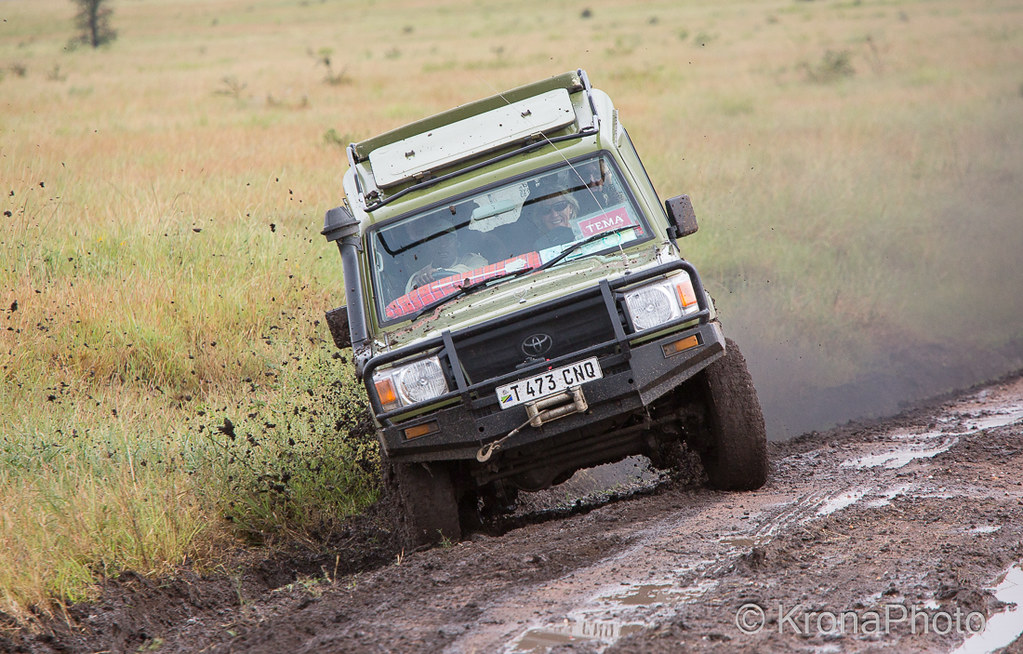
Tanzania Self-Drive Round Trip: The Ultimate Guide (Routes, Costs, and Safety Tips)
A Tanzania self-drive round trip is one of the most rewarding ways to explore the country—especially if you want flexibility, privacy, and the freedom to travel at your own pace. From elephant-filled savannas in Tarangire to the endless plains of the Serengeti and the dramatic Ngorongoro Crater, Tanzania’s Northern Circuit is ideal for a self-drive safari.
This guide covers the best round-trip routes, a sample itinerary, costs, best travel seasons, permits, and practical driving tips—so you can plan confidently.
Why Choose a Self-Drive Safari in Tanzania?
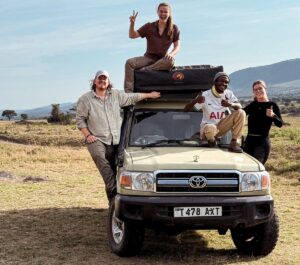
Self-driving is perfect for travelers who want:
-
Freedom to stop whenever you want for wildlife viewing and photography
-
A private safari experience without sharing a vehicle
-
Better control of your schedule (sunrise starts, relaxed lunches, fewer rushes)
-
Budget flexibility (camping or lodges, short or long trips)
Best Tanzania Self-Drive Round Trip Routes
1) Northern Circuit Round Trip (Most Popular)
Arusha → Tarangire → Lake Manyara → Ngorongoro → Serengeti → Arusha
This route is Tanzania’s classic safari loop and includes the country’s top wildlife parks.
Best for: First-timers, Big Five safari, Great Migration experience
Recommended duration: 8–12 days
2) Northern Circuit + Lake Natron (Adventure Add-On)
Arusha → Tarangire → Ngorongoro → Serengeti → Lake Natron → Arusha
Lake Natron offers remote landscapes, flamingos, Maasai culture, and views of Oldoinyo Lengai volcano (road conditions are rougher—4×4 required).
Best for: Off-the-beaten-path travelers
Recommended duration: 10–14 days
3) Tanzania Safari + Zanzibar (Round Trip + Beach Finish)
Arusha → Northern parks → Arusha → flight to Zanzibar
Perfect if you want wildlife + beach in one trip.
Best for: Couples, honeymoon, relaxed ending
Recommended duration: 10–16 days
Sample Tanzania Self-Drive Round Trip Itinerary (10 Days)
Day 1: Arrive in Arusha
Pick up your 4×4, buy supplies, check your spare tire(s), and load offline maps.
Day 2: Arusha → Tarangire National Park
Famous for elephants, baobabs, and the Tarangire River wildlife corridor.
Day 3: Tarangire → Lake Manyara / Karatu
Short drive. Lake Manyara is excellent for birds and scenic viewpoints.
Day 4: Ngorongoro Crater Game Drive
A full day inside the crater offers high wildlife density and great Big Five chances.
Day 5–7: Serengeti National Park
Spend at least 3 days here for the best self-drive experience. Focus on one region to avoid long drives.
Day 8: Serengeti → Karatu (or Ngorongoro area)
Return via Ngorongoro Conservation Area.
Day 9: Karatu → Arusha
Relax, shop, return the vehicle, and overnight.
Day 10: Departure or onward travel (Zanzibar / Kilimanjaro / Moshi)
End the trip or extend your adventure.
What Vehicle Do You Need for Tanzania Self-Drive?
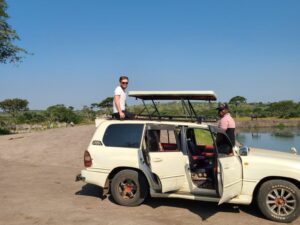
For most safari routes, you’ll want:
-
4×4 (Land Cruiser or Hilux)
-
High clearance
-
Two spare tires (recommended)
-
Air compressor + tire repair kit
-
Offline navigation (Maps.me / Google offline)
A 2WD is not recommended for national parks, crater roads, or remote routes.
Tanzania Self-Drive Safari Costs (Estimated)
Costs vary by season and comfort level, but here’s a realistic range:
Vehicle rental
-
USD $150–$250 per day (4×4, depending on model and inclusions)
Park fees (approx.)
-
Most parks charge per person per day
-
Ngorongoro often adds a crater service fee
Accommodation
-
Camping: $10–$40 per night
-
Mid-range lodges: $80–$250 per night
-
Luxury lodges: $300+ per night
Fuel + supplies
-
Fuel depends on distance; plan extra for detours and game drives.
Tip: If you’re keeping costs down, spend more nights camping or in Karatu and fewer in premium lodge zones.
Best Time to Do a Tanzania Self-Drive Round Trip
-
June to October: Dry season, best overall wildlife viewing
-
January to March: Calving season (great predator action)
-
April to May: Heavy rains (some roads can be difficult)
If you’re self-driving, many travelers prefer the drier months for easier road conditions.
Driving & Safety Tips (Very Important)
-
Drive slowly in parks—wildlife can appear suddenly
-
Start early: the best sightings are often morning and late afternoon
-
Avoid driving at night in rural areas
-
Carry cash (some gates or services may not accept cards reliably)
-
Download offline maps and keep a power bank
-
Keep emergency contacts and a basic first aid kit
-
Ask your rental company about vehicle recovery support and breakdown procedures
Do You Need Permits or Special Documents?
Most travelers will need:
-
A valid driver’s license + International Driving Permit (IDP) (often recommended)
-
Passport and travel documents
-
Vehicle documents provided by the rental company
-
Proof of bookings for certain park entry setups (depending on operator/park procedures)
Your rental provider should also brief you on park rules and gate procedures.
Ready to Plan Your Tanzania Self-Drive Safari?
If you want, I can tailor this into a route that matches your exact travel style:
-
Starting point: Arusha / Kilimanjaro / Dar es Salaam
-
Duration: 5 days / 7 days / 10+ days
-
Budget: camping, mid-range, or luxury
-
Travel month: dry season or green season
Contact us today to build your Tanzania self-drive round-trip itinerary and reserve a reliable 4×4 for your dates.