
Tanzania Self-Drive Safari vs Fly-In Safari: Which One Is Right for You?
Introduction
Planning a safari in Tanzania is one of the most exciting travel decisions you can make. But one key question often determines your entire experience:
👉 Should you choose a self-drive (overland) safari or a fly-in safari?
Both options offer incredible wildlife encounters—from the vast plains of Serengeti National Park to the dramatic landscapes of Ngorongoro Crater—but they differ significantly in cost, comfort, flexibility, and overall experience.
This guide breaks down everything you need to know, with a special focus on self-drive safaris, which are becoming increasingly popular among adventurous travelers.
What Is a Self-Drive Safari in Tanzania?
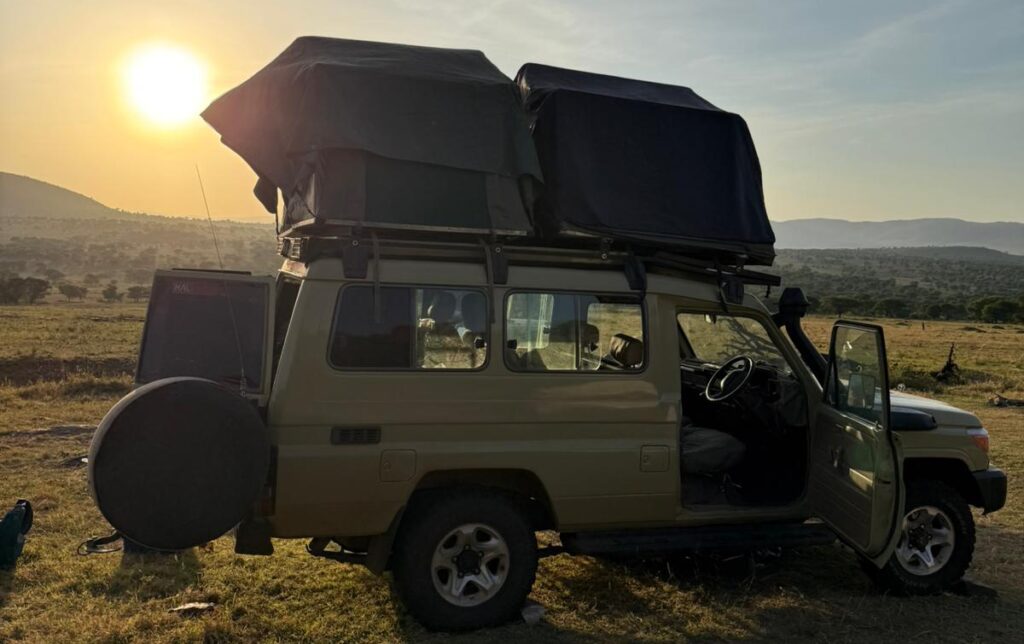
A self-drive safari means renting a fully equipped 4×4 (usually a Land Cruiser) and exploring Tanzania’s national parks at your own pace—without a driver-guide.
Popular self-drive routes include:
- Tarangire National Park
- Serengeti National Park
- Ngorongoro Crater
- Lake Manyara National Park
This option is ideal for:
- Independent travelers
- Budget-conscious explorers
- Adventure seekers
What Is a Fly-In Safari?
A fly-in safari involves traveling between parks using small bush planes, typically departing from Arusha Airport or Julius Nyerere International Airport.
You land on remote airstrips and transfer directly to luxury lodges or tented camps.
Fly-in safaris are best suited for:
- Luxury travelers
- Honeymooners
- Visitors with limited time
Key Comparison: Self-Drive vs Fly-In Safari
1. Cost & Budget
Self-Drive Safari
- Vehicle rental: $120–$250/day
- Camping/lodges: Budget to mid-range options
- No internal flight costs
✅ Most affordable safari option
Fly-In Safari
- Domestic flights: $300–$700+ per leg
- Luxury accommodation required
- Higher park logistics costs
❌ Premium pricing
👉 Verdict:
Self-drive is ideal for budget and mid-range travelers, while fly-in caters to high-end experiences.
2. Freedom & Flexibility
Self-Drive Safari
- Total control over your itinerary
- Stop anytime for wildlife viewing
- Choose routes, camps, and pace
Fly-In Safari
- Fixed schedules (flight times & lodge transfers)
- Limited flexibility
👉 Verdict:
Self-drive wins for independence and spontaneity.
3. Travel Time & Efficiency
Self-Drive Safari
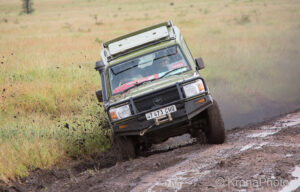
- Long drives (e.g., Arusha → Serengeti: 7–8 hours)
- Time-consuming but scenic
Fly-In Safari
- Quick flights (1–2 hours)
- Maximizes time for game drives
👉 Verdict:
Fly-in is best for saving time.
4. Experience & Adventure Level
Self-Drive Safari
- Raw, immersive adventure
- Navigate parks yourself
- Experience local culture along the way
Fly-In Safari
- Seamless, stress-free experience
- Guided game drives included
- Minimal logistical effort
👉 Verdict:
Self-drive = adventure
Fly-in = comfort
5. Wildlife Viewing Experience
Self-Drive Safari
- Freedom to explore less crowded areas
- Requires navigation skills and patience
Fly-In Safari
- Expert guides increase wildlife sightings
- Access to exclusive conservancies
👉 Verdict:
Fly-in offers higher success rates, but self-drive offers deeper exploration.
6. Access to Remote Areas
Self-Drive Safari
- Best for Northern Circuit
- Limited access to remote parks like Nyerere National Park
Fly-In Safari
- Easily access to remote and less crowded parks
- Ideal for southern Tanzania and western Tanzania
👉 Verdict:
Fly-in provides better access to remote wilderness.
7. Comfort & Convenience
Self-Drive Safari
- Long, dusty drives
- Requires planning (fuel, navigation, permits)
Fly-In Safari
- Minimal travel fatigue
- High-end lodges and seamless transfers
👉 Verdict:
Fly-in wins for comfort.
8. Luggage & Practical Considerations
Self-Drive Safari
- No strict luggage limits
- Ideal for camping gear and photography equipment
Fly-In Safari
- Strict baggage limits (~15kg, soft bags only)
👉 Verdict:
Self-drive offers more flexibility.
Pros and Cons Summary
Self-Drive Safari
Pros:
- Budget-friendly
- Ultimate freedom
- Authentic adventure
- Flexible itinerary
Cons:
- Requires planning and navigation skills
- Long driving distances
- Less guided wildlife expertise
Fly-In Safari
Pros:
- Time-efficient
- Comfortable and luxurious
- Expert-guided wildlife viewing
- Access to remote areas
Cons:
- Expensive
- Limited flexibility
- Less immersive journey experience
Best Safari Type Based on Traveler Profile
Choose Self-Drive Safari If You:
- Want to explore Serengeti National Park at your own pace
- Are traveling on a budget
- Enjoy road trips and adventure
- Have 7+ days for your trip
Choose Fly-In Safari If You:
- Have limited time (3–5 days)
- Prefer luxury lodges
- Want to avoid long drives
- Are combining safari with Zanzibar Island
Hybrid Option: The Best of Both Worlds
A growing trend is combining both experiences:
- Fly into the Serengeti
- Self-drive through Ngorongoro and Tarangire
This approach gives you:
✅ Time efficiency
✅ Adventure
✅ Cost balance
Sample Itineraries
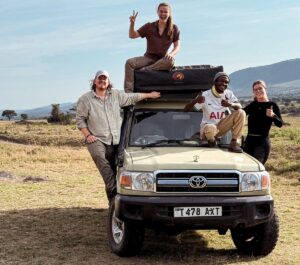
7-Day Self-Drive Safari (Northern Circuit)
- Day 1: Arusha → Tarangire
- Day 2: Tarangire → Lake Manyara
- Day 3–5: Serengeti exploration
- Day 6: Ngorongoro Crater
- Day 7: Return to Arusha
5-Day Fly-In Safari
- Day 1: Fly to Serengeti
- Day 2–4: Game drives
- Day 5: Fly back or continue to Zanzibar
Final Verdict
Choosing between a self-drive safari and a fly-in safari in Tanzania ultimately comes down to your priorities:
- Adventure, flexibility, and budget → Self-drive safari
- Speed, comfort, and luxury → Fly-in safari
Both options deliver unforgettable wildlife experiences in one of Africa’s most iconic safari destinations.