
The Ultimate Tanzania Self-Drive Checklist (2026 Guide for First-Time and Experienced Travelers)
Why a Self-Drive Safari in Tanzania Requires Careful Planning
A self-drive safari in Tanzania is one of the most rewarding travel experiences in Africa. Imagine navigating endless savannahs, spotting wildlife at your own pace, and waking up to the sounds of nature in iconic destinations like Serengeti National Park, Ngorongoro Conservation Area, and Tarangire National Park.
However, unlike guided safaris, self-driving comes with added responsibility. Tanzania’s vast landscapes, limited infrastructure in remote areas, and unpredictable road conditions mean preparation is everything. A forgotten document, lack of fuel, or missing recovery gear can quickly turn an adventure into a stressful situation.
This comprehensive Tanzania self-drive checklist ensures you are fully prepared—whether you are a first-time visitor or a seasoned overland traveler.
1. Essential Travel Documents for Tanzania Self-Drive
Before you even think about starting your engine, ensure all your documents are in order. These are mandatory and often checked at park gates and checkpoints.
Must-Have Documents:
- A valid passport (minimum 6 months validity)
- Tanzania visa (eVisa or on arrival)
- Valid driver’s license from your home country
- International Driving Permit (strongly recommended)
- Vehicle registration documents
- Insurance papers (including COMESA if cross-border travel is planned)
- Park entry permits (printed or saved offline)
- Accommodation bookings
Pro Tip:
Keep both printed copies and digital backups on your phone. Network coverage is unreliable in remote areas like the Serengeti.
2. Choosing the Right Vehicle for a Tanzania Self-Drive Safari
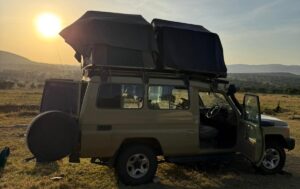
Your vehicle is your lifeline on this journey. A regular car simply won’t cut it in Tanzania’s rugged terrain.
Recommended Vehicle Features:
- 4×4 capability (e.g., Land Cruiser or Prado)
- High ground clearance
- Reliable engine and suspension
- Good tires (all-terrain preferred)
- Functional air conditioning
- Long-range fuel tank
Why 4×4 is Non-Negotiable
Roads inside parks like Serengeti and Ngorongoro are often:
- Dusty and rough in dry season
- Muddy and slippery in rainy season
Without a 4×4, you risk getting stuck or damaging the vehicle.
3. Vehicle Equipment & Spare Parts Checklist
Even the best vehicles can encounter issues. Being self-sufficient is crucial.
Essential Items:
- At least one spare tire (two is ideal)
- Jack and wheel spanner
- Tire repair kit
- Jumper cables
- Basic tool kit
- Engine oil and coolant
- Extra fan belt (optional but useful)
Realistic Advice:
Breakdowns in remote areas like central Serengeti can mean waiting hours—or longer—for help. Always prepare for self-recovery.
4. Emergency & Recovery Gear: Your Safety Net
Driving in Tanzania’s wilderness means you need to be ready for unexpected situations.
Must-Pack Recovery Gear:
- Tow rope
- Shovel (for sand or mud recovery)
- Traction boards (optional but very useful)
- Portable air compressor
- Warning triangle
When You’ll Need These:
- Getting stuck in sand near riverbeds
- Muddy roads during rainy season
- Tire pressure adjustments for rough terrain
5. Navigation: Never Rely on Internet Alone
Navigation is one of the biggest challenges for self-drive travelers in Tanzania.
Best Navigation Tools:
- Maps.me (highly recommended)
- Google Maps (offline mode)
- GPS device (optional)
- Printed maps (backup)
Important Tip:
Download all maps before leaving towns like Arusha or Moshi. Inside parks, signal is almost nonexistent.
6. Fuel Planning: A Critical Survival Factor
Fuel management is one of the most overlooked aspects of self-drive safaris.
Key Guidelines:
- Always start with a full tank
- Carry extra fuel (20–40 liters recommended)
- Refuel in major towns like Karatu
Why It Matters:
There are no fuel stations inside most national parks, including Serengeti. Running out of fuel here can be extremely dangerous.
7. Food, Water & Daily Supplies
You are responsible for your own comfort and survival during long drives.
Essentials:
- Minimum 5 liters of water per person per day
- Snacks (energy bars, nuts, fruits)
- Packed meals
- Cooler box or fridge (recommended)
Pro Tip:
Game drives can last 6–10 hours. Always carry more water than you think you need.
8. Camping Gear for Self-Drive Safaris
If you’re planning a camping safari, preparation becomes even more important.
Camping Checklist:
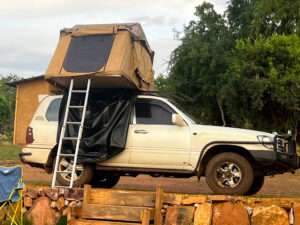
- Rooftop tent or ground tent
- Sleeping bags and pillows
- Cooking equipment (stove, gas, utensils)
- Headlamp or flashlight
- Power bank or solar charger
- Folding chairs and table
Where You’ll Camp:
Public and special campsites inside parks like Serengeti and Ngorongoro offer basic facilities—but expect minimal luxury.
9. Safari Essentials for Wildlife Viewing
Make the most of your wildlife experience with the right gear.
Must-Have Items:
- Binoculars (essential for distant sightings)
- Camera with zoom lens
- Car charger for devices
- Wildlife guidebook or app
Why This Matters:
Animals are often far away, especially in open plains. Without binoculars, you’ll miss key moments.
10. Health, Safety & First Aid
Medical facilities are limited in remote areas, so you must be prepared.
Health Kit Essentials:
- First aid kit (bandages, antiseptic, painkillers)
- Prescription medications
- Insect repellent (mosquito protection is crucial)
- Sunscreen
- Hand sanitizer and wipes
Additional Advice:
Consider travel insurance that covers medical evacuation, especially for remote parks.
11. Clothing: Dress for the Safari Environment
Packing the right clothing makes a big difference in comfort.
Recommended Clothing:
- Neutral-colored clothing (avoid bright colors)
- Light, breathable fabrics
- Warm jacket (Ngorongoro mornings are cold)
- Comfortable walking shoes
- Hat and sunglasses
- Rain jacket (especially March–May)
12. Communication & Connectivity
Staying connected in Tanzania’s wilderness is challenging but important.
What You Need:
- Local SIM card (Vodacom, Airtel, Tigo)
- Offline emergency contacts
- Satellite phone (for extreme remote travel)
13. Park Rules & Responsible Driving
Understanding park rules is essential for safety and conservation.
Key Rules:
- No off-road driving
- Respect speed limits (25–50 km/h)
- Do not exit your vehicle in unsafe areas
- Maintain safe distance from wildlife
- No night driving inside parks
Why It Matters:
Breaking rules can result in fines—or worse, dangerous encounters with wildlife.
14. Money & Payments
Cash is still king in many parts of Tanzania.
What to Carry:
- Tanzanian Shillings for daily expenses
- US Dollars for park fees and lodges
- Credit/debit cards (limited use in remote areas)
15. Planning Your Self-Drive Itinerary
A well-planned itinerary can make or break your safari.
Key Planning Tips:
- Calculate realistic driving distances
- Start early each day
- Know park gate opening/closing times
- Monitor weather conditions
16. Common Mistakes to Avoid
Many self-drive travelers make avoidable errors. Here are the biggest ones:
- Underestimating distances between parks
- Skipping fuel stops
- Driving after dark in rural areas
- Not downloading offline maps
- Ignoring weather conditions
Final Thoughts: Preparation is the Key to an Unforgettable Safari
A self-drive safari in Tanzania offers unmatched freedom, adventure, and connection with nature. But success depends on preparation.
With this checklist, you’re not just packing—you’re planning for safety, efficiency, and an incredible experience across Tanzania’s most iconic landscapes.
From the wildlife-rich plains of the Serengeti to the dramatic crater of Ngorongoro, your journey will be unforgettable—if you prepare wisely.
Quick Final Checklist ✔️
Before you hit the road:
- ✔ Documents ready
- ✔ 4×4 vehicle checked
- ✔ Fuel tank full + extra fuel
- ✔ Offline maps downloaded
- ✔ Water & food packed
- ✔ Emergency gear onboard