
Why the Wet Season Is Not the Best Time for a Tanzania Self-Drive Safari (And When It Still Works)
Planning a self-drive safari in Tanzania is one of the most rewarding ways to explore East Africa. The freedom to set your own pace, choose your routes, and immerse yourself in the wilderness is unmatched. However, timing plays a crucial role in the success of your adventure. While Tanzania is a year-round destination, the wet season—typically from March to May, with shorter rains in November—presents unique challenges that can make self-driving more difficult and less enjoyable.
In this comprehensive guide, we break down why the wet season is often not the best time for a Tanzania self-drive safari, while also highlighting situations where it can still be a worthwhile experience.
Understanding Tanzania’s Wet Season
Tanzania experiences two rainy periods:
- Long rains: March to May (heaviest and most challenging)
- Short rains: November to early December (lighter and more manageable)
During these months, landscapes transform into lush, green environments, and wildlife disperses across the parks. While this sounds appealing, the impact on road conditions and accessibility is significant—especially for self-drivers.
1. Challenging Road Conditions in National Parks
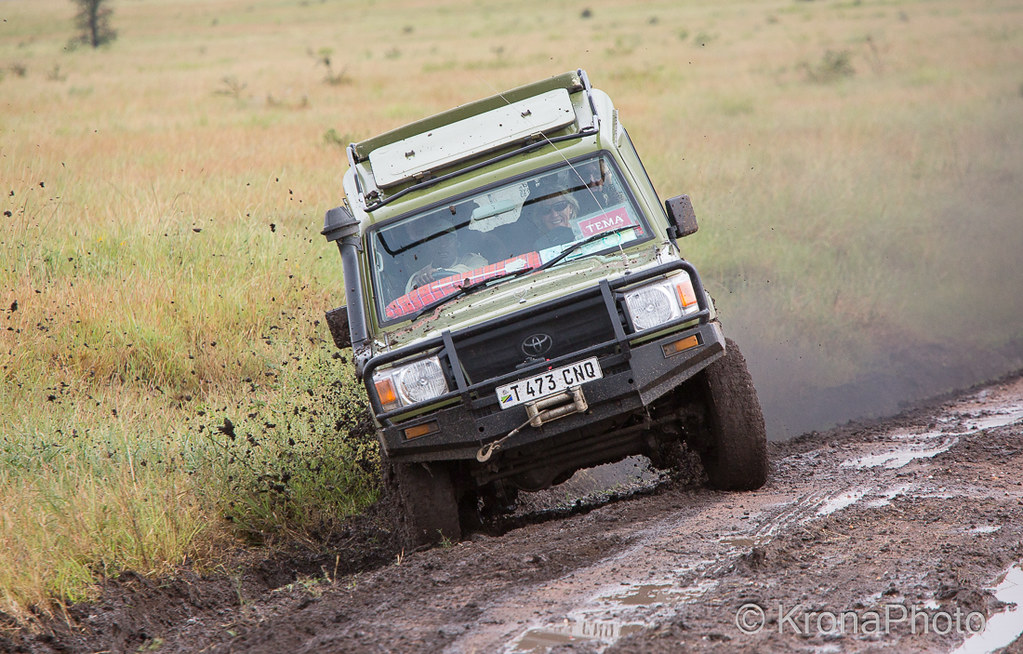
Most safari routes in Tanzania’s iconic parks—such as Serengeti National Park, Tarangire National Park, and Nyerere National Park—are unpaved dirt tracks.
During the wet season:
- Roads become muddy, slippery, and deeply rutted
- Waterlogged tracks can be difficult to navigate
- Some areas turn into swamp-like terrain
Even well-maintained 4×4 vehicles can struggle under these conditions. For self-drivers without local experience, navigating these roads can be stressful and time-consuming.
2. High Risk of Getting Stuck
Driving in muddy terrain is not just inconvenient—it can be risky.
In the wet season:
- Vehicles frequently get stuck in mud
- Recovery can take hours or even days
- Assistance may not be readily available in remote areas
Unlike guided safaris, where experienced drivers and backup vehicles are available, self-drivers are often on their own. Without proper recovery gear (like sand tracks, tow ropes, or winches), a simple mistake can disrupt your entire itinerary.
3. Limited Access to Key Safari Areas
Heavy rains can make certain regions inaccessible or temporarily closed.
In places like:
- Ngorongoro Conservation Area
- Serengeti National Park
You may encounter:
- Flooded river crossings
- Closed game tracks
- Restricted entry to specific zones
This limits your ability to explore freely—one of the main advantages of a self-drive safari.
4. Wildlife Viewing Is Less Predictable

One of the biggest reasons travelers visit Tanzania is for exceptional wildlife viewing. However, during the wet season:
- Water is abundant, so animals don’t gather at rivers and waterholes
- Vegetation becomes thick, making it harder to spot wildlife
- Animals are more dispersed across vast areas
While you will still see wildlife, the density and visibility are generally lower compared to the dry season.
5. Navigation Becomes More Difficult
Navigation is already a challenge in remote parks, and the wet season adds another layer of complexity.
Common issues include:
- Tracks washed away or altered by rain
- Poor or missing signage
- GPS inaccuracies in remote regions
For first-time visitors or those unfamiliar with Tanzanian parks, this can lead to confusion and delays.
6. Increased Vehicle Wear and Tear
Driving in wet, muddy conditions puts extra strain on your vehicle.
Potential problems include:
- Tire punctures from hidden obstacles
- Engine stress from constant low-gear driving
- Electrical issues due to water exposure
A breakdown in the middle of a national park can be both costly and dangerous if you’re not prepared.
7. Camping Challenges During the Wet Season
If your self-drive safari includes camping, the wet season can significantly impact your comfort.
Expect:
- Wet and muddy campsites
- Difficulty setting up tents in the rain
- Increased mosquito activity
- Limited access to dry firewood or cooking areas
While camping in the wild is an incredible experience, persistent rain can make it less enjoyable.
8. Safety Concerns in Remote Areas
Safety is always a priority when traveling in remote environments.
During the wet season:
- Roads become more hazardous
- Emergency response times may increase
- Communication can be limited in certain regions
For solo travelers or those without extensive off-road experience, these risks are worth considering.
Are There Any Advantages to Traveling in the Wet Season?
Despite the challenges, the wet season does offer some unique benefits:
1. Fewer Tourists
Popular parks are less crowded, allowing for a more private and peaceful safari experience.
2. Beautiful Green Landscapes
The scenery is at its most vibrant, with lush vegetation and dramatic skies—perfect for photography.
3. Excellent Birdwatching
Migratory birds arrive during this time, making it a paradise for bird enthusiasts.
4. Lower Costs
Accommodation, park fees (in some cases), and vehicle rentals may be more affordable.
When the Wet Season Can Still Work for Self-Drive
A wet season self-drive safari can still be successful if:
- You have strong off-road driving experience
- You rent a well-equipped 4×4 vehicle
- You travel during the short rains (November) instead of the long rains
- You stick to more accessible parks like Arusha National Park
- You remain flexible with your itinerary
Preparation is key. With the right mindset and equipment, you can still enjoy a unique and adventurous safari.
Best Time for a Tanzania Self-Drive Safari
For most travelers, the dry season (June to October) is the best time for a self-drive safari.
During this period:
- Roads are dry and easier to navigate
- Wildlife gathers around water sources
- Vegetation is thinner, improving visibility
- Travel conditions are more predictable
This makes it ideal for both beginners and experienced self-drivers.
Final Thoughts
While Tanzania’s wet season brings stunning landscapes and fewer crowds, it also introduces significant challenges for self-drive safaris. From muddy roads and limited access to more difficult wildlife viewing, the risks can outweigh the benefits—especially for inexperienced travelers.
If your goal is a smooth, stress-free safari with excellent wildlife encounters, the dry season remains the best choice. However, for adventurous and well-prepared travelers, the wet season can still offer a unique and rewarding experience.
Planning Your Tanzania Self-Drive Safari?
Choosing the right time is just one part of the equation. Make sure you also consider:
- Vehicle type and equipment
- Route planning
- Park regulations
- Emergency preparedness
With proper planning, your Tanzania self-drive safari can be one of the most unforgettable journeys of your life.