
The Role of Crater Service Fees in Tanzania Safaris
Introduction
When planning a safari to Tanzania, travelers often focus on wildlife encounters, luxury lodges, dramatic landscapes, and iconic destinations such as the Ngorongoro Crater. However, behind every unforgettable safari experience lies an important system of conservation funding and destination management. One of the most important components of this system is the crater service fee.
Many travelers see crater fees listed in safari quotations without fully understanding their purpose. Questions such as “Why are crater fees so expensive?” or “What exactly do crater service fees cover?” are common among visitors planning safaris in Tanzania. In reality, these fees are not simply additional tourism charges. They are essential contributions that support conservation, infrastructure maintenance, wildlife protection, tourism regulation, and local community development.
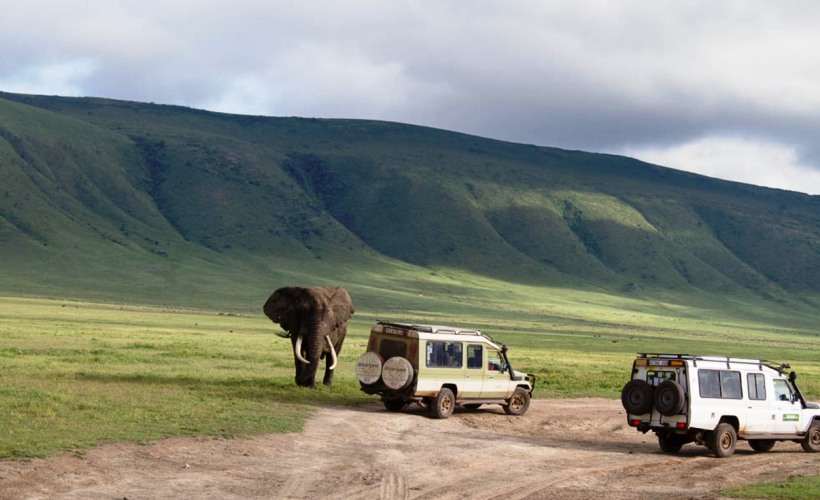
The Ngorongoro Crater is one of the world’s most remarkable wildlife destinations. Often referred to as Africa’s Eden, this vast volcanic caldera supports an incredible concentration of wildlife within a relatively small area. The crater’s unique ecosystem, combined with its popularity among tourists, means that maintaining the area requires substantial resources. Crater service fees provide the financial support necessary to preserve this fragile ecosystem for future generations.
This article explores the role of crater service fees in Tanzania, how the fees are used, why they matter for conservation and tourism sustainability, and why visitors should view these charges as an investment in protecting one of Africa’s most treasured safari destinations.

Understanding Crater Service Fees
Crater service fees are special conservation and access charges paid by visitors entering protected crater areas, particularly the Ngorongoro Crater in northern Tanzania. These fees are separate from standard conservation or park entry fees.
In the case of the Ngorongoro Crater, visitors pay a crater service fee in addition to the regular entrance fee charged by the Ngorongoro Conservation Area Authority. The crater fee specifically supports activities associated with maintaining and managing the crater floor and its surrounding ecosystem.
Unlike ordinary tourism charges, crater fees are designed to sustain one of the most ecologically sensitive safari destinations in Africa. Every safari vehicle descending into the crater contributes to wear and tear on roads, increased management demands, environmental monitoring needs, and wildlife protection efforts. The service fee ensures that tourism remains sustainable while preserving the crater’s natural beauty.
Why the Ngorongoro Crater Requires Special Management
The Ngorongoro Crater is unlike most safari destinations in East Africa. Formed millions of years ago when a massive volcano collapsed inward, the crater created a self-contained ecosystem spanning approximately 260 square kilometers.
Today, the crater hosts an extraordinary density of wildlife including:
- Lions
- Elephants
- Buffaloes
- Zebras
- Wildebeests
- Hyenas
- Hippos
- Flamingos
- Black rhinos
Because wildlife remains within or near the crater throughout the year, visitors enjoy exceptional game viewing in a relatively compact area. This popularity, however, creates management challenges.
Thousands of safari vehicles enter the crater annually. Without proper regulation and funding, the environment could suffer from:
- Soil erosion
- Road degradation
- Pollution
- Habitat destruction
- Wildlife stress
- Overcrowding
Crater service fees help prevent these problems by financing sustainable tourism management and conservation initiatives.
Conservation and Wildlife Protection
Protecting Fragile Ecosystems
One of the primary roles of crater service fees is environmental conservation. The Ngorongoro ecosystem is extremely delicate. Even small environmental disturbances can affect wildlife behavior, vegetation, water systems, and long-term ecological balance.
Revenue generated from crater fees supports:
- Habitat restoration
- Ecosystem monitoring
- Vegetation protection
- Water source conservation
- Soil erosion control
- Waste management programs
These efforts help preserve the crater’s ecological integrity while allowing tourism to continue responsibly.
Supporting Anti-Poaching Operations
Wildlife conservation requires constant vigilance. Species such as the endangered black rhino require intensive protection against poaching threats.
Crater service fees contribute to:
- Ranger salaries
- Patrol vehicles
- Surveillance systems
- Wildlife monitoring programs
- Anti-poaching equipment
- Emergency wildlife response operations
Without consistent funding, maintaining strong conservation enforcement inside the crater would become difficult.
Wildlife Research and Monitoring
Scientific research plays a critical role in understanding wildlife populations and ecosystem health. Crater fees help finance studies involving:
- Predator-prey relationships
- Animal migration patterns
- Disease monitoring
- Climate impacts
- Population tracking
- Biodiversity assessments
This research allows conservation authorities to make informed management decisions that protect wildlife and maintain ecological balance.
Road Maintenance and Infrastructure Development
Maintaining Crater Access Roads
The roads leading into the crater face constant pressure from safari traffic, heavy rains, and steep terrain. Regular maintenance is essential for safety and accessibility.
Crater service fees help fund:
- Road grading
- Drainage improvements
- Bridge repairs
- Slope stabilization
- Dust control
- Seasonal road rehabilitation
Without regular repairs, crater roads could become dangerous or impassable, especially during rainy seasons.
Visitor Facilities
Tourists visiting the crater rely on various support facilities including:
- Picnic sites
- Viewing areas
- Information centers
- Restroom facilities
- Waste disposal systems
- Emergency response stations
Maintaining these facilities requires ongoing investment. Crater fees help ensure that visitors enjoy safe, comfortable, and environmentally responsible safari experiences.
Tourism Management and Visitor Regulation
Controlling Tourism Pressure
The Ngorongoro Crater is one of Tanzania’s busiest safari destinations. Managing visitor numbers is critical for reducing environmental impact and maintaining quality safari experiences.
Crater service fees help regulate tourism by:
- Limiting excessive vehicle traffic
- Supporting controlled access systems
- Managing safari schedules
- Reducing overcrowding
- Enhancing visitor experiences
Without effective management, the crater could experience severe tourism congestion, harming both wildlife and visitor satisfaction.
Promoting Sustainable Tourism
Sustainable tourism means balancing tourism growth with environmental protection. Crater fees allow conservation authorities to reinvest tourism revenue directly into preserving the destination.
This creates a sustainable cycle where tourism supports conservation, and conservation maintains the quality of the tourism experience.
Supporting Local Communities
Community Development Programs
The areas surrounding the Ngorongoro Conservation Area are home to local communities, particularly Maasai pastoralists who have coexisted with wildlife for generations.
A portion of tourism revenue, including crater service fees, supports community initiatives such as:
- Schools
- Health centers
- Water projects
- Veterinary services
- Livelihood programs
- Infrastructure improvements
Tourism revenue helps ensure that local communities benefit from conservation and tourism activities.
Reducing Human-Wildlife Conflict
Communities living near wildlife areas often face challenges including livestock predation and restricted land use.
Crater-related conservation funding supports programs aimed at reducing conflict through:
- Community education
- Compensation initiatives
- Conservation partnerships
- Sustainable grazing management
When communities benefit from tourism, they are more likely to support wildlife conservation efforts.
Enhancing Safari Safety
Ranger Services and Emergency Support
Safari safety is a major priority within the crater. Crater service fees contribute to operational systems that keep visitors safe.
This includes:
- Park ranger patrols
- Emergency rescue operations
- Communication systems
- Vehicle recovery services
- Medical response coordination
- Tourist assistance services
The crater’s steep access roads and remote environment require constant operational readiness.
Monitoring Visitor Activities
Conservation authorities monitor safari activities to ensure that visitors and guides follow regulations designed to protect wildlife and maintain safety.
These regulations include:
- Speed limits
- Off-road driving restrictions
- Wildlife viewing distances
- Noise control measures
- Waste management rules
Enforcement efforts are funded partly through crater service fees.
Preserving a UNESCO World Heritage Site
The UNESCO designated the Ngorongoro Conservation Area as a World Heritage Site because of its outstanding ecological and cultural significance.
Maintaining UNESCO standards requires extensive conservation investment. Crater service fees help support:
- Heritage preservation
- Cultural conservation
- Archaeological protection
- Environmental sustainability
- Scientific research
Without adequate funding, maintaining international conservation standards would become increasingly difficult.
Why Crater Fees Appear Expensive
Many visitors initially view crater fees as costly compared to ordinary park entrance charges. However, several factors explain the pricing structure.
High Conservation Costs
Protecting a globally significant ecosystem requires substantial funding. Conservation operations involve:
- Large ranger teams
- Specialized equipment
- Scientific programs
- Infrastructure maintenance
- Environmental restoration
These activities are expensive but essential.
Limited Tourism Capacity
Unlike open ecosystems where tourism spreads across vast landscapes, the Ngorongoro Crater has limited space. Authorities must carefully control vehicle numbers to avoid ecological damage.
Because visitor capacity is limited, fees help generate the necessary revenue without overwhelming the ecosystem.
Year-Round Maintenance
The crater requires continuous maintenance regardless of tourism seasons. Roads, drainage systems, conservation programs, and ranger operations continue throughout the year.
Crater fees help sustain year-round management efforts.
The Economic Importance of Crater Tourism
Contribution to Tanzania’s Tourism Industry
The Ngorongoro Crater is one of Tanzania’s most valuable tourism attractions. Safari tourism generates significant national revenue and supports thousands of jobs.
Crater tourism benefits:
- Safari operators
- Guides
- Hotels and lodges
- Drivers
- Conservation workers
- Local artisans
- Transport providers
Crater service fees help maintain the destination’s international reputation and long-term economic value.
Supporting Employment
Conservation and tourism activities funded by crater fees create employment opportunities in:
- Wildlife management
- Park operations
- Hospitality
- Transport
- Construction
- Community projects
These jobs contribute to regional economic development.
Environmental Challenges Facing the Crater
Climate Change
Climate change increasingly affects African ecosystems through changing rainfall patterns, droughts, and vegetation shifts.
Crater management authorities use tourism revenue to address climate-related challenges through:
- Water conservation programs
- Habitat restoration
- Ecological monitoring
- Sustainable land management
Increasing Tourist Numbers
As Tanzania becomes more popular internationally, visitor numbers continue to rise. Managing tourism growth while protecting the environment remains a major challenge.
Crater fees help fund systems that maintain sustainable tourism practices.
Road Erosion and Land Degradation
Heavy safari traffic and seasonal rains can damage roads and fragile landscapes.
Continuous maintenance funded through crater fees helps reduce environmental degradation and preserve access routes.
The Visitor Experience and Conservation Balance
One reason the Ngorongoro Crater remains such a remarkable safari destination is the balance between tourism and conservation.
Visitors benefit from:
- Excellent wildlife viewing
- Well-maintained roads
- Professional ranger presence
- Clean picnic areas
- Safe safari conditions
- Organized visitor systems
These experiences are made possible through conservation funding generated partly by crater service fees.
Rather than viewing the fees as a burden, many experienced travelers recognize them as contributions toward preserving one of Africa’s greatest wildlife destinations.
Crater Fees and Responsible Travel
Modern travelers increasingly seek sustainable tourism experiences that support conservation and local communities. Paying crater service fees aligns with responsible travel principles.
By contributing through these fees, visitors help:
- Protect endangered wildlife
- Support local livelihoods
- Preserve natural habitats
- Sustain tourism infrastructure
- Promote environmental stewardship
Responsible tourism ensures that future generations can continue experiencing destinations like the Ngorongoro Crater.
Comparing Crater Fees to Other Safari Costs
While crater service fees may appear significant, they represent only one part of a safari budget that typically includes:
- Accommodation
- Vehicle hire
- Fuel
- Guide services
- Meals
- Park entrance fees
- Flights or transfers
For many travelers, the opportunity to experience the Ngorongoro Crater’s extraordinary wildlife concentration justifies the additional cost.
The crater often provides some of the best safari sightings in Tanzania, including opportunities to see the Big Five within a single day.
The Future of Crater Conservation
The long-term future of the Ngorongoro Crater depends on sustainable management and adequate funding.
Future conservation priorities include:
- Strengthening ecological monitoring
- Expanding conservation education
- Improving visitor management systems
- Supporting community partnerships
- Addressing climate change impacts
- Enhancing wildlife protection
Crater service fees will continue playing a vital role in achieving these goals.
Final Thoughts
The role of crater service fees extends far beyond simple tourism charges. These fees are essential tools for conservation, infrastructure development, visitor management, community support, and sustainable tourism.
Destinations such as the Ngorongoro Crater require constant protection and careful management to preserve their ecological integrity and world-class safari experiences. Every safari vehicle entering the crater contributes to environmental pressure, making conservation funding critical.
By paying crater service fees, travelers directly support:
- Wildlife conservation
- Road maintenance
- Anti-poaching operations
- Community development
- Scientific research
- Sustainable tourism management
Ultimately, crater service fees help ensure that future generations will continue to witness the breathtaking landscapes, abundant wildlife, and extraordinary natural beauty that make Tanzania one of Africa’s greatest safari destinations.