
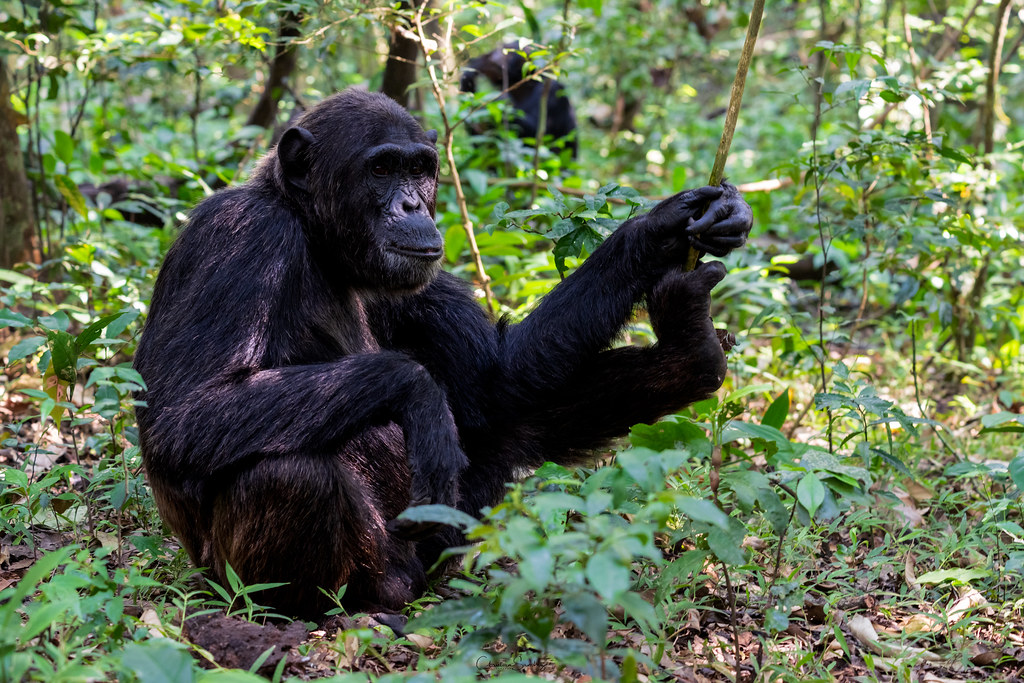
Chimpanzee Tracking in Mahale Mountains National Park: Tanzania’s Ultimate Primate Adventure
Hidden on the remote eastern shores of Lake Tanganyika in western Tanzania, Mahale Mountains National Park is one of Africa’s most spectacular wilderness destinations. Famous for its wild chimpanzees, untouched rainforest, crystal-clear beaches, and dramatic mountain scenery, Mahale offers an experience unlike any traditional safari in East Africa.
While Tanzania is globally celebrated for wildlife destinations such as the Serengeti and Ngorongoro Crater, Mahale Mountains National Park introduces visitors to a completely different side of African adventure. Here, there are no safari vehicles crowding sightings, no busy roads, and no large lodges dominating the landscape. Instead, visitors travel by boat across the vast waters of Lake Tanganyika before stepping into a tropical forest filled with the calls of wild chimpanzees echoing through the mountains.
Chimpanzee tracking in Mahale is not simply a wildlife activity. It is an emotional, immersive, and deeply personal encounter with one of humanity’s closest relatives. Watching chimpanzees communicate, groom one another, care for their young, or move gracefully through the forest canopy creates memories that remain with travelers for a lifetime.
Where is Mahale Mountains National Park?

Mahale Mountains National Park is located in western Tanzania along the eastern shores of Lake Tanganyika near the border with the Democratic Republic of Congo. Covering approximately 1,650 square kilometers, the park is one of the most isolated protected areas in East Africa.
Unlike most safari parks in Tanzania, Mahale has no road access. Visitors typically reach the park by light aircraft and boat transfer, adding to its exclusivity and wilderness appeal.
The park’s geography is incredibly diverse. Dense tropical rainforest climbs steep mountain slopes while white sandy beaches stretch along the lake shore below. This combination of forest, mountain, and freshwater coastline creates one of the most scenic safari environments in Africa.
The Mahale mountain range itself rises dramatically behind the lake, with Mount Nkungwe standing as the highest peak at over 2,400 meters above sea level. The mountains provide the perfect habitat for chimpanzees and countless other forest species.
Why Mahale is Famous for Chimpanzee Tracking

Mahale Mountains National Park is internationally recognized as one of the best places in the world to observe wild chimpanzees in their natural environment. The park is believed to contain one of the largest protected populations of eastern chimpanzees in Africa.
Several chimpanzee communities live within the forest, though the most visited group is the habituated Mimikire community. Habituation means the chimpanzees have gradually become accustomed to the presence of humans without changing their natural behavior.
Chimpanzees share approximately 98% of human DNA, which makes encounters remarkably emotional and fascinating. Visitors often recognize human-like behavior immediately:
- Mothers carrying infants
- Grooming rituals
- Playful interaction among juveniles
- Territorial communication
- Emotional facial expressions
- Social bonding within family groups
Unlike zoo experiences or controlled wildlife viewing environments, chimpanzees in Mahale remain completely wild. Rangers and guides track them daily through the forest using calls, feeding signs, and movement patterns.
Because the chimpanzees roam freely across the mountains, every trek feels authentic and unpredictable.
The History of Chimpanzee Research in Mahale
Chimpanzee research in Mahale began in the 1960s when Japanese primatologists initiated long-term behavioral studies in the area. These studies helped scientists better understand chimpanzee society, communication, feeding habits, and family structures.
Mahale became globally important in primate research because scientists were able to observe chimpanzees over multiple generations in a natural environment. The research conducted here has contributed significantly to modern understanding of primate intelligence and social behavior.
Today, tourism and conservation work together to help protect the chimpanzees and preserve their habitat.
What to Expect During Chimpanzee Tracking in Mahale
A chimpanzee tracking experience in Mahale usually begins early in the morning. Rangers first locate the approximate position of the chimpanzee community before guests enter the forest.
Visitors travel on foot accompanied by trained guides and armed park rangers. Unlike game drives on the savannah, chimpanzee tracking is entirely a walking activity.
The trek can vary significantly depending on where the chimpanzees are located that day. Sometimes visitors may find them within an hour, while on other days tracking can take several hours through steep and humid forest terrain.
The excitement builds gradually as trekkers begin hearing distant pant-hoots, branch shaking, or movement in the canopy overhead. Eventually, the guides lead the group close enough to observe the chimpanzees safely.
The one-hour viewing period often becomes the highlight of an entire African journey.
Visitors may witness:
- Chimpanzees feeding in fruit trees
- Dominant males displaying power
- Juveniles wrestling and playing
- Mothers nursing babies
- Grooming sessions
- Communication through vocalization
- Tree climbing and nest building
The experience feels intimate because of the dense forest environment and the intelligence visible in chimpanzee behavior.
Difficulty Level of Chimpanzee Tracking

Chimpanzee tracking in Mahale can be physically demanding. The terrain includes:
- Steep mountain slopes
- Uneven forest trails
- Muddy sections during rainy periods
- Thick vegetation
- Humid tropical conditions
Treks can last anywhere from one to five hours depending on chimpanzee movements.
Visitors do not need to be athletes, but moderate fitness is highly recommended. Comfortable hiking boots, breathable clothing, and sufficient water are essential.
Travelers who enjoy active adventure experiences usually find Mahale extremely rewarding.
Best Time for Chimpanzee Tracking in Mahale
The dry season between June and October is widely considered the best time to visit Mahale Mountains National Park.
During this period:
- Forest trails are drier
- Hiking becomes easier
- Chimpanzees often stay on lower slopes
- Visibility improves
- Weather conditions are more comfortable
August through October is particularly excellent for chimpanzee sightings.
The green season from November to April offers lush landscapes, dramatic scenery, and fewer visitors. However, trekking may become more challenging because rain can make trails slippery and chimpanzees may travel deeper into the mountains.
Many photographers actually prefer the green season because the rainforest becomes exceptionally vibrant.
Rules and Etiquette During Chimpanzee Tracking
Chimpanzees are highly vulnerable to human diseases, making conservation rules extremely important.
Visitors must follow strict regulations while tracking:
- Maintain a minimum distance from chimpanzees
- Spend only one hour with the group
- Avoid loud talking
- Do not use flash photography
- Never feed the chimpanzees
- Do not trek when sick
- Follow guide instructions at all times
These rules help reduce stress and disease transmission while preserving natural chimpanzee behavior.
Children under a certain age are generally not permitted on chimpanzee treks.
Responsible tourism plays a major role in protecting Mahale’s fragile ecosystem.
Wildlife Beyond Chimpanzees
Although chimpanzees are the main attraction, Mahale Mountains National Park contains remarkable biodiversity.
Other primates found in the park include:
- Red colobus monkeys
- Red-tailed monkeys
- Yellow baboons
- Blue monkeys
- Vervet monkeys
The forest also supports:
- Bush pigs
- Small antelope species
- Leopards
- Forest birds
- Butterflies
- Reptiles
Birdwatchers can enjoy hundreds of species within the forest and lake ecosystems.
Meanwhile, Lake Tanganyika itself contains extraordinary aquatic biodiversity, including colorful cichlid fish found nowhere else in the world.
Lake Tanganyika: The Hidden Gem of Mahale

One of the most unique aspects of Mahale is the combination of chimpanzee trekking and tropical beach relaxation.
Lake Tanganyika is the second deepest freshwater lake in the world and one of Africa’s most beautiful natural features. Its clear blue waters and white sandy beaches create an atmosphere that feels almost tropical island-like.
After forest trekking, visitors can enjoy:
- Swimming
- Kayaking
- Snorkeling
- Fishing
- Sunset boat cruises
- Beach relaxation
This rare combination of rainforest adventure and lakeside tranquility makes Mahale especially appealing for honeymooners, photographers, and luxury travelers.
Accommodation Options in Mahale
Because of the park’s remoteness, accommodation choices are limited but highly exclusive.
Most lodges are located directly along the shores of Lake Tanganyika and blend naturally into the environment.
Accommodation styles include:
- Luxury safari lodges
- Eco-camps
- Mid-range tented camps
- Fly-camping experiences
Many properties focus heavily on sustainability and low environmental impact.
Guests can expect:
- Incredible lake views
- Personalized service
- Boat access
- Forest surroundings
- Intimate safari atmosphere
Mahale is not a mass tourism destination, which adds significantly to its charm.
How to Get to Mahale Mountains National Park
Reaching Mahale is part of the adventure.
The most common routes include:
- Scheduled flights from Arusha
- Charter flights from Dar es Salaam
- Flights to Kigoma followed by boat transfers
- Combination safari itineraries with western Tanzania
Boat journeys across Lake Tanganyika often provide stunning scenery and opportunities to experience the region’s isolation.
Because logistics can be complex, many travelers book organized safari packages including flights, transfers, accommodation, and permits.
Chimpanzee Tracking Costs in Mahale
Chimpanzee tracking in Mahale is considered a premium safari experience.
Costs typically include:
- Park fees
- Chimpanzee tracking permits
- Guide and ranger services
- Boat transfers
- Accommodation
- Domestic flights
Luxury fly-in safaris are the most common option and can be expensive due to the park’s remote location.
However, many travelers believe the exclusivity and once-in-a-lifetime nature of the experience fully justify the cost.
Budget-conscious travelers sometimes reduce expenses by traveling through Kigoma and arranging boat transport independently, though this requires more planning and flexibility.
Mahale vs Gombe Stream National Park
Gombe Stream National Park is Tanzania’s other famous chimpanzee destination, and travelers often compare the two parks.
Mahale is generally:
- Larger
- More remote
- More scenic
- Less crowded
- Better for luxury safaris
- More diverse in landscape
Gombe is:
- Easier to access
- More affordable
- Better for shorter trips
- Historically famous due to Jane Goodall’s research
Both parks offer excellent chimpanzee encounters, but Mahale typically provides a more immersive wilderness experience.
Combining Mahale with Other Tanzania Safaris
Mahale can be combined with several other destinations for a complete Tanzania safari experience.
Popular combinations include:
- Serengeti National Park
- Ngorongoro Crater
- Ruaha National Park
- Nyerere National Park
- Katavi National Park
- Zanzibar beach holidays
Many travelers combine classic wildlife safaris with chimpanzee tracking for a more diverse African journey.
Western Tanzania also pairs exceptionally well with remote wilderness experiences for travelers seeking exclusivity and fewer crowds.
Photography Opportunities in Mahale
Mahale is a dream destination for wildlife photographers.
The park offers:
- Dense rainforest scenes
- Emotional chimpanzee portraits
- Mountain landscapes
- Beach photography
- Lake sunsets
- Tropical forest lighting
Photographing chimpanzees can be challenging because of movement and low forest light, so fast lenses and higher ISO capability are useful.
Patience is often rewarded with unforgettable moments.
Conservation Importance of Mahale
Chimpanzees face multiple threats across Africa including:
- Habitat destruction
- Disease transmission
- Poaching
- Human encroachment
Protected areas like Mahale are critical for long-term chimpanzee survival.
Tourism revenue helps support:
- Park management
- Ranger patrols
- Scientific research
- Community development
- Conservation education
Responsible tourism directly contributes to preserving these endangered primates and their rainforest habitat.
Essential Packing List for Mahale Chimpanzee Tracking
Visitors should consider packing:
- Hiking boots
- Lightweight long-sleeved clothing
- Rain jacket
- Insect repellent
- Sunscreen
- Hat
- Camera equipment
- Binoculars
- Reusable water bottle
- Waterproof daypack
Neutral-colored clothing is generally recommended for forest trekking.
Why Mahale is One of Africa’s Most Extraordinary Safari Experiences

Mahale Mountains National Park delivers an experience that feels both wild and deeply personal. Few destinations in Africa combine such dramatic scenery, rich biodiversity, emotional wildlife encounters, and complete remoteness in one place.
Chimpanzee tracking here is not simply about checking wildlife off a list. It is about stepping into an untouched rainforest, listening to the sounds of nature, and witnessing intelligent creatures living freely in their ancestral habitat.
The combination of tropical forest trekking, pristine beaches, and intimate wildlife encounters makes Mahale one of Tanzania’s most unforgettable safari destinations.
For travelers seeking something beyond traditional game drives, chimpanzee tracking in Mahale Mountains National Park represents one of the finest wilderness adventures Africa has to offer.