
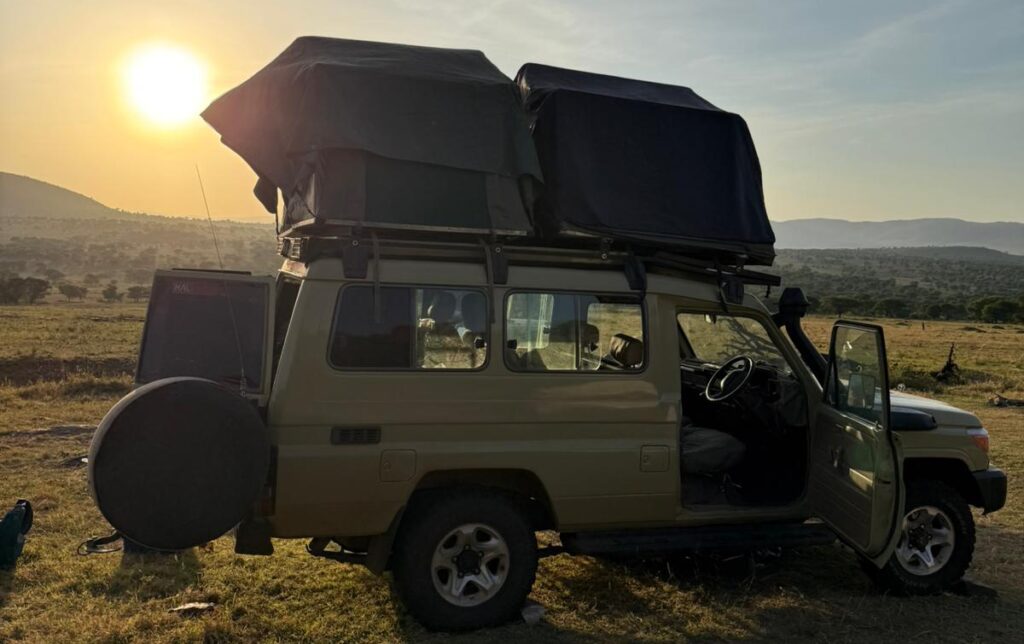
Self-Drive Guide to Crossing the Isebania–Sirari Border Between Kenya and Tanzania
Planning a self-drive safari from Kenya to Tanzania? The Isebania–Sirari Border is one of East Africa’s most important international crossings, connecting western Kenya with northern Tanzania. Whether you’re driving from Kisumu to Mwanza, combining the Maasai Mara with Serengeti National Park, or embarking on an extended East African road trip, this border offers a convenient and efficient gateway into Tanzania.
For self-drive travelers, crossing an international border can seem intimidating, especially when it involves immigration procedures, customs inspections, vehicle permits, and insurance requirements. Fortunately, the Isebania–Sirari Border has been modernized into a One-Stop Border Post (OSBP), making the process much faster and more organized than in previous years.
This comprehensive guide covers everything you need to know before crossing the border, including documentation, vehicle requirements, road conditions, driving tips, customs procedures, estimated travel times, nearby attractions, safety advice, and frequently asked questions.
Where is the Isebania–Sirari Border?
The Isebania–Sirari Border is located between western Kenya and northern Tanzania.
- Isebania lies in Migori County, Kenya.
- Sirari is situated in Tanzania’s Mara Region.
The crossing serves as one of the busiest land borders between the two countries and plays an essential role in tourism and trade. It is especially popular among travelers heading to Serengeti National Park from western Kenya or those driving between Lake Victoria destinations.
Unlike the Namanga Border, which connects Nairobi and Arusha, Isebania is preferred by travelers visiting western Tanzania, Mwanza, Musoma, and the western corridor of Serengeti.

Why Choose the Isebania Border for a Self-Drive Safari?
Many travelers automatically think of Namanga when planning a Kenya–Tanzania road trip. However, Isebania offers several advantages.
Shorter Route to Mwanza
If your destination is Mwanza or the southern shores of Lake Victoria, crossing at Isebania saves several hours compared to using Namanga.
Better Access to Western Serengeti
Travelers entering Serengeti through the Ndabaka Gate often find Isebania the most convenient crossing.
Less Congested
Although traffic varies seasonally, Isebania generally experiences fewer tourist vehicles than Namanga.
Ideal for Multi-Country Safaris
The crossing is an excellent choice for travelers combining:
- Maasai Mara
- Lake Victoria
- Serengeti National Park
- Mwanza
- Rubondo Island National Park
- Western Tanzania
Border Opening Hours
The Isebania–Sirari Border generally operates daily.
Most immigration offices are open from 6:00 AM to 6:00 PM, although official hours may occasionally change.
For self-drive travelers, it is advisable to arrive early in the day rather than close to closing time. This allows enough time to complete immigration and customs procedures without rushing.
Avoid planning to cross after dark.
Documents Required for Crossing
Preparing your paperwork before reaching the border will significantly reduce waiting time.
You should have:
- Passport valid for at least six months
- Valid visa (if applicable)
- Yellow Fever vaccination certificate (when required)
- Original vehicle registration certificate
- Valid driver’s licence
- International Driving Permit (recommended)
- Cross-border authorization letter if driving a rental vehicle
- Vehicle insurance valid in the destination country
- Emergency contact information
Keep both printed and digital copies of important documents.
Visa Requirements
Visa requirements depend on your nationality.
Some travelers qualify for Visa on Arrival, while others must obtain an electronic visa before traveling.
Always verify current visa requirements before departure, as regulations may change.
Carry enough cash or an internationally accepted payment card if you intend to obtain your visa at the border.
Vehicle Requirements
A properly prepared vehicle is essential for a successful self-drive safari.
Recommended equipment includes:
- Four-wheel drive vehicle
- High ground clearance
- Two spare tyres
- Jack
- Wheel brace
- Portable air compressor
- Tyre pressure gauge
- Tow rope
- Jumper cables
- Basic toolkit
- Fire extinguisher
- First aid kit
- Reflective warning triangles
- Torch
- Spare engine oil
- Coolant
- Extra drinking water
Although the roads leading to the border are paved, national park roads can become rough during the rainy season.
Crossing with a Rental Vehicle
If you are renting a vehicle, inform your rental company before traveling.
Most reputable safari rental companies require advance approval for cross-border travel.
You may need:
- Letter of authorization
- Cross-border permit
- Original vehicle registration
- Insurance certificate
- Temporary import documentation
Never attempt to cross with a rental vehicle without permission from the owner.
Step-by-Step Border Crossing Procedure
Step 1: Arrive at the Border
Park your vehicle in the designated parking area.
Lock valuables inside the vehicle.
Carry all important documents with you.
Step 2: Exit Kenya
Proceed to Kenyan Immigration.
Officials will:
- Check your passport
- Verify your visa status
- Stamp your passport
- Complete exit formalities
If requested, customs officers may inspect your vehicle documentation.
Step 3: Cross into Tanzania
After leaving Kenya, drive to the Tanzanian side at Sirari.
Follow signs directing you to Immigration.
Step 4: Enter Tanzania
Present:
- Passport
- Visa
- Yellow Fever certificate (if applicable)
Immigration officers will process your entry.
Step 5: Vehicle Customs Clearance
Next, customs officers process your vehicle.
They may verify:
- Registration
- Insurance
- Ownership
- Temporary import documents
Always keep these documents throughout your stay.
Step 6: Final Inspection
Occasionally, customs officers inspect luggage and vehicle contents.
This is routine.
Remain patient and cooperative.
Insurance Requirements
One of the most overlooked aspects of cross-border travel is vehicle insurance.
Your insurance must be recognized in Tanzania.
If your current policy is not valid, additional insurance may be required before entering the country.
Never assume your domestic insurance automatically covers international travel.
Road Conditions After Crossing
One of the pleasant surprises for many visitors is the quality of roads immediately after entering Tanzania.
Sirari to Tarime
Excellent paved road.
Tarime to Mwanza
Good tarmac highway with beautiful scenery.
Sirari to Musoma
Mostly paved with occasional roadworks.
Sirari to Serengeti (Ndabaka Gate)
Combination of paved roads and gravel sections depending on your chosen route.
Inside Serengeti National Park, roads become unpaved and conditions vary with the seasons.
Driving in Tanzania
Driving rules differ slightly from Kenya.
Key points include:
- Drive on the left-hand side.
- Seat belts are mandatory.
- Observe posted speed limits.
- Avoid using mobile phones while driving.
- Carry your driver’s licence at all times.
- Watch for speed humps near villages.
Police checkpoints are common.
Remain courteous and provide requested documents.
Fuel Availability
Fuel stations are available in:
- Migori
- Isebania
- Sirari
- Tarime
- Musoma
- Mwanza
If heading into Serengeti, fill your tank before entering the park.
Fuel inside national parks is limited and considerably more expensive.
Mobile Network Coverage
Coverage is generally good around:
- Isebania
- Sirari
- Tarime
- Mwanza
Signal becomes weaker in remote areas and inside national parks.
Downloading offline maps before departure is highly recommended.
Currency
Kenyan businesses primarily accept Kenyan Shillings.
After crossing into Tanzania, most transactions require Tanzanian Shillings.
Although some hotels and tourist businesses accept US Dollars, local currency is useful for:
- Fuel
- Snacks
- Local restaurants
- Parking
- Small purchases
ATMs are available in Tarime and Mwanza.
Food and Accommodation
Travelers can find restaurants, guesthouses, and lodges on both sides of the border.
Popular overnight stops include:
- Migori
- Tarime
- Musoma
- Mwanza
Booking accommodation in advance is recommended during peak safari season.
Estimated Driving Times
Approximate travel times include:
| Route | Driving Time |
|---|---|
| Kisumu – Isebania | 3–4 hours |
| Migori – Isebania | 45 minutes |
| Isebania – Tarime | 45 minutes |
| Isebania – Musoma | 2–3 hours |
| Isebania – Mwanza | 4–5 hours |
| Isebania – Ndabaka Gate | 3–4 hours |
| Ndabaka Gate – Central Serengeti | 5–7 hours |
Travel times vary depending on weather, road conditions, and wildlife sightings inside the park.
Attractions Near the Border
Serengeti National Park
One of Africa’s greatest wildlife destinations.
Expect lions, elephants, giraffes, leopards, buffalo, cheetahs, hyenas, and the world-famous Great Migration.
Lake Victoria
Africa’s largest lake offers:
- Boat trips
- Birdwatching
- Fishing
- Cultural experiences
Rubondo Island National Park
An isolated island park famous for:
- Chimpanzees
- Elephants
- Hippos
- Rare birds
Mwanza
Known as Tanzania’s Rock City, Mwanza offers:
- Beautiful lake views
- Local markets
- Restaurants
- Cultural attractions
Safety Tips
Successful self-drive travel depends on preparation.
Always:
- Drive during daylight.
- Avoid speeding.
- Keep emergency numbers accessible.
- Stay on established roads.
- Carry extra drinking water.
- Monitor fuel levels.
- Avoid displaying valuables.
- Respect wildlife.
- Follow ranger instructions inside parks.
Common Mistakes to Avoid
Many travelers experience unnecessary delays because they:
- Forget vehicle documents.
- Arrive after border closing time.
- Assume insurance is valid internationally.
- Carry insufficient cash.
- Fail to notify their rental company.
- Underestimate travel distances.
- Drive at night.
Planning ahead eliminates most of these issues.
Frequently Asked Questions
Can I cross with a rental vehicle?
Yes, provided your rental company authorizes cross-border travel and supplies all necessary documentation.
Do I need a 4×4?
A standard vehicle can reach the border via paved roads. However, a 4×4 is strongly recommended if your journey continues into Serengeti National Park or other remote safari destinations.
Is the border safe?
The Isebania–Sirari Border is generally considered safe for tourists. Exercise the same precautions you would at any international border by keeping valuables secure and following instructions from officials.
How long does the crossing take?
Processing time varies depending on traffic and documentation. With all paperwork in order, many travelers complete the formalities in about one to two hours, though delays can occur during holidays or peak travel periods.
Can I use US Dollars?
US Dollars are widely accepted for many tourism-related payments, but carrying Tanzanian Shillings is recommended for fuel, meals, and small purchases.
Is fuel available after crossing?
Yes. Fuel stations are available in Sirari, Tarime, Musoma, and Mwanza. If you plan to enter Serengeti National Park, fill your tank before entering the park.
Final Thoughts
The Isebania–Sirari Border is one of the most practical and rewarding gateways for self-drive travelers exploring East Africa. Its strategic location makes it ideal for journeys between western Kenya and northern Tanzania, offering easy access to destinations such as Mwanza, Lake Victoria, Rubondo Island National Park, and the world-renowned Serengeti National Park.
While crossing an international border may seem daunting, careful preparation can make the process straightforward. Ensuring that your passport, visa, vehicle registration, insurance, and rental authorization documents are in order will help you avoid unnecessary delays. Equipping your vehicle for long-distance travel, planning fuel stops, and allowing enough time to complete border formalities will also contribute to a smoother experience.
For travelers seeking the freedom to explore East Africa at their own pace, the Isebania–Sirari Border provides an excellent starting point. From scenic highways and vibrant local towns to unforgettable wildlife encounters in Tanzania’s iconic national parks, this route combines convenience, adventure, and flexibility. Whether you’re embarking on a short cross-border trip or a multi-country overland expedition, the journey through Isebania and Sirari promises an authentic and memorable self-drive safari experience.