
14 Days Tanzania Safari: From Tarangire’s Giants to the Great Migration in Northern Serengeti
Tanzania is one of Africa’s most spectacular safari destinations, a country blessed with vast wilderness, incredible wildlife, dramatic landscapes, and some of the most iconic national parks on the planet. For travelers seeking the ultimate safari experience, a 14-day journey through the Northern Safari Circuit offers an unforgettable adventure that combines world-class game viewing, rich cultural encounters, and luxurious moments in the heart of nature.
This carefully designed itinerary takes you from the bustling safari capital of Arusha to the elephant-rich plains of Tarangire, the lush forests of Lake Manyara, the cultural melting pot of Mto wa Mbu, the endless plains of Serengeti, the wildlife-rich Northern Serengeti migration zone, and finally the breathtaking Ngorongoro Crater before returning to Arusha.
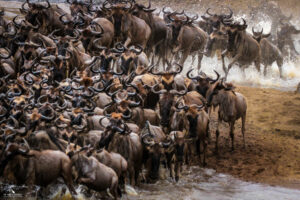
October is one of the most rewarding times to visit Tanzania. Wildlife congregates around permanent water sources in Tarangire, predators are highly active in Serengeti, and visitors may witness one of nature’s greatest spectacles—the Great Migration river crossings in Northern Serengeti.
Brief Itinerary
Based on your route, here is a professionally formatted safari itinerary overview:
| Day | Destination | Overnight Location |
|---|---|---|
| Day 1 | Arrival in Arusha | Arusha |
| Day 2 | Arusha (Leisure / Safari Briefing) | Arusha |
| Day 3 | Arusha to Tarangire National Park | Tarangire Area |
| Day 4 | Full Day Tarangire National Park | Tarangire Area |
| Day 5 | Tarangire to Lake Manyara National Park | Mto wa Mbu |
| Day 6 | Mto wa Mbu Cultural Activities and Transfer to Karatu | Karatu |
| Day 7 | Karatu to Central Serengeti National Park | Central Serengeti |
| Day 8 | Full Day Game Drive in Central Serengeti | Central Serengeti |
| Day 9 | Full Day Game Drive in Central Serengeti | Central Serengeti |
| Day 10 | Central Serengeti to Northern Serengeti | Northern Serengeti |
| Day 11 | Full Day Northern Serengeti (Migration Viewing) | Northern Serengeti |
| Day 12 | Northern Serengeti to Ngorongoro Conservation Area | Ngorongoro Rim / Karatu |
| Day 13 | Ngorongoro Crater Tour | Karatu |
| Day 14 | Karatu to Arusha – Departure | Arusha / Airport |
Route Summary
Arusha → Tarangire National Park → Lake Manyara → Mto wa Mbu → Karatu → Central Serengeti → Northern Serengeti → Ngorongoro Crater → Arusha
Detailed Itinerary
Day 1: Arrival in Arusha – Gateway to Tanzania’s Wilderness
Your adventure begins upon arrival at Kilimanjaro International Airport. As you step off the plane, warm Tanzanian hospitality welcomes you to East Africa.
A professional safari representative greets you and transfers you to Arusha, the tourism hub of Tanzania and the starting point for most Northern Circuit safaris.
Nestled beneath the slopes of Mount Meru, Arusha is a vibrant city where modern life meets safari culture. Coffee plantations, bustling markets, and distant mountain views create the perfect introduction to Tanzania.
After checking into your lodge, spend the remainder of the day relaxing after your international flight. The sounds of tropical birds and the cool highland climate provide an ideal setting to prepare for the adventure ahead.
As evening falls, enjoy a welcome dinner and safari briefing from your guide, who will introduce you to the incredible journey awaiting over the next two weeks.
Day 2: Exploring Arusha
A full day in Arusha allows travelers to ease into safari life while exploring one of Tanzania’s most fascinating cities.
Depending on your interests, you may visit local markets, coffee plantations, cultural centers, or simply enjoy the amenities of your lodge.
Many visitors choose to explore the Cultural Heritage Centre, where Tanzanian art, gemstones, and handcrafted souvenirs showcase the country’s diverse cultures.
Others prefer visiting nearby coffee estates to learn how some of Africa’s finest coffee is grown, harvested, and processed.
This leisurely day serves as a perfect transition between international travel and the wilderness experiences that follow.
As the sun sets behind Mount Meru, excitement builds for tomorrow’s departure into Tanzania’s legendary national parks.
Day 3: Arusha to Tarangire National Park
After breakfast, your safari officially begins as you depart Arusha and travel southwest toward Tarangire National Park.
The drive passes through Maasai villages, rolling hills, and open countryside before arriving at one of Tanzania’s most underrated wildlife destinations.
Tarangire is famous for its enormous elephant population. It is not uncommon to encounter herds numbering over one hundred individuals gathering around the Tarangire River.
The park is equally renowned for its giant baobab trees. These ancient giants, often called the “Tree of Life,” dominate the landscape and create one of Africa’s most unique safari environments.
Your first game drive introduces you to Tarangire’s remarkable wildlife diversity. Zebra, wildebeest, giraffe, buffalo, impala, and warthogs are common sightings.
Predators such as lions and leopards frequently patrol the riverine habitats, while cheetahs occasionally appear in open grasslands.
Bird enthusiasts are especially rewarded here, as Tarangire hosts more than 500 bird species.
As the day ends, retire to your lodge or tented camp and enjoy views of the African wilderness under a sky filled with stars.
Day 4: Full Day in Tarangire National Park
A full day in Tarangire allows ample time to explore its hidden corners and diverse ecosystems.
Morning game drives often reveal predators returning from nighttime hunts. Lions can frequently be seen resting beneath acacia trees while elephants begin their daily search for food and water.
The Tarangire River serves as a lifeline for wildlife during the dry season. Animals from across the region converge here, creating exceptional game-viewing opportunities.

One of the highlights of a full-day safari is observing elephant family dynamics. Experienced guides often identify individual elephants and explain their social structures and behaviors.
Throughout the day, visitors may witness dramatic interactions between predators and prey, as well as fascinating birdlife inhabiting the wetlands and woodlands.
By evening, you’ll understand why Tarangire is considered one of Tanzania’s hidden safari gems.
Day 5: Tarangire to Lake Manyara National Park
Leaving Tarangire behind, the safari continues toward Lake Manyara National Park.
Although relatively small compared to other parks on the itinerary, Lake Manyara offers extraordinary ecological diversity.
The park stretches between the dramatic Great Rift Valley escarpment and the alkaline waters of Lake Manyara.
Upon entering the park, visitors encounter lush groundwater forests filled with towering mahogany and fig trees.
Blue monkeys and baboons are frequently seen in these forested areas, creating a completely different atmosphere from Tarangire’s dry savannah.
Lake Manyara is famous for its tree-climbing lions, a rare behavior observed only in a few locations across Africa.
The lake itself attracts thousands of flamingos, pelicans, storks, and other waterbirds.
Hippos wallow in shallow pools while elephants roam beneath dense forest canopies.
After a rewarding game drive, continue to Mto wa Mbu for an overnight stay.
Day 6: Mto wa Mbu Cultural Experience and Transfer to Karatu
Unlike traditional safari days focused entirely on wildlife, today introduces visitors to Tanzania’s rich cultural heritage.
Mto wa Mbu is one of the country’s most diverse communities, home to more than 120 ethnic groups.
A guided cultural tour offers opportunities to explore local farms, markets, schools, and artisan workshops.
Visitors learn about banana cultivation, traditional farming practices, and local food production.
A bicycle ride through the village provides an intimate glimpse into daily life and allows meaningful interaction with local residents.
Traditional Tanzanian cuisine offers another memorable highlight, with freshly prepared meals showcasing local ingredients and flavors.
In the afternoon, continue to Karatu, a charming town situated near the Ngorongoro Highlands.
Surrounded by coffee farms and fertile hills, Karatu provides a peaceful setting before entering the Serengeti ecosystem.
Day 7: Karatu to Central Serengeti
Today marks one of the most exciting transitions of the safari as you journey toward the world-famous Serengeti National Park.
The route passes through the Ngorongoro Conservation Area, offering spectacular views across volcanic landscapes and endless plains.
As you descend into the Serengeti ecosystem, the scenery transforms dramatically.
The name Serengeti originates from a Maasai word meaning “endless plains,” and the vast horizon quickly reveals why.
Wildlife sightings begin almost immediately.
Large herds of wildebeest and zebra roam the grasslands while giraffes browse acacia trees.
Predators are abundant here, with lions, cheetahs, leopards, and hyenas occupying various habitats throughout the park.
Arriving in Central Serengeti, settle into your lodge or tented camp before enjoying an evening game drive.
Sunsets across the Serengeti are legendary, painting the sky with shades of gold, orange, and crimson.
Day 8: Full Day in Central Serengeti
A full day in Central Serengeti provides extraordinary wildlife opportunities.
The Seronera Valley, located within Central Serengeti, is renowned for year-round wildlife concentrations due to its permanent water sources.
Early morning game drives offer the best chance of witnessing predators in action.
Lions frequently patrol the plains, while leopards often rest in acacia trees overlooking dry riverbeds.
Cheetahs utilize open grasslands to hunt gazelles and young antelope.
The region is also famous for large crocodiles, hippos, and abundant birdlife.
Every game drive presents unique encounters and surprises, making each day different from the last.
As darkness falls, the sounds of the African wilderness create an unforgettable safari atmosphere.
Day 9: Another Day in Central Serengeti
A second full day allows deeper exploration of the Serengeti’s diverse habitats.
Experienced guides tailor the day according to recent wildlife movements and sightings.
Some visitors may spend hours observing a lion pride with cubs, while others may follow a coalition of cheetahs stalking prey across the plains.
Patience often yields extraordinary rewards.
The Serengeti ecosystem supports one of the largest concentrations of predators in Africa, making every game drive a potential wildlife documentary unfolding before your eyes.
Photographers particularly appreciate the soft morning and evening light that illuminates the landscape.
By the end of this day, travelers often realize why the Serengeti consistently ranks among the world’s greatest safari destinations.
Day 10: Central Serengeti to Northern Serengeti
The journey continues northward through the vast Serengeti ecosystem.
As you travel toward Northern Serengeti, the landscape gradually changes.
Rolling hills, river systems, and wooded savannahs replace some of the open plains characteristic of Central Serengeti.
This region becomes especially significant during migration season.
Millions of wildebeest, accompanied by zebra and gazelle, move across the ecosystem in search of fresh grazing.
The Mara River serves as one of the migration’s most dramatic obstacles.
Along the way, wildlife sightings remain exceptional, ensuring the transfer itself becomes a memorable safari experience.
Day 11: Full Day in Northern Serengeti
October is one of the best months to explore Northern Serengeti.
This region offers the possibility of witnessing Great Migration river crossings, one of nature’s most breathtaking spectacles.
Massive herds gather along riverbanks before suddenly surging into crocodile-filled waters.
The crossing is unpredictable, creating an atmosphere of anticipation and excitement.
Even when crossings are not occurring, Northern Serengeti provides exceptional wildlife viewing.
Large lion prides, elephants, giraffes, topi, and eland thrive in this remote wilderness.
The area receives fewer visitors than Central Serengeti, creating a more exclusive safari experience.
Game drives throughout the day maximize opportunities to observe migration activity and predator interactions.
Day 12: Northern Serengeti to Ngorongoro Conservation Area
After breakfast, begin the journey south toward Ngorongoro.
This scenic drive offers one final opportunity to experience Serengeti’s incredible wildlife.
As you approach the Ngorongoro Highlands, dramatic volcanic landscapes emerge on the horizon.
The elevation increases significantly, bringing cooler temperatures and lush vegetation.
Arriving near the crater rim or Karatu area, enjoy a relaxing evening while preparing for one of Africa’s most celebrated natural wonders.
Day 13: Ngorongoro Crater Safari
Few places on Earth rival the beauty and wildlife density of Ngorongoro Crater.
Formed when a massive volcano collapsed millions of years ago, the crater creates a self-contained ecosystem supporting approximately 25,000 large animals.
Descending 600 meters into the crater feels like entering a lost world.
The crater floor hosts lions, elephants, buffalo, zebra, wildebeest, hippos, hyenas, jackals, and countless bird species.
Ngorongoro is also among the best places in Tanzania to spot the endangered black rhinoceros.
Permanent water sources and fertile grasslands sustain wildlife year-round, resulting in exceptional game-viewing opportunities.
The scenery itself is equally remarkable, with forests, wetlands, lakes, and open plains enclosed by towering crater walls.
A picnic lunch enjoyed amidst this stunning landscape becomes one of the safari’s most memorable moments.
By late afternoon, ascend the crater walls and return to your lodge.
Day 14: Return to Arusha and Departure
The final day of the safari begins with breakfast in Karatu before driving back to Arusha.
The journey provides time to reflect on the incredible experiences of the past two weeks.
From Tarangire’s giant elephant herds and ancient baobabs to Lake Manyara’s forests, Serengeti’s endless plains, Northern Serengeti’s migration drama, and Ngorongoro’s wildlife-rich crater, this safari showcases the very best of Tanzania.
Depending on flight schedules, guests may enjoy lunch in Arusha or undertake some last-minute shopping before transferring to Kilimanjaro International Airport.
Although the safari comes to an end, the memories remain forever.
Why Choose This 14-Day Tanzania Safari?
This itinerary is carefully designed to balance wildlife viewing, cultural immersion, relaxation, and exploration.
Highlights include:
- Two nights in Arusha for a comfortable start.
- Extensive wildlife viewing in Tarangire National Park.
- Exploration of Lake Manyara National Park.
- Authentic cultural experiences in Mto wa Mbu.
- Three nights in Central Serengeti.
- Two nights in Northern Serengeti during migration season.
- Full-day safari in Ngorongoro Crater.
- Excellent opportunities to see the Big Five.
- Possibility of witnessing the Great Migration river crossings.
Final Thoughts
For travelers seeking a complete Tanzania safari experience, few itineraries compare to this 14-day adventure through the Northern Circuit. Combining iconic national parks, diverse landscapes, abundant wildlife, cultural interactions, and comfortable accommodations, it delivers the very essence of East African safari travel.
Whether it is watching elephants beneath towering baobab trees in Tarangire, witnessing predators on the Serengeti plains, observing migration herds near the Mara River, or descending into the magnificent Ngorongoro Crater, every day offers a new chapter in an unforgettable African story.
This is more than a safari—it is a journey through one of the world’s last great wildernesses, where every sunrise brings new discoveries and every sunset leaves lasting memories.