
Uganda to Tanzania Self-Drive Safari Experience: The Ultimate East African Road Adventure
Few travel experiences in Africa can match the freedom, excitement, and sense of discovery that comes with a self-drive safari from Uganda to Tanzania. Combining these two remarkable countries creates an unforgettable journey through diverse landscapes, abundant wildlife habitats, vibrant cultures, and some of the continent’s most iconic national parks.
Unlike a traditional guided safari, a self-drive adventure allows travelers to set their own pace, explore hidden gems, spend extra time at favorite locations, and enjoy the thrill of navigating East Africa’s spectacular wilderness. Whether you are a seasoned overland traveler or embarking on your first African road trip, a Uganda-to-Tanzania self-drive safari offers an authentic and rewarding experience that few other journeys can rival.
From tracking mountain gorillas in Uganda’s mist-covered forests to witnessing the vast plains of Tanzania’s famous safari parks, this cross-border adventure showcases the incredible diversity that East Africa has to offer.
Why Combine Uganda and Tanzania in One Self-Drive Safari?
Many visitors choose either Uganda or Tanzania for their safari holiday, but combining both destinations provides a much richer East African experience.
Uganda is often referred to as the “Pearl of Africa,” a title given by Winston Churchill due to the country’s stunning natural beauty. It is renowned for mountain gorillas, chimpanzees, lush forests, crater lakes, and scenic highlands.
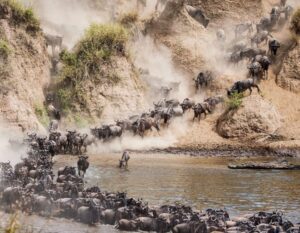
Tanzania, on the other hand, is famous for classic African safaris, the Great Migration, endless savannahs, and some of Africa’s most celebrated wildlife destinations.
By driving between the two countries, travelers experience:
- Gorilla trekking and traditional wildlife safaris
- Rainforests and open savannahs
- Mountains and lakes
- Cultural encounters with multiple communities
- Diverse ecosystems
- Greater flexibility than domestic flights
- Significant cost savings for longer trips
The journey itself becomes an important part of the adventure rather than simply a means of getting from one destination to another.
Is It Possible to Self-Drive from Uganda to Tanzania?
Yes, it is entirely possible to undertake a self-drive safari from Uganda to Tanzania.
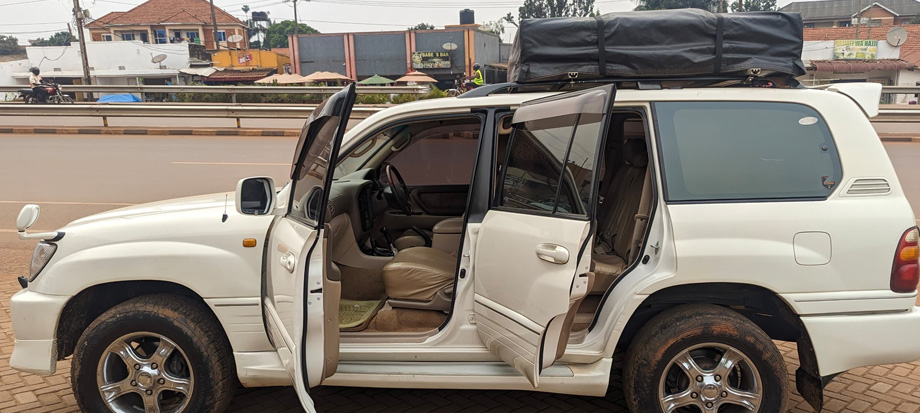
Many East African vehicle rental companies offer specially prepared 4×4 safari vehicles capable of crossing borders within the region. Travelers can either rent a vehicle in Uganda and continue into Tanzania or hire a vehicle in Tanzania and begin their journey there before entering Uganda.
Cross-border travel typically requires:
- Passport
- Valid visa(s)
- Vehicle registration documents
- Cross-border authorization letter
- COMESA insurance or East African insurance coverage
- Driver’s license
- International Driving Permit (recommended)
Most reputable safari vehicle rental companies assist with these requirements before departure.
Choosing the Right Safari Vehicle
A successful Uganda-Tanzania self-drive safari begins with selecting the right vehicle.
Road conditions vary considerably across East Africa. While major highways are generally in good condition, remote safari tracks can be rough, muddy, and challenging, particularly during the rainy seasons.
Popular choices include:
Toyota Land Cruiser
The Toyota Land Cruiser remains the gold standard for East African safaris. It offers:
- Exceptional reliability
- High ground clearance
- Excellent off-road capability
- Large fuel capacity
- Comfortable long-distance travel
Toyota Hilux
A favorite among adventurous travelers, the Hilux provides:
- Strong off-road performance
- Lower rental costs
- Rooftop tent compatibility
- Easy maintenance
Land Cruiser Prado
Ideal for couples and families seeking a balance between comfort and safari performance.
Many travelers equip their vehicles with:
- Rooftop tents
- Camping equipment
- Refrigerators
- Recovery gear
- Extra fuel storage
- GPS navigation systems
These additions greatly enhance the self-drive experience.
Suggested Route: Uganda to Tanzania
One of the most rewarding routes begins in Uganda and gradually moves south into Tanzania.
Arrival in Entebbe
Most international visitors arrive via Entebbe International Airport.
After collecting the vehicle and supplies, travelers typically spend a night in Entebbe before beginning the safari.
Murchison Falls National Park
The first major safari destination is often Murchison Falls National Park.
This park combines spectacular scenery with excellent wildlife viewing.
Highlights include:
- Lions
- Elephants
- Buffalo
- Giraffes
- Hippos
- Nile crocodiles
- Boat safaris on the Nile River
The dramatic Murchison Falls themselves are among East Africa’s most impressive natural attractions.
Kibale Forest National Park
Continuing southwest brings travelers to Kibale National Park.
The forest is internationally famous for chimpanzee tracking experiences.
Visitors often encounter:
- Chimpanzees
- Red colobus monkeys
- L’Hoest’s monkeys
- Forest birds
- Butterflies
The cool forest environment contrasts dramatically with the open savannah landscapes encountered elsewhere.
Queen Elizabeth National Park
Next comes Queen Elizabeth National Park.
This diverse park offers:
- Tree-climbing lions
- Elephants
- Hippos
- Leopards
- Numerous bird species
The Kazinga Channel boat cruise is often considered one of Africa’s finest wildlife-viewing experiences.
Bwindi Impenetrable Forest
No Uganda safari is complete without visiting Bwindi Impenetrable National Park.
The highlight is mountain gorilla trekking.
Coming face-to-face with a gorilla family in their natural habitat is frequently described as a life-changing wildlife encounter.
Crossing into Tanzania
After exploring Uganda, travelers continue south through neighboring East African countries before entering Tanzania.
Popular entry routes eventually connect travelers to northern Tanzania’s famous safari circuit.
Cross-border procedures are generally straightforward when all documentation has been prepared in advance.
Patience is important, as border formalities can take several hours depending on traffic and seasonal demand.
Exploring Northern Tanzania
Northern Tanzania is home to some of Africa’s most famous safari destinations.
Tarangire National Park
Tarangire National Park is often the first major wildlife destination encountered.
The park is famous for:
- Massive elephant herds
- Ancient baobab trees
- Seasonal river systems
- Excellent predator sightings
During the dry season, wildlife concentrations become extraordinary.
Lake Manyara National Park
Lake Manyara National Park offers a compact but rewarding safari experience.
The park features:
- Groundwater forests
- Flamingos
- Tree-climbing lions
- Baboons
- Scenic escarpments
Its ecological diversity makes it an excellent stop during a self-drive itinerary.
Ngorongoro Conservation Area
One of Africa’s greatest natural wonders is the Ngorongoro Conservation Area.
The Ngorongoro Crater contains:
- Lions
- Rhinos
- Buffalo
- Hyenas
- Zebras
- Wildebeest
The crater’s enclosed ecosystem creates remarkable wildlife densities.
Driving down into the crater is often a highlight of any East African safari.
Serengeti National Park
The crown jewel of Tanzania’s safari destinations is undoubtedly Serengeti National Park.
Its endless plains support:
- The Great Migration
- Large lion populations
- Cheetahs
- Leopards
- Hyenas
- Elephants
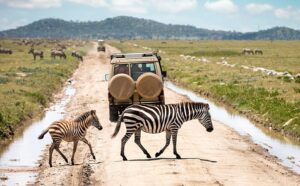
For self-drive travelers, the Serengeti provides a unique sense of wilderness and freedom.
Days can be spent exploring remote tracks and discovering wildlife away from crowded safari vehicles.
Camping Along the Way
One of the biggest advantages of a self-drive safari is the ability to camp throughout the journey.
East Africa offers numerous:
- Public campsites
- Private campsites
- Special campsites
- Community camps
Camping allows travelers to:
- Reduce accommodation costs
- Stay closer to nature
- Enjoy spectacular sunsets
- Listen to wildlife at night
- Experience greater flexibility
Many travelers find evenings around the campfire among the most memorable moments of the trip.
Wildlife You Can Expect to See
A Uganda-to-Tanzania safari delivers exceptional biodiversity.
Possible sightings include:
- Mountain gorillas
- Chimpanzees
- Lions
- Leopards
- Cheetahs
- Elephants
- Buffalo
- Rhinos
- Giraffes
- Zebras
- Wildebeest
- Hippos
- Crocodiles
- Hyenas
- Hundreds of bird species
Few African journeys offer such a comprehensive wildlife experience.
Road Conditions
Road quality varies throughout the route.
Major highways are generally paved and suitable for comfortable travel.
Safari roads may include:
- Gravel sections
- Corrugated tracks
- Sand
- Mud
- River crossings
Travelers should avoid driving after dark whenever possible due to wildlife, livestock, and reduced visibility.
Maintaining moderate speeds improves both safety and vehicle reliability.
Best Time for the Journey
This adventure can be undertaken throughout the year, but the dry seasons generally provide the best conditions.
June to October
This is often considered the ideal safari period.
Benefits include:
- Easier wildlife viewing
- Better road conditions
- Comfortable temperatures
- Reduced mosquito activity
December to February
Another excellent travel window.
Visitors enjoy:
- Pleasant weather
- Calving season in parts of Tanzania
- Good wildlife viewing
Rainy Seasons
March to May and November can bring challenging road conditions.
However, travelers benefit from:
- Fewer tourists
- Green landscapes
- Excellent photography opportunities
- Lower accommodation rates
Cultural Encounters Along the Route
A self-drive safari is about more than wildlife.
Travelers encounter a rich variety of cultures including:
- Baganda communities
- Banyankole communities
- Chagga communities
- Iraqw communities
- Maasai communities
Visits to villages, markets, and local projects provide valuable insight into East African life beyond the national parks.
These interactions often become some of the most meaningful memories of the journey.
Costs of a Uganda-to-Tanzania Self-Drive Safari
Costs vary according to:
- Vehicle type
- Travel duration
- Park choices
- Accommodation preferences
- Number of travelers
Major expenses include:
- Vehicle rental
- Fuel
- Park fees
- Gorilla permits
- Camping or lodging
- Food
- Insurance
- Border documentation
For groups of friends or families, self-drive travel often represents excellent value compared with fully guided private safaris.
Safety Tips
Successful self-drive safaris depend on preparation.
Important recommendations include:
- Carry multiple navigation options
- Maintain regular fuel reserves
- Keep emergency contact numbers
- Follow park regulations
- Avoid night driving
- Secure valuables
- Monitor weather forecasts
- Respect wildlife distances
With sensible precautions, East Africa remains a rewarding destination for independent travelers.
Why This Adventure Is So Special
A Uganda-to-Tanzania self-drive safari combines two of Africa’s most extraordinary destinations into one epic journey. Few experiences can match the excitement of waking up in a rooftop tent beside a remote wildlife area, driving through changing landscapes, crossing international borders, and encountering everything from mountain gorillas to vast herds of migrating wildebeest.
The freedom to create your own itinerary, stop whenever something captures your attention, and experience East Africa on your own terms makes this type of safari uniquely rewarding. Rather than simply visiting national parks, you become part of the journey itself.
For travelers seeking adventure, independence, wildlife, culture, and unforgettable scenery, a self-drive safari from Uganda to Tanzania stands among the greatest road-trip experiences available anywhere in Africa.