
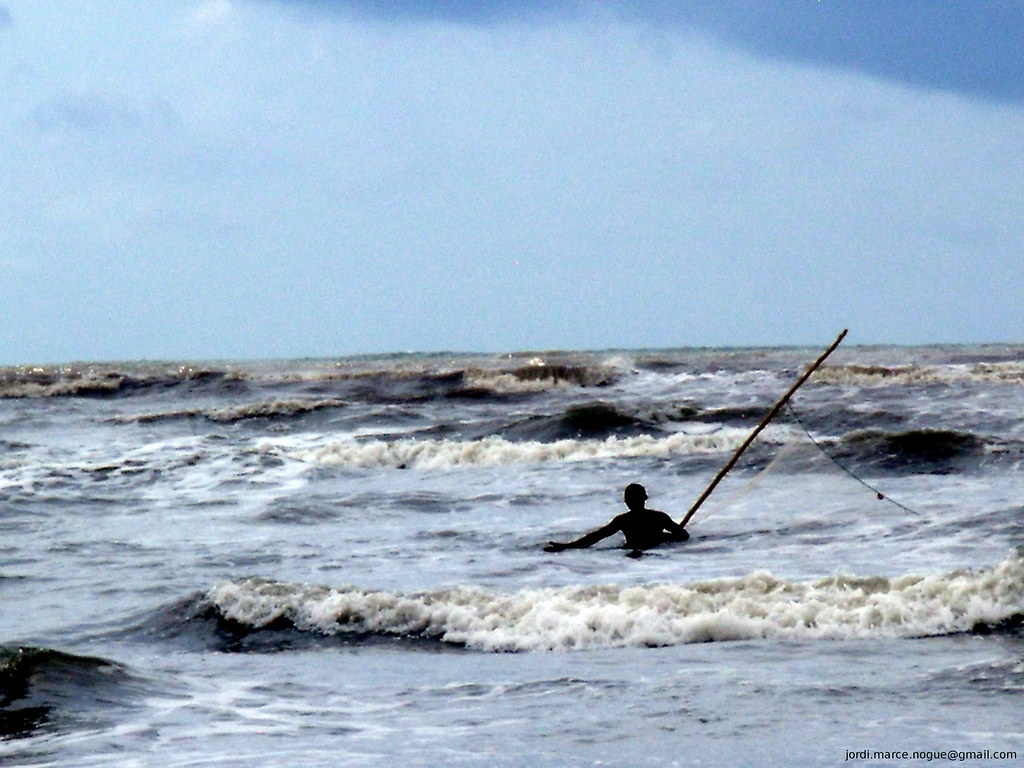
30 Days Tanzania and Mozambique Self-Drive Adventure: The Ultimate East African Road Trip
Introduction
For travelers seeking a true African overland experience, few journeys can rival a 30-day self-drive adventure through Tanzania and Mozambique. Combining world-famous wildlife destinations, scenic mountain landscapes, historic towns, vibrant cultures, and some of the most beautiful beaches on the Indian Ocean, this route offers an unforgettable blend of safari, exploration, and relaxation.
Unlike traditional guided tours, a self-drive journey gives you complete freedom to travel at your own pace. You can stop in small villages, discover hidden viewpoints, spend extra days in places you love, and experience East Africa in a more authentic way. The route takes you from the safari capital of northern Tanzania through the country’s diverse southern regions before crossing into Mozambique, where palm-fringed beaches, colonial history, and warm coastal culture await.
Whether you are an experienced overlander or embarking on your first African road trip, this itinerary provides the perfect balance between adventure and comfort while showcasing some of the most spectacular destinations in East Africa.
Why Choose a Tanzania and Mozambique Self-Drive Trip?
Traveling independently across Tanzania and Mozambique allows visitors to experience both countries beyond the typical tourist routes. The journey combines wildlife encounters with cultural exploration and beach escapes, creating a diverse travel experience that few destinations can match.
The landscapes change dramatically throughout the trip. One day you may find yourself driving beneath Mount Kilimanjaro, while a few days later you are exploring the Indian Ocean coastline or watching elephants in a national park. As you continue south, the scenery transforms again into rolling highlands, agricultural regions, remote villages, and eventually the tropical beaches of Mozambique.
The freedom of having your own vehicle means every day becomes part of the adventure.
Best Time to Travel
The dry season from June to October is generally considered the best time for a Tanzania and Mozambique self-drive expedition. During these months, roads are in better condition, wildlife viewing is excellent, and coastal weather is pleasant.
Travel during the green season between November and March is still possible and offers lush scenery and fewer tourists, although some roads may become challenging after heavy rains. Travelers planning a self-drive trip during this period should allow extra travel time and prepare for occasional weather-related delays.
Choosing the Right Vehicle
A reliable four-wheel-drive vehicle is highly recommended for this journey. While many sections of the route follow paved highways, some roads leading to beaches, campsites, and remote attractions can be rough.
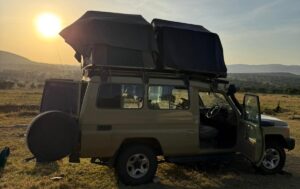
Vehicles such as the Toyota Land Cruiser, Toyota Prado, Toyota Hilux, or Toyota RAV4 are popular choices for East African overland travel. For travelers planning to camp, a rooftop tent setup provides flexibility and allows access to some of the region’s most scenic campsites.
Before departure, ensure the vehicle is equipped with recovery gear, spare tires, a first aid kit, navigation tools, and all necessary documentation for cross-border travel.
Days 1–3: Arrival in Arusha
Your adventure begins in Arusha, Tanzania’s gateway to the northern safari circuit. Nestled beneath the slopes of Mount Meru, Arusha serves as the perfect starting point for preparing both yourself and your vehicle for the journey ahead.
Spend your first days settling in, purchasing supplies, checking camping equipment, and exploring the city’s vibrant atmosphere. Local markets, coffee shops, and cultural centers provide an excellent introduction to Tanzania.
The nearby coffee farms offer fascinating tours where visitors can learn about the country’s coffee-growing traditions while enjoying stunning views of the surrounding countryside.
Days 4–5: Exploring Moshi and Mount Kilimanjaro
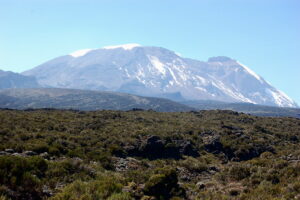
A short drive from Arusha brings you to Moshi, a charming town located at the foot of Mount Kilimanjaro. The mountain dominates the landscape and provides a dramatic backdrop throughout your stay.
Moshi is known for its relaxed atmosphere, coffee plantations, waterfalls, and welcoming local communities. Visitors can spend their days exploring nearby villages, hiking to scenic waterfalls, or simply enjoying views of Africa’s highest mountain.
The town offers an ideal opportunity to acclimatize to East African travel while enjoying one of Tanzania’s most iconic destinations.
Days 6–7: Journey to the Coast and Pangani
Leaving the mountains behind, the route heads southeast toward the Indian Ocean. As the landscape gradually changes, palm trees begin to replace highland forests and the warm coastal climate becomes increasingly noticeable.
Pangani is one of Tanzania’s most historic coastal towns and remains largely untouched by mass tourism. Its peaceful beaches, Swahili culture, and rich history make it a hidden gem along the coast.
Walking through Pangani’s streets offers glimpses into centuries of trade and cultural exchange. Traditional dhow boats still sail the waters, while fishermen continue practices passed down through generations.
Days 8–10: Discovering Dar es Salaam
The journey continues south to Dar es Salaam, Tanzania’s largest city and commercial center. Although many travelers view Dar as merely a transit point, the city offers plenty to explore.
Visitors can wander through bustling markets, sample local cuisine, visit museums, and enjoy the lively atmosphere of the waterfront. The city’s diverse population reflects Tanzania’s rich cultural heritage, creating a fascinating blend of African, Arab, Indian, and European influences.
Dar es Salaam is also an excellent location for vehicle servicing and final preparations before heading into the more remote regions of southern Tanzania.
Days 11–12: Wildlife Encounters in Mikumi National Park
Leaving the coast behind, the road leads inland toward Mikumi National Park. Often compared to the Serengeti due to its open plains and abundant wildlife, Mikumi offers excellent game viewing opportunities.
Large herds of zebras, wildebeests, buffaloes, and giraffes roam the park, while predators such as lions are frequently spotted. The scenic backdrop of the Uluguru Mountains adds further beauty to the experience.
A full day exploring Mikumi provides a memorable safari experience without the crowds often found in Tanzania’s more famous parks.
Days 13–14: The Highlands of Iringa
Continuing southward, the route climbs into the cooler highlands surrounding Iringa. The town’s elevated location provides refreshing temperatures and spectacular scenery.
Iringa’s colonial architecture, local markets, and relaxed pace make it a pleasant stop along the journey. Nearby attractions such as the Isimila Stone Age Site offer fascinating insights into Tanzania’s ancient history.
The surrounding countryside is characterized by rolling hills, dramatic rock formations, and traditional farming communities.
Days 15–16: Exploring Mbeya
Further south lies Mbeya, one of Tanzania’s most scenic regions. Surrounded by mountains, tea estates, and fertile farmland, Mbeya showcases a side of Tanzania rarely seen by international tourists.
The area is particularly attractive to nature lovers. Crater lakes, waterfalls, and mountain viewpoints provide countless opportunities for exploration and photography.
Travelers often find themselves extending their stay in Mbeya simply to enjoy the region’s natural beauty and welcoming atmosphere.
Days 17–18: Through Rural Tanzania to Songea
The road to Songea passes through some of Tanzania’s least-visited yet most authentic regions. Villages, agricultural landscapes, and forested hills dominate the scenery.
Driving through this part of the country provides a deeper appreciation of everyday life in rural Tanzania. Markets, roadside vendors, and friendly local communities offer memorable interactions along the way.
Songea serves as a convenient overnight stop before the final stretch toward the coast.
Days 19–20: Reaching Mtwara
As you approach Mtwara, the landscape gradually transitions from inland highlands to coastal plains. The warm ocean air signals your arrival at Tanzania’s southern coastline.
Mtwara is a relaxed coastal city with beautiful beaches and a rich cultural heritage. Visitors can enjoy fresh seafood, explore historic sites, and relax after several days of driving.
The city also serves as the final major stop before crossing into Mozambique.
Day 21: Crossing into Mozambique
Crossing the Tanzania-Mozambique border marks the beginning of a new chapter in the journey. While border procedures require patience and proper documentation, the process is generally straightforward for well-prepared travelers.
Once inside Mozambique, the atmosphere changes noticeably. Portuguese influence becomes visible in the language, architecture, and cuisine, creating a distinct cultural experience compared to Tanzania.
Days 22–23: Coastal Paradise in Pemba
Pemba is among Mozambique’s most beautiful coastal destinations. Surrounded by turquoise waters and coral reefs, the city offers a perfect introduction to the country’s famous coastline.
Days here can be spent snorkeling, diving, relaxing on the beach, or exploring local communities. The pace of life slows considerably, encouraging travelers to embrace the relaxed coastal lifestyle.
Days 24–25: The Historic Island of Mozambique
One of the highlights of the entire journey is Ilha de Moçambique, a UNESCO World Heritage Site that once served as the capital of Portuguese East Africa.
The island’s narrow streets, historic buildings, churches, and forts tell the story of centuries of maritime trade connecting Africa, Europe, and Asia.
Walking through the island feels like stepping back in time, making it one of Mozambique’s most fascinating destinations.
Days 26–27: Vilanculos and the Bazaruto Archipelago
Continuing south, the route reaches Vilanculos, the gateway to the spectacular Bazaruto Archipelago.
The crystal-clear waters and white sand beaches here rank among the finest in Africa. Visitors can take boat trips to nearby islands, snorkel among colorful coral reefs, or simply relax while enjoying views of the Indian Ocean.
Vilanculos represents the perfect combination of adventure and tropical paradise.
Days 28–29: Tofo and Inhambane
The final beach destination of the journey is Tofo, famous for its diving and marine life. Whale sharks, manta rays, and dolphins are commonly encountered in the surrounding waters.
Nearby Inhambane offers a charming blend of history, culture, and coastal beauty. The relaxed atmosphere makes it an ideal place to unwind after weeks of exploration.
Many travelers consider Tofo one of the best beach destinations in all of Africa.
Day 30: Arrival in Maputo
The adventure concludes in Maputo, Mozambique’s vibrant capital city. Wide avenues, colonial architecture, lively markets, and excellent restaurants provide a fitting finale to the journey.
After thirty days on the road, arriving in Maputo offers a chance to reflect on the incredible experiences accumulated throughout the trip. From wildlife encounters in Tanzania to the pristine beaches of Mozambique, the route showcases the remarkable diversity of East Africa.
Final Thoughts
A 30-day Tanzania and Mozambique self-drive adventure is far more than a vacation. It is an immersive journey through landscapes, cultures, and experiences that few travelers ever have the opportunity to encounter.
From the towering slopes of Kilimanjaro to the turquoise waters of the Indian Ocean, every stage of the trip reveals a different side of East Africa. Wildlife safaris, mountain scenery, coastal villages, historic towns, and world-class beaches combine to create an adventure unlike any other.
For travelers seeking freedom, discovery, and authentic experiences, few road trips can match the beauty and diversity of a Tanzania and Mozambique self-drive expedition.