
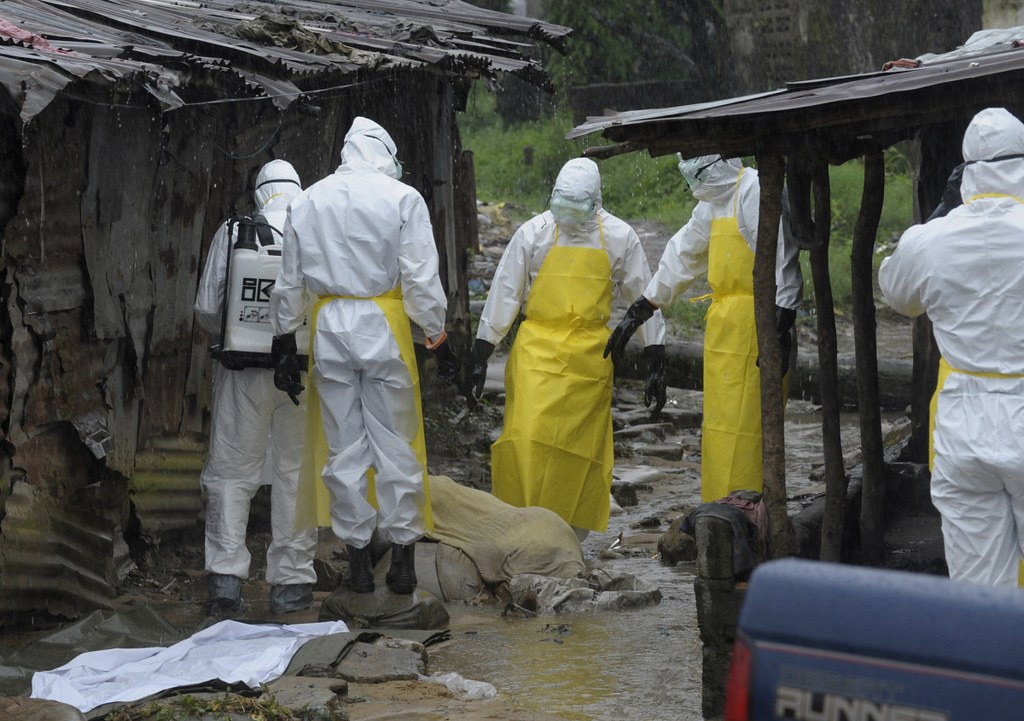
Is Tanzania Affected by Ebola? Everything Travelers Need to Know
When news of Ebola outbreaks appears in Africa, many travelers planning safaris, business trips, volunteering programs, or beach holidays often become concerned about their safety. Tanzania, being one of East Africa’s leading tourism destinations, frequently receives questions from international visitors asking whether the country is affected by Ebola and whether it is safe to travel.
The simple answer is that Tanzania is currently not experiencing an Ebola outbreak. However, because Tanzania shares regional connections with neighboring East African countries, the government and health authorities continuously monitor public health developments and strengthen preparedness measures whenever outbreaks are reported elsewhere on the continent.
Understanding the real situation helps travelers make informed decisions instead of relying on fear or misinformation. Africa is a massive continent made up of more than 50 countries, and an outbreak in one region does not automatically mean the entire continent is unsafe. Tanzania remains one of the most visited and stable destinations in Africa, welcoming thousands of tourists every year to experience safaris, mountain climbing, cultural tourism, and beach holidays.
This guide explains what Ebola is, whether Tanzania has been affected, how the country handles public health preparedness, and what travelers should know before visiting.
Understanding Ebola
Ebola Virus Disease (EVD), commonly known as Ebola, is a severe viral illness that affects humans and some animals. The disease was first identified in 1976 near the Ebola River in what is now the Democratic Republic of the Congo. Since then, several outbreaks have occurred in different parts of Africa, although most have remained geographically limited.
Ebola spreads through direct contact with:
- Blood or bodily fluids of an infected person
- Contaminated surfaces or materials
- Infected animals such as bats or primates
The virus is not spread through the air like the common cold or flu. Transmission usually requires close physical contact with an infected person or contaminated materials.
Symptoms often include:
- Fever
- Severe headache
- Weakness
- Muscle pain
- Vomiting
- Diarrhea
- Internal or external bleeding in severe cases
Modern public health systems are now much better prepared to detect and contain Ebola outbreaks than in previous decades. Rapid testing, isolation centers, vaccination campaigns, and international coordination have significantly improved outbreak response across Africa.
Has Tanzania Ever Experienced Ebola?
Tanzania has had very limited Ebola-related incidents compared to some neighboring countries. Historically, the country has not experienced large-scale nationwide Ebola outbreaks like those seen in parts of West or Central Africa.
Whenever outbreaks occur in nearby countries such as Uganda or the Democratic Republic of the Congo, Tanzania increases surveillance and border screening measures. Health authorities work closely with regional and international organizations to ensure early detection and preparedness.
This proactive approach is important because Tanzania is a major transport and tourism hub in East Africa. Travelers arrive through international airports, border crossings, and regional transport routes from multiple neighboring countries.
Despite regional concerns from time to time, Tanzania continues functioning normally with tourism, transportation, and daily life operating without disruption in most situations.
Why Travelers Worry About Ebola in Tanzania
Many international travelers hear “Africa” in news reports and assume the entire continent is affected. In reality, Africa is enormous and geographically diverse. Distances between outbreak areas and Tanzanian safari destinations can be comparable to traveling across multiple European countries.
For example:
- Northern Tanzania safari parks are far from many historical Ebola outbreak zones.
- Zanzibar operates independently as a major beach tourism destination with strong tourism infrastructure.
- Tourist circuits such as Serengeti, Ngorongoro, Tarangire, and Kilimanjaro are highly monitored and supported by tourism authorities.
Fear often spreads faster than disease itself. Media coverage can unintentionally create the impression that all African countries are simultaneously affected, even when outbreaks are isolated hundreds or thousands of kilometers away.
Travelers should therefore rely on official travel advisories and public health updates rather than social media rumors.
Tanzania’s Public Health Preparedness
Tanzania has steadily improved its public health preparedness systems over the years. The country collaborates with:
- The World Health Organization (WHO)
- East African regional health bodies
- International health partners
- Border and immigration authorities
Preparedness measures may include:
- Thermal screening at airports and borders
- Health declaration forms
- Rapid response medical teams
- Isolation facilities
- Public awareness campaigns
- Monitoring of cross-border movement
Major entry points such as Julius Nyerere International Airport in Dar es Salaam and Kilimanjaro International Airport near Arusha often implement enhanced health checks during regional outbreaks.
Tourism operators, safari lodges, and hotels are also increasingly aware of international health standards and hygiene practices. Many accommodations maintain sanitation protocols that were strengthened during global health crises in recent years.
Is It Safe to Travel to Tanzania?
For most travelers, Tanzania remains a safe and enjoyable destination. Tourism continues throughout the year, including:
- Wildlife safaris
- Mount Kilimanjaro climbing
- Zanzibar beach holidays
- Cultural tourism
- Self-drive adventures
- Camping safaris
Millions of travelers have safely visited Tanzania over the years, including during periods when neighboring countries experienced health concerns unrelated to Tanzania itself.
Tourism regions are generally well-developed and accustomed to hosting international visitors. Safari guides, tour operators, and hospitality staff are experienced in handling traveler concerns and maintaining safety standards.
Visitors are encouraged to:
- Follow official travel advisories
- Practice good hygiene
- Purchase travel insurance
- Stay informed through reliable sources
- Consult travel clinics before departure if necessary
These are standard travel precautions that apply globally, not just to Tanzania.
How Tanzania Handles Border Health Monitoring
Because Tanzania borders several East African nations, border monitoring is an important component of national health preparedness.
Authorities may conduct:
- Temperature checks
- Traveler interviews
- Health screenings
- Monitoring of passengers from affected regions
Border preparedness is especially important in:
- Airports
- Land border crossings
- Lake transport routes
- International bus terminals
Health officials are trained to identify symptoms associated with infectious diseases and respond quickly if concerns arise.
Travelers may occasionally notice increased health procedures during periods of regional alerts. These measures are preventive and are designed to protect both residents and visitors.
Impact on Tourism
One of the biggest misconceptions about Ebola is that tourism across Africa stops entirely whenever an outbreak occurs somewhere on the continent. In reality, tourism often continues normally in unaffected countries such as Tanzania.
Safari parks remain open, flights continue operating, and hotels welcome visitors throughout the year.
Tanzania’s tourism industry is highly resilient because:
- The country has diverse tourism regions
- Wildlife destinations are remote from urban population centers
- Tourism infrastructure is well-established
- International partnerships support tourism confidence
In fact, many travelers visiting Tanzania are surprised by how organized, peaceful, and vibrant the tourism experience is.
Popular destinations include:
- Serengeti National Park
- Ngorongoro Crater
- Tarangire National Park
- Lake Manyara
- Ruaha National Park
- Nyerere National Park
- Mount Kilimanjaro
- Zanzibar
These areas continue receiving international guests from around the world.
Common Misconceptions About Ebola in Africa
“All African Countries Are Affected”
This is one of the most common myths. Africa is vast, and outbreaks are usually limited to specific regions or countries. Tanzania may remain completely unaffected even when another African nation experiences an outbreak.
“Tourists Are at High Risk”
Tourists are generally considered low-risk travelers, especially when visiting organized tourism areas. Ebola transmission typically requires direct contact with infected bodily fluids.
Casual travel activities such as:
- Game drives
- Hotel stays
- Beach holidays
- Domestic flights
- Restaurant dining
do not place travelers at significant risk.
“Borders Close Completely”
While temporary screening procedures may increase, complete shutdowns are uncommon unless an outbreak becomes severe. Most travel operations continue with additional health precautions.
“Wildlife Safaris Increase Ebola Risk”
Safari tourism does not inherently expose visitors to Ebola. Professional safari operators follow wildlife safety guidelines and tourism activities are highly structured.
Advice for Travelers Visiting Tanzania
Travelers can take simple precautions to remain healthy during any international trip.
Practice Good Hygiene
Frequent handwashing remains one of the most effective ways to reduce the spread of many illnesses. Carrying hand sanitizer is also useful while traveling.
Stay Updated
Check travel advisories from:
- Your government
- The World Health Organization
- Tanzanian health authorities
Reliable information is essential when planning international travel.
Purchase Travel Insurance
Comprehensive travel insurance can provide peace of mind for medical emergencies, cancellations, or unexpected travel disruptions.
Avoid Panic
Sensational headlines can create unnecessary fear. It is important to evaluate information calmly and rely on verified updates.
Travel With Reputable Operators
Professional safari companies and lodges maintain strong safety standards and stay informed about regional developments.
Tanzania’s Tourism Strength During Health Alerts
Tanzania has demonstrated resilience during various international and regional health concerns. The tourism sector has adapted by:
- Improving sanitation standards
- Enhancing guest safety measures
- Increasing staff training
- Communicating transparently with travelers
Many safari operators now provide travelers with updated health guidance before arrival. Hotels and lodges frequently maintain handwashing stations and hygiene protocols as part of standard operations.
These improvements contribute to a safer overall travel environment.
The Role of International Organizations
International cooperation plays a major role in disease prevention and preparedness in East Africa.
Organizations involved include:
- World Health Organization (WHO)
- Africa Centres for Disease Control and Prevention (Africa CDC)
- East African Community health programs
- Local ministries of health
These organizations assist with:
- Monitoring outbreaks
- Laboratory testing
- Vaccination programs
- Public awareness campaigns
- Emergency response coordination
Regional collaboration helps countries such as Tanzania remain prepared even when outbreaks occur elsewhere.
Safari Travel During Regional Health Concerns
Many travelers wonder whether they should cancel safaris when health alerts appear in nearby countries. In most situations, tourism experts recommend evaluating the specific geographic realities rather than reacting emotionally.
Northern Tanzania’s safari circuit is geographically distant from many historical outbreak zones. The tourism industry also has strong communication systems that quickly adapt to changing situations.
Professional guides and tour operators prioritize guest safety and are usually among the first to receive official updates from authorities.
Travelers should communicate directly with:
- Airlines
- Safari operators
- Hotels
- Embassies
before making major travel decisions.
Why Tanzania Remains One of Africa’s Top Travel Destinations
Despite occasional regional health concerns, Tanzania continues attracting visitors because of its extraordinary natural beauty and tourism diversity.
Highlights include:
- The Great Migration in Serengeti
- Big Five safaris
- Mount Kilimanjaro trekking
- Zanzibar beaches
- Maasai cultural experiences
- Remote wilderness camping
- Self-drive adventures
- Luxury lodges and tented camps
The country offers experiences suitable for:
- Families
- Solo travelers
- Photographers
- Honeymooners
- Adventure travelers
- Budget backpackers
- Luxury safari guests
Tourism remains one of Tanzania’s most important economic sectors, encouraging continuous investment in safety and infrastructure.
Final Thoughts
Tanzania is not currently experiencing an Ebola outbreak, and the country remains one of Africa’s safest and most popular travel destinations. While regional health monitoring continues due to outbreaks occasionally occurring elsewhere in East Africa or Central Africa, Tanzanian authorities maintain strong preparedness systems to protect residents and visitors alike.
Travelers should remember that Africa is not a single country, and health situations vary greatly between regions. Tanzania’s tourism areas continue operating normally, welcoming guests to experience world-class safaris, beaches, mountains, and cultural adventures.
As with any international travel, staying informed through official sources, practicing basic hygiene, and traveling with reputable operators are the best ways to ensure a safe and enjoyable experience.
For most visitors, a trip to Tanzania remains an unforgettable journey filled with breathtaking landscapes, incredible wildlife encounters, warm hospitality, and rich cultural experiences rather than health concerns.