
Tarangire River: The Ultimate Guide to Self-Drive Safaris in Tanzania
Introduction
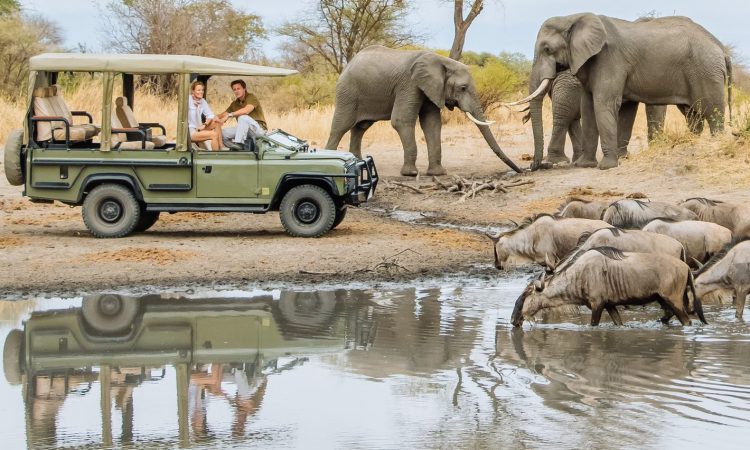
The Tarangire River is the beating heart of Tarangire National Park and one of the most rewarding places for a self-drive safari in Tanzania. Flowing through the vast wilderness of northern Tanzania, the river serves as a permanent water source that attracts thousands of animals throughout the year. During the dry season, when surrounding areas become parched, the Tarangire River transforms into a wildlife magnet, drawing enormous elephant herds, predators, antelopes, zebras, wildebeests, and countless bird species.
For travelers seeking independence, flexibility, and adventure, a self-drive safari around the Tarangire River offers one of the best introductions to African safari travel. Unlike some of Tanzania’s more remote and challenging parks, Tarangire combines excellent wildlife viewing with relatively manageable roads, making it ideal for first-time self-drivers and experienced overlanders alike.
Located approximately 120 kilometers southwest of Arusha, Tarangire National Park is often overshadowed by the famous Serengeti and Ngorongoro Crater. However, many experienced safari travelers consider Tarangire one of Tanzania’s hidden gems. The park’s spectacular scenery, iconic baobab trees, uncrowded game viewing areas, and thriving ecosystem create an unforgettable safari experience.
This guide explores everything you need to know about self-driving around the Tarangire River, including road conditions, wildlife experiences, camping options, travel tips, safety advice, and the best time to visit.
Understanding the Tarangire River Ecosystem
The Tarangire River is the primary water source inside Tarangire National Park. Stretching through the park’s diverse landscapes, the river supports one of the richest ecosystems in northern Tanzania. During the dry season from June to October, many seasonal rivers dry up completely, forcing wildlife to migrate toward the Tarangire River.
This annual movement creates one of East Africa’s greatest wildlife spectacles. Huge concentrations of elephants gather near the riverbanks, while predators such as lions and leopards follow prey animals seeking water. The result is exceptional game viewing opportunities, especially for self-drive travelers who can spend extended periods observing animal behavior at their own pace.
The river also supports wetlands, swamps, and lush vegetation zones that contrast beautifully with the dry savannah and baobab-covered landscapes found elsewhere in the park.
Why Choose Tarangire for a Self-Drive Safari?
Excellent Wildlife Density
Tarangire National Park is famous for its elephant population. During peak dry season, visitors may encounter herds numbering over 300 individuals near the river. Besides elephants, the park hosts giraffes, buffaloes, zebras, wildebeests, impalas, warthogs, and rare species such as fringe-eared oryx and greater kudu.
Predators are also common around the Tarangire River. Lions frequently patrol the riverbanks, while leopards can sometimes be spotted resting in acacia trees. Cheetahs occasionally appear in open grasslands, especially during early morning drives.
Less Crowded Than Other Parks
Compared to Serengeti National Park and Ngorongoro Crater, Tarangire remains relatively uncrowded. This is a major advantage for self-drive travelers who prefer peaceful wildlife encounters without long lines of safari vehicles surrounding every sighting.
The quieter environment allows travelers to enjoy nature more intimately while stopping wherever they choose for photography or wildlife observation.
Accessible Roads
Tarangire is considered one of Tanzania’s most accessible national parks for self-drivers. While road conditions vary depending on season and rainfall, many routes are easier than the rugged tracks found in more remote safari destinations.
The main river circuit is usually navigable with a reliable 4×4 vehicle, making Tarangire a perfect first safari destination before attempting longer expeditions into the Serengeti.
Spectacular Landscapes
The Tarangire River area offers incredibly diverse scenery. Ancient baobab trees dominate parts of the landscape, creating dramatic photographic opportunities. Open plains, dense woodlands, swamps, and rocky outcrops provide constantly changing views throughout the park.
Sunrises and sunsets near the river are particularly breathtaking, with golden light illuminating the dust-filled savannah and silhouetted baobabs.
Best Time to Visit the Tarangire River
Dry Season (June to October)
The dry season is widely considered the best time for wildlife viewing around the Tarangire River. As water becomes scarce elsewhere, animals gather in large numbers around the permanent river system.
Advantages of visiting during the dry season include:
- Exceptional elephant sightings
- Easier wildlife spotting due to sparse vegetation
- Better road conditions
- Reduced risk of vehicles becoming stuck
- Increased predator activity near water sources
This period is ideal for first-time self-drivers because roads are generally more reliable and navigation becomes easier.
Green Season (November to May)
The rainy season transforms Tarangire into a lush green paradise. Migratory birds arrive, landscapes become vibrant, and photography opportunities improve dramatically.
Advantages of visiting during the green season include:
- Beautiful scenery
- Fewer tourists
- Lower accommodation costs
- Excellent birdwatching
- Dramatic skies for photography
However, some roads may become muddy or temporarily inaccessible after heavy rains. Self-drivers should be experienced with off-road driving during this period.
Choosing the Right Vehicle for Tarangire
A proper 4×4 vehicle is essential for a self-drive safari in Tanzania. Even though Tarangire’s roads are more manageable than some parks, sandy tracks, mud, and rough terrain still require capable vehicles.
Recommended Vehicles
Toyota Land Cruiser
The Toyota Land Cruiser is the most popular safari vehicle in Tanzania. It offers excellent ground clearance, durability, and comfort for long-distance travel.
Advantages include:
- Reliable off-road performance
- Strong suspension
- Spacious interior
- Excellent for camping setups
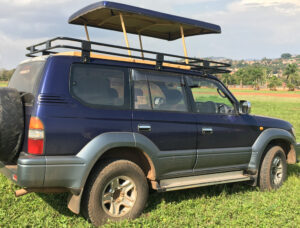
Toyota Prado
The Prado is slightly smaller than the Land Cruiser but still highly capable for Tarangire safaris.
Advantages include:
- Comfortable driving experience
- Lower fuel consumption
- Good off-road ability
- Easier maneuverability
Toyota Hilux
The Hilux is favored by budget-conscious travelers and overlanders.
Advantages include:
- Strong reliability
- Affordable rental rates
- Excellent camping platform
- Durable construction
Essential Self-Drive Equipment
Before entering Tarangire National Park, ensure your vehicle includes:
- Spare tires
- Recovery gear
- Air compressor
- GPS navigation
- Offline maps
- Camping equipment
- Cooler fridge
- Extra fuel
- Drinking water
- First aid kit
- Flashlights
- Power banks
Most reputable Tanzanian self-drive companies provide vehicles fully equipped for camping safaris.
Entering Tarangire National Park
Main Gate Access
The primary entry point is the Tarangire Main Gate, accessible via paved roads from Arusha and Manyara.
Travel times:
- Arusha to Tarangire: approximately 2–3 hours
- Manyara to Tarangire: approximately 1.5–2 hours
The roads leading to the park are generally good, though occasional rough sections may occur.
Park Fees
Visitors must pay national park entrance fees, vehicle fees, and camping fees where applicable. Payments are typically processed electronically through the Tanzania National Parks Authority system.
Always confirm updated pricing before travel since fees may change annually.
Driving Around the Tarangire River
River Circuit
The Tarangire River Circuit is the most popular route inside the park. It follows sections of the river where wildlife concentrations are highest.
Expect to encounter:
- Elephant herds
- Buffalo crossings
- Giraffes browsing near riverbanks
- Lions resting under trees
- Numerous bird species
The circuit is suitable for full-day exploration and offers excellent photographic opportunities.
Silale Swamp Area
Located south of the river, Silale Swamp attracts large numbers of animals during the dry season.
Common sightings include:
- Elephants
- Waterbuck
- Buffaloes
- Zebras
- Predators
The swamp area provides a different ecosystem compared to the riverine woodlands.
Southern Circuit
The southern areas of Tarangire are quieter and less visited. Roads can become rougher, but adventurous self-drivers often enjoy the solitude and wilderness atmosphere.
Wildlife Along the Tarangire River
Elephants
Tarangire is renowned for its elephants. The park supports one of the largest elephant populations in Tanzania.
Visitors often witness:
- Families crossing the river
- Young calves playing in mud
- Massive bulls feeding near baobabs
- Herds drinking along riverbanks
Lions
Lions frequently patrol the Tarangire River area due to abundant prey populations. Early mornings and late afternoons provide the best chances for sightings.
Leopards
Leopards are elusive but occasionally spotted in trees near the river.
Birdlife
Tarangire hosts over 500 bird species, making it one of Tanzania’s premier birdwatching destinations.
Common birds include:
- Yellow-collared lovebirds
- Ostriches
- Hornbills
- Eagles
- Kingfishers
- Secretary birds
Camping Near the Tarangire River
Public Campsites
Tarangire offers several public campsites suitable for rooftop tent travelers.
Advantages include:
- Affordable rates
- Proximity to wildlife
- Scenic locations
- Social atmosphere
Campers should expect wildlife moving through camps at night.
Special Campsites
Private special campsites provide greater exclusivity and privacy. These sites are ideal for photographers and travelers seeking remote wilderness experiences.
Lodge Camping
Some lodges and tented camps also provide camping areas with shared facilities.
Safety Tips for Self-Drivers
Wildlife Safety
Never exit your vehicle except in designated areas. Animals near the Tarangire River can be unpredictable, especially elephants and buffaloes.
Maintain safe distances from wildlife and avoid blocking animal paths.
Navigation Safety
Offline maps are essential because mobile coverage can disappear inside the park.
Useful navigation tools include:
- Maps.me
- Gaia GPS
- Google Offline Maps
Driving Safety
- Avoid speeding
- Drive carefully near river crossings
- Avoid night driving
- Carry emergency contacts
- Inform someone about your route
Photography Tips Along the Tarangire River
Best Light Conditions
Early morning and late afternoon provide the best lighting for photography.
Recommended Subjects
- Elephants near baobabs
- Wildlife reflections in the river
- Dusty sunset scenes
- Predator interactions
- Birdlife
Equipment Suggestions
- Telephoto lens
- Wide-angle lens
- Extra memory cards
- Dust protection
- Bean bag for vehicle photography
Combining Tarangire With Other Parks
Tarangire fits perfectly into the northern Tanzania safari circuit.
Popular combinations include:
Tarangire and Ngorongoro
This combination offers both riverine wildlife and crater ecosystems.
Tarangire and Serengeti
Travelers often begin in Tarangire before continuing toward the Serengeti plains.
Tarangire and Lake Manyara
Lake Manyara complements Tarangire with tree-climbing lions and flamingo sightings.
Budgeting for a Tarangire Self-Drive Safari
Typical expenses include:
- Vehicle rental
- Fuel
- Park fees
- Camping fees
- Food supplies
- Insurance
Self-drive safaris can significantly reduce costs compared to guided tours while providing greater flexibility.
Advantages of a Self-Drive Safari
Freedom
Self-driving allows travelers to choose their own pace, routes, and schedules.
Photography Opportunities
Without fixed group schedules, photographers can spend more time at sightings.
Adventure Experience
Driving through Tanzania’s wilderness creates a stronger sense of exploration and independence.
Cost Savings
Self-drive safaris can be more affordable for couples, families, and small groups.
Challenges of Self-Driving in Tarangire
Despite its accessibility, self-driving still presents challenges.
Potential difficulties include:
- Navigation errors
- Vehicle breakdowns
- Muddy roads during rains
- Wildlife hazards
- Fuel planning
Proper preparation greatly reduces these risks.
Responsible Safari Travel
Visitors should always respect wildlife and environmental regulations.
Responsible safari practices include:
- Staying on designated tracks
- Avoiding littering
- Respecting speed limits
- Supporting local communities
- Reducing noise near animals
Sustainable tourism helps preserve Tarangire’s fragile ecosystem for future generations.
Final Thoughts
The Tarangire River offers one of Tanzania’s finest self-drive safari experiences. Combining incredible wildlife densities, beautiful scenery, manageable roads, and authentic wilderness, the area provides an ideal destination for independent travelers seeking adventure in East Africa.
Whether you are watching giant elephant herds crossing the river, photographing ancient baobab trees at sunset, or camping under the African stars, Tarangire delivers unforgettable moments at every turn.
For first-time self-drivers in Tanzania, Tarangire is often the perfect introduction to safari travel. For experienced overlanders, it remains a favorite destination because of its rich wildlife encounters and peaceful atmosphere.
A journey along the Tarangire River is more than just a safari drive — it is an immersion into one of Africa’s most remarkable natural ecosystems.