
Moshi to Tarangire National Park Self-Drive Safari: The Ultimate Guide for Independent Travelers
Few road trips in Tanzania combine scenic landscapes, cultural encounters, and incredible wildlife experiences quite like a self-drive safari from Moshi to Tarangire National Park. For travelers who enjoy the freedom of exploring at their own pace, this journey offers an unforgettable introduction to Tanzania’s famous Northern Safari Circuit.
Starting from the vibrant town of Moshi, nestled beneath the majestic slopes of Mount Kilimanjaro, and ending among Tarangire’s giant baobab trees and elephant-filled plains, the route delivers much more than simply getting from one destination to another. It is an adventure in itself.
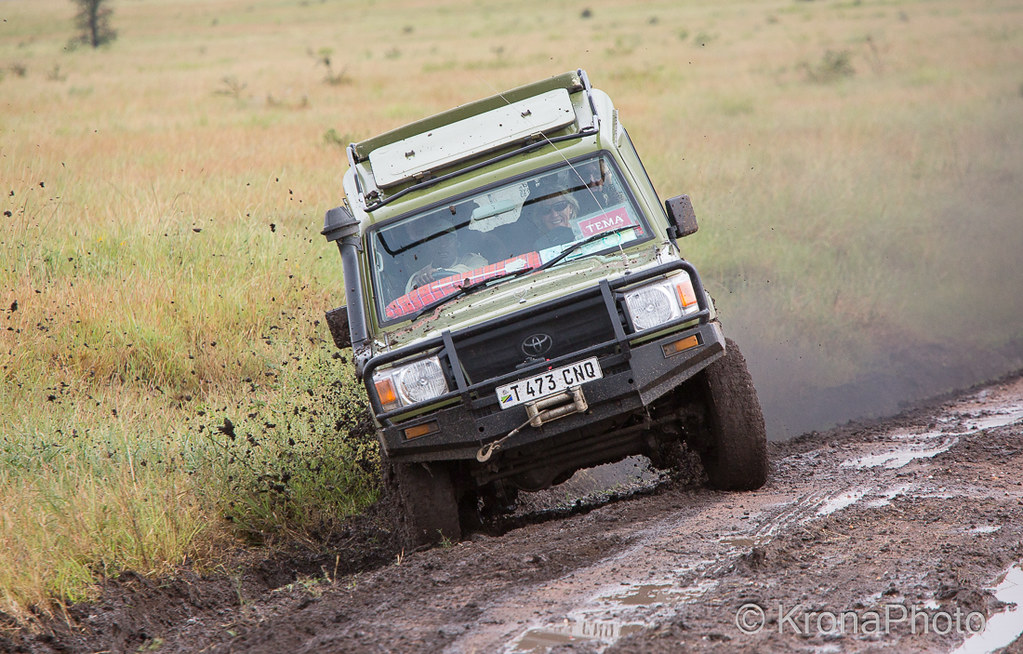
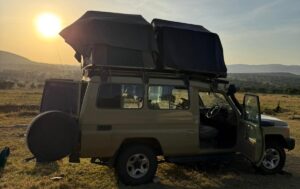
Whether you are renting a Toyota RAV4, a Land Cruiser Prado, or a fully equipped safari vehicle, driving yourself to Tarangire can be both rewarding and surprisingly straightforward when properly planned.
This comprehensive guide covers everything you need to know, including route details, road conditions, vehicle recommendations, wildlife expectations, accommodation options, safety tips, and how to make the most of your self-drive safari experience.
Why Choose a Self-Drive Safari?
For many travelers, joining a guided safari is the traditional way to explore Tanzania’s national parks. However, self-drive safaris have become increasingly popular among independent adventurers seeking flexibility and freedom.
Unlike organized tours that follow fixed schedules, self-driving allows you to:
- Travel at your own pace
- Stop whenever you wish for photography
- Explore lesser-visited areas
- Spend more time observing wildlife
- Choose your own accommodation
- Create a customized itinerary
The route from Moshi to Tarangire is particularly suitable for self-driving because much of the journey takes place on well-maintained tarmac roads before transitioning to manageable gravel roads near the park.
For first-time self-drive visitors to Tanzania, Tarangire is often considered one of the easiest and most rewarding national parks to navigate.
Starting Your Journey in Moshi
Moshi serves as the gateway to Mount Kilimanjaro and is one of Tanzania’s most welcoming tourism towns. Located approximately 80 kilometers from Arusha, it offers excellent facilities for travelers preparing for a safari.
Before setting off, take some time to enjoy Moshi’s relaxed atmosphere. The town is known for its coffee culture, lively markets, and spectacular views of Africa’s highest mountain.
On a clear morning, Mount Kilimanjaro dominates the skyline, creating an inspiring backdrop for the beginning of your adventure.
Most vehicle rental companies operating in northern Tanzania offer vehicle pickups in Moshi, making it convenient to begin your journey directly from town.
Route Overview: Moshi to Tarangire National Park
The most common route follows:
Moshi → Arusha → Makuyuni → Minjingu → Tarangire National Park
The total distance ranges between 210 and 230 kilometers depending on your starting point and destination within the park.
Most travelers complete the drive in approximately four to five hours.
Segment 1: Moshi to Arusha
The first leg covers approximately 80 kilometers along a paved highway.
This road is generally in good condition and passes through bustling towns, agricultural areas, and open countryside.
You may encounter:
- Long-distance buses
- Freight trucks
- Motorcycles
- Local markets
Defensive driving is recommended, particularly when overtaking slower vehicles.
The drive typically takes between one and a half to two hours.
Segment 2: Arusha to Makuyuni
After passing through Arusha, continue west toward Makuyuni.
This stretch forms part of the main highway connecting Tanzania’s northern safari destinations.
The road surface is excellent and offers beautiful views of:
- Maasai grazing lands
- Acacia woodlands
- Rolling hills
- Traditional villages
This portion of the journey takes approximately one hour.
Segment 3: Makuyuni to Tarangire Gate
From Makuyuni, turn toward Tarangire National Park.
The landscape gradually changes as giant baobab trees begin appearing on the horizon.
While portions of this section remain paved, the final approach to the park entrance transitions to gravel roads.
Conditions are generally manageable during the dry season.
During rainy periods, extra caution may be necessary.
This final section usually requires between one and one and a half hours.
The Scenic Beauty Along the Way
One of the greatest advantages of self-driving is the opportunity to appreciate the changing landscapes.
Unlike flying directly into a safari destination, driving allows visitors to witness Tanzania’s remarkable diversity.
The route passes through:
Coffee Farms
Near Moshi, fertile volcanic soils support thriving coffee plantations.
The region produces some of Tanzania’s finest Arabica coffee.
Maasai Territory
As you travel farther west, you enter traditional Maasai lands.
Colorfully dressed Maasai herders can often be seen tending cattle and goats across vast plains.
Great Rift Valley Landscapes
Approaching Tarangire, the terrain becomes increasingly dramatic, featuring rocky outcrops, ancient baobabs, and expansive savannahs.
These changing environments offer excellent opportunities for photography even before reaching the park.
Is a Toyota RAV4 Suitable?
This is one of the most common questions among self-drive travelers.
The answer is generally yes.
A Toyota RAV4 is perfectly suitable for Tarangire National Park during most of the year.
The vehicle offers:
- Adequate ground clearance
- Good fuel efficiency
- Comfortable highway driving
- Reliable performance on gravel roads
For travelers visiting exclusively during the dry season, a RAV4 provides an excellent balance between comfort and affordability.
However, during the rainy seasons, conditions may become more challenging.
In such situations, larger vehicles like:
- Toyota Land Cruiser
- Toyota Prado
- Land Cruiser LX
provide greater confidence and capability.
Entering Tarangire National Park
Arriving at the park gate is an exciting moment.
The towering baobab trees immediately signal that you have entered one of Tanzania’s most distinctive ecosystems.
Visitors must complete park registration procedures before entering.
Ensure you have:
- Park permits
- Vehicle documents
- Passport copies
- Reservation confirmations if applicable
The registration process is generally straightforward.
After completing formalities, the real adventure begins.
First Impressions of Tarangire
Many visitors are surprised by how quickly wildlife encounters begin.
Even near the entrance gate, it is common to encounter:
- Zebras
- Giraffes
- Impalas
- Warthogs
- Baboons
The landscape itself is equally captivating.
Massive baobab trees dominate the scenery, some estimated to be hundreds of years old.
These ancient giants create one of the most recognizable landscapes in East Africa.
Why Tarangire Is Special
Although often overshadowed by the Serengeti and Ngorongoro, Tarangire offers some of the most rewarding wildlife viewing experiences in Tanzania.
The park covers approximately 2,850 square kilometers and is centered around the life-giving Tarangire River.
During the dry season, this river becomes one of the few permanent water sources in the region.
As a result, enormous numbers of animals gather along its banks.
This seasonal concentration creates extraordinary wildlife viewing opportunities.
The Famous Elephant Herds
Tarangire is often called the Kingdom of Elephants.
Nowhere else in northern Tanzania can visitors consistently observe such large elephant populations.
Herds numbering:
- 50
- 100
- Even 300 individuals
are not uncommon.
Watching these gentle giants move silently beneath giant baobabs is among the park’s most memorable experiences.
Young calves play beside protective mothers while massive bulls wander independently through the bush.
Lions and Predators
Tarangire supports a healthy predator population.
Visitors frequently encounter:
- Lions
- Leopards
- Cheetahs
- Spotted hyenas
- Jackals
Lions are often seen resting beneath acacia trees during the hottest hours of the day.
Early morning and late afternoon provide the best opportunities for predator sightings.
Birdwatching Paradise
Tarangire is a dream destination for bird enthusiasts.
More than 500 bird species have been recorded within the park.
Common sightings include:
- Yellow-collared lovebirds
- Kori bustards
- Secretary birds
- Hornbills
- Eagles
- Vultures
The park’s wetlands become particularly active during the green season when migratory species arrive.
Exploring the Tarangire River
The Tarangire River serves as the park’s lifeline.
Game drives along the river often produce exceptional wildlife encounters.
Animals gather here to drink throughout the day, creating natural viewing opportunities.
Patience often rewards visitors with:
- Elephant crossings
- Lion sightings
- Buffalo herds
- Waterbirds
- Antelope species
The river area remains productive throughout the year.
The Magnificent Baobab Trees
Few landscapes in Africa are as visually striking as Tarangire’s baobab-studded plains.
These enormous trees can live for over a thousand years.
Their swollen trunks store water, helping them survive harsh dry seasons.
Photographers particularly appreciate sunrise and sunset images featuring baobabs silhouetted against colorful skies.
These iconic trees define Tarangire’s unique character.
Best Time for a Self-Drive Safari
Tarangire offers year-round wildlife viewing, but different seasons provide different experiences.
Dry Season (June to October)
This is generally considered the best time for wildlife viewing.
Advantages include:
- Easier driving conditions
- Concentrated wildlife
- Minimal rain
- Excellent visibility
This period is ideal for first-time self-drive visitors.
Green Season (November to May)
The landscape transforms into a lush paradise.
Benefits include:
- Fewer tourists
- Beautiful scenery
- Migratory birds
- Lower accommodation rates
Drivers should be prepared for muddy roads after heavy rainfall.
Suggested One-Day Self-Drive Itinerary
6:00 AM – Depart Moshi
Leave early to maximize your time inside the park.
Morning traffic is generally lighter and temperatures are cooler.
8:00 AM – Breakfast Stop in Arusha
Enjoy coffee and refreshments before continuing toward Tarangire.
10:00 AM – Arrive at Tarangire Gate
Complete registration and begin your game drive.
10:30 AM to 1:00 PM
Explore the northern circuits.
Focus on:
- Tarangire River
- Baobab Valley
- Wildlife concentrations
1:00 PM – Picnic Lunch
Many designated picnic sites provide safe locations to enjoy lunch.
2:00 PM to 5:00 PM
Continue deeper into the park.
Search for elephants, lions, and birdlife.
5:00 PM
Exit the park and proceed to nearby accommodation.
Staying Overnight Near Tarangire
Although a day trip is possible, spending at least one night near the park significantly enhances the experience.
Popular accommodation options include:
Budget Campsites
Perfect for adventurous travelers.
Mid-Range Lodges
Offer comfortable rooms and excellent service.
Luxury Safari Lodges
Provide premium experiences with spectacular views.
An overnight stay allows visitors to enjoy both sunrise and sunset game drives.
Essential Self-Drive Equipment
Before departing Moshi, ensure you carry:
- Spare tyre
- Jack
- Air compressor
- Drinking water
- Snacks
- Offline maps
- Power bank
- Binoculars
- Camera equipment
- First aid kit
Preparation helps ensure a smooth and enjoyable safari.
Navigation Tips
Mobile network coverage may be limited in some sections of the park.
Download offline maps before arrival.
GPS navigation works well throughout most of the region.
Pay attention to:
- Park signposts
- Junction markers
- Gate closing times
Never rely solely on mobile data.
Safety Tips for Self-Drivers
Tarangire is generally very safe, but visitors should follow standard safari precautions.
Always:
- Stay inside your vehicle
- Respect wildlife distances
- Drive slowly
- Avoid off-road driving
- Carry sufficient fuel
Never attempt to approach wildlife on foot.
Animals may appear calm but remain unpredictable.
Photography Opportunities
Tarangire offers outstanding photographic opportunities.
Highlights include:
- Giant elephant herds
- Ancient baobabs
- Predators
- River crossings
- Sunrise landscapes
- Dramatic sunsets
The soft light during early morning and late afternoon produces the most stunning images.
Combining Tarangire with Other Destinations
Many self-drive travelers continue beyond Tarangire to explore additional parks within Tanzania’s Northern Circuit.
Popular extensions include:
- Lake Manyara National Park
- Ngorongoro Conservation Area
- Serengeti National Park
This combination creates one of Africa’s most celebrated safari experiences.
Final Thoughts
A self-drive safari from Moshi to Tarangire National Park offers the perfect blend of independence, adventure, and wildlife discovery. The route is accessible, the scenery is spectacular, and the wildlife encounters can rival those found anywhere in Africa.
From the coffee farms beneath Mount Kilimanjaro to the elephant-filled plains of Tarangire, every kilometer reveals something new. Whether you are a first-time visitor to Tanzania or an experienced safari enthusiast, driving yourself to Tarangire allows you to experience the journey on your own terms.
The sight of hundreds of elephants moving among ancient baobab trees, lions resting in the shade, and giraffes silhouetted against an African sunset will remain with you long after the safari ends. For travelers seeking freedom, flexibility, and unforgettable wildlife encounters, a Moshi to Tarangire self-drive adventure is truly one of Tanzania’s finest road trips.