
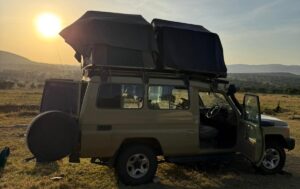
Ultimate Southern & Western Tanzania Self-Drive Expedition: From Nyerere to Rubondo Island
Southern and western Tanzania remain among Africa’s last truly wild frontiers. While the famous Northern Safari Circuit attracts thousands of visitors every year, the vast wilderness stretching from Nyerere National Park to Ruaha, Katavi, Mahale Mountains, Moyowosi, Burigi-Chato, and Rubondo Island offers an entirely different experience. Here, you’ll drive for hours without seeing another vehicle, camp under star-filled skies, track chimpanzees through ancient forests, search for elusive shoebills in remote wetlands, and explore landscapes few travelers ever reach.
This is not an ordinary safari—it is an overland expedition designed for experienced adventurers seeking authentic Africa.
Why Choose Southern and Western Tanzania?
The southern and western regions are renowned for their untouched wilderness, exceptional wildlife densities, and remarkably low visitor numbers. Instead of crowded game drives, you’ll enjoy exclusive encounters with elephants, lions, wild dogs, buffalo, hippos, crocodiles, and hundreds of bird species.
The route combines several of Tanzania’s most spectacular ecosystems, from the Rufiji River floodplains to the miombo woodlands of Ruaha, the remote plains of Katavi, the rainforest-covered Mahale Mountains, and the islands of Lake Victoria.
Every day brings a completely different landscape and wildlife experience.
The Expedition Route
Day 1–2: Nyerere National Park
Your journey begins with vehicle collection in Dar es Salaam before heading southwest toward Nyerere National Park, formerly known as Selous Game Reserve.
As Africa’s largest national park, Nyerere offers outstanding wildlife viewing, particularly along the Rufiji River. Visitors frequently encounter elephants, lions, giraffes, hippos, crocodiles, African fish eagles, and large herds of buffalo.
Camping inside the park allows you to experience the sounds of the African wilderness after sunset.
Day 3: Nyerere to Mikumi National Park
Leaving Nyerere through Matambwe and Kisaki, the drive towards Mikumi National Park is both scenic and adventurous.
The Kisaki–Morogoro road is generally in good condition during the dry season, although travelers should expect corrugations and occasional rough gravel sections. A reliable 4×4 makes this route straightforward.
Mikumi serves as an excellent overnight stop before continuing toward the Southern Highlands.
Day 4–5: Ruaha National Park
After refueling in Iringa, continue to Ruaha National Park—one of East Africa’s most spectacular safari destinations.
Ruaha is famous for:
- Large elephant populations
- Exceptional lion prides
- African wild dogs
- Greater and Lesser Kudu
- Leopard sightings
- Over 570 bird species
The park’s baobab-covered landscapes create some of Tanzania’s most photogenic safari scenery.
Day 6–7: Through Kizigo and Rungwa
This section transforms the safari into a genuine expedition.
Travel through the remote wilderness connecting Ruaha with the Kizigo Game Reserve and Rungwa ecosystem. Wildlife is abundant, while human settlements become increasingly rare.
Expect long driving days, sandy tracks, river crossings, and unforgettable camping under untouched African skies.
Because this area receives very few visitors, carrying extra fuel, water, and recovery equipment is essential.
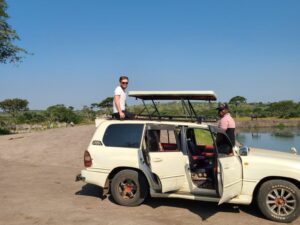
Day 8–9: Katavi National Park
Katavi is widely considered Tanzania’s best-kept safari secret.
During the dry season, enormous concentrations of wildlife gather around the remaining water sources, creating dramatic scenes rarely witnessed elsewhere.
Visitors can expect:
- Massive buffalo herds
- Hundreds of hippos packed into shrinking pools
- Crocodiles
- Lion prides
- Leopard
- Hyena
- Exceptional birdlife
Unlike more famous parks, it is common to spend an entire game drive without encountering another safari vehicle.
Day 10–12: Mahale Mountains National Park
Leaving your vehicle near Mahale’s park headquarters, a boat transfer takes you across the crystal-clear waters of Lake Tanganyika.
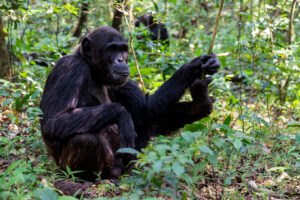
Mahale Mountains National Park is world-famous for its habituated chimpanzees.
Guided treks through dense rainforest offer unforgettable opportunities to observe these remarkable primates in their natural habitat.
When not trekking, visitors can relax on white sandy beaches, swim in Africa’s deepest lake, kayak, or simply enjoy one of the continent’s most peaceful wilderness settings.
Day 13–14: Moyowosi Game Reserve
Continuing north, the expedition enters Moyowosi Game Reserve.
This enormous wetland system is among Tanzania’s premier birdwatching destinations and one of the country’s best locations to search for the elusive Shoebill Stork.
Other wildlife includes:
- Sitatunga
- Buffalo
- Elephant
- Crocodile
- Hippo
- Numerous waterbirds
Its remoteness ensures a truly exclusive safari experience.
Day 15–16: Burigi-Chato National Park
Situated along the western shores of Lake Victoria, Burigi-Chato National Park combines open grasslands, rolling hills, lakes, and woodlands.
Wildlife includes:
- Zebra
- Giraffe
- Buffalo
- Topi
- Eland
- Hippo
- Crocodile
The park is still emerging as one of Tanzania’s newest safari destinations, making it ideal for travelers seeking unexplored wilderness.
Day 17: Rubondo Island National Park
From Muganza or Kasenda, boats transport visitors to Rubondo Island National Park.
The island offers experiences unlike anywhere else in East Africa.
Activities include:
- Forest walks
- Chimpanzee tracking
- Birdwatching
- Fishing
- Canoeing
- Relaxing on the shores of Lake Victoria
Rubondo is home to chimpanzees, sitatunga antelope, elephants, crocodiles, and more than 300 bird species.
Day 18: Mwanza
The expedition concludes in Mwanza, Tanzania’s second-largest city, located on the southern shores of Lake Victoria.
After nearly three weeks exploring some of Africa’s wildest landscapes, this final day offers time to relax before returning your vehicle and catching your onward flight.
Road Conditions
The journey combines tarmac highways with remote gravel tracks.
In the dry season (June to October), the roads are generally in good condition, although travelers should expect:
- Corrugated gravel roads
- Sandy sections
- Dust
- Occasional rough river crossings
- Limited roadside services
The Kisaki–Morogoro section is typically passable during August, making it a practical route between Nyerere and Mikumi.
Fuel Availability
Careful fuel planning is essential.
Reliable refueling points include:
- Dar es Salaam
- Morogoro
- Iringa
- Inyonga
- Kigoma
- Nyakanazi
- Chato
- Mwanza
Fuel availability within remote parks should never be assumed. Carrying additional diesel in approved jerry cans is strongly recommended.
Recommended Vehicle
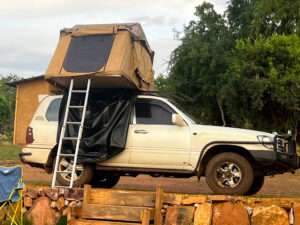
A standard SUV is not suitable for this expedition.
The ideal vehicle includes:
- Toyota Land Cruiser 76 or 78 Series
- High-range and low-range 4WD
- Snorkel
- Dual batteries
- Two spare tires
- Air compressor
- Recovery kit
- Roof rack
- Camping equipment
- Refrigerator
- GPS navigation
- Satellite communication device
Reliability is critical, as assistance may be hundreds of kilometers away.
Camping Along the Route
Camping transforms this journey into a true wilderness experience.
Most nights are spent inside protected areas where visitors fall asleep to the sounds of lions roaring, hyenas calling, and hippos grazing nearby.
Quality camping equipment, proper food storage, and adherence to park regulations ensure both comfort and safety.
Best Time to Travel
The expedition is best undertaken between June and October.
During these months:
- Roads remain dry and accessible.
- Wildlife concentrates around water sources.
- Chimpanzee trekking conditions are excellent.
- Birdwatching is outstanding.
- River crossings are generally manageable.
August is widely regarded as one of the best months for completing the full route.
Essential Travel Tips
Preparation is the key to a successful expedition. Secure all required permits before departure, especially for game reserves where entry cannot always be arranged at the gate. Carry sufficient cash for remote fuel stations, travel with offline navigation, and always inform someone of your planned route.
A satellite communication device or emergency beacon is highly recommended due to the limited mobile coverage across much of western Tanzania. Stock adequate food, drinking water, and emergency supplies before entering the more isolated sections of the journey.
Experience Tanzania’s Last Great Wilderness
This Southern and Western Tanzania Self-Drive Expedition is one of Africa’s most rewarding overland adventures. From the elephant-filled plains of Ruaha and the wildlife-rich floodplains of Katavi to chimpanzee encounters in Mahale and the tranquil forests of Rubondo Island, every stage of the journey reveals a different side of Tanzania’s extraordinary natural heritage.
For travelers seeking complete freedom, breathtaking landscapes, and authentic wilderness away from the crowds, there are few routes on the continent that can match this unforgettable expedition.
Whether you are planning your own adventure or looking for a fully equipped 4×4 Land Cruiser rental with camping gear, our experienced team can help you prepare the right vehicle, route advice, permits, and logistical support to make your journey safe, seamless, and truly memorable.