
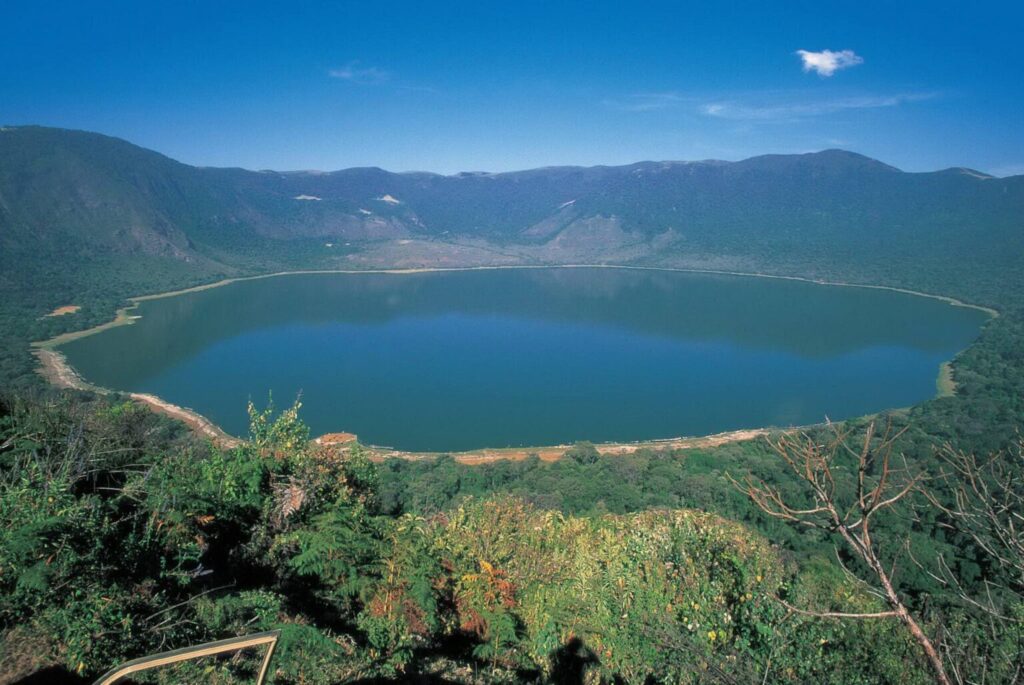
Understanding Ngorongoro Concession Fees: Everything You Need to Know Before Visiting Tanzania’s Iconic Crater
Planning a safari to Tanzania’s world-famous Ngorongoro Conservation Area is an exciting experience, but understanding the various park charges can sometimes be confusing. Among the fees that often raise questions is the Ngorongoro concession fee. Many travelers mistakenly assume it is the same as the park entrance fee or the Ngorongoro Crater service fee, only to discover later that it is an entirely separate charge.
Whether you’re joining a guided safari, planning a self-drive adventure, or booking your accommodation independently, understanding how concession fees work will help you budget accurately and avoid unexpected expenses during your trip.
This comprehensive guide explains everything you need to know about Ngorongoro concession fees, including what they are, who pays them, how they differ from other Ngorongoro charges, and how they contribute to conservation efforts in one of Africa’s most remarkable protected areas.
What Is the Ngorongoro Concession Fee?
A concession fee is a mandatory overnight accommodation fee charged by the Ngorongoro Conservation Area Authority (NCAA) to visitors staying inside the Ngorongoro Conservation Area (NCA).
Unlike the conservation (park entrance) fee, which grants access to the conservation area, the concession fee is specifically linked to overnight accommodation. Every visitor staying in a lodge, luxury tented camp, campsite, or other authorized accommodation within the conservation area is required to pay this fee.
The concession fee is collected regardless of the accommodation provider because it is imposed by the conservation authority rather than the hotel or camp itself. Although many safari operators include the fee in their package prices, it remains a government levy dedicated to supporting conservation and visitor services.
Why Does Ngorongoro Charge a Concession Fee?
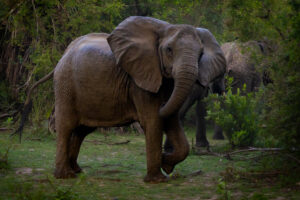
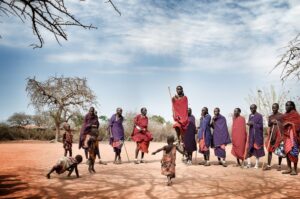
The Ngorongoro Conservation Area is unlike any other wildlife destination in Africa. Covering more than 8,000 square kilometers, it is home not only to abundant wildlife but also to the Maasai people, who continue to live and graze their livestock within the conservation area under a multiple land-use management system.
Managing such a unique landscape requires substantial financial resources. Revenue from concession fees helps fund:
- Wildlife conservation programs
- Road maintenance
- Environmental protection
- Waste management
- Visitor safety and ranger patrols
- Campsite management
- Conservation research
- Fire prevention programs
- Tourism infrastructure
- Cultural heritage preservation
These contributions ensure that visitors continue to enjoy a safe, clean, and well-managed destination while protecting the area’s exceptional biodiversity for future generations.
Understanding the Difference Between Conservation Fees and Concession Fees
One of the most common misconceptions among first-time visitors is confusing the conservation fee with the concession fee.
Although both are paid to the Ngorongoro Conservation Area Authority, they serve completely different purposes.
Conservation Fee
The conservation fee is essentially your entrance ticket into the Ngorongoro Conservation Area.
Every visitor entering the conservation area pays this fee, whether staying overnight or simply passing through on the way to Serengeti National Park.
It covers:
- Access to the protected area
- Conservation management
- Wildlife protection
- General park operations
Without paying the conservation fee, visitors cannot legally enter the conservation area.
Concession Fee
The concession fee only applies to visitors who spend the night inside the conservation area.
If you visit the crater during the day and leave before nightfall, you will not pay the concession fee.
Think of it this way:
- Conservation fee = entry into the protected area.
- Concession fee = overnight accommodation within the protected area.
Who Pays the Concession Fee?
You will pay the concession fee if you stay overnight in any accommodation located inside the Ngorongoro Conservation Area.
This includes:
- Luxury safari lodges
- Permanent tented camps
- Mid-range lodges
- Budget campsites
- Public campsites
- Special campsites
- Seasonal tented camps
It does not matter whether you booked directly with the accommodation or through a tour operator—the concession fee still applies.
Who Does Not Pay the Concession Fee?
You are generally exempt from concession fees if:
- You visit Ngorongoro as a day trip.
- You stay in Karatu.
- You stay in Mto wa Mbu.
- You stay in Lake Manyara.
- You stay in nearby villages outside the conservation area.
- You simply transit through the conservation area without staying overnight.
Many budget-conscious travelers deliberately choose accommodation in Karatu because it allows them to experience the Ngorongoro Crater while avoiding overnight concession charges.
Current Ngorongoro Concession Fee
For international visitors (non-East African residents), the current concession fees are approximately:
Adults (16 years and above)
- US$59 per person per night (before VAT)
Children (5–15 years)
- US$11.80 per child per night
Children under 5 years
- Free
Because government tariffs are reviewed periodically, travelers should always confirm the latest rates before their trip.
Where Is the Concession Fee Charged?
The fee applies to accommodation inside the conservation area, including properties located:
- On the Ngorongoro Crater Rim
- Ndutu Area (during applicable periods)
- Various designated campsites
- Other authorized lodging within the conservation area
Accommodation outside NCAA boundaries does not attract concession fees.
Does Every Lodge Charge It?
Yes.
Whether you stay in an ultra-luxury lodge costing over US$2,000 per night or a simple campsite, the concession fee is determined by the conservation authority rather than the accommodation provider.
Some hotels include the fee in their room rate, while others list it separately.
Always check your quotation carefully.
Is the Concession Fee Included in Safari Packages?
Most reputable safari companies include concession fees in their package quotations.
A typical safari package may include:
- Accommodation
- Meals
- Private safari vehicle
- Professional driver-guide
- Park entrance fees
- Concession fees
- Crater service fees
- Drinking water
- Airport transfers
However, some operators advertise lower prices by excluding government fees.
Before confirming your booking, ask whether the quotation includes:
- Conservation fees
- Concession fees
- Crater service fees
- Vehicle entry fees
- Camping fees (if applicable)
Knowing exactly what is included helps avoid unpleasant surprises.
How Does the Concession Fee Support Conservation?
Tourism is the primary source of funding for conservation activities within the Ngorongoro Conservation Area.
The concession fee contributes to protecting one of Africa’s most extraordinary ecosystems by funding:
Wildlife Protection
The conservation area is home to:
- Lions
- Elephants
- Black rhinos
- Buffaloes
- Leopards
- Cheetahs
- Hyenas
- Wildebeest
- Zebras
- Hippos
- More than 500 bird species
Protecting these animals requires continuous monitoring, anti-poaching operations, habitat management, and veterinary support.
Road Maintenance
Safari vehicles travel thousands of kilometers each year within the conservation area.
Maintaining roads:
- Improves visitor safety.
- Reduces environmental damage.
- Provides reliable access during rainy seasons.
- Minimizes erosion.
Without regular maintenance, many roads would quickly become impassable.
Visitor Facilities
Revenue also helps maintain:
- Picnic sites
- Public restrooms
- Information centers
- Signage
- Scenic viewpoints
- Emergency response services
These facilities greatly enhance the visitor experience.
Waste Management
Managing tourism in a UNESCO World Heritage Site requires strict environmental standards.
Concession fee revenue supports:
- Waste collection
- Recycling initiatives
- Litter control
- Environmental education
These measures help preserve the area’s natural beauty.
Cultural Heritage Preservation
Unlike most national parks, Ngorongoro is home to the Maasai people.
Tourism revenue contributes to programs that support:
- Community development
- Cultural preservation
- Education
- Sustainable coexistence between people and wildlife
This unique balance between conservation and traditional livelihoods makes Ngorongoro one of the world’s most distinctive protected landscapes.
Other Fees You Should Know
The concession fee is only one component of visiting Ngorongoro.
Depending on your itinerary, you may also pay:
Conservation Fee
Required for entering the conservation area.
Crater Service Fee
Charged to vehicles descending into the Ngorongoro Crater.
This fee helps maintain the crater roads and infrastructure.
Vehicle Entry Fee
Applies to safari vehicles entering the conservation area.
Camping Fees
Applicable when staying at designated public or special campsites.
Example Safari Costs
Imagine a couple spending one night at a lodge on the crater rim before enjoying a morning game drive.
Their government charges may include:
- Conservation fee for each visitor
- Concession fee for each visitor
- Crater service fee for the safari vehicle
- Vehicle entry fee
These are separate from accommodation costs and guide services.
Although the various fees may seem complex at first, each supports a different aspect of conservation and tourism management.
Can You Avoid Paying the Concession Fee?
Yes.
The simplest way is to stay outside the Ngorongoro Conservation Area.
Many travelers choose accommodation in Karatu because it offers:
- Lower accommodation prices
- No overnight concession fee
- Wide range of hotels and lodges
- Easy access to the crater for day trips
- Restaurants and local markets
The drive from Karatu to the Ngorongoro Crater gate is relatively short, making it a practical option for many visitors.
Is Staying Inside Ngorongoro Worth It?
Despite the additional concession fee, staying inside the conservation area offers several advantages.
Spectacular Views
Crater rim lodges provide breathtaking sunrise and sunset views over the world’s largest intact volcanic caldera.
Earlier Crater Access
Guests staying inside the conservation area can often reach the crater floor earlier than visitors traveling from Karatu, increasing the chances of seeing predators while they are still active.
Reduced Driving Time
You spend less time commuting and more time enjoying wildlife.
Exceptional Atmosphere
Evenings on the crater rim offer cool mountain air, peaceful surroundings, and unforgettable scenery that many travelers consider a highlight of their safari.
For many visitors, these benefits justify the additional cost.
Tips for Budgeting Your Ngorongoro Safari
To avoid surprises, keep these tips in mind:
- Ask for a detailed breakdown of all government fees.
- Confirm whether concession fees are included in your quotation.
- Check if VAT has been added to government charges.
- Compare the cost of staying inside versus outside the conservation area.
- Budget separately for optional activities and tips.
- Review the latest official tariff schedule before travel, as fees can change.
Frequently Asked Questions
Is the concession fee the same as the park entrance fee?
No. The conservation fee allows entry into the Ngorongoro Conservation Area, while the concession fee applies only to overnight stays within the protected area.
Do I pay the concession fee if I only visit the crater for the day?
No. Day visitors who do not stay overnight inside the conservation area are not charged the concession fee.
Is the concession fee paid per room?
No. It is charged per person, per night, according to the applicable visitor category.
Can safari companies waive the concession fee?
No. Because it is a government levy, operators cannot remove or discount it.
Why is the fee separate from my hotel bill?
Although some hotels include it in the total price, the concession fee is ultimately collected on behalf of the Ngorongoro Conservation Area Authority and is distinct from the accommodation cost.
Final Thoughts
Understanding the Ngorongoro concession fee is essential when planning a safari to one of Tanzania’s most celebrated destinations. While it is often confused with the conservation fee or crater service fee, it serves a unique purpose: supporting overnight tourism within the Ngorongoro Conservation Area while generating vital funding for conservation, infrastructure, and visitor services.
If you plan to stay inside the conservation area, be sure to include the concession fee in your budget and confirm whether it is already included in your safari package. Travelers seeking to reduce costs can choose accommodation in nearby Karatu and visit the crater as a day trip, avoiding the overnight levy altogether.
Ultimately, every concession fee paid contributes to preserving the extraordinary landscapes, abundant wildlife, and rich cultural heritage that make Ngorongoro one of Africa’s most iconic safari destinations. By understanding how these fees work, you can plan your journey with confidence and enjoy an unforgettable experience in this UNESCO World Heritage Site.