
15-Day DIY Tanzania Safari from Arusha: The Ultimate Self-Drive Itinerary
A 15-day DIY Tanzania safari from Arusha is an excellent way to experience northern Tanzania at your own pace. With a properly equipped 4×4 vehicle, good preparation and enough time, independent travelers can explore some of Tanzania’s most spectacular wildlife destinations without joining a traditional guided safari.
This itinerary combines Arusha National Park, Tarangire National Park, Lake Manyara, Lake Natron, the Ngorongoro Conservation Area and Serengeti National Park. It is particularly suitable for travelers who enjoy adventure, camping, photography and having the freedom to decide where and when to stop.
The route is designed as a practical Northern Tanzania self-drive circuit, starting and ending in Arusha.

15-Day Tanzania Self-Drive Safari at a Glance
Route: Arusha → Arusha National Park → Tarangire → Lake Manyara → Lake Natron → Ngorongoro → Serengeti → Karatu → Arusha
| Day | Destination | Main Activities | Overnight |
|---|---|---|---|
| 1 | Arusha | Vehicle collection and safari preparation | Arusha |
| 2 | Arusha National Park | Game drive and Momella Lakes | Arusha National Park |
| 3 | Arusha – Tarangire | Drive to Tarangire and afternoon safari | Tarangire |
| 4 | Tarangire | Full-day self-drive safari | Tarangire |
| 5 | Tarangire – Mto wa Mbu | Scenic drive and local activities | Mto wa Mbu |
| 6 | Lake Manyara | Full-day game drive | Mto wa Mbu/Manyara |
| 7 | Manyara – Lake Natron | Rift Valley drive | Lake Natron |
| 8 | Lake Natron | Flamingos, waterfalls and cultural activities | Lake Natron |
| 9 | Natron – Ngorongoro | Drive through the Rift Valley and Highlands | Karatu/Ngorongoro |
| 10 | Ngorongoro Crater | Full-day crater safari | Karatu/Ngorongoro |
| 11 | Ngorongoro – Serengeti | Drive through the conservation area | Serengeti |
| 12 | Serengeti | Full-day safari | Serengeti |
| 13 | Serengeti | Full-day safari and wildlife exploration | Serengeti |
| 14 | Serengeti – Karatu | Morning safari and return toward Karatu | Karatu |
| 15 | Karatu – Arusha | Return to Arusha and vehicle drop-off | — |
Day 1: Arrive in Arusha and Prepare for Your Safari
Your 15-day DIY safari begins in Arusha, the main gateway to northern Tanzania’s safari destinations.
After collecting your 4×4 rental vehicle, spend the first day preparing rather than immediately driving into the wilderness. Check the vehicle carefully, confirm the spare tyres and recovery equipment, test the camping equipment and purchase food and drinking water.
This is also the ideal time to download offline maps and organize your park permits, camping reservations and other documentation.
If you are using a rooftop tent, make sure you understand how to set it up before leaving Arusha.
Overnight: Arusha
Day 2: Arusha National Park
Start your safari with a relatively easy day at Arusha National Park.
The park offers a completely different experience from the Serengeti. The landscape ranges from montane forest and open grassland to the beautiful Momella Lakes, with Mount Meru providing an impressive backdrop.
A self-drive game drive can provide opportunities to see giraffes, zebras, buffaloes, warthogs, antelope and numerous bird species.
Because the park is close to Arusha, it is an excellent place to begin your safari without immediately committing to a long-distance drive.
Overnight: Arusha National Park
Day 3: Arusha to Tarangire National Park
Leave Arusha in the morning and drive toward Tarangire National Park.
Tarangire is famous for its enormous elephant herds, ancient baobab trees and seasonal wildlife concentrations around the Tarangire River.
After entering the park, begin your first self-drive game drive and explore the surrounding tracks at your own pace.
One of the advantages of self-driving is that you can stop whenever you want for photography, wildlife observation or simply to enjoy the scenery.
Overnight: Tarangire
Day 4: Full-Day Self-Drive Safari in Tarangire
Spend an entire day exploring Tarangire.
Early morning is generally an excellent time to begin your game drive because wildlife is often more active before temperatures rise.
Look out for elephants, giraffes, zebras, wildebeest, impalas, buffaloes and a variety of bird species. Depending on the season and location, you may also encounter predators.
Tarangire’s landscape makes it particularly attractive to photographers. The combination of baobabs, elephants and wide savannah provides some of the most recognizable scenery in northern Tanzania.
Overnight: Tarangire
Day 5: Tarangire to Mto wa Mbu
Leave Tarangire and drive toward Mto wa Mbu, a lively town located near Lake Manyara.
Mto wa Mbu is a useful base for exploring the surrounding area and can also be an opportunity to experience local culture.
Depending on your interests, you can arrange a village walk, visit local farms, explore the market or simply use the afternoon to rest and prepare for the next day’s safari.
Overnight: Mto wa Mbu
Day 6: Lake Manyara National Park
Spend the day exploring Lake Manyara National Park.
Although smaller than Tarangire and Serengeti, Manyara offers remarkable habitat diversity. The park includes groundwater forests, open plains, woodland and the lake itself.
Wildlife may include elephants, buffaloes, giraffes, zebras, hippos and numerous bird species.
Lake Manyara is also known for reports of tree-climbing lions, although sightings are never guaranteed.
After the game drive, return to your accommodation or campsite around Mto wa Mbu.
Overnight: Mto wa Mbu or Lake Manyara area
Day 7: Lake Manyara to Lake Natron
Today begins the more adventurous part of your Tanzania road trip.
Drive from the Manyara area toward Lake Natron, following the Rift Valley landscapes toward the northern end of the lake.
This is not simply a transfer day. The scenery changes dramatically as you leave the more established safari circuit and travel through remote landscapes.
Lake Natron is famous for its alkaline waters, flamingos and spectacular views toward Ol Doinyo Lengai, an active volcanic mountain.
Because road conditions can vary, allow plenty of time and avoid rushing.
Overnight: Lake Natron
Day 8: Explore Lake Natron
Spend a full day at Lake Natron.
Depending on your interests and local conditions, activities can include visiting the lake, birdwatching, walking to waterfalls and exploring the surrounding landscape with a local guide.
The area is particularly interesting for travelers who want to experience a quieter side of Tanzania away from the major safari parks.
Lake Natron also provides excellent opportunities for landscape photography.
Overnight: Lake Natron
Day 9: Lake Natron to Ngorongoro
Leave Lake Natron and continue toward the Ngorongoro Highlands.
This is another scenic driving day, with changing landscapes as you move from the Rift Valley toward the highlands.
Rather than attempting to combine a long drive with a crater safari on the same day, it is better to arrive around Karatu or the Ngorongoro area, rest and prepare for an early start the following morning.
Overnight: Karatu or Ngorongoro area
Day 10: Ngorongoro Crater Safari
Today is one of the highlights of your journey.
Start early and descend into the Ngorongoro Crater for a full-day game drive.
The crater’s enclosed ecosystem supports large concentrations of wildlife, making it one of the best places in Tanzania for viewing animals within a relatively compact area.
You may encounter lions, elephants, buffaloes, zebras, wildebeest, hippos and other species.
Keep to designated roads and follow all conservation-area regulations.
After the crater safari, return to your accommodation in Karatu or the surrounding area.
Overnight: Karatu/Ngorongoro
Day 11: Ngorongoro to Serengeti
Today you enter one of Africa’s most famous wildlife destinations: Serengeti National Park.
The drive through the Ngorongoro Conservation Area toward Serengeti is part of the safari experience itself.
As you move west, the landscape gradually changes from the highlands and crater ecosystem to the expansive Serengeti plains.
Keep your eyes open during the drive because wildlife encounters can happen even before reaching your campsite.
Depending on your route and overnight location, you can enjoy an afternoon game drive after reaching your Serengeti area.
Overnight: Serengeti
Day 12: Full-Day Serengeti Self-Drive Safari
Dedicate the entire day to exploring the Serengeti.
One of the biggest advantages of spending several nights in the park is that you don’t need to drive long distances simply to reach your next destination.
Choose your game-drive area based on recent wildlife sightings, season and road conditions.
The Serengeti is home to lions, leopards, cheetahs, elephants, buffaloes, giraffes, hippos and numerous antelope species.
During the Great Migration, the location of wildebeest and zebra herds changes throughout the year, so your route should be adjusted according to the season.
Overnight: Serengeti
Day 13: Another Full Day in Serengeti
Use your second full Serengeti day to explore a different area.
Rather than repeating yesterday’s route, consider driving in another direction and exploring different habitats.
Self-driving gives you the flexibility to spend more time with an interesting wildlife sighting or change direction when you receive information about animal activity.
This is also a good day to slow down and enjoy the Serengeti rather than trying to cover enormous distances.
Overnight: Serengeti
Day 14: Serengeti to Karatu
Enjoy an early morning game drive before beginning your journey out of Serengeti.
Depending on your route, you can gradually make your way toward the Ngorongoro or Karatu area.
After several days of camping and driving, Karatu provides a convenient place to relax, take a shower, recharge and prepare for the final journey to Arusha.
Overnight: Karatu
Day 15: Karatu to Arusha
After breakfast, begin the drive back to Arusha.
Allow sufficient time for the journey, particularly if you have an evening flight or another onward connection.
Once you arrive in Arusha, return the vehicle, check the equipment and complete the rental handover.
Your 15-day Tanzania DIY safari ends in Arusha.
What Vehicle Do You Need for a Tanzania DIY Safari?
A properly equipped 4×4 safari vehicle is essential for this itinerary.
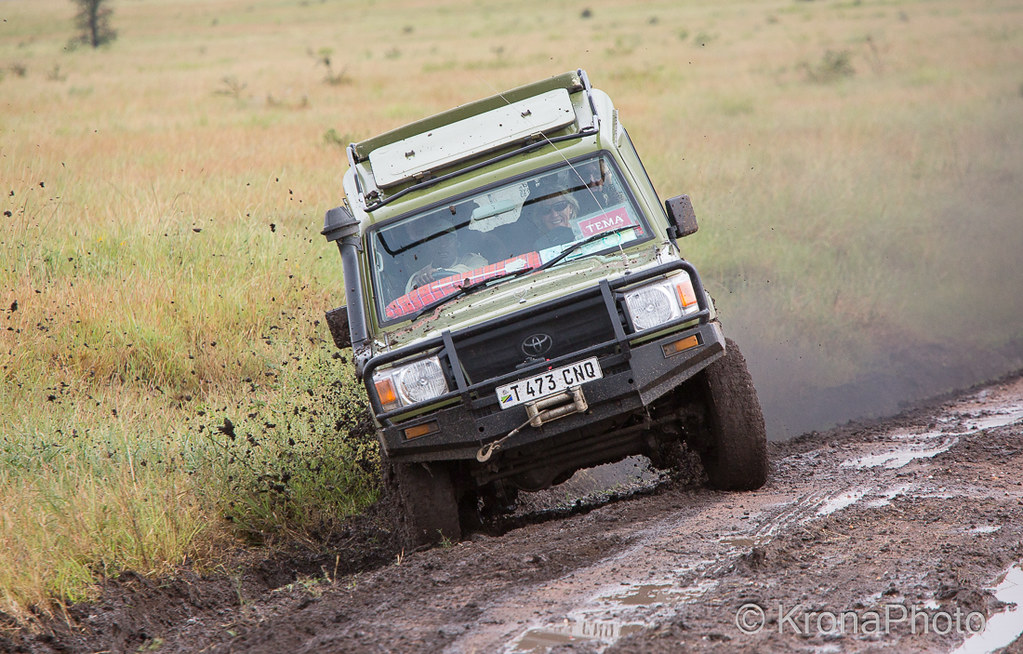
A Toyota Land Cruiser is one of the best options because it offers good ground clearance, strong off-road capability and enough space for passengers and camping equipment.
For a serious self-drive safari, look for a vehicle equipped with:
- 4WD/high and low range
- Two spare tyres
- Good all-terrain tyres
- Dual fuel tanks
- Long-range fuel capacity
- Recovery equipment
- Roof tent
- Camping mattress
- Sleeping bags
- Camping table and chairs
- Cooking equipment
- Fridge or cooler
- Basic tools and spare parts
- Reliable navigation equipment
A standard city SUV or 2WD rental car is not recommended for this route.
Camping or Lodges for a 15-Day DIY Safari?
You do not have to camp every night.
A mixed camping and lodge itinerary is often the most comfortable option. You can camp in the national parks while using guesthouses or lodges in places such as Arusha, Mto wa Mbu, Lake Natron and Karatu.
This gives you the adventure of sleeping in the wilderness without sacrificing comfort throughout the entire 15 days.
For travelers on a tighter budget, a fully camping-based safari can significantly reduce accommodation costs.
How Much Does a 15-Day DIY Tanzania Safari Cost?
The final cost depends heavily on the number of travelers, vehicle type, accommodation style, season and number of days spent inside the national parks.
Your main expenses will usually include:
4×4 vehicle rental: The daily rental rate depends on the vehicle and equipment included.
Fuel: Budget for fuel based on your route and the amount of driving you intend to do inside Serengeti and other parks.
Park and conservation fees: These can represent a significant portion of a Tanzania safari budget.
Camping fees: Campsite charges vary according to location and type of campsite.
Accommodation: Lodge and hotel costs vary enormously depending on the property and season.
Food: Self-catering is one of the easiest ways to reduce costs on a DIY safari.
Permits and additional charges: Some destinations require additional fees, permits or reservations.
For an accurate quotation, calculate these costs based on your exact travel dates and number of travelers rather than relying on a generic safari budget.
Fuel and Supplies
Do not treat fuel planning casually on a Tanzania self-drive safari.
Fill the vehicle whenever you have a reliable opportunity, especially before entering remote areas.
It is also advisable to carry sufficient drinking water and food for unexpected delays.
Inside remote safari areas, there may be no convenient petrol station when you need one. Your vehicle’s fuel range should therefore be considered when designing the itinerary.
Is a 15-Day DIY Safari Suitable for First-Time Self-Drivers?
Yes, but preparation is important.
Travelers who have never driven in Tanzania should consider starting with the easier sections of the Northern Circuit and avoid unnecessarily ambitious daily distances.
The most important things are to understand the vehicle, respect park regulations, drive conservatively and allow plenty of time.
A self-drive safari is not a race. The objective is to enjoy the journey and wildlife rather than cover the maximum number of kilometres every day.
Best Time for a 15-Day Tanzania Self-Drive Safari
Tanzania can be visited throughout the year, but the ideal itinerary depends on what you want to see.
June to October is generally popular for dry-season wildlife viewing, with good road conditions in many areas.
January to February can be excellent for the southern Serengeti and the wildebeest calving season.
March to May brings the long rains. Some roads can become difficult, but the landscapes are green and visitor numbers are generally lower.
November to December brings the short rains and can offer excellent scenery and wildlife viewing between rain showers.
For the Great Migration, remember that the animals move continuously. Your Serengeti route should therefore be adjusted according to the time of year.
Practical Tips for a Successful DIY Tanzania Safari
Start your game drives early
Wildlife is often most active in the morning, and starting early also gives you more time before afternoon heat.
Download offline maps
Do not depend entirely on mobile internet. Download maps before entering remote areas.
Carry enough water
Always carry more drinking water than you expect to need.
Drive slowly
Safari tracks can contain potholes, deep sand, rocks, mud and unexpected obstacles.
Respect wildlife
Never approach animals too closely or leave the designated road network where prohibited.
Keep your itinerary flexible
Wildlife does not follow a timetable. Give yourself the flexibility to change your daily route.
Check your vehicle every morning
Before leaving camp, check tyres, oil, coolant, fuel and camping equipment.
Have a backup plan
A reliable rental company should provide emergency contact details and roadside assistance for mechanical problems.
15-Day DIY Safari: Recommended Route
For travelers who want a balance between wildlife, adventure and scenery, this is one of the best ways to structure the journey:
Arusha
↓
Arusha National Park
↓
Tarangire National Park
↓
Lake Manyara
↓
Lake Natron
↓
Ngorongoro
↓
Serengeti National Park
↓
Karatu
↓
Arusha
The route combines Tanzania’s major Northern Circuit attractions with the more adventurous Lake Natron section.
If wildlife is your absolute priority, you can remove Lake Natron and add those two days to Serengeti. This gives you more time in the park and reduces the amount of demanding driving.
Book Your Tanzania Self-Drive 4×4
A successful DIY safari starts with the right vehicle and reliable preparation. A properly equipped 4×4 Land Cruiser with camping equipment gives you the freedom to explore Tanzania independently while having the capability needed for challenging safari roads.
Before departure, make sure your rental package includes the appropriate insurance, vehicle documentation, emergency assistance and camping equipment required for your route.
Ready to plan your 15-day Tanzania self-drive safari from Arusha? Contact us for a 4×4 rental quotation, route planning assistance and advice on campsites, park access and vehicle requirements.