
Essential Tips for Preparing for a Tanzania Wildlife Safari
There are wildlife experiences you enjoy, and then there are those that stay with you long after you have returned home.
A Tanzania wildlife safari is one of those experiences.
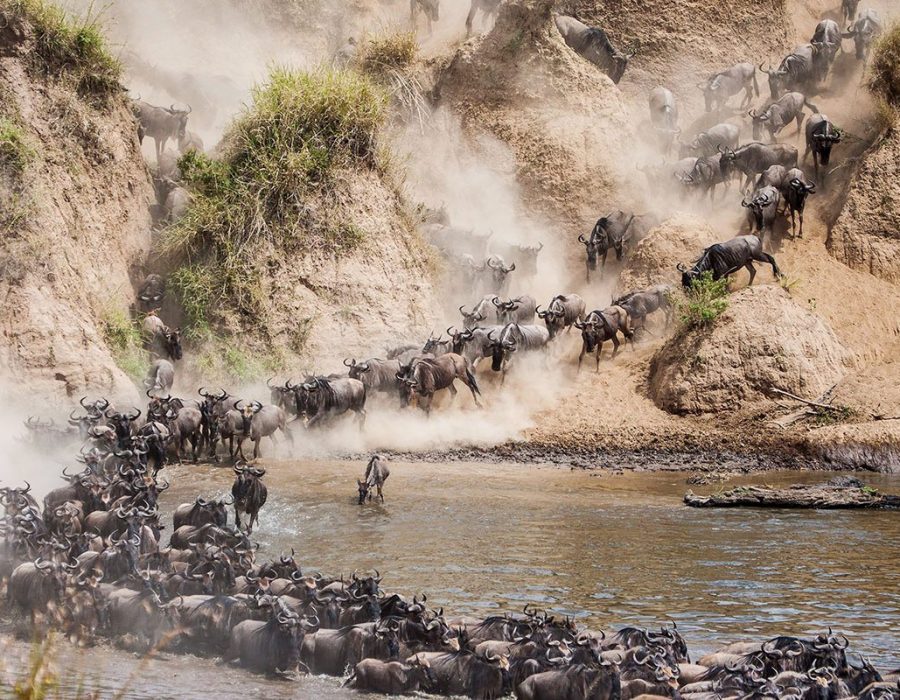
Imagine driving across the endless plains of the Serengeti at sunrise, watching a pride of lions resting beneath an acacia tree, seeing elephants crossing the road in Tarangire, standing above the Ngorongoro Crater and looking down over one of Africa’s most spectacular wildlife landscapes, or watching thousands of wildebeest moving across the plains during the Great Migration.
Tanzania is one of Africa’s leading safari destinations and offers an extraordinary combination of wildlife, landscapes, culture and adventure. From the famous Serengeti National Park and Ngorongoro Conservation Area to Tarangire, Lake Manyara, Nyerere, Ruaha, Katavi and Mikumi, the country offers safari experiences ranging from classic northern circuits to remote southern and western wilderness adventures.
A successful Tanzania safari, however, requires more than simply booking a game drive.
Road conditions can vary considerably, weather can change quickly, distances between destinations can be long, and some remote areas require careful preparation. If you are planning a self-drive safari, additional preparation is essential.
The better you prepare, the more comfortable and rewarding your safari is likely to be.
Here are some essential tips for preparing for a Tanzania wildlife safari.
Choose Your Tanzania Safari Destination Carefully
Tanzania is a large country with several distinct safari regions.
Choosing the right destinations depends on the wildlife you want to see, the amount of time available, the season of your visit and whether you prefer a classic safari circuit or a more remote adventure.
Serengeti National Park
The Serengeti National Park is Tanzania’s most famous wildlife destination and one of Africa’s most celebrated safari landscapes.
The park is particularly famous for its large populations of lions, leopards, cheetahs, elephants, giraffes, zebras, wildebeest and other wildlife.
The Serengeti also forms part of the wider ecosystem through which millions of wildebeest, zebras and other herbivores move during the Great Migration.
The migration is a natural process rather than a scheduled event. Animal movements depend on rainfall, water availability, grazing conditions and other environmental factors.
Travellers hoping to see a particular stage of the migration should therefore plan carefully and understand that wildlife movements cannot be guaranteed on exact dates.
Ngorongoro Conservation Area
The Ngorongoro Conservation Area is one of Tanzania’s most distinctive wildlife destinations.
The Ngorongoro Crater is a spectacular natural landscape surrounded by steep walls and supporting a remarkable concentration of wildlife.
Game drives inside the crater can provide opportunities to see lions, elephants, buffaloes, hippos, hyenas, zebras, wildebeest and other species.
The conservation area is also significant because people, wildlife and conservation coexist within the wider landscape.
Travellers should understand that Ngorongoro is more than simply a wildlife destination. It is also an important cultural and conservation area.
Tarangire National Park
Tarangire is particularly famous for its elephants, enormous baobab trees and beautiful savannah landscapes.
During periods when water becomes scarce elsewhere, the Tarangire River can attract significant concentrations of wildlife.
The park is an excellent addition to a northern Tanzania safari and can conveniently be combined with Lake Manyara, Ngorongoro and Serengeti.
Tarangire is also particularly attractive to photographers because of its distinctive landscapes and large elephant herds.
Lake Manyara National Park
Lake Manyara offers a different experience from the vast open plains of the Serengeti.
The park includes woodland, groundwater forests, open grassland and the lake itself.
Visitors can encounter elephants, giraffes, buffaloes, zebras, monkeys and a variety of bird species.
Lake Manyara is often included in northern Tanzania safari itineraries, particularly for travellers travelling between Arusha and the Ngorongoro area.
Nyerere National Park
For travellers looking beyond the northern safari circuit, Nyerere National Park offers a very different experience.
The park is part of the larger Selous ecosystem and contains extensive wilderness areas, rivers, lakes, woodland and grassland.
Wildlife can include elephants, hippos, crocodiles, giraffes, buffaloes, lions and many other species.
Boat safaris on the Rufiji River can add another dimension to a traditional game-drive itinerary, allowing visitors to observe hippos, crocodiles and birds from the water.
Ruaha National Park
Ruaha is one of Tanzania’s great wilderness destinations and is particularly appealing to travellers looking for a more remote safari experience.
The park is known for its elephants, lions, buffaloes and diverse landscapes.
Its extensive size means wildlife encounters can feel more private and less predictable than in some of Tanzania’s busier safari areas.
Ruaha can also be combined with other southern Tanzania destinations for a longer road safari.
Mikumi National Park
Mikumi is one of the more accessible national parks in southern Tanzania, particularly for travellers starting from Dar es Salaam.
The park’s open plains provide opportunities to see elephants, giraffes, zebras, buffaloes, lions and other wildlife.
Its location makes it useful for travellers who want to include a safari while also visiting Tanzania’s coast.
Katavi National Park
For travellers seeking a remote wilderness experience, Katavi offers an opportunity to explore one of Tanzania’s less-visited wildlife regions.
The park is known for its seasonal concentrations of hippos, buffaloes and elephants, along with a range of predators and other wildlife.
Reaching Katavi requires more planning than visiting the northern circuit, but the remoteness is part of its attraction.
Decide What You Want From Your Safari
Before booking your trip, think about what you most want to experience.
Are you interested in the Great Migration?
Do you want to see elephants?
Are lions and big cats your priority?
Would you like to experience the Ngorongoro Crater?
Are you interested in birdwatching?
Do you prefer remote wilderness areas?
Or would you like to combine wildlife with Tanzania’s beaches and islands?
Your answers will help determine the best itinerary.
For example, a first-time safari traveller may choose a northern circuit involving Tarangire, Ngorongoro and Serengeti.
A traveller looking for a quieter wilderness experience may prefer Ruaha, Nyerere, Mikumi or Katavi.
Choose the Right Time to Visit Tanzania
Tanzania is a year-round safari destination, but the experience changes with the seasons.
The country’s wildlife areas experience different rainfall patterns, and these influence vegetation, water availability and animal movements.
The traditionally dry periods are popular because wildlife can become easier to locate around remaining water sources and vegetation may be less dense.
The green seasons can produce spectacular scenery, newborn animals and excellent conditions for photography.
The Great Migration is another major consideration.
The wildebeest and other herbivores move continuously through the Serengeti-Mara ecosystem rather than remaining in one place throughout the year.
If the migration is the main reason for your visit, research the expected movements for your travel period and allow some flexibility.
Prepare for Early-Morning Game Drives
Some of the best wildlife viewing takes place during the early morning.
Animals are often more active when temperatures are cooler, while the soft morning light creates excellent conditions for photography.
This means your safari day may begin before sunrise.
Prepare your clothes and equipment the night before so that you can leave your accommodation without unnecessary delays.
A light jacket or fleece is useful because mornings can be cool, particularly in the highlands around Ngorongoro and other elevated areas.
Pack the Right Safari Clothing
Tanzania does not require a complicated safari wardrobe.
The most important thing is to pack practical, comfortable clothing that can handle changing temperatures and dusty roads.
Useful items include:
- Lightweight trousers
- Long-sleeved shirts
- Comfortable walking shoes
- Light fleece or warm jacket
- Waterproof jacket
- Hat or cap
- Sunglasses
- Sunscreen
- Insect repellent
- Binoculars
- Camera and spare batteries
- Power bank
- Reusable water bottle
- Small daypack
Dressing in layers is particularly useful because mornings can be cool while afternoons can become hot.
Long sleeves and trousers also provide protection from the sun and insects.
Bring Binoculars
A pair of binoculars can greatly improve your safari experience.
Not every animal will be close to the vehicle.
A leopard may be resting in a distant tree, an eagle may be perched high above the plains, or a herd of elephants may be several hundred metres away.
Binoculars allow you to observe wildlife and birds without disturbing them.
They are especially valuable for birdwatchers because Tanzania has an impressive variety of bird species.
Protect Your Camera Equipment
Tanzania’s wildlife and landscapes provide exceptional photography opportunities, but safari conditions can be dusty.
Protect your camera and other electronic equipment from dust, moisture and heat.
Consider carrying:
- Spare batteries
- Extra memory cards
- Lens-cleaning equipment
- Protective camera bag
- Dust protection
- Power bank
If you use your smartphone as your main camera, make sure you have enough storage available before starting the safari.
And remember to put the camera down occasionally.
Watching a lion walk across the Serengeti with your own eyes can be more memorable than watching it through a screen.
Follow Wildlife-Viewing Rules
Wild animals should always be treated with respect.
Remain inside your safari vehicle unless your guide has specifically confirmed that it is safe to leave.
Never attempt to feed animals or attract their attention.
Do not shout at wildlife or encourage your driver to approach animals in an unsafe or disruptive manner.
When observing predators or other potentially dangerous animals, maintain an appropriate distance and follow the instructions of your guide or park authorities.
Responsible wildlife viewing helps protect both visitors and animals.
Consider a Guided or Self-Drive Safari
Tanzania offers different ways to experience its wildlife.
A guided safari allows you to travel with a professional driver-guide who knows the parks, roads and wildlife behaviour.
A private safari offers greater flexibility, while group safaris can provide a more economical option.
For experienced travellers, a self-drive safari in Tanzania can provide an entirely different sense of freedom.
With a suitable 4×4 vehicle, travellers can explore Tanzania independently and design a road trip around their own interests.
Self-driving, however, requires more preparation.
You need to understand national park regulations, driving conditions, navigation, fuel availability, vehicle recovery procedures and wildlife-viewing etiquette.
Remote destinations such as Ruaha, Katavi and parts of southern and western Tanzania require particularly careful planning.
Choose the Right 4×4 Rental Vehicle
The vehicle is one of the most important parts of a self-drive safari.
A suitable vehicle should be reliable, comfortable and capable of handling rough roads.
A properly equipped 4×4 rental vehicle is particularly useful for safari routes where roads may become muddy or uneven.
Travellers may choose vehicles such as Toyota Land Cruiser models, Toyota Hilux and other suitable 4WD vehicles depending on their itinerary.
If you are planning to camp, make sure the vehicle has enough capacity for camping equipment, luggage, food, water and recovery equipment.
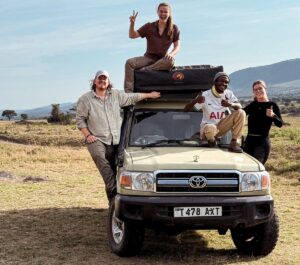
A rooftop tent can also be an excellent option for travellers planning an independent camping safari.
Before booking, ask about:
- Vehicle model
- 4WD capability
- Insurance
- Insurance excess
- Spare tyres
- Recovery equipment
- Refrigerator
- Camping equipment
- Unlimited mileage
- Cross-border permission
- Breakdown support
Understand Tanzania’s Park Rules
Every national park and protected area can have specific rules, fees and operating requirements.
Before entering a park, make sure you understand the applicable regulations.
This is particularly important for self-drive travellers, who are responsible for understanding where and when they can drive.
Park fees, camping fees, concession fees, transit charges and other costs can change, so confirm the current requirements before travelling.
If you are renting a vehicle, ask your rental company whether they assist with park entry procedures and permits.
Plan Your Accommodation Carefully
Tanzania has accommodation ranging from public campsites and budget lodges to comfortable tented camps and luxury safari lodges.
Your accommodation choice should take location into account as well as price.
Staying near your next day’s activity can reduce unnecessary driving.
For example, if you have an early morning game drive, staying close to the relevant park area can make the morning much easier.
For camping travellers, check whether the campsite has basic facilities such as toilets, showers, water and cooking areas.
Remote campsites may offer very limited services, so preparation is important.
Allow Enough Time Between Destinations
Tanzania is a large country.
Distances that look manageable on a map can take much longer by road, particularly when travelling on rough or unpaved roads.
Do not build an itinerary that requires you to drive hundreds of kilometres every day.
A rushed safari can become exhausting and leave little time for wildlife viewing.
Instead, allow enough time at each destination.
A few additional nights in a park can provide more opportunities to explore different areas and observe wildlife at different times of day.
Budget Beyond the Safari Package
Your Tanzania safari budget should include more than the advertised accommodation price.
Consider:
- Park entry fees
- Conservation or concession fees where applicable
- Accommodation
- Safari vehicle
- Driver-guide
- Fuel
- Camping fees
- Camping equipment
- Food and drinks
- Airport transfers
- Flights
- Visa costs
- Travel insurance
- Activities
- Boat safaris
- Cultural visits
- Tips
- Emergency expenses
Self-drive travellers should also budget for vehicle rental, insurance excess, security deposits, camping equipment and other rental-related costs.
Always request a detailed quotation so that you understand exactly what is included.
Respect Tanzania’s Local Communities and Cultures
Tanzania is home to many different communities and cultural traditions.
A safari can provide opportunities to visit local villages, meet community members and learn about traditional lifestyles.
When visiting communities, respect local customs and always ask permission before photographing people.
Supporting locally owned businesses, purchasing locally made crafts and using community tourism services can help spread the economic benefits of tourism.
Cultural tourism should be based on respect rather than treating communities simply as tourist attractions.
Protect Tanzania’s Wildlife and Environment
Tanzania’s national parks are home to some of the world’s most important wildlife populations.
Visitors have an important role to play in protecting these environments.
Never throw rubbish from a vehicle.
Avoid unnecessary single-use plastics and conserve water when staying in camps and lodges.
Do not remove plants, rocks, feathers or other natural materials from protected areas.
Stay on authorised roads and follow park regulations.
Even a small action can have an impact when thousands of visitors travel through the same ecosystem.
Be Patient When Looking for Wildlife
A safari is not a zoo visit.
Animals are free to move wherever they want.
You may spend considerable time searching for a leopard before suddenly finding one resting in a tree.
You may see lions sleeping for hours before they become active.
An elephant herd may cross the road and disappear into the vegetation minutes later.
This unpredictability is part of the magic of safari.
Do not judge a safari by how many animals you see in the first few hours.
Instead, enjoy the entire experience.
Look Beyond the Big Five
The Big Five — lion, leopard, elephant, buffalo and rhino — are major attractions, but Tanzania’s wildlife extends far beyond these famous animals.
Look for:
- Cheetahs
- Giraffes
- Zebras
- Wildebeest
- Hippos
- Crocodiles
- Hyenas
- Warthogs
- Jackals
- Antelopes
- Monkeys
- Baboons
- Birds of prey
- Flamingos
- Migratory birds
Tanzania’s biodiversity means that almost every game drive can reveal something unexpected.
Combine Wildlife With Tanzania’s Coast
One of the advantages of choosing Tanzania for a safari is the opportunity to combine wildlife with a beach holiday.
After exploring the Serengeti, Ngorongoro or southern circuit, travellers can continue to the coast for a completely different experience.
Zanzibar is the most famous option, offering beaches, marine activities, Stone Town and a rich cultural history.
Travellers can also consider mainland coastal destinations such as Dar es Salaam, Pangani, Bagamoyo and other coastal areas.
A safari followed by several days on the Indian Ocean can create a balanced Tanzania holiday combining wildlife, culture and relaxation.
Consider a Tanzania-Kenya Safari Combination
Tanzania and Kenya share the greater Serengeti-Mara ecosystem, making it possible to combine the two countries in a longer East African itinerary.
Travellers can, for example, combine the Maasai Mara in Kenya with the Serengeti and Ngorongoro in Tanzania.
However, if you are using a rental vehicle, cross-border travel requires additional planning.
You should confirm:
- Cross-border rental permission
- Insurance requirements
- Vehicle documentation
- Border charges
- Immigration requirements
- Driving licence requirements
- Park and conservation regulations
Never assume that a vehicle rented in one country can automatically cross into another.
Prepare for Different Road Conditions
Tanzania’s safari roads vary considerably.
Major highways between cities may be paved, while roads inside national parks and remote areas can be rough, dusty, sandy or muddy.
During rainy periods, some roads can become particularly challenging.
If you are driving yourself, reduce speed on rough surfaces and avoid taking unnecessary risks.
Carry sufficient water, know where your next fuel stop is located and avoid travelling into remote areas without adequate preparation.
A reliable navigation system and offline maps can also be extremely useful where mobile network coverage is limited.
Keep Important Documents Safe
Carry copies of important travel and vehicle documents.
These may include:
- Passport
- Visa or entry documentation
- Driving licence
- International Driving Permit where applicable
- Vehicle rental agreement
- Insurance documentation
- Park booking confirmations
- Accommodation confirmations
- Emergency contact information
For cross-border trips, additional documentation may be required.
Keep original documents secure while carrying accessible copies for practical use.
Choose a Responsible Safari or Car Rental Company
If you are booking a guided safari or self-drive rental, research the company carefully.
A reputable operator should clearly explain the costs, inclusions, exclusions and conditions of your booking.
For a safari, ask about the vehicle, driver-guide, accommodation, park fees and itinerary.
For a self-drive rental, ask about the vehicle’s condition, insurance, excess, recovery equipment, camping gear and support in case of breakdown.
It is also worth considering whether the company supports local employment and responsible tourism.
Do Not Try to See Everything in One Trip
Tanzania is too large and diverse to experience everything during a single short holiday.
Trying to visit Serengeti, Ngorongoro, Tarangire, Nyerere, Ruaha, Katavi, Zanzibar and several other destinations in one itinerary can result in long driving days and little time to enjoy each destination.
Instead, choose a logical route.
A northern itinerary might focus on:
Arusha → Tarangire → Ngorongoro → Serengeti → Arusha
A longer northern safari can add Lake Manyara or other destinations.
A southern itinerary might connect:
Dar es Salaam → Mikumi → Udzungwa → Ruaha → Nyerere
The best route depends on the season, available time and type of vehicle.
A Tanzania Safari Is More Than a Game Drive
Tanzania’s wildlife is the centrepiece of many journeys, but the country offers much more.
You can explore local cultures, visit historical sites, climb mountains, experience traditional food, relax on the Indian Ocean coast and discover landscapes ranging from tropical forests to volcanic highlands and vast savannahs.
Mount Kilimanjaro provides one of Africa’s most recognisable landscapes, while the Great Rift Valley and the country’s lakes add further diversity.
A well-planned Tanzania trip can therefore combine wildlife, adventure, culture and relaxation.
Make Your Tanzania Wildlife Safari Unforgettable
Preparing for a Tanzania wildlife safari does not mean trying to control every part of the experience.
Wildlife is unpredictable. Weather can change. Roads can be challenging. A journey that looks straightforward on a map can sometimes take much longer than expected.
The key is to prepare well while leaving room for the unexpected.
Choose your destinations carefully, plan around the season, pack practical clothing, bring binoculars, protect your camera equipment and allow enough time to enjoy each destination.
If you are self-driving, choose a reliable 4×4, understand park regulations, carry appropriate recovery equipment and plan your fuel and accommodation carefully.
Whether you are watching the Great Migration in the Serengeti, observing elephants among the baobabs of Tarangire, looking across the Ngorongoro Crater, exploring the wilderness of Ruaha or following the Rufiji River through Nyerere National Park, Tanzania offers extraordinary opportunities to experience wildlife in its natural environment.
The best safari is not necessarily the one where you see the most animals.
It is the one where you have enough time to slow down, appreciate the landscape and allow the wilderness to reveal itself naturally.
Frequently Asked Questions About Tanzania Wildlife Safaris
What are the best places for a wildlife safari in Tanzania?
Some of Tanzania’s most popular wildlife destinations include Serengeti National Park, Ngorongoro Conservation Area, Tarangire National Park, Lake Manyara National Park, Nyerere National Park, Ruaha National Park, Mikumi National Park and Katavi National Park.
What is the best time to visit Tanzania for a safari?
Tanzania can be visited throughout the year. Traditionally dry periods are popular for wildlife viewing, while wetter periods can offer green landscapes, young animals and excellent photographic conditions. The best period for the Great Migration depends on the particular stage of the animals’ movement.
Can I see the Big Five in Tanzania?
Yes. Lions, leopards, elephants, buffaloes and rhinos are found in Tanzania’s protected wildlife areas, although sightings are never guaranteed.
How many days do I need for a Tanzania safari?
A short safari can focus on a few northern destinations, while a longer trip can combine several parks or explore the southern and western circuits. Around one to two weeks can provide enough time for a varied safari without making the itinerary excessively rushed.
Can I do a self-drive safari in Tanzania?
Yes. Experienced travellers can explore Tanzania independently with a suitable 4×4 vehicle. Self-drive travellers should understand park regulations, road conditions, navigation, fuel availability and wildlife safety before setting out.
What type of vehicle is best for a Tanzania self-drive safari?
A reliable 4WD vehicle is generally appropriate for safari travel. Toyota Land Cruiser and Toyota Hilux models are among the types commonly used for East African safari road trips. The best vehicle depends on the route, number of travellers and whether you plan to camp.
Can I rent a 4×4 with camping equipment in Tanzania?
Yes. Some rental companies offer 4×4 vehicles equipped with rooftop tents, mattresses, sleeping bags, refrigerators, cooking equipment, tables, chairs and other camping supplies.
Can I combine Tanzania and Kenya on one safari?
Yes. Kenya and Tanzania can be combined into a single East African safari itinerary. However, travellers using rental vehicles must confirm cross-border permission, insurance and vehicle documentation before travelling.
Can I combine a Tanzania safari with Zanzibar?
Yes. Many travellers combine a mainland Tanzania safari with a beach holiday in Zanzibar. This allows you to experience wildlife and safari landscapes before relaxing on the Indian Ocean coast.
What should I wear on a Tanzania safari?
Lightweight trousers, long-sleeved shirts, comfortable shoes, a hat, sunglasses and sunscreen are useful. A fleece or warm jacket is recommended for cool mornings, particularly in higher-altitude areas.
Do I need binoculars on safari?
Binoculars are highly recommended. They allow you to observe animals and birds that are too far away to see clearly with the naked eye.
Is Tanzania suitable for first-time safari travellers?
Yes. Tanzania offers a wide range of safari options, from short guided trips to longer private and self-drive adventures. First-time travellers can choose an organised safari or work with an experienced operator to plan their itinerary.
What makes a Tanzania safari special?
Tanzania combines extraordinary wildlife with diverse landscapes and some of Africa’s most famous safari destinations. The Serengeti, Ngorongoro, Tarangire, southern wilderness areas and Indian Ocean coast can be combined to create a highly varied East African travel experience.