
Beyond the Safari: The Best Things to Do in Tanzania
Watching a pride of lions resting beneath an acacia tree, following elephants across the savannah or witnessing the Great Wildebeest Migration in the Serengeti are experiences that bring travellers from around the world to Tanzania.
For many visitors, the safari is the main reason for coming. And with world-famous destinations such as the Serengeti, Ngorongoro Crater and Tarangire National Park, it is easy to understand why.
But Tanzania is much more than game drives.
From the snow-capped summit of Mount Kilimanjaro and the forests of the Eastern Arc Mountains to the tropical beaches of Zanzibar and the remote wilderness of southern Tanzania, the country offers an extraordinary range of experiences.
You can climb Africa’s highest mountain, walk through ancient forests, explore historic Swahili towns, dive in the Indian Ocean, meet local communities, discover coffee plantations or take a dhow cruise along the coast.
If you are already planning a Tanzanian safari, adding a few extra days can turn a traditional wildlife holiday into a much broader East African adventure.
Here are some of the best things to do in Tanzania beyond the classic safari.
Climb Mount Kilimanjaro
For adventurous travellers, Mount Kilimanjaro is one of Tanzania’s ultimate experiences.
Rising to 5,895 metres above sea level, Kilimanjaro is Africa’s highest mountain and one of the world’s most recognisable peaks.
You do not need to be an experienced technical mountaineer to attempt the climb, but reaching the summit requires physical preparation, determination and adequate acclimatisation.
Several routes lead towards Uhuru Peak, including Machame, Lemosho, Marangu and Rongai. Each offers a different combination of scenery, duration and difficulty.
The climb takes you through several distinct ecological zones, beginning in cultivated areas and montane forest before progressing through moorland, alpine desert and finally the high-altitude summit environment.
Reaching Uhuru Peak at sunrise, with the landscape stretching far below, is an experience that can rival any safari encounter.
For travellers with limited time, the lower slopes of Kilimanjaro can also be explored through shorter hiking experiences.
Explore Zanzibar and the Tanzanian Coast
After several days of safari, few places provide a better opportunity to relax than the beaches of Zanzibar.
The island is famous for its white-sand beaches, turquoise waters, coral reefs and rich Swahili history.
Visitors can spend their days swimming, snorkelling, diving, sailing or simply relaxing beside the Indian Ocean.
The surrounding islands and marine areas also offer opportunities to encounter colourful reef fish, sea turtles and other marine life.
Zanzibar is particularly popular as an extension to a northern Tanzania safari. After exploring the Serengeti, Ngorongoro and Tarangire, travellers can fly to the coast and exchange the savannah for tropical beaches.
Discover Stone Town
A visit to Zanzibar would not be complete without exploring Stone Town, the historic heart of the island.
The narrow streets are lined with historic buildings, traditional Swahili architecture, colourful markets and elaborately carved wooden doors.
Stone Town reflects centuries of interaction between African, Arab, Persian, Indian and European cultures and was once an important centre of Indian Ocean trade.
Visitors can explore the old streets, visit historic sites, browse local markets and sample traditional Zanzibari cuisine.
A guided walking tour is one of the best ways to understand the history and cultural diversity of the island.
Go Snorkelling or Diving
Tanzania’s coastline and islands offer outstanding opportunities for underwater exploration.
Zanzibar, Mafia Island and Pemba Island are particularly attractive to travellers interested in coral reefs, tropical fish and marine wildlife.
Mafia Island is also known for opportunities to encounter whale sharks during the appropriate season, making it an excellent destination for travellers who want to combine a beach holiday with a memorable marine experience.
Snorkelling and diving provide a completely different perspective on Tanzania’s natural environment.
After spending days searching for wildlife on land, exploring coral gardens and tropical waters offers another way to experience the country’s remarkable biodiversity.
Explore Nyerere National Park
Not every Tanzanian safari has to take place in the northern circuit.
Nyerere National Park in southern Tanzania offers a vast wilderness experience centred around the Rufiji River and its network of lakes, channels and wetlands.
Boat safaris are one of the park’s defining experiences.
Travelling by boat allows visitors to observe hippos, crocodiles and waterbirds from a completely different perspective, while game drives provide opportunities to search for elephants, lions, giraffes, buffaloes, wild dogs and other wildlife.
The park’s enormous size also means that visitors can experience a greater sense of wilderness and solitude than in some of Tanzania’s more heavily visited northern destinations.
For travellers who want to experience Tanzania beyond the Serengeti, Nyerere is an excellent choice.
Visit Ruaha National Park
For a more remote safari experience, head further into southern Tanzania to Ruaha National Park.
Ruaha is one of Tanzania’s largest national parks and is particularly famous for its elephants, baobab-studded landscapes and large populations of predators.
The Great Ruaha River provides an important source of water and creates a focal point for wildlife, particularly during drier periods.
The scenery is also part of the attraction. Huge baobabs, rocky hills, open plains and woodland create a landscape that feels very different from the Serengeti.
Ruaha is an excellent destination for travellers who want a quieter safari experience away from the busiest northern safari routes.
Go Chimpanzee Trekking in Mahale
On the shores of Lake Tanganyika in western Tanzania lies Mahale Mountains National Park, one of the country’s most spectacular and remote destinations.
Mahale is famous for its chimpanzees.
Trekking through the forest in search of habituated chimpanzee communities provides an intimate wildlife experience that is completely different from a traditional vehicle safari.
Once the chimpanzees are located, visitors can observe them feeding, grooming, calling and moving through the forest.
The surrounding landscape makes the experience even more remarkable. Forest-covered mountains rise behind the park while the clear waters of Lake Tanganyika stretch along its western boundary.
For adventurous travellers with sufficient time, Mahale is one of Tanzania’s most rewarding off-the-beaten-path destinations.
Visit Lake Tanganyika
Lake Tanganyika is one of Africa’s Great Lakes and one of the world’s deepest freshwater lakes.
Its clear waters, sandy beaches and dramatic surrounding mountains create a spectacular setting for relaxation and adventure.
Travellers visiting western Tanzania can enjoy swimming, kayaking, boating, fishing and exploring lakeside communities, depending on the destination and local conditions.
The lake is particularly appealing for travellers looking for a quieter alternative to Tanzania’s more famous tourist destinations.
Explore the Usambara Mountains
The Usambara Mountains in northeastern Tanzania are an excellent destination for travellers interested in hiking, scenery and rural culture.
The mountains are covered in forests and agricultural landscapes, with hiking trails connecting villages, viewpoints and areas of natural beauty.
Walking through the Usambaras provides a very different experience from climbing Kilimanjaro.
Instead of focusing on reaching a high-altitude summit, travellers can spend several days exploring forests, farms and villages while enjoying spectacular views across the surrounding countryside.
The region is also an excellent place to experience rural Tanzania at a slower pace.
Hike in the Udzungwa Mountains
The Udzungwa Mountains National Park forms part of the Eastern Arc Mountains and is known for its rich biodiversity and dramatic scenery.
The park offers several hiking opportunities, including trails leading to waterfalls and viewpoints.
One of the best-known hikes leads towards Sanje Waterfalls, where visitors can enjoy spectacular views over the surrounding forest and valleys.
Udzungwa is also home to several endemic species of plants and animals, making it particularly interesting for nature lovers.
For travellers exploring southern Tanzania by road, Udzungwa can be combined with Mikumi, Ruaha and other destinations to create an excellent wildlife and hiking itinerary.
Visit Mikumi National Park
Located relatively close to Dar es Salaam, Mikumi National Park is one of Tanzania’s most accessible safari destinations.
The park’s open plains and surrounding mountains provide habitat for elephants, giraffes, zebras, buffaloes, lions, hippos and numerous antelope species.
Its accessibility makes Mikumi particularly useful for travellers who have limited time or are beginning a longer southern Tanzania road trip.
Mikumi can also be combined with Nyerere National Park, Udzungwa and Ruaha for an extended southern circuit.
Discover the Ngorongoro Highlands
The Ngorongoro Conservation Area is famous for the spectacular Ngorongoro Crater, but the surrounding highlands deserve attention too.
The region contains volcanic landscapes, forests, grasslands and traditional Maasai communities.
Travellers can explore walking trails, viewpoints and cultural attractions while learning about the relationship between people, livestock, wildlife and the environment.
For hikers, the highlands offer opportunities to experience Tanzania away from the safari vehicle.
The area also provides spectacular scenery, particularly around the volcanic mountains and valleys.
Explore Lake Manyara and Its Surroundings
Lake Manyara National Park is another destination where wildlife can be combined with other experiences.
The park is known for its varied habitats, including groundwater forests, woodland, open plains and the lake itself.
Elephants, giraffes, buffaloes, zebras, hippos and numerous bird species can be encountered during game drives.
Outside the park, travellers can explore local villages, cultural experiences and agricultural areas.
The destination is particularly convenient because of its location between Arusha and the Ngorongoro region.
Experience Tanzania’s Coffee Culture
The slopes around Mount Kilimanjaro and other highland regions are famous for coffee production.
A coffee plantation or farm visit provides an opportunity to learn about how coffee is grown, harvested, processed and roasted.
Travellers can meet local farmers, walk through coffee fields and sample freshly prepared coffee.
This is an excellent cultural experience to add before or after a Kilimanjaro climb or northern Tanzania safari.
It also offers a welcome change of pace from wildlife viewing.
Meet Local Communities
Tanzania is home to a remarkable diversity of communities, cultures and traditions.
A responsible community experience can provide insight into everyday life beyond the country’s major tourist attractions.
Depending on the region, travellers may visit Maasai communities, learn about traditional pastoral lifestyles, explore village markets, participate in cultural performances or discover traditional crafts.
Food is another important part of the experience.
Trying local dishes and learning about traditional cooking provides a more personal connection with the country.
When choosing a community visit, it is worth selecting responsible experiences that provide meaningful benefits to the local communities involved.
Discover Tanzania’s Swahili Culture
Tanzania’s coastal regions have been shaped by centuries of Swahili culture and Indian Ocean trade.
This heritage can be experienced in Zanzibar, Bagamoyo, Pangani, Dar es Salaam and other coastal communities.
Historic buildings, markets, mosques, traditional food, music and architecture all reveal the influence of centuries of cultural exchange.
Bagamoyo, north of Dar es Salaam, is particularly interesting for travellers interested in history.
The town played an important role in regional trade and provides an opportunity to learn about Tanzania’s complex coastal and inland history.
Visit Bagamoyo
For travellers looking for a cultural destination near Dar es Salaam, Bagamoyo offers a fascinating combination of history, coastal scenery and Swahili culture.
The town contains historic sites connected to trade, missionary activity and the wider history of the East African coast.
Visitors can explore the old town, historic buildings and nearby coastal areas while learning about the role Bagamoyo played in Tanzania’s past.
Its location also makes it a useful stop on road journeys along the Tanzanian coast.
Go Birdwatching
Tanzania is one of Africa’s great birdwatching destinations, with an enormous variety of habitats supporting hundreds of bird species.
The country’s national parks, wetlands, forests, lakes and coastal ecosystems all offer different birding opportunities.
The Serengeti and Ngorongoro provide excellent opportunities for savannah species, while Lake Manyara is particularly attractive for waterbirds.
Forests in the Eastern Arc Mountains support specialised forest species, while the coastal regions add another dimension to Tanzania’s birdlife.
Birdwatching can easily be incorporated into a conventional safari, but dedicated birders can also build an entire itinerary around Tanzania’s diverse ecosystems.
Explore the Tanzania-Zanzibar Combination
One of Tanzania’s greatest advantages is the ease with which a wildlife safari can be combined with a beach holiday.
A classic itinerary might begin in Arusha before continuing to Tarangire, Ngorongoro and the Serengeti.
After the safari, a short flight can take you to Zanzibar for several days of beaches, diving, cultural exploration and relaxation.
Another option is to combine southern Tanzania with Zanzibar, beginning in Dar es Salaam before travelling through Mikumi, Udzungwa, Nyerere and Ruaha.
This combination allows travellers to experience both Tanzania’s wilderness and Indian Ocean coast.
Take a Dhow Cruise
Traditional dhow boats are closely associated with the Swahili coast.
A dhow cruise provides a relaxed way to explore the coastline and surrounding waters, particularly around Zanzibar, Pemba, Mafia and other coastal destinations.
Sunset cruises are especially popular, offering spectacular views as the sun disappears over the Indian Ocean.
Depending on the location and conditions, boat trips can also include snorkelling, fishing, island visits and marine wildlife experiences.
Explore Tanzania by Road
One of the best ways to experience Tanzania beyond the major tourist highlights is by travelling overland.
A well-planned road trip can connect Arusha with the northern safari circuit, or take travellers south from Dar es Salaam through Mikumi, Udzungwa, Ruaha and the southern highlands.
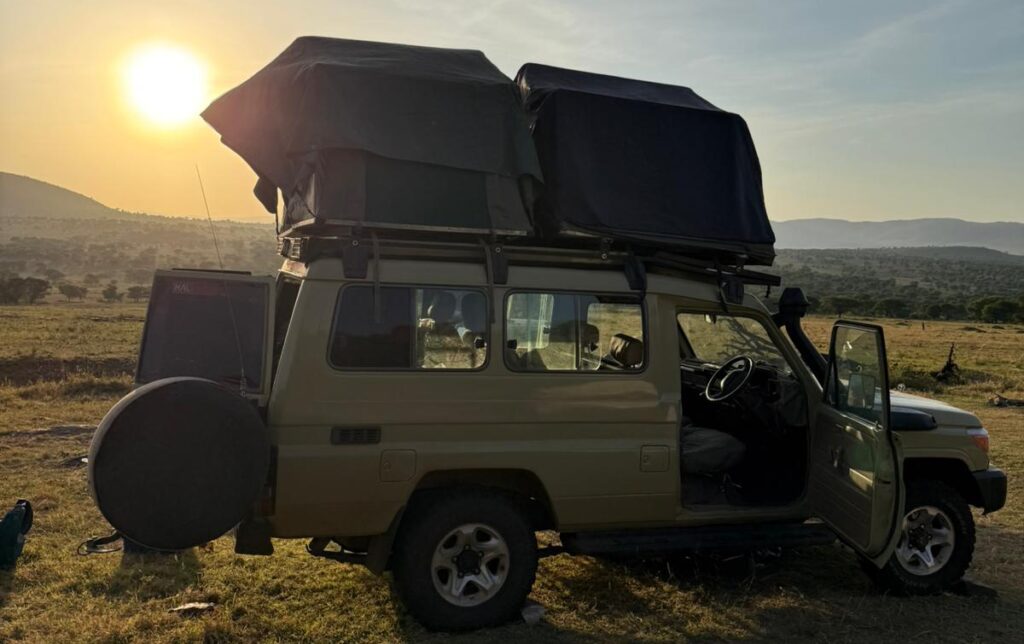
For independent travellers, a suitable 4×4 rental in Tanzania provides flexibility to create an itinerary around personal interests.
Self-drive travel can be particularly rewarding for experienced travellers who want to spend more time in less-visited areas, explore scenic routes and combine national parks with hiking, cultural and coastal experiences.
A well-equipped 4×4 can also make it possible to incorporate camping into a longer Tanzanian adventure.
For travellers planning to cross into Kenya, Uganda, Rwanda, Zambia or other neighbouring countries, however, cross-border permissions, insurance, vehicle documentation and border requirements should be arranged in advance.
How to Combine Tanzania’s Experiences
Tanzania is large enough to offer several completely different styles of travel.
A first-time visitor might combine the Serengeti, Ngorongoro and Tarangire with Zanzibar.
An adventurous traveller could combine Mount Kilimanjaro with a northern Tanzania safari.
A traveller looking for a quieter experience might choose Nyerere, Ruaha and Udzungwa before heading to the coast.
Those with more time could explore western Tanzania, combining Mahale Mountains with Lake Tanganyika.
A longer Tanzania adventure could include:
- Arusha and the northern safari circuit
- Tarangire National Park
- Lake Manyara
- Ngorongoro Conservation Area
- Serengeti National Park
- Mount Kilimanjaro
- Lake Natron
- Nyerere National Park
- Ruaha National Park
- Mikumi National Park
- Udzungwa Mountains
- Usambara Mountains
- Lake Tanganyika
- Mahale Mountains National Park
- Bagamoyo
- Dar es Salaam
- Zanzibar
- Pemba Island
- Mafia Island
The possibilities are extensive, and the best itinerary depends on how much time you have and whether your priorities are wildlife, hiking, culture, beaches, adventure or independent road travel.
The Best Time to Explore Tanzania Beyond Safari
Tanzania can be visited throughout the year, although different activities and regions have their own seasonal considerations.
The dry seasons are generally popular for wildlife viewing, hiking and road travel because conditions are often more predictable.
The timing of the Great Migration is also an important consideration for travellers specifically interested in wildebeest movements in the Serengeti.
For beach holidays, Zanzibar and the mainland coast can be visited at different times of the year, while mountain trekking requires careful consideration of weather and trail conditions.
Because Tanzania covers such a large geographical area, the best time to visit ultimately depends on which experiences you want to combine.
In Conclusion
Tanzania’s wildlife may be what first attracts travellers, but it is only one part of the country’s extraordinary appeal.
Beyond the Serengeti and the Big Five, Tanzania offers Mount Kilimanjaro, chimpanzee trekking, ancient forests, dramatic mountains, remote lakes, Swahili culture, tropical beaches, coffee plantations and some of East Africa’s most rewarding road-trip opportunities.
The real beauty of Tanzania is that these experiences can be combined.
You can watch elephants beneath the shadow of Mount Kilimanjaro, search for wildebeest in the Serengeti, hike through the Usambara or Udzungwa Mountains, explore chimpanzee forests beside Lake Tanganyika and finish your journey on the white-sand beaches of Zanzibar.
Whether you prefer a classic safari, a challenging mountain adventure, a cultural journey, a tropical beach holiday or an independent Tanzania self-drive safari, there is far more to discover beyond the traditional game drive.
Give yourself a few extra days beyond your main safari itinerary, travel beyond the most famous attractions, and discover the many different sides of Tanzania.