
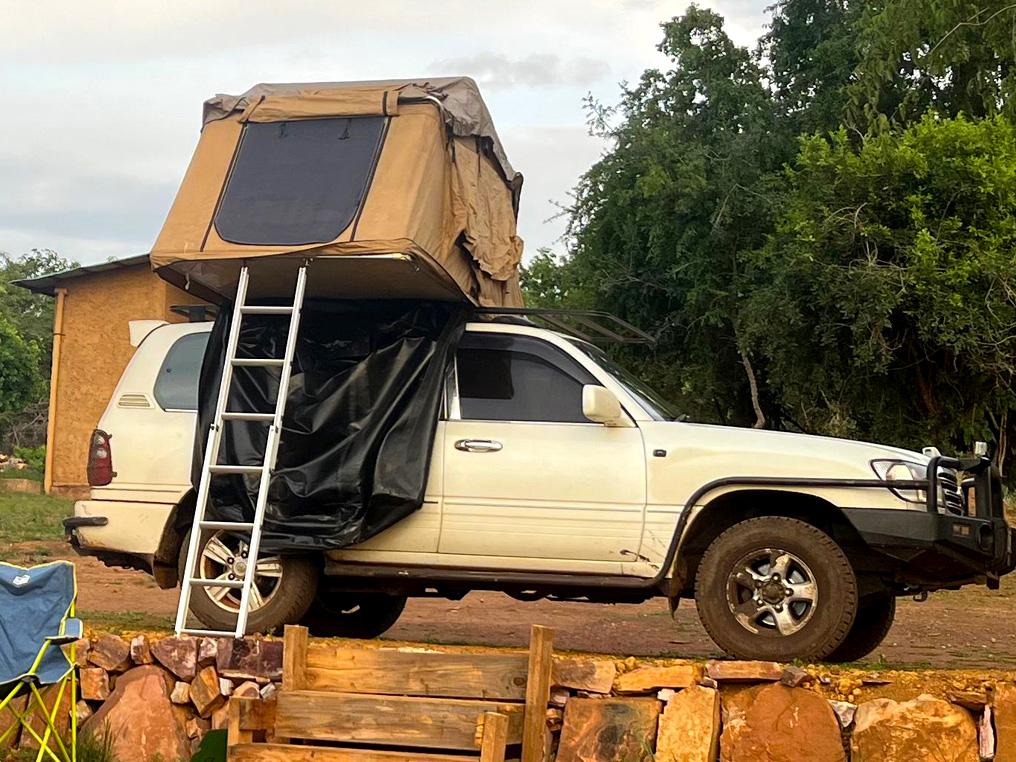
Serengeti Self-Drive Camping Safari – Complete Guide to Independent Safari Adventures in Tanzania
A Serengeti self-drive camping safari offers travelers the rare opportunity to explore one of Africa’s most legendary wildlife destinations with complete freedom and independence. Located in northern Tanzania, Serengeti National Park is world-famous for its endless savannahs, abundant wildlife, and the spectacular Great Wildebeest Migration. Choosing a self-drive camping safari allows visitors to experience this iconic landscape at their own pace while staying immersed in the heart of the wilderness.
Unlike guided lodge safaris that follow fixed schedules, a self-drive safari in the Serengeti puts you in control of your adventure. You navigate the park in your own 4×4 safari vehicle, choose your routes, decide how long to spend at wildlife sightings, and camp at designated campsites inside or near the park. This independent safari style is ideal for adventurous travelers, photographers, and nature lovers who want a deeper, more personal connection with Africa’s wild spaces.
Camping in the Serengeti adds a powerful sense of authenticity to the experience. Nights are spent under star-filled skies, with the distant roars of lions and the calls of hyenas echoing across the plains. Mornings begin with sunrise game drives through vast grasslands where elephants, giraffes, zebras, and predators roam freely. A Serengeti self-drive camping safari transforms the park from a place you visit into a place you truly live in, even if only for a few days.
From a practical perspective, self-drive camping safaris are also an attractive option for travelers seeking flexibility and value. By renting a fully equipped 4×4 vehicle and camping rather than staying in lodges, visitors can reduce accommodation costs while extending their time in the park. With proper planning, good navigation tools, and respect for park regulations, a self-drive safari in Serengeti National Park is both achievable and highly rewarding.
Whether you are following the seasonal movements of the Great Migration, exploring the wildlife-rich Central Serengeti, or venturing north toward the Mara River, a Serengeti self-drive camping safari delivers an unforgettable adventure defined by freedom, discovery, and close encounters with nature. This guide will walk you through everything you need to know to plan a successful and safe self-drive camping safari in the Serengeti.
What Is a Serengeti Self-Drive Camping Safari?
A self-drive safari in Serengeti National Park allows travelers to rent a fully equipped 4×4 safari vehicle and explore the park independently without a guide. You plan your own routes, conduct game drives at your pace, and stay overnight at designated campsites.
Camping options include:
-
Public campsites inside Serengeti National Park
-
Private campsites outside the park
This safari style is ideal for adventurous travelers, photographers, and repeat safari visitors seeking a more immersive experience.
Why Choose a Self-Drive Camping Safari in Serengeti?
Freedom and Flexibility
Unlike guided safaris, self-drive safaris allow you to choose where to go, how long to stay at wildlife sightings, and when to begin or end your day.
Authentic Wildlife Experience
Camping inside Serengeti National Park places you close to nature, where sounds of lions, hyenas, and nocturnal wildlife are part of the experience.
Cost-Effective Safari Option
A Serengeti camping safari is generally more affordable than lodge safaris, especially for longer trips or small groups.
Ideal for Adventure Travelers
Self-drive safaris are perfect for travelers who enjoy independence, off-road driving, and remote wilderness environments.
Vehicle Requirements for a Serengeti Self-Drive Safari
A 4×4 safari vehicle is mandatory due to rough terrain and seasonal road conditions.
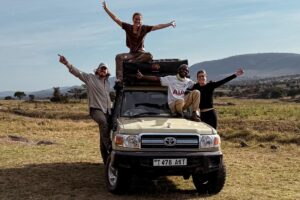
Recommended vehicles:
-
Toyota Land Cruiser
-
Toyota Hilux
-
Land Rover Defender
Most self-drive safari vehicles include:
-
Roof-top or ground tents
-
Camping equipment (chairs, tables, cooking gear)
-
Spare tires and recovery tools
-
GPS or offline navigation apps
Serengeti Park Fees and Camping Costs
To enter Serengeti National Park, visitors must pay:
-
Park entry fees
-
Vehicle entry fees
-
Camping or concession fees per night
Camping Options
-
Public campsites inside Serengeti: Basic facilities, excellent wildlife access
-
Private campsites outside Serengeti: Lower cost, more amenities
Park fees are typically paid at entry gates or arranged in advance.
Best Routes and Entry Gates for Self-Drive Safaris
The most popular access route is via Naabi Hill Gate, traveling through:
Arusha – Karatu – Ngorongoro Conservation Area – Serengeti National Park
Key Serengeti regions for self-drive safaris:
-
Central Serengeti (Seronera): Best year-round wildlife viewing
-
Western Corridor: Seasonal migration route
-
Northern Serengeti (Mara River): Famous for wildebeest river crossings
Road conditions vary by season, with dry months offering easier driving.
Wildlife Viewing on a Serengeti Self-Drive Camping Safari
Serengeti National Park is home to exceptional wildlife, including:
-
Lions, leopards, cheetahs
-
Elephants, buffalo, giraffes
-
Wildebeest, zebras, antelopes
-
Hippos, crocodiles
-
Over 500 bird species
The Great Wildebeest Migration is the park’s most famous attraction and can be followed seasonally during a self-drive safari.
Best Time to Visit Serengeti for a Self-Drive Camping Safari
June to October – Dry Season
-
Best wildlife visibility
-
Easier driving conditions
-
Peak safari season
January to February – Calving Season
-
Fewer crowds
-
Excellent predator activity
-
Short grass plains
March to May – Green Season
-
Lush landscapes
-
Challenging road conditions
-
Lower visitor numbers
Each season offers unique safari experiences.
Serengeti Self-Drive Safari Rules and Safety Tips
-
Night driving is not permitted
-
Stay on designated roads at all times
-
Do not leave your vehicle except at approved areas
-
Keep safe distances from wildlife
-
Carry enough fuel, food, and drinking water
Following park rules ensures safety and conservation protection.
Sample Serengeti Self-Drive Camping Safari Itinerary
Day 1: Arusha – Ngorongoro – Central Serengeti
Day 2: Full-day game drives in Seronera
Day 3: Drive to Northern Serengeti or Western Corridor
Day 4: Morning game drive and exit the park
Day 5: Return to Arusha
This itinerary can be customized based on season and wildlife movements.
Serengeti Self-Drive Camping Safari – Final Thoughts
A Serengeti self-drive camping safari offers one of the most authentic and flexible ways to explore Tanzania’s premier wildlife destination. With proper planning, a reliable 4×4 vehicle, and respect for park regulations, travelers can enjoy a once-in-a-lifetime safari adventure in the Serengeti.
Whether you are following the Great Migration or exploring the central plains, a self-drive camping safari delivers unforgettable experiences on your own schedule.