
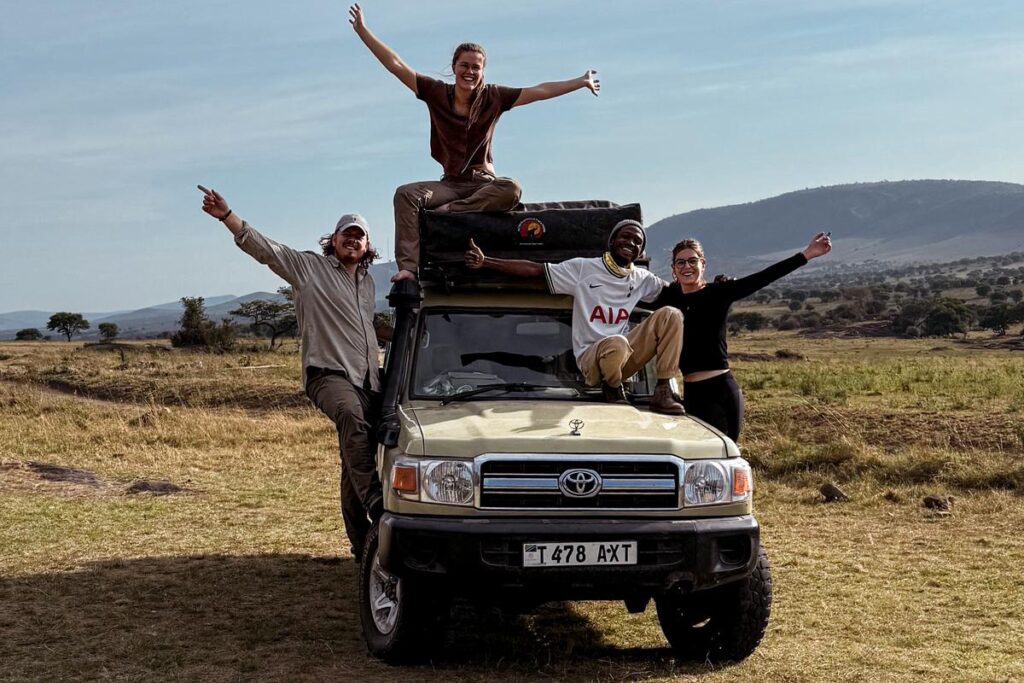
Serengeti Family Self-Drive Safari: A Complete Tanzania Family Adventure
A family safari in Tanzania is an opportunity to experience some of Africa’s most spectacular wildlife while travelling at your own pace. For families looking for freedom, adventure and unforgettable encounters with nature, a Serengeti family self-drive safari offers an exciting way to explore one of the world’s most famous wildlife destinations.
The Serengeti is renowned for its vast plains, abundant wildlife and the annual Great Wildebeest Migration. From large herds of wildebeest and zebra to elephants, giraffes, lions, cheetahs and other predators, the park provides an extraordinary setting for a family adventure.
A self-drive safari allows families to choose their own route, decide how long to spend at wildlife sightings and combine the Serengeti with other northern Tanzania destinations such as Tarangire National Park, Lake Manyara, Ngorongoro Conservation Area and Arusha National Park.
With a suitable 4×4 rental vehicle, careful planning and the right camping equipment, families can enjoy an independent Tanzania safari without following a fixed daily schedule.
Why Choose a Family Self-Drive Safari in the Serengeti?
The Serengeti is one of the most rewarding destinations for a family safari because there is always something interesting to discover. Wildlife viewing begins almost as soon as you enter the park, and the open landscapes make it possible to see animals from considerable distances.
For families, self-drive provides another important advantage: flexibility.
You can leave camp early for a morning game drive, stop for photographs, spend extra time watching a pride of lions or return to camp when younger children become tired. Instead of following a predetermined itinerary, your family can create a safari experience that suits everyone.
A self-drive safari can also be combined with camping. A 4×4 with rooftop tent, fridge, camping mattress, cooking equipment, table and chairs can provide a practical base for exploring Tanzania’s northern safari circuit.
Getting to the Serengeti
Most family self-drive Serengeti safaris begin in Arusha, although it is also possible to start from other locations depending on your itinerary.
A popular route is:
Arusha → Tarangire → Lake Manyara → Ngorongoro → Serengeti
This route gradually takes travellers from the landscapes around Arusha into some of Tanzania’s most famous wildlife areas.
Another option is to travel directly toward the Serengeti through the Ngorongoro area, particularly for families with limited time.
For longer road trips, families can combine the Serengeti with Lake Natron, Mto wa Mbu, Arusha National Park or even extend their journey toward western Tanzania.
Serengeti National Park
The Serengeti is one of Tanzania’s flagship safari destinations and forms part of the larger Serengeti-Mara ecosystem.
The park is famous for its enormous grasslands, seasonal wildlife movements and predator populations. Different parts of the Serengeti offer different experiences, making route planning particularly important for families.
The Central Serengeti, particularly the Seronera area, is known for year-round wildlife and is a popular base for visitors who want to see predators.
The western Serengeti is associated with the Grumeti ecosystem and seasonal migration movements, while the northern Serengeti provides opportunities to experience the migration as herds move toward the Mara River and northern grazing areas.
For a family self-drive safari, choosing where to spend your nights can be just as important as choosing which animals you want to see.
Wildlife to See on a Serengeti Family Safari
The Serengeti offers an impressive variety of wildlife.
Families may encounter:
- Lions
- Leopards
- Cheetahs
- Elephants
- Giraffes
- Buffalo
- Hippos
- Zebras
- Wildebeest
- Gazelles
- Hyenas
- Jackals
- Warthogs
- Ostriches
- Numerous bird species
The park’s open plains make wildlife viewing especially exciting for children. A herd of zebra moving across the horizon, a giraffe feeding beside the road or a pride of lions resting under a tree can become some of the most memorable moments of a family holiday.
Wildlife sightings are naturally unpredictable, however. A self-drive safari should be approached as an exploration rather than a guarantee of seeing particular animals.
The Great Wildebeest Migration
One of the biggest attractions of the Serengeti is the Great Wildebeest Migration.
Every year, huge numbers of wildebeest, zebra and other herbivores move through the Serengeti-Mara ecosystem in search of fresh grazing and water.
The migration is seasonal rather than following a perfectly fixed timetable. Weather and rainfall influence the movement of the herds, so families planning a migration-focused safari should select their travel period and Serengeti region carefully.
Different parts of the migration can provide very different experiences.
The southern Serengeti and Ndutu area are particularly associated with the calving season, while the western Serengeti can experience migration activity around the Grumeti ecosystem. Later in the year, northern Serengeti areas may provide opportunities to witness river-crossing activity.
For families, the migration can be an extraordinary educational experience, allowing children to observe natural cycles, predator-prey relationships and the movement of large animal populations.
Family-Friendly Serengeti Safari Activities
A family self-drive safari does not have to be limited to driving from one wildlife sighting to another.
Game Drives
Game drives are the main activity in the Serengeti. Families can explore different areas of the park and look for wildlife along designated routes.
Early morning drives can be particularly rewarding because animals are often active before the heat of the day increases.
Wildlife Photography
The Serengeti’s open landscapes provide excellent opportunities for family photography.
A simple camera or smartphone can capture memorable moments, although a camera with a zoom lens can be particularly useful for distant wildlife.
Bird Watching
The Serengeti is also an excellent destination for families interested in birds. Children can turn bird watching into a fun activity by keeping a simple record of species spotted during the journey.
Cultural Experiences
Families travelling through northern Tanzania can include cultural experiences outside the national park, including opportunities to learn about local communities and traditional ways of life.
Camping
Camping can make the safari particularly exciting for children. Sleeping in a rooftop tent, preparing meals outdoors and waking up in the African wilderness can turn the journey into an adventure in itself.
Choosing the Right 4×4 for a Family Serengeti Safari
A reliable 4×4 is essential for a self-drive safari.
Families should consider a vehicle with sufficient space for passengers and luggage, good ground clearance, strong tyres and enough storage for camping equipment.
Depending on the size of the family, suitable rental options may include:
- Toyota Land Cruiser
- Toyota Prado
- Toyota Hilux
- Other safari-prepared 4×4 vehicles
For families camping during the trip, a 4×4 rental with rooftop tent can be particularly convenient.
A typical camping setup may include a rooftop tent, mattress, sleeping bags or bedding, refrigerator, cooking utensils, gas stove, table and chairs.
Before booking, families should confirm exactly what equipment is included in the rental package.
Self-Drive or Guided Safari?
Both options provide different experiences.
A guided safari provides a professional driver-guide who handles navigation, wildlife spotting and much of the logistics.
A self-drive safari provides greater independence.
Families who enjoy road trips and want control over their daily schedule may prefer self-drive. Parents can decide when to leave camp, where to stop and how much time to spend at each location.
However, families should understand that driving in a large national park requires preparation. Navigation, road conditions, park regulations, wildlife behaviour and vehicle recovery all need to be considered.
For first-time self-drive travellers, a well-planned itinerary and reliable rental company are especially important.
Suggested 5-Day Serengeti Family Self-Drive Safari
Day 1: Arusha to Tarangire
Collect your 4×4 rental vehicle in Arusha and begin the journey toward Tarangire National Park.
Enjoy an afternoon game drive before spending the night at a campsite or lodge.
Day 2: Tarangire to Karatu or Ngorongoro
Enjoy a morning wildlife drive before continuing toward the Ngorongoro area.
Families can spend the evening relaxing at their accommodation and preparing for the following day’s journey.
Day 3: Ngorongoro to Serengeti
Enter the Ngorongoro Conservation Area and continue toward the Serengeti.
The drive itself can be part of the safari experience, with changing landscapes and wildlife sightings along the way.
Arrive in the Serengeti and enjoy an afternoon game drive.
Day 4: Full-Day Serengeti Safari
Spend a full day exploring the Serengeti.
Take a packed lunch and allow plenty of time for wildlife viewing.
Depending on the season and location, your family may encounter large herbivore herds, predators and many different bird species.
Day 5: Serengeti to Ngorongoro or Arusha
Enjoy an early morning game drive before beginning your return journey.
Families with additional time can extend the trip by another night in the Serengeti or add Lake Manyara before returning to Arusha.
A 7-Day Family Serengeti Self-Drive Itinerary
For families who want a more relaxed safari, seven days provides additional flexibility.
Day 1: Arusha arrival and vehicle preparation
Day 2: Arusha → Tarangire
Day 3: Tarangire → Lake Manyara/Ngorongoro
Day 4: Ngorongoro → Serengeti
Day 5: Full-day Serengeti safari
Day 6: Full-day Serengeti safari
Day 7: Serengeti → Ngorongoro/Arusha
The advantage of a longer itinerary is that families do not have to rush between destinations.
Serengeti and Ngorongoro Family Safari
Combining the Serengeti with Ngorongoro is one of the most popular northern Tanzania safari combinations.
Ngorongoro provides a completely different landscape from the Serengeti. The crater’s enclosed ecosystem can offer excellent wildlife viewing, while the Serengeti provides vast open plains and a much larger landscape.
A family can therefore experience two very different safari environments during the same trip.
Serengeti and Tarangire Family Safari
Tarangire is another excellent addition to a family Serengeti itinerary.
The park is famous for its elephants, baobab trees and seasonal wildlife concentrations.
A route combining Tarangire and Serengeti can provide an excellent introduction to northern Tanzania’s wildlife diversity.
Serengeti Family Camping
Camping allows families to experience Tanzania more intimately.
A rooftop tent is elevated above the ground and provides a practical sleeping arrangement while travelling between different campsites.
Families should consider bringing:
- Warm clothing for cool evenings
- Sleeping bags or suitable bedding
- Headlamps
- Reusable water bottles
- Personal toiletries
- Insect repellent
- Sunscreen
- Snacks for children
- Binoculars
- Camera equipment
- Portable power banks
When camping, always follow campsite rules and instructions from park authorities and campsite staff.
Travelling with Children in the Serengeti
A family safari requires a slightly different approach than an adults-only trip.
Young children may become tired during long drives, so it is important to build rest periods into the itinerary.
Carry sufficient drinking water and snacks, and avoid planning excessively long driving days whenever possible.
Children should also understand that wild animals are not pets. They should remain inside the vehicle during game drives unless they are in designated safe areas and following the instructions of guides or park staff.
A safari can also become a valuable learning experience. Parents can encourage children to keep a wildlife journal, photograph animals and landscapes, or learn about animal behaviour before and during the trip.
Best Time for a Family Serengeti Self-Drive Safari
The best time depends on what your family wants to experience.
The dry-season months are generally popular for wildlife viewing because animals can become easier to locate around remaining water sources.
The migration follows seasonal patterns influenced by rainfall, so families interested specifically in wildebeest movements should choose their travel dates according to the region they hope to visit.
The calving season offers a different experience, with young wildebeest and other herbivores attracting predators.
The Serengeti can be visited at different times of the year, and there are advantages to travelling outside the busiest periods.
Because wildlife movements and weather can vary, it is sensible to confirm current conditions and park information before departure.
How Much Does a Serengeti Family Self-Drive Safari Cost?
The total cost depends on the number of people, vehicle type, rental duration, camping equipment, accommodation and park-related charges.
Typical expenses may include:
| Expense | What to consider |
|---|---|
| 4×4 rental | Daily vehicle rental rate |
| Camping equipment | Rooftop tent and cooking equipment |
| Fuel | Depends on route and vehicle |
| Park fees | Applicable conservation and entry charges |
| Campsites | Public or special campsites depending on itinerary |
| Accommodation | Lodges, tented camps or campsites |
| Food | Self-catering or restaurant meals |
| Insurance | Vehicle insurance and applicable excess |
| Airport transfers | If required |
| Cross-border permits | If travelling between countries |
Families should request a complete quotation before booking so that they understand which costs are included and which are payable separately.
Planning Your Serengeti Self-Drive Route
Good route planning is one of the most important parts of a successful self-drive safari.
Before leaving, check:
- Vehicle condition
- Spare tyres
- Recovery equipment
- Fuel capacity
- Navigation system
- Camping equipment
- Insurance arrangements
- Park regulations
- Campsite reservations
- Entry and conservation fees
- Emergency contacts
- Weather and road conditions
It is also useful to avoid overloading the itinerary.
The Serengeti is enormous, and trying to cover every region in a few days can result in long driving hours and less time enjoying the safari.
Safety During a Serengeti Self-Drive Safari
Wild animals must always be treated with caution.
Never leave the vehicle near wildlife unless you are in an approved area where it is safe to do so. Do not approach animals, feed wildlife or attempt to drive off designated roads.
When near elephants, lions, buffalo or other large animals, maintain a safe distance and follow park regulations.
Drivers should also avoid speeding and remain alert, particularly on rough roads.
A reliable communication plan and emergency contact information should be available throughout the trip.
Serengeti Family Safari from Arusha
Arusha is one of the most convenient starting points for a northern Tanzania family safari.
Families can collect their 4×4 in Arusha and gradually travel through the northern safari circuit before reaching the Serengeti.
This approach also makes it easier to include Tarangire, Lake Manyara and Ngorongoro.
For families arriving through Kilimanjaro International Airport, vehicle pickup can be arranged around the arrival schedule depending on the rental provider.
Extend Your Family Safari to Zanzibar
Families who want to combine wildlife with a beach holiday can continue from their Tanzania safari toward Zanzibar.
After several days exploring the Serengeti and northern circuit, a few days on the Zanzibar coast can provide a relaxing conclusion to the trip.
This creates a popular combination:
Serengeti safari + Ngorongoro + Tarangire + Zanzibar beach holiday
Families can therefore experience wildlife, landscapes, culture and the Indian Ocean during one Tanzania adventure.
Serengeti Self-Drive Safari for Families: Practical Tips
Book your vehicle early during popular travel periods, especially if you require a specific 4×4 model or rooftop tent.
Allow enough time for the journey rather than attempting to rush between destinations.
Choose accommodation or campsites that fit your family’s needs.
Carry sufficient water, snacks and basic supplies.
Use offline maps or a reliable navigation system because mobile connectivity can be limited in remote areas.
Keep children entertained during long drives with wildlife books, games and simple travel activities.
Most importantly, allow the safari to unfold naturally. Some of the best memories may come from unexpected wildlife encounters rather than the animals you planned to see.
Frequently Asked Questions
Is the Serengeti suitable for a family self-drive safari?
Yes. Families who are comfortable driving long distances and travelling independently can explore the Serengeti by self-drive, provided they use an appropriate 4×4 and follow park regulations.
What type of vehicle is best for a Serengeti family safari?
A properly maintained 4×4 with good ground clearance is recommended. Larger families should choose a vehicle with sufficient passenger and luggage space.
Can we rent a 4×4 with a rooftop tent?
Yes. Rooftop-tent-equipped 4×4 vehicles are available from some Tanzania safari rental companies and can be suitable for families who want to combine driving and camping.
How many days do we need for the Serengeti?
A minimum of three nights in or around the Serengeti can provide a worthwhile experience, but families with more time can benefit from four or more nights, particularly when exploring different regions.
Can we combine Serengeti with Ngorongoro?
Yes. Serengeti and Ngorongoro are commonly combined in northern Tanzania safari itineraries.
Can we combine Serengeti with Tarangire?
Yes. Tarangire is a natural addition to many northern Tanzania self-drive itineraries.
Is the Great Migration always in the same place?
No. The herds move through the Serengeti-Mara ecosystem according to seasonal conditions, particularly rainfall and availability of fresh grazing and water. Travel dates should therefore be matched with the region you intend to visit.
Is camping possible in the Serengeti?
Yes, camping is an important part of many budget and self-drive safari itineraries, but travellers should use authorized campsites and follow all park rules.
Can a family self-drive from Arusha to Serengeti?
Yes. Arusha is a common starting point for northern Tanzania self-drive safaris. The route can be combined with Tarangire, Lake Manyara and Ngorongoro.
Book Your Serengeti Family Self-Drive Safari
A Serengeti family self-drive safari combines wildlife, independence and adventure in one of Tanzania’s most extraordinary landscapes.
Whether your family wants to follow the Great Wildebeest Migration, search for lions and elephants, camp beneath the African sky or explore the northern safari circuit at your own pace, a well-equipped 4×4 can give you the freedom to create your own journey.
Choose a reliable 4×4 rental with rooftop tent, plan your route carefully and allow enough time to enjoy each destination rather than simply driving between them.
For families planning a Tanzania road trip, the Serengeti can be combined with Tarangire, Lake Manyara, Ngorongoro, Arusha National Park and Zanzibar, creating a complete East African adventure.
Contact us to discuss your family safari dates, number of travellers, preferred 4×4 vehicle, camping requirements and route. We can help you plan a practical self-drive itinerary and select the equipment needed for your Serengeti adventure.