
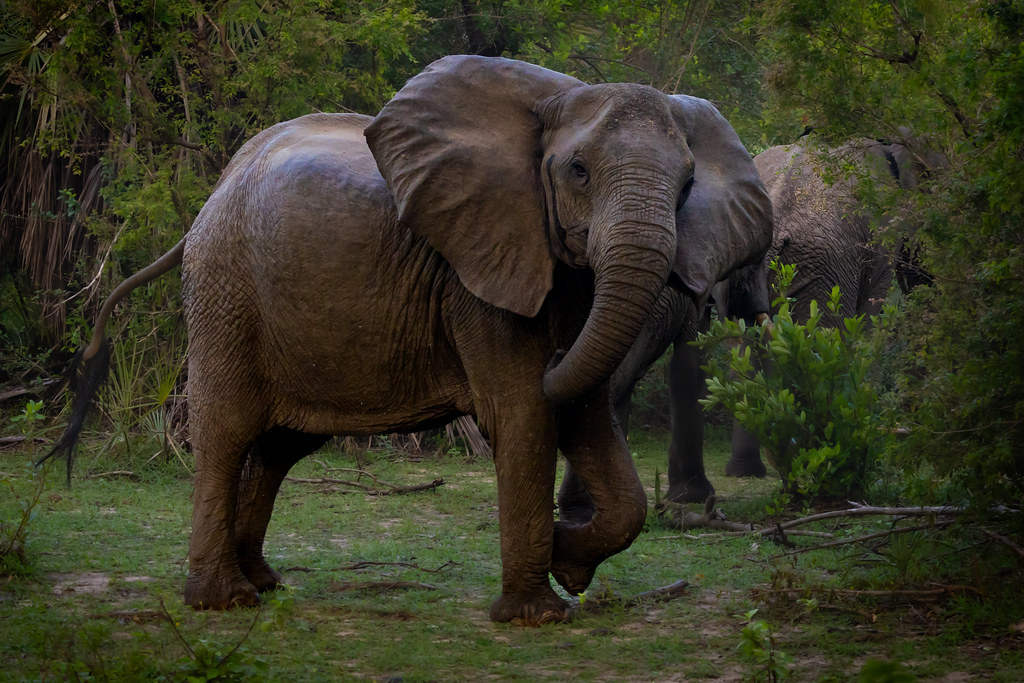
Tanzania Big Five Self-Drive Safari: 4×4 Car Rental and Safari Guide
Discover the ultimate Tanzania Big Five self-drive safari and experience the freedom of exploring Africa’s most spectacular wildlife destinations in your own 4×4 rental vehicle. From the endless plains of the Serengeti to the wildlife-rich Ngorongoro Conservation Area and the elephant country of Tarangire National Park, Tanzania offers exceptional opportunities for independent safari travelers.
A self-drive safari allows you to discover Tanzania at your own pace, choose your preferred accommodation, and spend more time enjoying wildlife encounters. Whether you are planning a short safari from Arusha, a camping adventure with a rooftop tent, or a longer road trip through northern or southern Tanzania, the right 4×4 vehicle can make your journey more flexible and comfortable.
Tanzania is home to the Big Five: lions, leopards, elephants, African buffaloes, and rhinoceroses. Although seeing all five species is never guaranteed, carefully selecting your destinations and allowing enough time for game drives can improve your opportunities.
Planning a Tanzania safari? Discover the best national parks for Big Five wildlife viewing, compare 4×4 rental options, and plan an independent safari with Self Drive Tanzania.
Why Choose a Tanzania Big Five Self-Drive Safari?
Tanzania is one of Africa’s leading wildlife destinations, known for its large national parks, diverse landscapes, and remarkable concentrations of animals. For travelers who value independence, a self-drive safari offers an alternative to a conventional guided tour.
With a suitable 4×4 rental, you can plan your route around your interests, select your accommodation, and explore designated park roads according to official regulations.
A Tanzania self-drive safari allows you to:
- Search for lions, leopards, elephants, buffaloes, and rhinoceroses.
- Explore iconic destinations such as the Serengeti and Tarangire.
- Experience the spectacular scenery of the Ngorongoro Conservation Area.
- Travel independently from Arusha, Moshi, or another agreed pickup location.
- Choose between lodges, tented camps, and approved campsites.
- Rent a 4×4 with a rooftop tent and camping equipment, subject to availability.
- Combine wildlife viewing with a longer East African road trip.
Self-driving requires preparation. Some routes are rough, distances between destinations can be substantial, and national parks have specific entry procedures and vehicle-use regulations. Before departure, confirm the latest rules, road conditions, park fees, and vehicle authorization.
Where to See the Big Five in Tanzania
Tanzania has several important wildlife destinations where travelers can search for the Big Five. The best choice depends on your itinerary, travel season, available time, and preferred safari experience.
1. Serengeti National Park
The Serengeti is one of Africa’s most famous safari destinations, celebrated for its expansive grasslands, large predator populations, and the annual wildebeest migration.
Lions are frequently sought after on Serengeti game drives, while elephants, buffaloes, and leopards may also be encountered. Black rhinoceroses are present in protected areas, particularly around the Moru Kopjes region, but sightings are less predictable and access may be subject to specific conservation rules.
The Serengeti is an excellent destination for travelers who want a classic African safari with opportunities for wildlife photography and extended game drives.
Self-drive tip: Plan your route around the location of your accommodation and the areas you are authorized to visit. The Serengeti is vast, so avoid trying to cover the entire park in one day.
2. Ngorongoro Conservation Area
The Ngorongoro Conservation Area is one of Tanzania’s most important wildlife destinations and a highlight of the northern safari circuit.
The Ngorongoro Crater supports a remarkable concentration of wildlife, including lions, elephants, buffaloes, and the endangered black rhinoceros. Leopards are present in the wider conservation area but can be difficult to spot.
The crater’s enclosed landscape provides rewarding wildlife-viewing opportunities, although access is controlled and additional conservation and vehicle charges apply.
Best for: Travelers who want to include the possibility of seeing several Big Five species in a relatively concentrated wildlife area.
Self-drive tip: Check the current crater access procedures, vehicle rules, permitted driving times, and applicable fees before entering.
3. Tarangire National Park
Tarangire National Park is famous for its elephants, ancient baobab trees, and seasonal concentrations of wildlife around water sources.
Elephants and buffaloes are among the species visitors may encounter, while lions and leopards also inhabit the park. Tarangire is particularly attractive during periods when wildlife gathers around available water.
Although it offers excellent wildlife viewing, sightings of every Big Five species are not guaranteed.
Best for: Elephant photography, scenic landscapes, and travelers beginning a northern Tanzania self-drive safari from Arusha.
4. Lake Manyara National Park
Lake Manyara National Park is a compact and scenic destination featuring groundwater forests, open areas, and lakeshore habitats.
Visitors may encounter elephants, buffaloes, and other wildlife. The park is also known for birdlife and the possibility of seeing lions in trees, although this behaviour and sightings are not guaranteed.
Lake Manyara can be incorporated into a northern Tanzania safari between Arusha, Karatu, Tarangire, and the Ngorongoro area.
Best for: Travelers seeking varied landscapes, birdwatching, and a shorter wildlife excursion.
5. Ruaha National Park
Ruaha National Park is an outstanding destination for travelers interested in a more remote safari experience in southern Tanzania.
The park features expansive wilderness, baobab-dotted landscapes, elephants, lions, leopards, and buffaloes. It is particularly appealing to travelers who prefer fewer crowds and extended wildlife exploration.
Black rhinoceroses are not a species visitors should assume they will encounter in Ruaha, so the park is better considered a destination for a broader wildlife safari rather than a guaranteed Big Five experience.
Best for: Experienced independent travelers seeking a southern Tanzania road trip and a less conventional safari itinerary.
6. Nyerere National Park
Nyerere National Park, in southern Tanzania, offers extensive wilderness, riverine landscapes, and opportunities to see elephants, lions, leopards, buffaloes, and many other species.
The Rufiji River system and surrounding habitats create a different safari experience from the open plains of the Serengeti. Activities and access arrangements vary by location and operator.
Nyerere is a good choice for travelers combining a safari with Dar es Salaam or a coastal holiday, but it is not the best option if seeing every member of the Big Five is the only objective.
Best for: Southern Tanzania wildlife adventures, river landscapes, and itineraries combining safari and the coast.
Best 4×4 Car Rental for a Tanzania Self-Drive Safari
Choosing the right rental vehicle is one of the most important decisions when planning a Tanzania self-drive safari. Your choice should reflect your route, number of travelers, luggage, camping requirements, and the conditions you expect to encounter.
Toyota Land Cruiser Prado
The Toyota Land Cruiser Prado is a comfortable and versatile option for couples, families, and small groups.
It offers useful ground clearance and a comfortable cabin for long-distance driving. A suitable Prado can be appropriate for many Tanzania road trips, but not every vehicle or rental package is authorized for every national park or route.
Toyota Land Cruiser 70 Series
The Land Cruiser 70 Series is popular with travelers who prioritize rugged construction and practical safari capability.
Depending on the configuration, it may offer additional ground clearance and equipment options for demanding routes. Confirm passenger capacity, luggage space, insurance, and park-use authorization before booking.
Toyota Hilux 4×4
The Toyota Hilux 4×4 is a versatile pickup suitable for travelers who need luggage space or prefer a camping-oriented vehicle.
Selected rental packages may include a rooftop tent and camping equipment. Confirm the exact vehicle specification and the equipment supplied.
4×4 with Rooftop Tent
A Tanzania 4×4 rental with rooftop tent is an attractive option for independent travelers who want to camp at approved campsites.
Depending on the rental package, equipment may include:
- Rooftop tent and mattress.
- Sleeping bags, pillows, or bedding.
- Refrigerator or cooler.
- Cooking equipment and utensils.
- Gas stove, where supplied.
- Camping table and chairs.
- Water containers and basic recovery equipment.
Ask for an itemised equipment list before booking. Also confirm whether the vehicle is permitted to enter the parks on your itinerary and whether camping equipment is suitable for the expected conditions.
Suggested 7-Day Tanzania Big Five Self-Drive Safari
This sample itinerary focuses on northern Tanzania and combines several major wildlife destinations. It is a starting point rather than a guarantee of seeing all five species.
Day 1: Arrive in Arusha
Arrive in Arusha and collect your rental 4×4 according to your booking arrangements.
Inspect the vehicle, check the spare wheel and recovery equipment, confirm your insurance and emergency contacts, and purchase supplies for the trip.
Overnight: Arusha.
Day 2: Arusha to Tarangire National Park
Travel towards Tarangire National Park and enjoy a game drive on designated routes.
Look for elephants, buffaloes, lions, and other wildlife while exploring the park’s characteristic baobab landscapes.
Overnight: An approved campsite or lodge in the Tarangire area.
Day 3: Tarangire to Lake Manyara and Karatu
Depending on your plans and park entry arrangements, explore Lake Manyara National Park before continuing towards Karatu.
This day combines wildlife viewing with a change of scenery, from Tarangire’s dry landscapes to Lake Manyara’s forests and lakeshore habitats.
Overnight: Karatu or the surrounding area.
Day 4: Ngorongoro Crater Safari
Arrange the required access and descend into the Ngorongoro Crater for a wildlife-viewing excursion, subject to current park procedures.
The crater is one of the most promising places on this itinerary to search for several Big Five species, including the black rhinoceros.
Overnight: Karatu or another approved accommodation location.
Day 5: Drive to Serengeti National Park
Travel from the Ngorongoro area into the Serengeti, allowing sufficient time for the journey and park formalities.
Enjoy a game drive if your arrival time and permitted driving hours allow it.
Overnight: An approved campsite or lodge in the Serengeti.
Day 6: Full-Day Serengeti Game Drive
Spend the day exploring permitted routes and searching for lions, leopards, elephants, buffaloes, and other wildlife.
The best route depends on your accommodation location, current wildlife movements, and road conditions. The Serengeti is extensive, so choose a manageable area rather than attempting to cross the entire park.
Overnight: Serengeti area.
Day 7: Return Towards Karatu or Arusha
Begin your return journey according to your vehicle return location and flight schedule.
If you need to return to Arusha on the same day, plan carefully and allow extra time for park exit procedures, road conditions, and vehicle handover.
For a more relaxed experience, extend the itinerary to eight or nine days, particularly if you want additional time in the Serengeti.
Best Time for a Tanzania Big Five Self-Drive Safari
Tanzania is a year-round safari destination, but wildlife movements and road conditions vary by region and season.
June to October: The main dry season in much of northern Tanzania is popular for wildlife viewing. Accommodation and rental vehicles can be in high demand.
January to February: This period is particularly well known for wildebeest calving in the southern Serengeti and surrounding ecosystem, although exact locations and timing vary.
March to May: The long rains can make some tracks muddy and challenging. A suitable vehicle, flexible schedule, and careful route planning are important.
November to December: Short rains may affect road conditions, but many safari areas remain rewarding. Wildlife movements depend on rainfall and local conditions.
If your priority is the Great Migration, select your itinerary according to the expected location of the herds rather than relying on a fixed calendar date.
Tanzania Big Five Safari Cost: What Should You Budget?
The cost of a Tanzania self-drive safari depends on your vehicle, rental duration, park selection, accommodation, number of travelers, and travel season.
Your budget should include:
- 4×4 vehicle rental.
- Fuel for transfers and park driving.
- National park entry fees.
- Ngorongoro Conservation Area and crater-related fees, where applicable.
- Campsite or lodge accommodation.
- Food and drinking water.
- Camping equipment, if not included.
- Insurance and excess payments.
- Any applicable vehicle, concession, or other park charges.
4×4 rental costs
Rental rates vary by vehicle model, season, equipment, rental duration, and pickup or drop-off arrangements.
A standard 4×4 may cost less than a fully equipped rooftop-tent vehicle. One-way rentals, additional drivers, camping equipment, and cross-border travel may also affect the price.
Request an itemised quotation from Self Drive Tanzania and confirm exactly what is included before making a payment.
National park fees
Park fees vary by destination, visitor category, vehicle, and length of stay. Ngorongoro has its own applicable conservation and crater-related charges.
Check the latest official Tanzania National Parks and Ngorongoro Conservation Area Authority tariffs before travelling. Do not assume that one general park fee covers all destinations or activities.
Essential Tips for a Tanzania Self-Drive Safari
Choose a suitable 4×4. Match the vehicle to your route, season, luggage, and camping requirements.
Confirm park-use authorization. Ask the rental company whether the specific vehicle is permitted in every national park and on every route you intend to visit.
Understand park operating hours. Follow official entry times, speed limits, designated routes, and instructions from park staff.
Carry enough water and supplies. Facilities can be limited in remote areas.
Download offline maps. Mobile connectivity may be unreliable in some parks.
Plan fuel stops carefully. Know your vehicle’s range and where refuelling is available.
Respect wildlife. Keep a safe distance, never feed animals, and do not leave the vehicle in unauthorized areas.
Prepare for changing conditions. Rain, dust, corrugations, and muddy tracks can affect driving.
Check insurance and recovery arrangements. Understand your excess, exclusions, breakdown assistance, and procedures for recovery.
Book accommodation in advance. Campsites and lodges in popular destinations may have limited availability during peak season.
Combine Tanzania Big Five Safaris with East Africa Self-Drive
Tanzania is an excellent starting point for a wider East African road trip. Depending on your interests and available time, you can combine a Tanzanian safari with other destinations in the region.
Possible journeys include:
- Tanzania and Kenya for classic savannah wildlife experiences.
- Tanzania and Rwanda for wildlife safaris and gorilla trekking.
- Tanzania and Uganda for wildlife and primate experiences.
- Northern Tanzania and Zanzibar for a combination of wildlife and beach relaxation.
- Southern Tanzania for a longer journey through Ruaha, Nyerere, and other remote destinations.
Cross-border self-driving requires advance approval from the rental company. Confirm written permission, insurance coverage, vehicle documentation, border procedures, and additional fees before planning an international route.
Book Your Tanzania Big Five Self-Drive 4×4 Rental
Ready to explore Tanzania’s Big Five?
Self Drive Tanzania can help you plan your vehicle requirements around your intended route, travel dates, group size, and accommodation preferences.
Choose a Toyota Land Cruiser Prado, Land Cruiser 70 Series, Toyota Hilux 4×4, or a suitable rooftop-tent vehicle, subject to availability and park-use authorization.
When requesting a quotation, provide your pickup and drop-off locations, travel dates, number of travelers, preferred vehicle, and whether you need camping equipment or lodge accommodation.
Ask for a written breakdown of rental charges, insurance, mileage, camping equipment, and roadside support. Confirm park entry arrangements and applicable fees before departure.
Request your Tanzania self-drive safari quotation today and start planning an independent wildlife adventure through the Serengeti, Ngorongoro, Tarangire, and beyond.
Frequently Asked Questions About Tanzania Big Five Self-Drive Safaris
Where can I see the Big Five in Tanzania?
The Serengeti and Ngorongoro Conservation Area are major destinations for Big Five wildlife viewing. Tarangire is excellent for elephants and other wildlife, while the best choice depends on which species you want to prioritize.
Can I self-drive in Tanzania’s national parks?
Self-driving is possible in selected parks, subject to park regulations, vehicle authorization, and applicable access requirements. Confirm current rules with park authorities and your rental company.
Do I need a 4×4 for a Tanzania safari?
A suitable 4×4 is recommended for many safari routes because of unpaved roads and changing conditions. Vehicle requirements vary by park, route, and season.
How many days do I need for a Tanzania Big Five safari?
Seven days provides a useful introduction to the northern safari circuit, although eight to ten days allows more time for wildlife viewing and less rushed transfers.
Can I rent a 4×4 with a rooftop tent in Tanzania?
Selected rental packages offer rooftop tents and camping equipment. Confirm the included equipment, approved campsite arrangements, and whether the vehicle is permitted in your chosen parks.
How much does a Tanzania Big Five self-drive safari cost?
The total depends on vehicle rental, park fees, fuel, accommodation, equipment, and travel dates. Request an itemised quotation for your intended itinerary.
Is the Serengeti suitable for self-drive?
The Serengeti can be explored independently subject to current park regulations and vehicle authorization. Because of its size and variable road conditions, plan your route carefully and allow enough time for wildlife viewing.
Can I see rhinoceroses in the Ngorongoro Crater?
Black rhinoceroses live in the Ngorongoro Conservation Area, and the crater is an important place to look for them. However, sightings are not guaranteed.
Can I combine a Tanzania safari with Zanzibar?
Yes. You can combine a mainland wildlife safari with a beach holiday in Zanzibar. Plan the transfer separately and allow enough time for flights or other connections.
Can I drive a rental car from Tanzania to Kenya, Uganda, or Rwanda?
Some rental companies allow cross-border travel, but written permission and valid insurance are essential. Confirm vehicle documentation, border requirements, and additional fees before booking.