
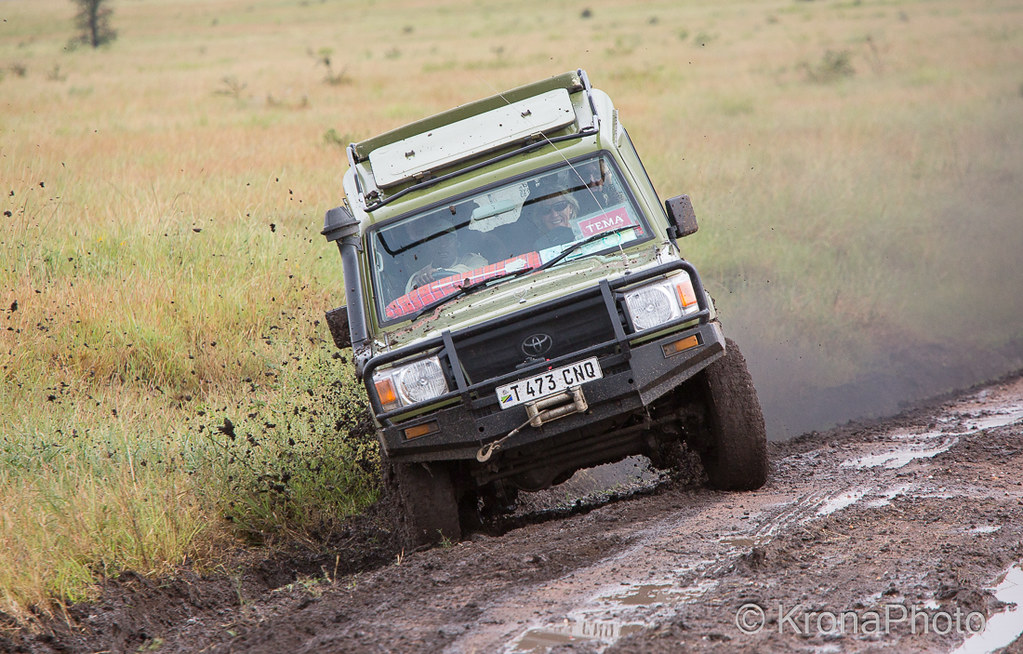
4×4 Tanzania Primate Safari: Chimpanzees, Monkeys & Self-Drive Adventure
A 4×4 Tanzania primate safari offers a different side of Tanzania beyond the famous Serengeti, Ngorongoro and Tarangire safari circuit. From the chimpanzee-rich forests of western Tanzania to the monkey-filled woodlands of the north and the scenic landscapes surrounding Lake Tanganyika, Tanzania provides rewarding opportunities for travellers who want to combine primate encounters with an independent African road adventure.
For travellers interested in Tanzania self-drive safaris, a well-equipped 4×4 makes it possible to connect wildlife areas, remote forests, lakes, mountains and cultural destinations while travelling at your own pace.
A Tanzania primate safari can be designed around chimpanzee trekking in Mahale Mountains and Gombe National Parks, combined with traditional game viewing, forest walks, birdwatching and camping. With the right vehicle and itinerary, it can also become part of a longer East Africa self-drive safari linking Tanzania with Kenya, Uganda or Rwanda, subject to current rental, border and insurance requirements.
Why Choose a 4×4 for a Tanzania Primate Safari?
Tanzania is a large country with significant differences between its major safari regions. While some destinations are accessible on well-maintained highways, others involve long journeys, rough tracks, remote forest roads and changing conditions during the rainy seasons.
A 4×4 Tanzania rental gives travellers greater flexibility when exploring these environments.
A suitable safari 4×4 can provide:
- High ground clearance
- Four-wheel drive capability
- Greater stability on rough roads
- Space for camping equipment
- Storage for luggage and safari gear
- Better access to remote destinations
- Flexibility for multi-region itineraries
- The option of a rooftop tent where permitted and suitable
- Greater independence compared with a fixed guided itinerary
For travellers planning a primate-focused road trip, vehicle selection is particularly important because destinations such as western Tanzania can involve substantial distances between major towns and wildlife areas.
Tanzania’s Main Primate Safari Destinations
Tanzania’s primate experiences are concentrated in several distinct habitats. The country’s western forests are particularly important for travellers looking for chimpanzees, while other regions provide opportunities to see monkeys, baboons and other forest species.
The main destinations to consider include:
- Mahale Mountains National Park
- Gombe National Park
- Kigoma and Lake Tanganyika
- Arusha and northern Tanzania
- Lake Manyara
- Tarangire
- Udzungwa Mountains
- Southern Tanzania
- Nyerere National Park
- Tanzania’s forest and woodland areas
Each destination can add a different dimension to a Tanzania primate safari.
Mahale Mountains National Park: Tanzania’s Chimpanzee Safari Destination
Mahale Mountains National Park is one of the most distinctive destinations for a Tanzania primate safari.
Located on the eastern shore of Lake Tanganyika in western Tanzania, Mahale combines forest-covered mountains, tropical vegetation, clear lake waters and one of Tanzania’s most remarkable chimpanzee experiences.
The park is particularly famous for its wild chimpanzees.
Chimpanzee trekking is the central attraction, but the overall experience is much broader. Travellers can combine forest activities with hiking, birdwatching, lake activities and time around the shores of Lake Tanganyika.
For an adventurous 4×4 Tanzania safari, Mahale can become the remote western endpoint of a much longer road journey.
Because access arrangements can involve road travel followed by additional transportation depending on the chosen route, travellers should plan the logistics carefully before beginning their journey.
What Makes Mahale Special?
Mahale offers an unusual combination of:
- Wild chimpanzees
- Tropical forest
- Lake Tanganyika
- Mountain scenery
- Hiking
- Birdwatching
- Remote wilderness
- Fishing and lake-based experiences
- Opportunities for photography
The combination makes Mahale particularly attractive to travellers who want something different from a conventional northern Tanzania safari.
Gombe National Park: Chimpanzee Trekking in Western Tanzania
Gombe National Park is another important destination for chimpanzee experiences in Tanzania.
Located along the shores of Lake Tanganyika, Gombe is closely associated with long-term chimpanzee research and conservation. Its forested landscape provides habitat for chimpanzees and numerous other forest species.
A visit to Gombe can be incorporated into a wider Kigoma and Lake Tanganyika safari, although travellers should allow sufficient time for transportation and park activities.
Gombe is especially appealing to visitors who want to experience Tanzania’s forest environment rather than focusing exclusively on the country’s savannah wildlife.
Kigoma: Gateway to Western Tanzania’s Primate Adventures
Kigoma is an important base for exploring western Tanzania and Lake Tanganyika.
For a self-drive traveller, Kigoma can also serve as a logistical point between road-based travel and activities requiring boat transportation.
A longer Tanzania 4×4 safari can include Kigoma alongside:
- Gombe
- Mahale
- Lake Tanganyika
- Katavi National Park
- Tabora
- Mpanda
- Western Tanzania’s remote landscapes
The journey itself can be part of the adventure, particularly for travellers interested in exploring less-visited areas of Tanzania.
Udzungwa Mountains: Forests, Primates and Hiking
Udzungwa Mountains National Park is an excellent addition to a Tanzania primate and nature itinerary.
The park is part of the Eastern Arc Mountains and is known for its forests, mountains, hiking opportunities, birds and primate diversity.
Rather than being a conventional vehicle-based safari destination, Udzungwa is particularly interesting for travellers who want to combine a 4×4 Tanzania road trip with walking and forest exploration.
A self-drive route can connect Udzungwa with southern Tanzania destinations such as Mikumi and Nyerere National Park.
This makes it possible to combine:
Forest + Primates + Hiking + Big Game + Self-Drive
in one itinerary.
Lake Manyara: Monkeys and Classic Tanzania Safari
Lake Manyara National Park is better known for its diverse wildlife and beautiful scenery, but it can also contribute to a broader primate-focused Tanzania itinerary.
Visitors may encounter different monkey species and baboons while exploring the park.
The park’s location makes it particularly convenient for travellers following the northern safari circuit.
A route could combine:
Arusha → Tarangire → Lake Manyara → Ngorongoro → Serengeti
with additional primate-focused destinations elsewhere in Tanzania.
Lake Manyara therefore works well as a supporting destination rather than the main chimpanzee destination.
Tarangire National Park and Primate Encounters
Tarangire is famous for elephants, baobab trees, large wildlife concentrations and dramatic landscapes.
Although it is not primarily a primate destination, travellers may encounter baboons and various monkey species while exploring the park.
For a self-drive traveller, Tarangire is an easy destination to combine with a northern Tanzania road trip.
A primate and wildlife itinerary could therefore use Tarangire as the starting point before moving toward other forest or chimpanzee destinations.
Arusha: Starting Point for a Tanzania 4×4 Safari
Arusha is one of the most convenient starting points for a Tanzania 4×4 self-drive safari.
Travellers arriving through Kilimanjaro International Airport can use Arusha as a preparation and vehicle collection point before beginning their road trip.
From Arusha, routes can extend toward:
- Arusha National Park
- Tarangire
- Lake Manyara
- Ngorongoro
- Serengeti
- Lake Eyasi
- Central Tanzania
- Southern Tanzania
- Western Tanzania
For travellers interested in combining primates with classic wildlife, Arusha provides a practical starting point for a multi-region journey.
4×4 Rooftop Tent Tanzania Primate Safari
For adventurous travellers, a 4×4 rental with rooftop tent can turn a Tanzania primate safari into a flexible camping expedition.
A properly equipped vehicle can provide a combination of transport and accommodation, allowing travellers to stay at designated campsites along their route.
Typical camping equipment may include:
- Rooftop tent
- Mattress
- Sleeping bags or bedding
- Fridge or cooler
- Cooking equipment
- Gas stove
- Camping table
- Camping chairs
- Kitchen utensils
- Water storage
- Recovery equipment
- Spare tyre
- Air compressor
Equipment packages vary between rental companies, so travellers should confirm exactly what is included before booking.
Camping inside or near national parks must follow the applicable park and campsite regulations. A rooftop tent does not mean that travellers can camp wherever they choose.
Best 4×4 Vehicles for a Tanzania Primate Safari
Vehicle choice depends on the route, number of travellers, camping requirements and the type of roads involved.
Toyota Land Cruiser
A Land Cruiser is a popular choice for longer and more demanding Tanzania safari routes.
It can provide:
- Strong off-road capability
- High ground clearance
- Good luggage capacity
- Long-distance reliability
- Space for camping equipment
It is particularly suitable for travellers planning a combination of remote destinations and national parks.
Toyota Land Cruiser Prado
A Prado can be a practical option for smaller groups looking for a balance between comfort and off-road capability.
It is well suited to:
- Couples
- Small families
- Northern Tanzania
- Mixed road and safari routes
- Camping and lodge combinations
Toyota Hilux
A 4×4 Hilux can be useful for travellers who need additional cargo capacity, particularly when carrying extensive camping equipment.
It can work well for longer self-drive expeditions where luggage and outdoor equipment are important considerations.
Tanzania Primate Safari Routes
One of the advantages of travelling by 4×4 is the ability to design a route around personal interests.
Route 1: Northern Tanzania Wildlife and Primate Safari
Arusha → Tarangire → Lake Manyara → Ngorongoro → Serengeti → Arusha
This is suitable for travellers who want a classic Tanzania safari with opportunities to see monkeys and baboons alongside the country’s major wildlife.
Route 2: Southern Tanzania Forest and Wildlife Safari
Dar es Salaam → Mikumi → Udzungwa → Ruaha → Nyerere → Dar es Salaam
This route combines forests, mountains, hiking and traditional African wildlife.
It is particularly suitable for travellers who want to explore beyond the northern circuit.
Route 3: Western Tanzania Chimpanzee Safari
Arusha/Dar es Salaam → Central Tanzania → Kigoma → Gombe → Lake Tanganyika
This is a more ambitious adventure requiring additional travel time.
Travellers should plan carefully around transportation connections, park access and accommodation.
Route 4: Mahale and Lake Tanganyika Adventure
A longer western Tanzania expedition can be designed around:
Kigoma → Lake Tanganyika → Mahale Mountains → Western Tanzania
This route places chimpanzee trekking at the centre of the itinerary while allowing time for hiking, lake experiences and relaxation.
Sample 14-Day Tanzania 4×4 Primate Safari
Day 1 – Arusha
Collect your 4×4 and prepare for the safari.
Day 2 – Tarangire National Park
Drive to Tarangire for a full wildlife experience.
Day 3 – Lake Manyara
Explore Lake Manyara and continue toward the Ngorongoro area.
Day 4 – Ngorongoro Area
Enjoy the surrounding highlands and prepare for the next stage.
Day 5 – Central Tanzania
Begin the longer journey toward central or western Tanzania.
Day 6 – Travel Day
Continue toward the western region, allowing time for rest and route adjustments.
Day 7 – Kigoma
Arrive in Kigoma and explore the Lake Tanganyika area.
Day 8 – Gombe
Travel according to the current park and transportation arrangements.
Day 9 – Chimpanzee Trekking
Take part in a guided chimpanzee trekking experience.
Day 10 – Forest and Lake Activities
Enjoy additional nature or lake activities where available.
Day 11 – Kigoma
Return toward Kigoma and prepare for the journey back.
Day 12 – Central Tanzania
Begin the return journey.
Day 13 – Central or Northern Tanzania
Continue toward the final destination.
Day 14 – Arusha
Complete the road trip and return the vehicle.
For Mahale, Gombe and other remote destinations, the exact itinerary should be adjusted according to current access arrangements and available transportation.
Tanzania Primate Safari Combined with Big Game
One of the major advantages of Tanzania is that travellers do not have to choose between primates and traditional safari wildlife.
A single extended trip can include chimpanzees, monkeys and forest environments as well as:
- Elephants
- Lions
- Leopards
- Buffalo
- Giraffes
- Zebras
- Hippos
- Wildebeest
- Antelopes
- Numerous bird species
This creates an itinerary that combines primate trekking and classic African safari rather than focusing on one type of wildlife.
Tanzania Primate Safari for Photographers
A 4×4 road trip through Tanzania offers excellent opportunities for wildlife and landscape photography.
Primate photography can be particularly rewarding because forest environments create different photographic conditions from the open savannah.
Useful equipment includes:
- Telephoto lens
- Wide-angle lens
- Lightweight camera body
- Extra batteries
- Memory cards
- Dry bags
- Lens cloth
- Binoculars
- Headlamp
A flexible itinerary is useful because wildlife encounters are naturally unpredictable.
Tanzania Primate Safari for Families
Families interested in primates can combine forest experiences with more traditional wildlife activities.
A family itinerary might include:
Arusha → Tarangire → Lake Manyara → Ngorongoro → Serengeti
or, for older children and families seeking a more adventurous journey:
Arusha → Southern Tanzania → Western Tanzania → Lake Tanganyika
Parents should check age requirements and current regulations for individual trekking activities before booking.
Responsible Primate Tourism in Tanzania
Primate tourism depends on healthy forests and responsible visitor behaviour.
Travellers should:
- Follow the instructions of guides and park authorities.
- Maintain appropriate distances from wildlife.
- Avoid feeding wild animals.
- Never attempt to touch wild primates.
- Avoid loud noises around animals.
- Respect photography restrictions.
- Follow designated trails.
- Dispose of waste responsibly.
- Avoid single-use plastic where practical.
- Support responsible local tourism businesses.
- Respect communities living near protected areas.
Responsible tourism helps protect the forests and wildlife that make Tanzania’s primate destinations special.
How Much Does a Tanzania 4×4 Primate Safari Cost?
The cost depends heavily on vehicle type, rental duration, camping equipment, park fees, accommodation, fuel, activities and the destinations included.
| Expense | What affects the cost |
|---|---|
| 4×4 rental | Vehicle model and rental duration |
| Rooftop tent | Camping package and equipment |
| Camping gear | Equipment included in the package |
| Fuel | Route distance and vehicle type |
| Park fees | Destination and applicable visitor categories |
| Chimpanzee activities | Permit and activity requirements |
| Accommodation | Campsites, lodges or hotels |
| Guide services | Activity and destination |
| Transfers | Boats or other remote-area transportation |
| Cross-border travel | Documentation, insurance and authorization |
For an accurate quotation, provide your preferred travel dates, number of travellers, route, vehicle type and whether you want camping equipment.
Tanzania Self-Drive Safari and Cross-Border Primate Adventures
Travellers planning a longer East African journey can potentially combine Tanzania with Uganda, Rwanda or Kenya.
For example:
Kenya → Tanzania → Uganda → Rwanda
can create a major East African wildlife and primate journey.
A route incorporating Tanzania and Uganda or Rwanda can add access to some of East Africa’s major gorilla and chimpanzee destinations.
However, cross-border self-drive should never be assumed to be automatically permitted. The rental company must confirm:
- Cross-border authorization
- Insurance requirements
- Vehicle documentation
- Customs requirements
- Border procedures
- Required permits
- Destination restrictions
- Vehicle return arrangements
Planning these requirements before departure helps avoid complications at international borders.
What to Pack for a Tanzania Primate Safari
A practical packing list includes:
- Lightweight clothing
- Long trousers
- Hiking shoes
- Waterproof jacket
- Hat
- Sunglasses
- Sunscreen
- Insect repellent
- Binoculars
- Camera
- Extra batteries
- Power bank
- Reusable water bottle
- Small backpack
- Headlamp
- Personal first-aid supplies
- Dry bags
- Warm layers for highland areas
For camping trips, confirm the equipment supplied by the rental company before purchasing or carrying duplicate gear.
Why Book a 4×4 Tanzania Primate Safari?
A Tanzania primate safari provides an opportunity to explore a side of the country that many conventional safari itineraries do not include.
Instead of concentrating entirely on the famous northern safari circuit, travellers can venture toward forests, mountains, lakes and remote western Tanzania.
With a suitable 4×4, the journey can combine:
Chimpanzees + Monkeys + Forests + Mountains + Lake Tanganyika + Big Game + Camping + Self-Drive
This makes Tanzania an exciting destination for travellers looking for a more diverse and independent safari experience.
Plan Your Tanzania 4×4 Primate Safari
Whether you want a short northern Tanzania self-drive safari, a southern Tanzania camping adventure or a longer expedition toward Kigoma, Gombe and Mahale, your itinerary can be designed around the wildlife and landscapes you want to experience.
Choose a suitable Tanzania 4×4 rental, decide whether you want a rooftop tent and camping equipment, and build your route around the destinations that interest you most.
For travellers who want to go beyond the conventional safari circuit, a 4×4 Tanzania primate safari can combine chimpanzee trekking, forest exploration and classic wildlife into one memorable East African road adventure.
Frequently Asked Questions
Is Tanzania good for a primate safari?
Yes. Tanzania offers important primate experiences, particularly chimpanzee trekking in western Tanzania and monkey and baboon encounters in several forest and savannah environments.
Where can I see chimpanzees in Tanzania?
The two major destinations associated with chimpanzee trekking are Gombe National Park and Mahale Mountains National Park.
Can I do a Tanzania primate safari by self-drive?
Some parts of a Tanzania primate itinerary can be explored by self-drive, but certain remote destinations and trekking activities require additional transportation or guided services. Your rental company should confirm the permitted routes and arrangements.
Can I rent a 4×4 with a rooftop tent in Tanzania?
Yes, 4×4 rental packages can be available with rooftop tents and camping equipment. The exact vehicle and equipment package depends on the rental provider.
Can I combine chimpanzees with the Serengeti?
Yes. A longer Tanzania itinerary can combine western Tanzania’s chimpanzee destinations with classic northern safari areas, although the distances involved make this a substantial trip.
Can I drive from Tanzania to Rwanda or Uganda?
Cross-border self-drive can be possible depending on the vehicle, rental agreement, insurance and border requirements. Always obtain confirmation from the rental company before planning an international route.
Is a Land Cruiser suitable for a Tanzania primate safari?
A Land Cruiser can be a suitable option for long-distance and remote safari routes, particularly when travellers are carrying camping equipment. The appropriate vehicle depends on the route and group size.
What is the best vehicle for a Tanzania self-drive safari?
There is no single vehicle suitable for every itinerary. Land Cruisers, Prado-type 4x4s and Hilux-style vehicles can each suit different combinations of passengers, luggage, camping equipment and road conditions.
Can I camp during a Tanzania primate safari?
Camping can be incorporated into a Tanzania self-drive itinerary where authorized campsites and applicable park regulations allow it. Always use designated camping areas and follow local rules.
Can I combine a Tanzania primate safari with Kenya?
Yes. A longer East African road trip can potentially combine Tanzania and Kenya, subject to cross-border rental authorization, insurance and border requirements.