
7 Days Tanzania Wildlife Safari and Maasai Cultural Experience
Overview: Tanzania Wildlife Safari and Maasai Cultural Experience
Discover the remarkable wildlife, cultural heritage, and natural beauty of Tanzania on this unforgettable 7-day Tanzania wildlife safari and Maasai cultural experience. This journey combines game drives through some of northern Tanzania’s most famous wildlife destinations with opportunities to learn about Maasai traditions, pastoral livelihoods, local crafts, and the relationship between communities and conservation.
Tanzania is one of Africa’s leading safari destinations, renowned for the Serengeti’s expansive plains, the wildlife-rich Ngorongoro Crater, Tarangire’s impressive elephant herds, and the cultural diversity of its communities. Beyond wildlife viewing, Tanzania offers opportunities to explore traditional knowledge, local food, crafts, music, and the changing lifestyles of people living around protected areas.
The Maasai are among Tanzania’s best-known pastoral communities. Their heritage includes livestock keeping, beadwork, oral traditions, distinctive clothing, and cultural practices that vary between communities and generations. Through a locally organised cultural visit, travellers can learn directly from participating community members about their traditions and contemporary experiences.
This seven-day itinerary combines Tarangire National Park, the Serengeti ecosystem, Ngorongoro Conservation Area, and a Maasai cultural experience. Starting and ending in Arusha, it is ideal for travellers seeking both wildlife adventures and meaningful cultural encounters.
Whether you are travelling as a couple, family, photographer, nature enthusiast, or cultural explorer, this itinerary provides a balanced introduction to northern Tanzania.
Highlights of the 7-Day Tanzania Safari
- Explore Tarangire National Park, famous for its elephants and baobab trees.
- Enjoy game drives across the wildlife-rich Serengeti plains.
- Discover the Ngorongoro Crater, one of Africa’s remarkable wildlife destinations.
- Experience a locally organised Maasai cultural visit.
- Learn about traditional beadwork, pastoral livelihoods, music, and storytelling.
- Explore the landscapes of the Great Rift Valley.
- Learn about community conservation and tourism around protected areas.
- Travel through northern Tanzania with a professional safari guide.
- Enjoy opportunities to photograph wildlife and Tanzania’s scenic landscapes.
Detailed 7-Day Tanzania Wildlife and Cultural Itinerary
Day 1: Arrival in Arusha – Welcome to Tanzania
Arrive at Kilimanjaro International Airport or Arusha Airport, where your safari representative will welcome you and transfer you to your accommodation in Arusha.
Depending on your arrival time, enjoy a relaxed introduction to the city, an important gateway for safaris to northern Tanzania’s national parks.
You may visit a local market, craft centre, or cultural attraction to discover Tanzanian artwork, beadwork, wood carvings, textiles, and handmade souvenirs. If time permits, enjoy local cuisine and learn about the country’s cultural diversity.
In the evening, meet your safari guide for a briefing about the journey ahead, including wildlife viewing, accommodation, cultural activities, and travel arrangements.
Accommodation: Hotel in Arusha.
Meals: According to your package and arrival time.
Day 2: Arusha to Tarangire National Park – Elephants and Baobab Landscapes
After breakfast, depart Arusha for Tarangire National Park, a celebrated wildlife destination known for its large elephant populations, ancient baobab trees, and varied landscapes.
On arrival, begin your game drive through the park’s open grasslands, woodland, and seasonal river valleys. The Tarangire River is an important source of water for wildlife during the dry season, attracting elephants and other animals from surrounding areas.
Your guide will help you look for elephants, giraffes, zebras, wildebeest, buffaloes, antelope, and a wide variety of birds. Lions and other predators may also be encountered, although sightings cannot be guaranteed.
Enjoy a picnic lunch or a meal arranged through your accommodation, followed by further wildlife viewing in the afternoon.
As the day ends, leave the park and travel to your lodge or tented camp in the Tarangire or Karatu area, depending on your booking.
Accommodation: Lodge or tented camp in the Tarangire or Karatu region.
Meals: Breakfast, lunch, and dinner according to your package.
Day 3: Tarangire Region to Serengeti National Park – Into the Endless Plains
After breakfast, depart for Serengeti National Park, travelling through the scenic landscapes of the Ngorongoro Conservation Area.
The journey introduces you to changing environments, from cultivated highlands and volcanic scenery to the vast grasslands for which the Serengeti is famous.
Depending on your route and wildlife sightings, you may stop at designated viewpoints before continuing towards your camp or lodge.
After entering the Serengeti, enjoy a game drive en route to your accommodation. The park supports an extraordinary range of wildlife, including lions, elephants, cheetahs, leopards, giraffes, zebras, wildebeest, and numerous antelope species.
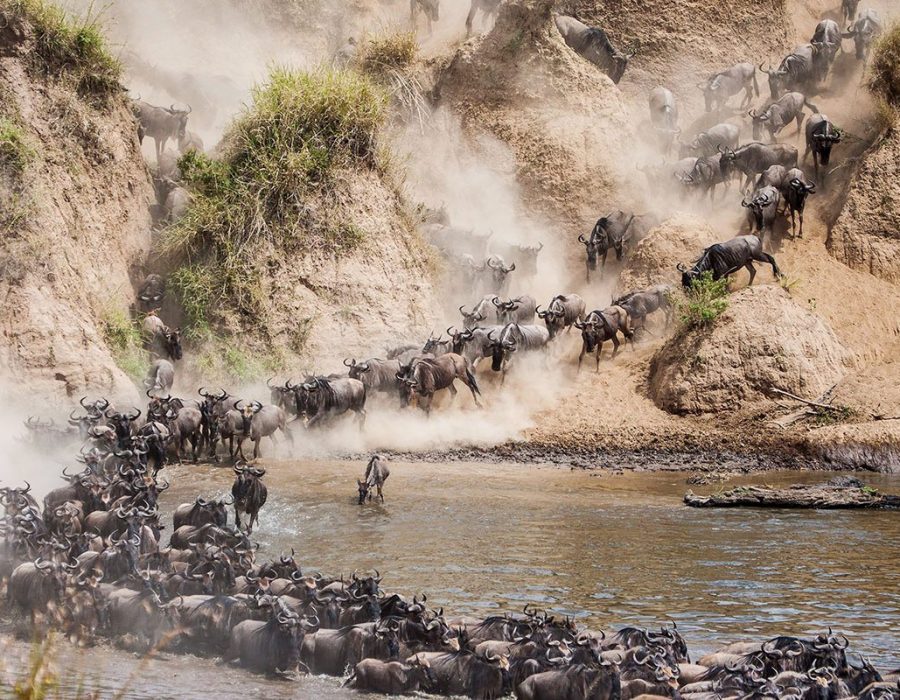
The Serengeti is also central to the Great Wildebeest Migration, an annual movement of wildebeest and other grazing animals across the wider Serengeti-Mara ecosystem. The location of the herds changes throughout the year, so your route should be adjusted to suit your travel dates when possible.
Arrive at your lodge or tented camp for dinner and an overnight stay.
Accommodation: Lodge or tented camp in the Serengeti.
Meals: Breakfast, lunch, and dinner according to your package.
Day 4: Serengeti Wildlife Safari – Full Day on the Plains
Spend a full day exploring the Serengeti through morning and afternoon game drives.
Begin early, when wildlife may be active and the soft morning light creates excellent photography opportunities. Your guide will help you search for predators, grazing herbivores, elephants, and other animals while explaining their behaviour and the Serengeti ecosystem.
Depending on your interests and the season, you may explore central Serengeti or travel to another region where wildlife viewing is favourable. Migration-focused travel can be planned around the approximate seasonal movements of the herds, subject to current conditions and road access.
Return to your accommodation for lunch and some relaxation before another afternoon game drive, or arrange a picnic lunch to maximise your time in the park.
During the day, learn how the Serengeti’s grasslands, woodlands, and seasonal water sources support wildlife and how conservation efforts help protect this extraordinary ecosystem.
Return to camp for dinner and an overnight stay.
Accommodation: Lodge or tented camp in the Serengeti.
Meals: Breakfast, lunch, and dinner according to your package.
Day 5: Serengeti to Ngorongoro Conservation Area – Wildlife and Maasai Heritage
After breakfast, enjoy a morning game drive before leaving the Serengeti and travelling towards the Ngorongoro Conservation Area.
The journey offers further opportunities to view wildlife and enjoy the region’s scenic landscapes. Depending on the route and timing, you may pass through areas where Maasai pastoral communities live alongside wildlife.
After arriving in the Ngorongoro or Karatu region, settle into your accommodation.
In the afternoon, arrange a responsible Maasai cultural experience through a community or cultural organisation that works directly with local participants.
Maasai Cultural Experience in Tanzania
A community-led visit offers an opportunity to learn about Maasai heritage and contemporary life from the people who choose to share their experiences.
Possible activities include:
Traditional music and dance: Learn about songs, rhythms, and dances associated with selected community celebrations and cultural gatherings.
Maasai beadwork and crafts: Discover traditional jewellery-making techniques, colour combinations, and the skills involved in producing handmade ornaments and other crafts.
Pastoral traditions: Learn about livestock keeping and the historical importance of cattle in many Maasai communities, including their relationship to livelihoods and cultural identity.
Homesteads and daily life: Where invited by the host community, learn about traditional homestead arrangements, household activities, and how lifestyles change over time.
Community conservation: Discuss the relationships between local livelihoods, livestock, wildlife, protected areas, and tourism.
Maasai communities are diverse, and their traditions should not be treated as identical everywhere. The visit should allow community members to explain their own practices and perspectives.
Choose a programme with transparent fees and direct local participation. Ask permission before taking photographs and follow any guidelines provided by your hosts.
Return to your lodge for dinner and an overnight stay.
Accommodation: Lodge or tented camp in the Ngorongoro or Karatu region.
Meals: Breakfast, lunch, and dinner according to your package.
Day 6: Ngorongoro Crater Safari – Wildlife in a Unique Natural Landscape
Rise early for a journey to the Ngorongoro Conservation Area and descend into the Ngorongoro Crater for a game drive, subject to park rules and your booked arrangements.
The crater is a remarkable volcanic caldera with grasslands, woodland, wetlands, and a soda lake. Its diverse habitats support a concentration of wildlife, making it one of Tanzania’s most rewarding safari destinations.
During the game drive, look for zebras, wildebeest, buffaloes, elephants, hippos, hyenas, and lions. The area is also known for opportunities to spot black rhinoceroses, although sightings are not guaranteed.
Your guide will explain the ecology of the crater and the importance of protecting its wildlife and habitats.
Enjoy a picnic lunch at a designated site before continuing the game drive.
Later, ascend from the crater and return towards Arusha or stay overnight in Karatu, depending on your departure schedule and preferred pace. For an international flight departing early on Day 7, an overnight stay in Arusha may be the more practical option.
Accommodation: Lodge in Karatu or Arusha, depending on the final itinerary.
Meals: Breakfast, lunch, and dinner according to your package.
Day 7: Return to Arusha – Departure
After breakfast, travel to Arusha for your onward journey.
Depending on your flight time, you may have an opportunity to visit a craft market, purchase locally made souvenirs, or enjoy a final Tanzanian meal.
Your safari representative will transfer you to Kilimanjaro International Airport or Arusha Airport according to your departure arrangements.
This brings your seven-day Tanzania wildlife and Maasai cultural experience to an end, combining the country’s famous wildlife destinations with an introduction to its cultural heritage and community tourism.
Accommodation: Not included unless an additional night is booked.
Meals: Breakfast, with other meals according to your package.
What Makes This Tanzania Safari Special?
Wildlife Encounters in Tarangire
Tarangire offers distinctive landscapes, impressive elephant herds, and rich birdlife. The park is particularly appealing during periods when seasonal water sources attract wildlife.
The Serengeti’s Great Plains
The Serengeti offers extensive savannah landscapes and excellent opportunities to search for predators and grazing animals. Its role in the Great Wildebeest Migration makes it a major attraction for wildlife enthusiasts and photographers.
Ngorongoro Crater Wildlife
The Ngorongoro Crater combines striking volcanic scenery with a variety of wildlife habitats. A crater game drive provides a different experience from the open plains of the Serengeti.
Maasai Cultural Heritage
A locally organised cultural experience offers a chance to learn directly from participating Maasai community members about traditions, crafts, livelihoods, and contemporary life.
Responsible Community-Based Tourism
Cultural tourism can support local livelihoods when communities participate meaningfully and receive fair payment. A responsible visit respects local choices, avoids intrusive photography, and recognises the diversity of Maasai experiences.
Best Time for a Tanzania Wildlife and Maasai Cultural Safari
Tanzania offers wildlife viewing throughout the year, although conditions differ between destinations and seasons.
June to October: This is generally a popular dry-season period for northern Tanzania safaris. Wildlife viewing can be rewarding in Tarangire, the Serengeti, and Ngorongoro, although visitor numbers may be higher.
January to March: These months can be excellent for exploring the southern Serengeti and Ndutu region, where wildebeest calving often takes place during the early part of the year. Exact timing depends on rainfall and grazing conditions.
April to May: The long rains can produce lush landscapes and fewer visitors in some areas, but wet weather may affect road conditions and some safari arrangements.
November to December: The short rains can refresh the landscape and influence the movement of grazing herds. Conditions vary from year to year.
Maasai cultural visits can be arranged throughout much of the year, subject to the availability of the participating community. The best itinerary depends on your travel dates, wildlife priorities, and accommodation preferences.
What to Pack for the Safari
For a comfortable seven-day Tanzania safari, consider packing:
- Lightweight, neutral-coloured clothing for game drives.
- A warm jacket for early mornings and cool evenings.
- Comfortable walking shoes.
- A hat, sunglasses, and sunscreen.
- Insect repellent.
- Binoculars and a camera.
- A reusable water bottle.
- Personal medication and basic travel essentials.
- A small daypack for excursions.
- Cash for personal purchases, tips, and optional activities.
- Modest, comfortable clothing for cultural visits.
Follow your guide’s instructions in protected areas and never approach wild animals on foot unless participating in an authorised activity with a qualified guide.
What’s Included in the 7-Day Tanzania Safari?
A typical private safari package can be customised to include:
- Airport pickup and drop-off in Arusha or Kilimanjaro.
- Private safari vehicle and professional driver-guide.
- Six nights of accommodation, depending on the final itinerary.
- Meals as specified in the booking.
- Game drives in Tarangire, Serengeti, and Ngorongoro.
- Park and conservation fees, where explicitly included.
- A locally organised Maasai cultural experience.
- Transfers between the safari destinations.
- Drinking water during game drives, where specified.
What’s Usually Excluded?
Unless stated in the final quotation, the following may be excluded:
- International flights.
- Visa fees and travel insurance.
- Personal expenses and gratuities.
- Alcoholic and premium drinks.
- Optional activities, such as hot-air balloon safaris.
- Accommodation upgrades or additional nights.
- Any meals or activities not specified in the package.
- Fees or services not expressly listed in the quotation.
Important: Confirm whether park fees, conservation fees, cultural visits, meals, and airport transfers are included in your final safari price.
Frequently Asked Questions
1. Can I combine Tanzania wildlife viewing and a Maasai cultural experience in seven days?
Yes. Seven days allows time to explore Tarangire, the Serengeti, and Ngorongoro while including a locally organised Maasai cultural visit. The itinerary involves several road transfers, so travellers seeking a slower pace may prefer to focus on two destinations.
2. Where can I experience Maasai culture in Tanzania?
Cultural visits may be arranged in communities around the Ngorongoro region, the Serengeti ecosystem, and other parts of northern Tanzania where community-led programmes operate. Your operator should confirm the specific host community, activities, location, and fee arrangements before booking.
3. Is the Maasai experience in Tanzania the same as the one in Kenya?
Maasai communities live across parts of both Tanzania and Kenya, but individual communities have different histories, practices, and experiences. A good cultural visit reflects the perspectives of its actual hosts rather than presenting one programme as representative of all Maasai people.
4. Can I see the Big Five on this safari?
Tarangire, Serengeti, and Ngorongoro offer opportunities to see several of the Big Five: lion, leopard, elephant, buffalo, and rhinoceros. However, seeing every animal during one trip is not guaranteed.
5. Can I see the Great Wildebeest Migration?
Possibly. The best region depends on your travel dates. The migration moves through the Serengeti ecosystem throughout the year, with calving commonly associated with the southern plains early in the year. Your route should be tailored to the seasonal movements of the herds.
6. Is this safari suitable for families?
Yes. The itinerary can be adapted to family needs through suitable accommodation, flexible game-drive schedules, and age-appropriate cultural activities. Check the age requirements for specific optional activities before booking.
7. Can I do this safari as a self-drive trip?
A self-drive version may be possible with a suitable 4×4 vehicle, adequate preparation, and compliance with park and conservation-area regulations. Driving distances, road conditions, park rules, and accommodation locations need careful planning. A private driver-guide is a convenient alternative for travellers who prefer not to manage the driving themselves.
8. Can I customise the itinerary?
Yes. You can change the accommodation standard, adjust the time spent in the Serengeti, add cultural activities, or select a different route according to your interests and budget.
9. Does cultural tourism benefit Maasai communities?
It can when community members are directly involved in organising the experience and receive fair payment. Ask your operator about how the programme works, how visitor fees are distributed, and whether the community has a say in the activities offered.
Book Your 7-Day Tanzania Wildlife and Maasai Cultural Safari
Experience Tanzania through a journey that combines wildlife conservation, spectacular landscapes, and meaningful cultural learning. From Tarangire’s elephants to the Serengeti’s vast plains and the wildlife-rich Ngorongoro Crater, this seven-day safari provides an introduction to the country’s extraordinary natural heritage.
Contact Self drive in Tanzania to customise your Tanzania wildlife and Maasai cultural experience. Whether you prefer a private guided safari, comfortable lodge accommodation, a family holiday, or a self-drive adventure, your itinerary can be tailored to your travel dates, budget, and interests.
Experience Tanzania beyond the game drives — discover its wildlife, landscapes, traditions, and people.