
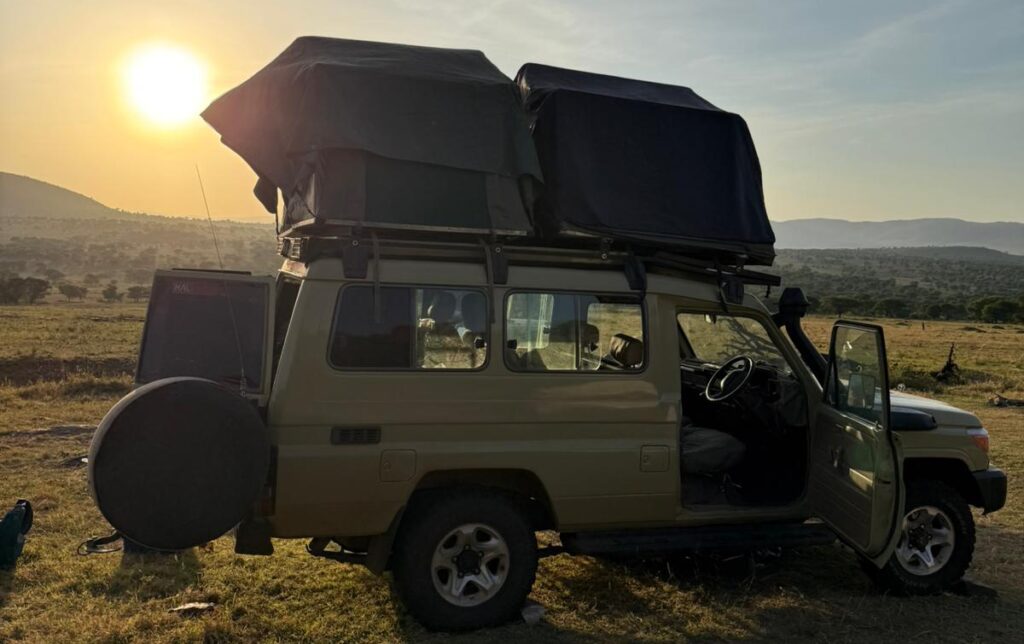
Self-Drive Tanzania Safari and Volcanoes Gorilla Trekking in Rwanda
Introduction: Explore Tanzania by 4×4 and Trek Mountain Gorillas in Rwanda
A self-drive Tanzania safari combined with gorilla trekking in Rwanda is an exciting way to experience two of East Africa’s most remarkable wildlife destinations. Begin your journey in Tanzania, explore its famous national parks in a suitable 4×4 rental vehicle, and then continue to Rwanda for a guided mountain gorilla trekking experience in Volcanoes National Park.
Tanzania is an outstanding destination for independent safari travelers. From the wildlife-rich plains of Serengeti National Park to the spectacular Ngorongoro Conservation Area and the elephant-filled landscapes of Tarangire National Park, the country offers a wide range of wildlife experiences, scenic drives and opportunities for photography.
With a suitable Tanzania 4×4 car rental, you can plan your own route, choose where to stay and explore at a pace that suits your travel style. Depending on your itinerary, you can stay in safari lodges, tented camps, guesthouses or designated campsites. Travelers who enjoy camping can also consider a 4×4 equipped with a rooftop tent and camping gear.
After completing your Tanzania road trip, return your rental vehicle according to the agreed arrangements and travel to Kigali, Rwanda. From Kigali, continue by road to Musanze, the gateway to Volcanoes National Park, for an unforgettable encounter with endangered mountain gorillas.
This combination is ideal for independent travelers, couples, wildlife photographers and adventurous visitors who want to combine a Tanzania wildlife safari with Rwanda’s famous primate trekking experience.
Why Choose a Tanzania Self-Drive Safari and Rwanda Gorilla Trekking?
Experience Tanzania’s Famous Wildlife Parks
Tanzania is home to some of Africa’s most celebrated wildlife destinations. The northern safari circuit is particularly popular with visitors who want to explore Serengeti National Park, Ngorongoro Conservation Area, Tarangire National Park and Lake Manyara National Park.
These destinations offer opportunities to see lions, elephants, giraffes, zebras, buffaloes, antelopes and many other species. Leopards and rhinos may also be seen, although wildlife sightings are never guaranteed.
A self-drive safari gives you flexibility over your route and accommodation, provided you follow the rules of each destination and your rental agreement.
Enjoy the Freedom of Tanzania 4×4 Car Rental
Hiring a suitable 4×4 allows you to travel independently between selected destinations, stop at scenic viewpoints and organize your overnight stays according to your preferences.
Your choice of vehicle should reflect your itinerary, the season, the number of travelers, luggage requirements and whether you plan to camp. A well-equipped safari 4×4 can be particularly useful on rough access roads and in changing weather conditions.
Before booking, confirm insurance coverage, park access rules, breakdown assistance and any restrictions on driving in conservation areas.
Discover Mountain Gorillas in Rwanda
The Rwanda portion of the trip offers a very different wildlife experience from Tanzania’s open savannahs.
Volcanoes National Park protects mountain gorillas in the Virunga Mountains. Visitors join authorized guides for a trek through forested terrain to locate a habituated gorilla family.
The experience may involve steep slopes, muddy trails and changing weather. Trek duration depends on the location of the gorillas and the conditions on the day.
Gorilla trekking permits are limited and should be arranged in advance.
Combine Independent Travel with a Guided Primate Experience
This itinerary combines the flexibility of self-drive travel in Tanzania with a regulated, guided gorilla trekking experience in Rwanda.
You can independently explore permitted routes in Tanzania and then arrange flights and transfers for the Rwanda portion. This can be more straightforward than attempting to use one rental vehicle across multiple countries.
Cross-border vehicle use should only be arranged with explicit permission from the rental provider and the necessary insurance and documentation.
Best Destinations for a Tanzania Self-Drive Safari
1. Serengeti National Park
Serengeti National Park is one of Tanzania’s most famous wildlife destinations and a major highlight of a self-drive Tanzania safari.
Its vast grasslands, rocky outcrops, river systems and woodland habitats support an extraordinary range of wildlife. Visitors may encounter lions, elephants, cheetahs, giraffes, zebras, buffaloes and numerous other species.
The Serengeti is internationally renowned for the Great Wildebeest Migration, when large herds of wildebeest and zebras move through the Serengeti ecosystem and into Kenya’s Maasai Mara at different times of the year.
The migration’s movements depend on rainfall, grazing conditions and other environmental factors. The best location for viewing the herds therefore changes seasonally.
Self-drive highlights:
- Explore permitted routes through designated areas of the park.
- Search for lions, elephants, cheetahs and other wildlife.
- Photograph the vast savannah landscapes.
- Plan your accommodation around the area you want to explore.
- Follow seasonal migration movements when planning your travel dates.
Important planning tip: Serengeti is extensive, and driving distances can be considerable. Plan your route around your accommodation, park entry points, current road conditions and realistic driving times. Confirm vehicle requirements and current self-drive regulations before your visit.
2. Ngorongoro Conservation Area
The Ngorongoro Conservation Area is one of Tanzania’s most distinctive safari destinations. Its landscapes include the famous Ngorongoro Crater, highland scenery, grasslands and areas of traditional pastoral activity.
The crater is known for its concentration of wildlife, with opportunities to see lions, elephants, buffaloes, zebras, wildebeest and, with luck, the endangered black rhino.
Unlike an ordinary national park, the Ngorongoro Conservation Area has specific conservation and visitor regulations. Independent travelers should confirm current vehicle access, crater descent arrangements, applicable fees and any required permits before arriving.
Self-drive highlights:
- Explore the Ngorongoro highlands.
- Visit designated viewpoints overlooking the crater.
- Arrange a crater wildlife experience according to current rules.
- Combine the area with Serengeti and Tarangire in a northern circuit itinerary.
3. Tarangire National Park
Tarangire National Park is an excellent addition to a Tanzania 4×4 safari, particularly for travelers interested in elephants and classic African landscapes.
The park is known for its large elephant herds, iconic baobab trees and varied wildlife habitats. During suitable seasonal conditions, animals congregate around available water sources.
Visitors may see elephants, giraffes, zebras, wildebeest, buffaloes and a variety of bird species. Predator sightings are possible but not guaranteed.
Self-drive highlights:
- Search for elephants and other wildlife.
- Photograph baobab trees and savannah scenery.
- Enjoy game drives on authorized park roads.
- Combine Tarangire with Lake Manyara, Ngorongoro and Serengeti.
4. Lake Manyara National Park
Lake Manyara National Park offers a contrasting landscape of groundwater forest, open areas, lakeshore habitats and escarpment views.
The park is known for its birdlife, elephants, baboons and varied scenery. Depending on conditions, visitors may also see giraffes, buffaloes and other wildlife.
Lake Manyara can be included in a northern Tanzania self-drive itinerary, particularly when traveling between Arusha, Tarangire and the Ngorongoro area.
Self-drive highlights:
- Explore designated wildlife-viewing roads.
- Enjoy birdwatching and landscape photography.
- Look for elephants and other mammals.
- Add a shorter park visit to a longer northern circuit journey.
5. Arusha National Park
Arusha National Park is a convenient option for travelers starting or finishing a safari in Arusha.
The park features forest, open grasslands, crater scenery and views of Mount Meru. Wildlife includes giraffes, buffaloes, zebras, various antelope species and primates.
It is an option for travelers who have limited time or want to add a nature experience near Arusha before beginning a longer road trip.
Check which activities require an authorized guide and confirm the park’s current regulations before arrival.
6. Southern Tanzania: Nyerere and Ruaha
Travelers with more time can consider a southern Tanzania safari, including Nyerere National Park and Ruaha National Park.
These destinations offer a different experience from the northern circuit, with expansive landscapes, varied habitats and opportunities to explore less-traveled safari regions.
However, distances between destinations can be long, and route planning requires care. Check fuel availability, accommodation, road conditions, park rules and the suitability of your rental vehicle before committing to a southern circuit itinerary.
For a first visit combining Tanzania with Rwanda, the northern circuit is often a practical choice because it offers several well-known safari destinations within one broader route.
Recommended 12-Day Tanzania Self-Drive Safari and Rwanda Gorilla Trekking Itinerary
This sample itinerary combines a Tanzania northern circuit road trip with mountain gorilla trekking in Rwanda. It assumes you return your Tanzania rental vehicle before flying to Kigali.
The itinerary is a planning framework rather than a guarantee of travel times. Adjust it to your arrival and departure flights, park regulations, accommodation availability and preferred pace.
Day 1: Arrive in Arusha, Tanzania
Arrive at Kilimanjaro International Airport or another agreed arrival point and transfer to Arusha.
Depending on your arrival time and rental arrangements, collect your 4×4 vehicle on the first day or the following morning.
Inspect the vehicle, review the insurance terms and confirm the breakdown assistance procedure. If you are camping, check that the agreed tent, mattress, bedding and other equipment are supplied.
Overnight: Arusha.
Day 2: Arusha to Tarangire National Park
Begin your self-drive safari with a journey toward Tarangire National Park.
After completing entry procedures, explore authorized wildlife-viewing roads if time permits. Tarangire is particularly well known for elephants and its distinctive baobab landscapes.
Plan your accommodation according to your intended park visit and the following day’s route.
Overnight: Tarangire area or an agreed nearby accommodation.
Day 3: Tarangire to the Ngorongoro Highlands
Enjoy an early wildlife drive if your schedule and park regulations permit, then continue toward the Ngorongoro area.
Allow time for road conditions, park procedures and stops. If you are staying near Karatu or the conservation area’s designated accommodation areas, confirm the access arrangements for your booking.
Overnight: Ngorongoro or Karatu area, according to your itinerary and permitted accommodation arrangements.
Day 4: Ngorongoro Crater Wildlife Safari
Arrange your Ngorongoro Crater visit according to current conservation-area rules, access procedures and fees.
The crater is renowned for its wildlife, and a game drive can offer opportunities to see several species within a relatively compact landscape. Sightings depend on the day and conditions.
Confirm the vehicle requirements, crater descent arrangements and applicable fees before travel.
Overnight: Ngorongoro or Karatu area.
Day 5: Travel to Serengeti National Park
Drive toward Serengeti National Park using the route and entry arrangements confirmed for your booking.
This journey can take a substantial part of the day, depending on the starting point, road conditions, stops and accommodation location. Avoid scheduling too many activities on arrival.
Overnight: Serengeti National Park area at an accommodation or campsite that matches your route.
Day 6: Full-Day Self-Drive Safari in the Serengeti
Spend the day exploring permitted game-viewing areas in Serengeti National Park.
Look for lions, elephants, giraffes, zebras, wildebeest and other wildlife. Your best opportunities will depend on the location of the animals and the time of year.
If the Great Wildebeest Migration is a priority, choose your route and accommodation based on seasonal herd movements, while remembering that their precise locations cannot be guaranteed.
Overnight: Serengeti National Park area.
Day 7: Serengeti Wildlife Viewing and Return Toward Karatu
Enjoy another wildlife drive if time permits, then begin your journey toward the Ngorongoro or Karatu area according to your route and accommodation plan.
If you prefer a less rushed safari, add another night in the Serengeti and extend the itinerary rather than attempting to cover too much distance in one day.
Overnight: Ngorongoro or Karatu area.
Day 8: Return to Arusha
Travel back toward Arusha, allowing enough time for the road journey, stops and changing conditions.
Refuel as required and confirm the vehicle return arrangements. If your international flight to Rwanda is the following day, staying overnight in Arusha may provide a more comfortable transition.
Overnight: Arusha.
Day 9: Travel to Kigali, Rwanda
Return the Tanzania rental vehicle according to your agreement and travel to Kigali using a suitable flight connection, subject to available schedules.
On arrival, arrange a transfer to Musanze, the gateway town for Volcanoes National Park. Confirm the timing in advance and allow for road and traffic conditions.
Overnight: Musanze or the Volcanoes National Park area.
Day 10: Mountain Gorilla Trekking in Volcanoes National Park
Start early for the gorilla trekking briefing.
Authorized park staff assign trekking groups and explain the procedures for entering the forest and observing the gorillas. The trek may involve steep slopes, muddy trails and changing weather.
Once a habituated gorilla family is located, follow the instructions of your guides and comply with all observation rules.
After the trek, return to your accommodation to relax.
Overnight: Musanze or the Volcanoes National Park area.
Booking note: Gorilla trekking permits are limited and should be arranged well in advance.
Day 11: Musanze to Kigali
Enjoy a relaxed morning or arrange an available cultural or nature experience around Musanze.
Later, transfer to Kigali and check in at your accommodation. Allow sufficient time for the road journey.
Overnight: Kigali.
Day 12: Kigali City Visit and Departure
Depending on your flight schedule, visit selected attractions in Kigali, such as the Kigali Genocide Memorial or local cultural sites.
Transfer to Kigali International Airport for your onward flight.
End of safari.
For a more relaxed experience, consider extending the trip to include additional Serengeti nights or more time in Rwanda.
Choosing the Best 4×4 Car Rental in Tanzania
Choosing the right vehicle is essential for a comfortable and well-planned self-drive safari.
Standard 4×4 SUV
A suitable 4×4 SUV may be appropriate for couples, small families and travelers staying in lodges or hotels.
Prioritize reliable mechanical condition, adequate luggage capacity, ground clearance and tires suited to the roads you plan to use.
Safari-Ready 4×4
A robust safari-ready 4×4 may be preferable for longer journeys, rough access roads or travel during wetter conditions.
The best vehicle depends on the itinerary, season, number of passengers, luggage and rental conditions. Confirm that the vehicle is permitted for your intended park visits and roads.
4×4 with Rooftop Tent
A rooftop-tent vehicle can be a practical option for travelers who want to camp during a Tanzania self-drive safari.
Before booking, confirm whether the package includes:
- Rooftop tent and mattress.
- Sleeping bags or bedding.
- Cooking equipment and utensils.
- Table and camping chairs.
- Fridge or cooler, if required.
- Water containers and other agreed camping essentials.
- Spare tire, compressor and recovery equipment.
Check the availability and rules of campsites along your route. Do not assume that every campsite allows rooftop-tent camping or that all camping equipment is included in the rental rate.
Questions to Ask Your Tanzania Car Rental Provider
Before confirming your booking, clarify:
- Daily rental rate and minimum rental period.
- Insurance coverage, exclusions and excess.
- Mileage limits, if applicable.
- Breakdown assistance and emergency support.
- Spare tires, compressor and recovery equipment.
- Permitted park access and any vehicle restrictions.
- Cross-border permissions and insurance requirements.
- Vehicle pickup and return arrangements.
- One-way rental charges, if applicable.
- Included camping equipment and optional extras.
Request written confirmation of the rental terms and permitted use of the vehicle.
Can You Drive a Tanzania Rental Car into Rwanda?
Cross-border travel may be possible under specific rental arrangements, but it must never be assumed to be included.
A Tanzania rental agreement may restrict international travel or require advance authorization, additional insurance, vehicle documents and border arrangements. A one-way rental across countries may also involve additional fees or may not be available.
If you want to drive the same vehicle into Rwanda, obtain written approval from the rental provider before booking. Confirm the permitted border crossing, required documents, insurance validity, customs requirements and vehicle return conditions.
For many travelers, the simpler option is to complete the Tanzania self-drive safari, return the vehicle in Tanzania and fly to Kigali. You can then arrange separate transport for the Rwanda portion.
This approach reduces cross-border vehicle complications and keeps the gorilla trekking arrangements separate from your Tanzania rental.
Rwanda Gorilla Trekking Permit Costs
Mountain gorilla trekking is one of the main expenses of the Rwanda portion of this itinerary.
Rwanda’s published standard gorilla trekking permit rate for international visitors is USD 1,500 per person. Confirm the current rate, eligibility and availability with the relevant authorities before booking.
The permit is separate from accommodation, flights, road transfers, meals outside your package and optional activities.
Rwanda’s standard minimum age for gorilla trekking is 15 years. Visitors must follow park regulations and trek with authorized guides.
Best Time for a Tanzania Self-Drive Safari and Rwanda Gorilla Trekking
June to October
This is a popular period for wildlife viewing in many parts of Tanzania, with relatively dry conditions in several safari areas. It is also a busy travel period for Rwanda gorilla trekking.
Book vehicles, accommodation and permits early, especially if you plan to travel during school holidays or other peak periods.
January to February
These months can be rewarding for wildlife viewing in Tanzania, particularly if your itinerary is designed around the seasonal movements of the Great Wildebeest Migration in the southern Serengeti and Ndutu area.
Gorilla trekking continues in Rwanda, although forest trails can still be wet.
March to May
This is generally a wetter period in much of Tanzania. Some roads may become more challenging, so vehicle choice, driving distances and accommodation access need careful planning.
Rain can also affect trekking conditions in Rwanda, but gorilla trekking remains a year-round activity, subject to park operations and availability.
November to December
Conditions vary across Tanzania’s safari regions, and short rains may affect some areas. Wildlife viewing remains possible, but travelers should check current road conditions and remain flexible with their schedules.
The best travel period depends on your wildlife priorities, migration plans, weather, accommodation preferences and gorilla permit availability.
How Much Does a Tanzania Self-Drive and Gorilla Trekking Safari Cost?
The total cost depends on your rental duration, vehicle type, accommodation, park fees, fuel, flights and Rwanda trekking arrangements.
| Expense | What to budget for |
|---|---|
| Tanzania 4×4 rental | Vehicle type, duration and included equipment |
| Fuel | Route distance, fuel consumption and current prices |
| Tanzania accommodation | Campsites, guesthouses, lodges or luxury camps |
| Tanzania park fees | Current fees for each national park or conservation area |
| Ngorongoro visit | Applicable conservation and crater-related fees |
| Camping equipment | Confirm what is included in the rental |
| Tanzania–Rwanda flights | Route, travel date and baggage allowance |
| Rwanda transfers | Kigali airport, Musanze and park-area transport |
| Gorilla permit | Current applicable rate and availability |
| Meals and supplies | Self-catering or restaurant meals |
| Insurance and extras | Rental excess, authorized fees and optional activities |
For an accurate quotation, provide your travel dates, number of travelers, preferred vehicle, pickup and return locations, accommodation style and intended national parks.
Request an itemized quotation that separates rental costs, park fees, accommodation, flights, permits and other expenses.
Essential Tips for a Successful Tanzania Self-Drive Safari
Plan Realistic Driving Distances
Tanzania’s safari destinations can be far apart, and road conditions vary. Distances shown on a map do not always reflect actual journey times.
Allow extra time for park entry procedures, wildlife-viewing stops, weather and road conditions. Avoid driving long distances after dark, especially on unfamiliar rural roads.
Confirm Park Rules and Vehicle Access
National parks and conservation areas have their own regulations, fees, operating hours and access procedures.
Confirm whether independent driving is permitted in your chosen destination, which entry gates are suitable for your route and whether any special vehicle arrangements are required.
Prepare for Remote Travel
Depending on your route, useful items may include drinking water, a first-aid kit, offline maps, a charged phone, a spare tire, tire-changing tools and a compressor.
Confirm the equipment supplied by your rental provider and understand how to contact roadside assistance.
Respect Wildlife and Park Regulations
Stay on permitted roads and tracks, maintain a safe distance from animals and follow instructions from park staff.
Do not feed wildlife, obstruct animals or leave the vehicle in areas where it is not permitted.
Keep Your Travel Documents Accessible
Carry your driving licence and rental documents, and confirm current driving requirements for international visitors.
For the Rwanda portion, check entry requirements and ensure your gorilla trekking permit and transport arrangements are confirmed before departure.
Frequently Asked Questions About Tanzania Self-Drive Safari and Gorilla Trekking
Can I combine a Tanzania self-drive safari with gorilla trekking in Rwanda?
Yes. You can explore Tanzania independently by rental 4×4 and then travel to Rwanda for guided mountain gorilla trekking. Returning your Tanzania rental vehicle before flying to Kigali is often the simplest arrangement.
What is the best 4×4 for a Tanzania self-drive safari?
A suitable 4×4 SUV or safari-ready 4×4 may be appropriate. The best option depends on your route, season, luggage, passenger numbers and whether you plan to camp.
Can I self-drive in Serengeti National Park?
Self-drive access may be possible under the park’s current regulations and applicable rental terms. Confirm vehicle requirements, permitted roads, entry procedures and fees before your visit.
Do I need a 4×4 to visit Serengeti and Ngorongoro?
A suitable 4×4 is commonly chosen for independent safari travel, but the exact vehicle requirements depend on the destination, route and current conditions. Confirm requirements with park authorities and your rental provider before booking.
Can I take a Tanzania rental vehicle into Rwanda?
Only if your rental provider explicitly authorizes the trip and the necessary insurance, documents and border arrangements are in place. Never assume international travel is included.
How much does gorilla trekking cost in Rwanda?
Rwanda’s published standard international visitor permit rate is USD 1,500 per person. Flights, transfers, accommodation and other expenses are additional.
Is camping possible on a Tanzania self-drive safari?
Yes, subject to campsite availability, park rules and the conditions of your rental agreement. A 4×4 with a rooftop tent can be convenient for independent camping if the required equipment is included.
Can I include Zanzibar in this itinerary?
Yes, but Zanzibar is an island destination and requires separate transport planning. You can arrange a domestic flight or another suitable connection after your Tanzania safari, although adding Zanzibar will require extra days and budget.
Can I include Kenya in the same East African safari?
Yes. A longer itinerary can combine Tanzania and Kenya before continuing to Rwanda. Plan additional travel time and confirm cross-border vehicle restrictions, immigration requirements and transport arrangements.
How many days are needed for Tanzania and Rwanda?
Twelve days can provide a useful starting point for a focused Tanzania northern circuit safari and one gorilla trekking experience in Rwanda. Fourteen days or longer allows more time for the Serengeti, additional parks and a less rushed pace.
Is this itinerary suitable for first-time self-drive travelers?
It can be suitable with careful planning, a reliable vehicle, realistic driving distances and clear rental support arrangements. Travelers unfamiliar with local roads may prefer a shorter route or guided assistance in more challenging areas.
Book Your Tanzania Self-Drive Safari and Rwanda Gorilla Trekking Adventure
Explore Tanzania’s remarkable wildlife destinations with a suitable 4×4 rental, discover the Serengeti and Ngorongoro landscapes, and continue to Rwanda for an unforgettable mountain gorilla trekking experience.
can help you plan a tailor-made itinerary with vehicle arrangements, accommodation suggestions, national park visits and Rwanda transfers, subject to availability.
When requesting a quotation, share your travel dates, number of travelers, preferred 4×4 vehicle, camping or lodge preference, pickup and return locations, and the national parks you want to visit.
Start planning your Tanzania self-drive safari and Rwanda gorilla trekking adventure today and experience the freedom of exploring East Africa at your own pace.