
Great Rift Valley Self-Drive Safari in Tanzania: Explore Tanzania by 4×4
Introduction: Discover Tanzania’s Great Rift Valley on a Self-Drive Safari
A Great Rift Valley self-drive safari in Tanzania is an exciting way to explore spectacular volcanic landscapes, dramatic escarpments, wildlife-rich national parks, soda lakes and traditional communities. Tanzania offers some of East Africa’s most remarkable scenery, making it an excellent destination for travellers who want to combine independent road travel with unforgettable wildlife encounters.
Starting in Arusha, you can explore the northern section of the Great Rift Valley, including Lake Manyara National Park, the Ngorongoro highlands, Lake Natron and Lake Eyasi. With more time, you can extend your journey to Serengeti National Park, Tarangire National Park or other destinations across Tanzania.
A suitable 4×4 car rental in Tanzania gives you the flexibility to travel at your own pace, stop at scenic viewpoints and choose between lodges, tented camps and campsites. Whether you are planning a wildlife holiday, a photography expedition, a cultural journey or a camping adventure, a self-drive safari offers an independent way to discover Tanzania’s remarkable landscapes.
What Is the Great Rift Valley in Tanzania?
The Great Rift Valley is part of a vast geological system created by tectonic forces that have shaped eastern Africa over millions of years. Tanzania contains landscapes associated with both the eastern and western branches of the East African Rift System.
The northern Tanzanian Rift Valley region is especially notable for its volcanic mountains, steep escarpments, alkaline lakes and wildlife habitats. The Ngorongoro highlands, Lake Manyara, Lake Natron and Lake Eyasi provide striking examples of the region’s geological and ecological diversity.
Further west, Lake Tanganyika and Lake Rukwa are associated with the western branch of the rift system. These destinations offer a different experience, with deep lakes, remote landscapes and opportunities to explore less-visited parts of Tanzania.
For travellers interested in independent exploration, a self-drive safari in Tanzania can connect these varied environments through scenic roads and rewarding overnight stops.
Best Great Rift Valley Self-Drive Destinations in Tanzania
1. Lake Manyara National Park: Rift Valley Escarpments and Wildlife
Lake Manyara National Park is one of the most accessible highlights of a northern Tanzania Great Rift Valley safari. Situated beneath the western escarpment of the Rift Valley, the park combines woodland, groundwater forest, open grassland and lake habitats.
Visitors can look for elephants, giraffes, buffalo, zebras, baboons and a wide variety of bird species. The park is also known for its tree-climbing lions, although sightings are never guaranteed.
The combination of forested slopes, lake scenery and wildlife makes Lake Manyara an excellent stop for photographers and nature lovers.
The park can be reached from Arusha and is often included in itineraries that combine Tarangire, Ngorongoro and Serengeti. A 4×4 is recommended for a safari-focused trip, particularly when road and weather conditions are challenging.
2. Ngorongoro Conservation Area: Volcanic Landscapes and the Crater
The Ngorongoro Conservation Area is one of Tanzania’s most remarkable destinations for exploring the geological landscapes associated with the Great Rift Valley.
Its highlands feature volcanic formations, forested slopes, grasslands and panoramic viewpoints. The Ngorongoro Crater, formed by the collapse of a large volcanic structure, is a major attraction for travellers interested in wildlife and dramatic scenery.
Visitors can descend into the crater on authorised routes for a wildlife drive, where sightings may include lions, elephants, buffalo, zebras, wildebeest and, occasionally, the endangered black rhino.
The wider conservation area also provides opportunities to discover Maasai culture, visit selected viewpoints and explore the landscapes around the highlands.
Before travelling, confirm the applicable conservation, vehicle and crater access requirements. A 4×4 car rental for Tanzania safari should be suitable for the intended roads and authorised park activities.
3. Lake Natron: Flamingos, Volcanic Scenery and Remote Landscapes
Lake Natron is one of Tanzania’s most distinctive Rift Valley destinations. Located in the north near the Kenyan border, this shallow alkaline lake is surrounded by arid plains, volcanic formations and dramatic mountain scenery.
The lake is an important breeding area for lesser flamingos, which depend on suitable environmental conditions. Their numbers and visibility vary according to the season and water conditions.
Lake Natron also offers views of Ol Doinyo Lengai, an active volcano sacred to the Maasai people. The surrounding area is particularly appealing to photographers and travellers who want to explore a less-developed destination away from the main safari circuit.
A journey to Lake Natron requires careful preparation because road conditions can be rough, particularly after rain. A capable 4×4 with good ground clearance is strongly recommended, and local advice should be sought before departure.
This destination is especially suitable for travellers who want to combine a conventional wildlife safari with a more adventurous overland journey.
4. Lake Eyasi: Cultural Experiences and Rift Valley Scenery
Lake Eyasi is a seasonal alkaline lake southwest of the Ngorongoro highlands. The surrounding region features open plains, rocky hills and rural communities, offering a different atmosphere from Tanzania’s major wildlife parks.
Travellers can arrange cultural experiences with local communities, including the Hadzabe and Datoga, through responsible operators and community-approved arrangements. These experiences can provide insight into traditional livelihoods, local knowledge and the relationship between people and their environment.
Lake Eyasi is also attractive for birdwatching, photography and quiet scenic stops.
The area can be incorporated into a northern Tanzania self-drive itinerary with Ngorongoro and Lake Manyara. However, visitors should confirm local access conditions and arrange cultural visits respectfully rather than assuming that community encounters are available without prior coordination.
5. Olduvai Gorge: Discover Tanzania’s Human History
Olduvai Gorge lies within the Ngorongoro Conservation Area and is one of the world’s most important archaeological and palaeoanthropological sites.
The gorge is associated with significant discoveries that have helped scientists understand human evolution and early human activity. A visit can add a historical dimension to a Great Rift Valley safari, complementing the region’s geological landscapes and wildlife.
Travellers commonly include Olduvai Gorge when exploring the Ngorongoro area or travelling between Ngorongoro and the Serengeti region.
Access arrangements, opening times and applicable fees should be checked before visiting.
6. Serengeti National Park: Extend Your Rift Valley Safari
Although Serengeti National Park is not itself a Rift Valley lake destination, it is a natural extension for travellers who want to combine Tanzania’s dramatic geological landscapes with world-famous wildlife viewing.
The Serengeti’s vast grasslands and woodland habitats support lions, elephants, cheetahs, giraffes, zebras, wildebeest and many other species. Seasonal movements of wildebeest and zebras create the Great Migration, although the location of the herds changes throughout the year.
A combined Lake Manyara, Ngorongoro and Serengeti itinerary provides a varied safari experience, linking volcanic highlands and Rift Valley scenery with expansive savannah landscapes.
For independent travellers, the route requires careful preparation, particularly regarding park entry procedures, camping reservations, fuel, road conditions and daily driving distances.
7. Tarangire National Park: Baobabs and Elephant Herds
Tarangire National Park is an excellent addition to a northern Tanzania Great Rift Valley road trip. Although it is not a principal Rift Valley lake destination, it complements the region’s scenery with baobab-dotted landscapes, riverine woodland and open grasslands.
The park is well known for its elephants and seasonal concentrations of wildlife around the Tarangire River. Other animals include giraffes, zebras, wildebeest, buffalo and a variety of predators.
Tarangire is particularly rewarding during periods when wildlife congregates around available water sources, although sightings depend on the season.
Its location makes it convenient to combine with Arusha, Lake Manyara and Ngorongoro on a multi-day self-drive safari in Tanzania.
8. Lake Tanganyika: Explore the Western Rift Valley
For travellers with more time, Lake Tanganyika offers an opportunity to explore the western branch of the East African Rift System.
The lake is one of the world’s deepest freshwater lakes and is known for its remarkable aquatic biodiversity, clear waters in some locations and remote lakeside landscapes.
Tanzanian destinations along the lake include Kigoma and areas near Mahale Mountains National Park. Travellers can enjoy lakeside scenery, boating opportunities where available and wildlife or chimpanzee experiences in suitable destinations.
This extension requires substantially more time than a northern Tanzania circuit. Distances, road conditions, accommodation availability and park access should be considered carefully before choosing this route.
Suggested 7-Day Great Rift Valley Self-Drive Itinerary in Tanzania
This sample itinerary focuses on northern Tanzania, combining the Rift Valley landscapes with major wildlife destinations. It begins and ends in Arusha.
Day 1: Arrive in Arusha
Collect your rental vehicle in Arusha and review your route, vehicle equipment and park arrangements. Spend the day exploring the town, purchasing supplies or preparing for the journey.
Overnight: Arusha.
Day 2: Arusha to Lake Manyara
Drive towards Lake Manyara National Park, enjoying the changing scenery as you approach the Rift Valley escarpment. Depending on your arrival time and park arrangements, enjoy an afternoon game drive.
Overnight: Near Lake Manyara or Karatu.
Day 3: Lake Manyara to Ngorongoro
Explore the Lake Manyara area or continue towards Karatu and the Ngorongoro highlands. Enjoy the landscapes, viewpoints and local surroundings while preparing for your crater visit.
Overnight: Karatu or an authorised accommodation facility in the Ngorongoro area.
Day 4: Ngorongoro Crater
Descend into the Ngorongoro Crater on an authorised wildlife drive. The crater offers excellent opportunities to observe a variety of wildlife in a dramatic volcanic setting.
Allow time for park formalities and return travel before continuing to your accommodation.
Overnight: Karatu or another suitable authorised location.
Day 5: Ngorongoro to Lake Eyasi
Travel towards Lake Eyasi through the surrounding highlands and rural landscapes. Arrange a responsible cultural experience in advance if you wish to learn about local communities.
Overnight: Lake Eyasi area.
Day 6: Lake Eyasi to Lake Natron
Continue towards Lake Natron if road conditions, available time and your vehicle arrangements permit. This is a more demanding section of the itinerary, so check the route carefully and avoid rushing the drive.
Enjoy the remote scenery and views of the surrounding volcanic landscape.
Overnight: Lake Natron area.
Day 7: Return towards Arusha
Begin the return journey towards Arusha, allowing sufficient time for the drive and any necessary stops. Depending on your departure time, an additional overnight stop may be advisable.
Important planning note: This seven-day itinerary is ambitious because Lake Natron involves a significant detour and can require slow driving on rough roads. For a more relaxed trip, spend the seventh day around Lake Natron and add another day for the return to Arusha. Alternatively, focus on Lake Manyara, Ngorongoro and Lake Eyasi for a shorter and simpler circuit.
Suggested 10-Day Tanzania Great Rift Valley and Wildlife Safari
A ten-day itinerary gives you more time to explore the Rift Valley landscapes and combine them with Tanzania’s major wildlife destinations.
- Days 1–2: Arrive in Arusha and explore Tarangire National Park.
- Days 3–4: Visit Lake Manyara and the surrounding Rift Valley landscapes.
- Days 5–6: Explore Ngorongoro Conservation Area and the crater.
- Day 7: Discover Lake Eyasi and arrange a responsible cultural experience.
- Days 8–9: Extend the safari to Serengeti National Park, subject to the selected route and park arrangements.
- Day 10: Return towards Arusha, allowing sufficient time for the drive.
Lake Natron can be added to a longer itinerary, but it is better treated as a dedicated extension because of its location and road conditions.
Choosing the Best 4×4 for a Tanzania Great Rift Valley Self-Drive
Selecting the right vehicle is essential for a comfortable and practical journey, especially when your route includes remote areas and national parks.
Toyota Land Cruiser Prado
A Toyota Land Cruiser Prado is a suitable choice for couples, families and small groups who want comfort, luggage space and four-wheel-drive capability.
It can work well for a combination of main roads, lodge accommodation and selected national park routes, subject to the vehicle’s specifications and rental conditions.
Toyota Land Cruiser 70 Series
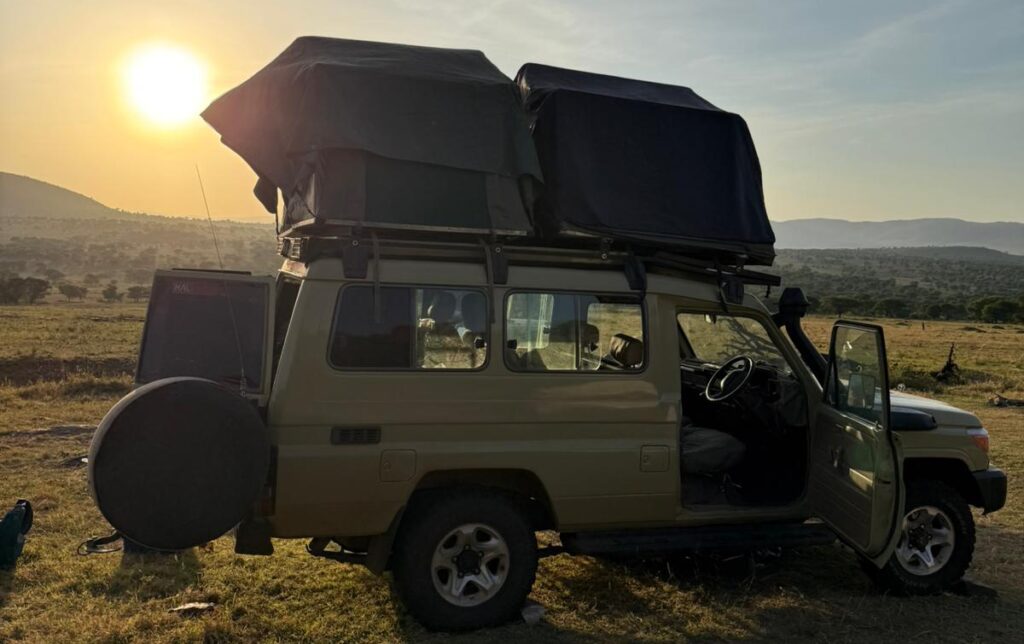
The Land Cruiser 70 Series is worth considering for longer overland journeys, rougher roads and travellers carrying additional camping equipment.
Confirm the specific model, passenger capacity, luggage arrangements and insurance terms before booking.
Toyota Hilux with Rooftop Tent
A Toyota Hilux with a rooftop tent is ideal for travellers who want to camp during their Tanzania adventure. It offers flexibility for staying at authorised campsites and can suit longer routes where accommodation options are limited.
Before booking, check the tent capacity, sleeping arrangements, cooking equipment and included recovery gear.
4×4 with Full Camping Equipment
A fully equipped camping vehicle may include a tent, mattress, sleeping bags, fridge, cooking equipment, table and chairs. This can be a practical option for travellers who prefer independent camping combined with occasional lodge stays.
Explore 4×4 rental with rooftop tent in Tanzania options and confirm whether camping equipment, insurance, park fees and support services are included in the rental quotation.
Is a 4×4 Necessary for the Great Rift Valley in Tanzania?
A 4×4 is not essential for every paved road in northern Tanzania. However, it is strongly recommended for many self-drive safari itineraries, particularly those that include national park tracks, remote campsites and destinations such as Lake Natron.
A vehicle with suitable ground clearance and reliable tyres is especially important when travelling during or after periods of heavy rainfall.
Before departure, check the route with your rental provider and confirm whether your vehicle is permitted in each intended park and destination. Do not assume that every 4×4 rental is suitable for every national park or remote road.
Best Time for a Great Rift Valley Self-Drive Safari in Tanzania
Tanzania’s Great Rift Valley destinations can be explored throughout much of the year, but the season affects road conditions, wildlife movements and the overall experience.
June to October: Generally a popular period for northern Tanzania wildlife safaris, with relatively dry conditions in many destinations. Accommodation and popular campsites may need advance booking.
January to February: Often attractive for wildlife viewing and scenic road trips. The southern Serengeti and Ndutu region can offer opportunities to see wildebeest calving, depending on the seasonal movements of the herds.
March to May: The long rains can make some unpaved roads difficult, particularly around remote areas. Allow extra time and check local conditions before departure.
November to December: The short rains can bring greener scenery, although showers may affect some tracks and access roads.
Lake Natron and other remote destinations deserve particular attention during wet periods because road conditions can change significantly.
Costs to Consider for a Great Rift Valley Self-Drive Safari
Your total safari cost depends on the rental vehicle, travel season, accommodation, group size and the destinations included.
| Expense | What to budget for |
|---|---|
| 4×4 car rental | Daily rental rate, insurance and applicable extras |
| Fuel | Distance travelled and fuel consumption |
| Accommodation | Lodges, hotels, tented camps or campsites |
| Park and conservation fees | Applicable entry, vehicle and activity charges |
| Crater access | Applicable Ngorongoro fees and vehicle requirements |
| Activities | Game drives, cultural visits or guided excursions |
| Camping equipment | Included equipment or optional rental charges |
| Meals and supplies | Restaurants, lodge meals or self-catering |
Confirm the latest official fees before travelling. Park admission, vehicle charges, camping fees, conservation fees and accommodation may be charged separately.
Safety and Practical Tips for Driving in Tanzania
A successful Great Rift Valley self-drive safari starts with realistic planning and a vehicle suited to your route.
- Drive on the left-hand side of the road.
- Carry your valid driving licence and rental documents.
- Avoid night driving, particularly in remote areas.
- Refuel when convenient before entering remote regions.
- Check your tyres, spare wheels and recovery equipment.
- Carry drinking water, food and a charged mobile phone.
- Check weather forecasts and road conditions before leaving paved highways.
- Follow all national park speed limits and wildlife regulations.
- Use authorised campsites and accommodation.
- Confirm park entry procedures and any restrictions that apply to your rental vehicle.
For Lake Natron and other remote destinations, seek local advice on current road conditions and avoid travelling into difficult terrain without appropriate equipment and experience.
Great Rift Valley Self-Drive Safari in Tanzania: Frequently Asked Questions
Can I explore Tanzania’s Great Rift Valley without a guide?
Yes. Independent travel is possible on suitable routes using a rental vehicle. However, park regulations, access restrictions and certain activities may require authorised guides or additional arrangements.
How many days do I need for a Great Rift Valley self-drive safari in Tanzania?
Five to seven days can cover selected northern Tanzania destinations, such as Lake Manyara, Ngorongoro and Lake Eyasi. Ten days or more allows a more relaxed itinerary and can provide time for Serengeti or a dedicated Lake Natron extension.
Which vehicle is best for a Tanzania Great Rift Valley road trip?
A Toyota Prado is a good option for comfort and flexibility. A Land Cruiser 70 Series or Hilux with a rooftop tent may suit travellers planning remote routes or camping-focused adventures.
Can I visit Lake Natron on a self-drive safari?
Yes, subject to suitable vehicle arrangements and current road conditions. A capable 4×4 is recommended, and travellers should plan additional time because the route can be rough and slow.
Can I combine the Great Rift Valley with the Serengeti?
Yes. Lake Manyara, Ngorongoro and Serengeti can be combined in a northern Tanzania safari itinerary. Allow sufficient time for driving, park formalities and overnight stops.
Is Lake Manyara part of the Great Rift Valley?
Lake Manyara lies within Tanzania’s Great Rift Valley landscape, beneath the western escarpment. The national park is known for its lake, woodland habitats, birdlife and wildlife.
Can I camp during a Tanzania Great Rift Valley self-drive safari?
Yes. Camping is possible at designated and authorised campsites. Confirm availability, equipment requirements and park regulations before setting out.
Book Your Great Rift Valley Self-Drive Safari in Tanzania
Tanzania’s Great Rift Valley offers an exceptional combination of volcanic scenery, wildlife habitats, alkaline lakes and cultural experiences. From Lake Manyara and the Ngorongoro highlands to Lake Eyasi and the remote shores of Lake Natron, each destination provides a different perspective on the country’s natural beauty.
With a reliable vehicle and a well-planned itinerary, you can combine independent driving with unforgettable wildlife viewing and scenic stops.
Whether you prefer a comfortable SUV for lodge-based travel or a fully equipped camping vehicle for a more adventurous journey, choose a rental option that matches your itinerary, budget and driving experience.
Ready to explore Tanzania’s Great Rift Valley? Start planning your adventure with a suitable 4×4 car rental in Tanzania, and discover the country’s remarkable Rift Valley landscapes at your own pace.