
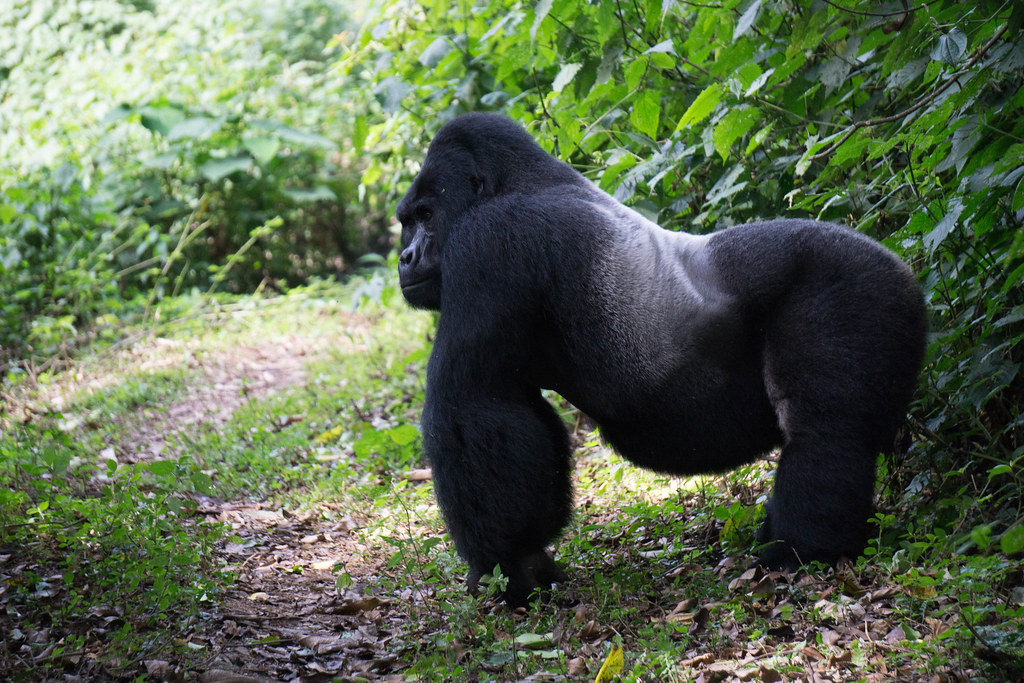
Gorilla Photographic Safari and Tanzania Self-Drive Wildlife Adventure
Introduction to Gorilla Photography and Tanzania Self-Drive Safaris
A gorilla photographic safari combined with a Tanzania self-drive wildlife adventure offers an exciting way to discover East Africa’s remarkable biodiversity. Travelers can explore Tanzania’s famous national parks, photograph iconic African wildlife and, if mountain gorillas are a priority, extend their journey to Uganda or Rwanda for an authorised gorilla trekking experience.
Tanzania is one of Africa’s leading wildlife photography destinations. From elephants moving through Tarangire’s baobab landscapes to lions resting in the Serengeti and flamingos gathering around alkaline lakes, the country offers a remarkable range of photographic opportunities.
However, Tanzania does not have wild mountain gorilla trekking destinations. Travelers who want to photograph mountain gorillas must visit Uganda’s Bwindi Impenetrable National Park or Mgahinga Gorilla National Park, or Rwanda’s Volcanoes National Park.
With a suitable 4×4 rental vehicle, travelers can independently explore Tanzania’s wildlife destinations, choose accommodation that suits their budget and create a flexible itinerary around their photographic interests.
For wildlife enthusiasts seeking an extended East African adventure, combining a Tanzania photographic self-drive safari with gorilla trekking in a neighbouring country provides a memorable contrast between open savannah and dense mountain rainforest.
Why Choose a Tanzania Photographic Self-Drive Safari?
A photographic self-drive safari gives travelers greater control over their route, accommodation and time spent in different destinations. Rather than following a rigid itinerary, you can plan your journey around wildlife movements, changing light and the landscapes you most want to photograph.
Freedom to Explore Tanzania at Your Own Pace
A self-drive 4×4 allows you to travel between Tanzania’s national parks and scenic destinations independently. You can plan early starts, spend additional time in wildlife areas where permitted and stop at suitable viewpoints along the way.
Good planning is particularly important in Tanzania because distances between parks can be considerable, and some roads become difficult during rainy periods.
Photograph the Big Five
Tanzania offers opportunities to photograph lions, leopards, elephants, buffaloes and rhinoceroses in selected wildlife destinations.
The Serengeti is famous for predators and open plains, while Ngorongoro Crater offers a concentrated wildlife viewing environment. Tarangire is known for elephants, and rhinoceros sightings may be possible in protected areas such as Ngorongoro.
Wildlife sightings are never guaranteed, so allow sufficient time in each destination.
Experience the Great Wildebeest Migration
The Serengeti ecosystem hosts one of the world’s most spectacular wildlife migrations. Millions of wildebeest and other grazing animals move through the ecosystem in response to rainfall, fresh grazing and water availability.
Photographers may witness large herds, newborn calves, predator activity and seasonal river crossings, depending on their travel dates and wildlife movements.
The migration does not follow a fixed timetable. Choosing the right area for the season is more important than relying on exact dates.
Combine Wildlife Photography with Landscapes and Culture
Tanzania offers far more than game drives. Photographers can explore the Great Rift Valley, Mount Kilimanjaro landscapes, Lake Manyara, the highlands around Ngorongoro, traditional rural communities and the Indian Ocean coastline.
A longer self-drive safari can also include southern Tanzania, where Ruaha and Nyerere national parks provide different landscapes and wildlife experiences.
Best Destinations for a Tanzania Wildlife Photographic Safari
1. Serengeti National Park
Serengeti National Park is one of Tanzania’s most celebrated destinations for wildlife photography. Its vast grasslands, rocky kopjes, river systems and open savannah support large populations of wildlife.
Photographic opportunities include lions, cheetahs, leopards, elephants, giraffes, zebras, wildebeest and numerous bird species.
The Serengeti is particularly attractive to photographers following the Great Migration. Depending on the season, you may encounter herds in the southern plains, western corridor, central Serengeti or northern regions.
Highlights include:
- Predator photography in open grassland.
- Wildebeest and zebra herds during the migration.
- Lions resting on rocky kopjes.
- Elephants and giraffes against expansive landscapes.
- Birdlife and dramatic African sunsets.
Self-driving in the Serengeti requires careful preparation. Check park regulations, road conditions, vehicle suitability, permitted routes, camping arrangements and park fees before departure.
2. Ngorongoro Crater
The Ngorongoro Crater is one of Tanzania’s most remarkable wildlife photography destinations. Its volcanic landscape supports a diverse range of animals within a relatively compact area.
Photographers may encounter buffaloes, zebras, wildebeest, hippos, lions and, with luck, the endangered black rhinoceros.
The crater’s changing light, grasslands, woodland and wetlands create varied photographic settings. Early morning can provide atmospheric conditions, although visibility and animal movements change throughout the day.
Visitors must follow Ngorongoro Conservation Area regulations, including the applicable vehicle, access, timing and crater descent requirements. Plan permits and fees in advance.
3. Tarangire National Park
Tarangire National Park is especially appealing to photographers interested in elephants and classic African landscapes.
The park is known for its large elephant herds, baobab trees, seasonal river and diverse birdlife. During drier periods, wildlife often concentrates around remaining water sources, creating rewarding viewing opportunities.
Photographic highlights include elephant families, baobab silhouettes, giraffes, zebras, antelopes and birds around the Tarangire River.
Tarangire is an excellent addition to a northern Tanzania self-drive route from Arusha.
4. Lake Manyara National Park
Lake Manyara National Park combines forest, open grassland, escarpment scenery and lakeside habitats.
Photographers can look for elephants, giraffes, buffaloes, baboons, hippos and a wide range of bird species. Flamingos may be present when conditions are suitable, but their numbers vary with water levels and feeding conditions.
The park’s diversity makes it a useful stop between Tarangire, Karatu and the Ngorongoro Conservation Area.
5. Ruaha National Park
Ruaha National Park is an excellent option for travelers seeking a quieter, more remote photographic safari in southern Tanzania.
Its baobab-studded landscapes, rocky hills, river systems and extensive wilderness provide opportunities to photograph elephants, lions, leopards, buffaloes, giraffes and numerous birds.
Ruaha is particularly attractive to photographers who want to spend several days exploring one ecosystem rather than rushing between multiple destinations.
Road conditions, accommodation locations and fuel planning require careful attention. A suitable 4×4 and realistic driving schedule are essential.
6. Nyerere National Park
Nyerere National Park offers a distinctive photographic experience in southern Tanzania. Its rivers, woodland, open plains and wetland habitats support elephants, buffaloes, giraffes, hippos, crocodiles, wild dogs and a variety of birdlife.
Guided boat safaris in permitted areas can provide different photographic perspectives from conventional game drives.
Travelers should confirm which activities are available and which areas permit independent driving, as some experiences require an authorised guide or operator.
Suggested 10-Day Tanzania Wildlife Photography Self-Drive Safari
This sample itinerary explores the northern Tanzania circuit. It focuses on wildlife photography and can be extended with additional days in the Serengeti or an onward trip to Uganda or Rwanda for mountain gorilla trekking.
Day 1: Arrival in Arusha
Arrive at Kilimanjaro International Airport or another agreed pickup point and collect your pre-arranged 4×4 rental vehicle.
Check your camera equipment, review the route and organise your supplies. Depending on your arrival time, relax in Arusha before beginning the safari.
Overnight: Arusha.
Day 2: Arusha to Tarangire National Park
Drive to Tarangire National Park and complete the required entry arrangements.
Spend the afternoon photographing elephants, baobab trees and other wildlife along authorised park roads. The park’s landscapes are particularly appealing when the light is soft.
Overnight: Tarangire area.
Day 3: Tarangire to Lake Manyara or Karatu
Enjoy an early wildlife viewing session if your schedule and accommodation arrangements allow, then continue towards Lake Manyara or Karatu.
Depending on your interests, visit Lake Manyara National Park for forest, bird and lakeside photography.
Overnight: Karatu or Lake Manyara area.
Day 4: Ngorongoro Conservation Area
Travel towards the Ngorongoro Conservation Area and explore the authorised visitor areas along your route.
Photograph highland landscapes, volcanic scenery and the changing vegetation of the crater highlands. If a crater game drive is planned, confirm the relevant fees, permits, vehicle arrangements and schedule beforehand.
Overnight: Ngorongoro or Karatu area, according to your booking.
Day 5: Ngorongoro Crater Photography
Descend into Ngorongoro Crater if your itinerary includes an authorised crater visit.
The crater offers opportunities to photograph lions, buffaloes, zebras, wildebeest, hippos and other wildlife. Sightings vary, and rhinoceros encounters are not guaranteed.
Follow conservation area rules and the instructions of park staff. After your visit, continue towards the Serengeti if road and permit arrangements allow, or stay overnight nearby to maintain a comfortable schedule.
Overnight: Serengeti or an agreed nearby location.
Day 6: Central Serengeti
Explore the central Serengeti, a productive wildlife photography area known for its open plains, rocky kopjes and resident predators.
Spend time observing animal behaviour and adapting your camera settings to changing light. If you are self-driving, use permitted routes and respect wildlife viewing regulations.
Overnight: Central Serengeti area.
Day 7: Serengeti Wildlife Photography
Enjoy another full day in the Serengeti. Additional time improves your chances of photographing different species and behaviours.
Your precise location should reflect the season, recent wildlife movements and your interests. Travelers following the Great Migration should plan their accommodation and driving route around the expected location of the herds, while understanding that movements can change.
Overnight: Serengeti area.
Day 8: Additional Serengeti Exploration
Continue exploring the park or move to another authorised area according to your route and accommodation bookings.
Photographic opportunities include predators, grazing herds, birds, landscapes and sunrise or sunset scenes.
Avoid long, unrealistic driving schedules that reduce time for wildlife viewing.
Overnight: Serengeti or an agreed location on the return route.
Day 9: Return Towards Karatu or Arusha
Begin your return journey, allowing sufficient time for the long distances, road conditions and any park exit requirements.
Depending on the route, you may stay overnight in Karatu or continue towards Arusha if the schedule and conditions make this practical.
Overnight: Karatu or Arusha.
Day 10: Vehicle Return or Gorilla Trekking Extension
Return the rental vehicle according to your agreement or continue to the next stage of your East African trip.
Travelers who wish to photograph mountain gorillas should arrange onward travel to Uganda or Rwanda, with sufficient time for flights, transfers, permits and accommodation.
Important: This 10-day itinerary is a Tanzania wildlife photographic safari. Gorilla trekking is not available within Tanzania.
Adding Gorilla Photography in Uganda or Rwanda
Tanzania’s wildlife photography destinations can be combined with a separate gorilla trekking experience in a neighbouring country.
Uganda: Bwindi Impenetrable National Park
Bwindi is one of the world’s leading mountain gorilla trekking destinations. Its steep forest trails and dense vegetation create a very different photographic environment from the open plains of Tanzania.
Travelers can arrange onward flights to Uganda and continue by road to the trekking sector specified on their permit. A separate rental vehicle in Uganda may be more practical than arranging cross-border travel with a Tanzania rental car.
Uganda: Mgahinga Gorilla National Park
Mgahinga Gorilla National Park offers gorilla trekking against the dramatic backdrop of the Virunga volcanoes.
It can suit travelers interested in combining gorilla photography with mountain scenery and other authorised forest activities. Permit availability should be checked before confirming travel arrangements.
Rwanda: Volcanoes National Park
Volcanoes National Park is Rwanda’s principal mountain gorilla trekking destination. Its volcanic slopes, bamboo vegetation and montane forest create a striking setting for wildlife photography.
Rwanda can be a practical extension for travelers who want a shorter gorilla-focused trip, depending on flight connections, permit availability and budget.
Gorilla trekking in either country must be arranged through the authorised park system. Photographers must follow the applicable viewing, health, distance and equipment rules.
Essential Camera Equipment for Tanzania Wildlife Photography
Tanzania’s open savannah, bright sunlight and dusty roads create different challenges from rainforest photography.
Camera Body
A DSLR or mirrorless camera with reliable autofocus and good image quality is useful for wildlife photography. A smartphone can also capture landscapes and wildlife where subjects are sufficiently close.
Telephoto Lens
A telephoto zoom lens is valuable for photographing animals from a safe distance. It is especially useful for predator portraits, birds and wildlife behaviour.
Wide-Angle Lens
A wide-angle lens helps capture the Serengeti’s expansive plains, Tarangire’s baobabs, the Ngorongoro highlands and dramatic skies.
Spare Batteries and Memory Cards
Carry spare batteries and enough memory cards for long days of photography. Consider bringing a reliable backup device for storing your images.
Dust and Rain Protection
Dust is common on safari roads, while rain may occur throughout the year. Keep camera equipment protected when driving on unpaved roads and avoid changing lenses in dusty environments.
Binoculars and Camera Support
Binoculars help locate wildlife before taking photographs. A beanbag or other suitable support may help stabilise your camera from a permitted viewing position, but follow all park and vehicle regulations.
For the gorilla trekking extension, use rain protection and carry only equipment you can comfortably manage on forest trails.
Responsible Wildlife Photography in Tanzania
Responsible photography protects wildlife and helps preserve the quality of the safari experience.
Follow these guidelines:
- Maintain a safe and lawful distance from animals.
- Never feed, chase or deliberately disturb wildlife.
- Remain on permitted roads and designated routes.
- Follow park speed limits and vehicle regulations.
- Never leave the vehicle where park rules prohibit it.
- Avoid crowding animals or blocking their movement.
- Respect other visitors and local communities.
- Follow instructions from park staff and authorised guides.
During gorilla trekking in Uganda or Rwanda, comply with the relevant distance requirements, flash restrictions, health rules and authorised viewing times. Never touch or approach gorillas to obtain a better photograph.
Cost of a Tanzania Photographic Self-Drive Safari
The total cost depends on the season, rental vehicle, group size, park fees, accommodation and length of the trip.
| Cost Item | What It Covers |
|---|---|
| 4×4 car rental | Vehicle hire for the planned safari |
| Fuel | Fuel for the full driving route |
| National park and conservation fees | Applicable entry, vehicle and activity charges |
| Accommodation | Campsites, guesthouses, lodges or hotels |
| Food and drinks | Self-catering or restaurant meals |
| Optional guided activities | Guided game drives, boat safaris or specialist experiences |
| Travel insurance | Suitable personal travel and activity coverage |
| Photography equipment | Camera rental or accessories, if required |
| Gorilla trekking extension | Permits, transport and accommodation in Uganda or Rwanda |
A combined Tanzania-and-gorilla photography trip costs more than a Tanzania-only safari because it involves international transport, gorilla permits and additional accommodation.
Confirm current park fees and permit prices before booking. Tanzania’s national park and conservation area charges vary by destination and visitor category, while gorilla trekking permits have separate tariffs in Uganda and Rwanda.
Choosing the Right 4×4 Rental Vehicle in Tanzania
A reliable 4×4 is an important part of a Tanzania photographic self-drive safari. Long distances, gravel roads and changing weather conditions make vehicle selection especially important.
When choosing your rental vehicle, consider:
- Ground clearance and suitability for rough roads.
- Tyre condition and the availability of spare tyres.
- Luggage space for camera bags and personal equipment.
- Fuel consumption and expected daily driving distances.
- Insurance conditions and roadside assistance.
- Park access requirements and vehicle restrictions.
- Collection and return arrangements.
- Cross-border authorisation if continuing to another country.
A suitable Toyota Land Cruiser, Toyota Prado or another properly equipped 4×4 may work well, depending on the route, passenger numbers and conditions.
Before booking, confirm which national parks your vehicle may enter and whether any special arrangements are required for Serengeti, Ngorongoro or other protected areas.
If you plan to visit Uganda or Rwanda for gorilla trekking, ask your rental provider whether cross-border travel is permitted. Written authorisation, suitable insurance and vehicle documents are essential. A separate rental in the gorilla trekking country may be simpler.
Best Time for a Tanzania Wildlife Photographic Safari
Tanzania offers wildlife photography opportunities throughout the year, but the best time depends on the destination and the subjects you want to photograph.
The Serengeti’s wildebeest migration moves through different parts of the ecosystem throughout the year. The southern plains are important during the calving season, while other periods may provide opportunities to see large herds in the western or northern Serengeti.
Drier periods often make road travel easier and can concentrate animals around water sources. Wetter periods may provide lush vegetation, dramatic skies, young animals and excellent bird photography, but muddy roads can complicate self-driving.
Tarangire, Ngorongoro and southern Tanzania each have their own seasonal characteristics. Plan your route around your photographic priorities, current park conditions and accommodation availability.
For a gorilla extension, choose dates according to permit availability and allow enough time for travel between countries.
Combining Tanzania Wildlife Photography with Other East African Experiences
Tanzania Great Migration and Gorilla Trekking
Combine several days in the Serengeti with a gorilla trekking extension in Uganda or Rwanda. This itinerary brings together savannah wildlife and mountain rainforest experiences.
Tanzania and Kenya Wildlife Photography
Travelers with sufficient time can combine Tanzania’s Serengeti or northern circuit with selected Kenyan wildlife destinations. Cross-border vehicle arrangements, park entry rules and one-way rental conditions must be confirmed before travel.
Southern Tanzania Photographic Safari
Explore Ruaha and Nyerere national parks for a different perspective on Tanzania’s wildlife. These destinations can be rewarding for travelers who prefer remote landscapes, varied habitats and a less hurried photographic journey.
Tanzania Wildlife and Zanzibar
Complete your wildlife photography trip with time on Zanzibar’s beaches, in Stone Town or around the island’s coastal landscapes. Arrange your vehicle return and transfer to the coast or airport in advance.
Frequently Asked Questions
Can I photograph mountain gorillas in Tanzania?
No. Tanzania does not have wild mountain gorilla trekking destinations. To photograph mountain gorillas, you must visit authorised trekking areas in Uganda or Rwanda.
Which Tanzanian national park is best for wildlife photography?
The Serengeti is renowned for predators and the Great Migration. Tarangire is particularly famous for elephants and baobabs, while Ngorongoro offers varied wildlife in a dramatic volcanic landscape. Ruaha and Nyerere are excellent alternatives for southern Tanzania itineraries.
Can I combine Tanzania self-drive with gorilla trekking?
Yes. You can explore Tanzania independently and then travel to Uganda or Rwanda for gorilla trekking. Plan international transport, permits and local ground arrangements in advance.
Is a 4×4 necessary for a Tanzania photographic safari?
A suitable 4×4 is strongly recommended for many safari routes, especially when travelling through remote areas and unpaved roads. Confirm the requirements and current conditions for each park.
How many days do I need for Tanzania and gorilla photography?
Ten days can provide a rewarding introduction to Tanzania’s northern wildlife circuit. A combined Tanzania and gorilla trekking itinerary is generally more comfortable with approximately 12–16 days or longer, depending on the destinations and international connections.
Do I need permits for Tanzania’s national parks?
Yes. National park visits and certain conservation area activities require applicable fees, permits or entry arrangements. Confirm current requirements for every destination before travelling.
Do I need a gorilla trekking permit?
Yes. A valid permit is required for an authorised mountain gorilla trek in Uganda or Rwanda. Availability is limited, so confirm your permit before finalising non-refundable arrangements.
Book Your Tanzania Photographic Self-Drive Safari
A Tanzania photographic self-drive safari provides the freedom to explore some of Africa’s most extraordinary wildlife landscapes. From the Serengeti’s vast plains to Tarangire’s elephants and Ngorongoro’s volcanic scenery, the country offers unforgettable opportunities for wildlife photographers.
For travelers who also dream of photographing mountain gorillas, adding Uganda or Rwanda creates a broader East African adventure that combines savannah wildlife with rainforest primates.
Plan your Tanzania photographic self-drive safari with Self drive in Tanzania. Contact our team to discuss 4×4 rental options, national park routes, accommodation, Great Migration timing and a personalised gorilla trekking extension.