
4 Weeks in East Africa Starting in Tanzania: The Ultimate 28-Day Safari & Self-Drive Itinerary
Explore Tanzania, Kenya, Uganda and Rwanda in 28 Days
Introduction: Discover East Africa in Four Weeks
Planning 4 weeks in East Africa starting in Tanzania is an exciting way to explore some of Africa’s most extraordinary wildlife destinations, mountain landscapes, cultural attractions and tropical beaches. Beginning in Dar es Salaam, Arusha or Kilimanjaro International Airport, this 28-day adventure can take you through Tanzania’s legendary national parks, Kenya’s famous savannahs, Uganda’s lush rainforests and Rwanda’s spectacular volcanic mountains.
A four-week East African adventure offers the opportunity to experience the Serengeti, Ngorongoro Crater, Tarangire National Park, the Maasai Mara, mountain gorilla trekking, chimpanzee tracking and the beautiful shores of Lake Kivu. You can also finish your holiday with a relaxing beach escape in Zanzibar.
For independent travellers, an East Africa self-drive safari offers flexibility and the freedom to explore at your own pace. A suitable 4×4 rental vehicle is useful for selected safari routes, camping adventures and remote accommodation, while guided excursions and domestic flights can make longer journeys more manageable.
Whether you prefer a self-drive road trip, a guided safari or a combination of both, this itinerary explains how to plan four weeks across Tanzania, Kenya, Uganda and Rwanda.
28-Day East Africa Itinerary Starting in Tanzania
| Days | Destination | Main experiences |
|---|---|---|
| 1–2 | Arusha or Dar es Salaam | Arrival, city sightseeing and preparation |
| 3–4 | Tarangire National Park | Elephants and baobab landscapes |
| 5–7 | Serengeti National Park | Wildlife safari and Great Migration |
| 8 | Ngorongoro Crater | Crater game drive |
| 9–10 | Lake Manyara and Arusha | Wildlife and scenic landscapes |
| 11–13 | Maasai Mara, Kenya | Big Five safari and seasonal migration |
| 14–15 | Lake Nakuru or Naivasha | Rhinos, birdlife and Rift Valley scenery |
| 16–17 | Nairobi | City attractions and travel connections |
| 18–20 | Queen Elizabeth National Park, Uganda | Wildlife and Kazinga Channel |
| 21–22 | Kibale Forest | Chimpanzee tracking |
| 23–25 | Bwindi Impenetrable National Park | Mountain gorilla trekking |
| 26 | Volcanoes National Park, Rwanda | Mountain scenery and optional trekking |
| 27 | Kigali or Lake Kivu | Culture and lakeside relaxation |
| 28 | Departure | Kigali or another suitable airport |
This itinerary is ambitious and requires careful planning of transport, border crossings and accommodation. The route may need to be adjusted to suit your arrival airport, permit availability and international departure arrangements.
Week 1: Tanzania – Serengeti, Ngorongoro and Tarangire
Days 1–2: Arrive in Tanzania
Begin your East African journey in Tanzania, choosing either Dar es Salaam or the northern safari gateway of Arusha, depending on your international flights and preferred route.
Dar es Salaam offers access to the Indian Ocean coast and southern Tanzania, while Arusha is a convenient starting point for the northern safari circuit. Kilimanjaro International Airport is another practical arrival option for travellers heading directly towards Arusha and the national parks.
Spend your first day settling into your accommodation, arranging transport and preparing for the adventure ahead.
If you plan to explore independently, consider self-drive car rental in Tanzania. Select a vehicle suited to your route, number of travellers, luggage and camping requirements. Before departing, confirm insurance, rental conditions, park regulations and any restrictions on cross-border travel.
Days 3–4: Tarangire National Park
Travel to Tarangire National Park, famous for its ancient baobab trees, elephant herds and diverse wildlife.
The park’s river systems and seasonal wetlands attract animals throughout the year, although wildlife concentrations vary with rainfall and the availability of water. Game drives provide opportunities to see elephants, giraffes, zebras, antelopes and numerous bird species.
Tarangire is an excellent introduction to Tanzania’s northern safari circuit and is especially rewarding for travellers who enjoy landscapes that differ from the open plains of the Serengeti.
Stay in a suitable lodge, tented camp or authorised campsite, depending on your budget and travel style.
Days 5–7: Serengeti National Park
Continue to Serengeti National Park, one of Africa’s most famous wildlife destinations.
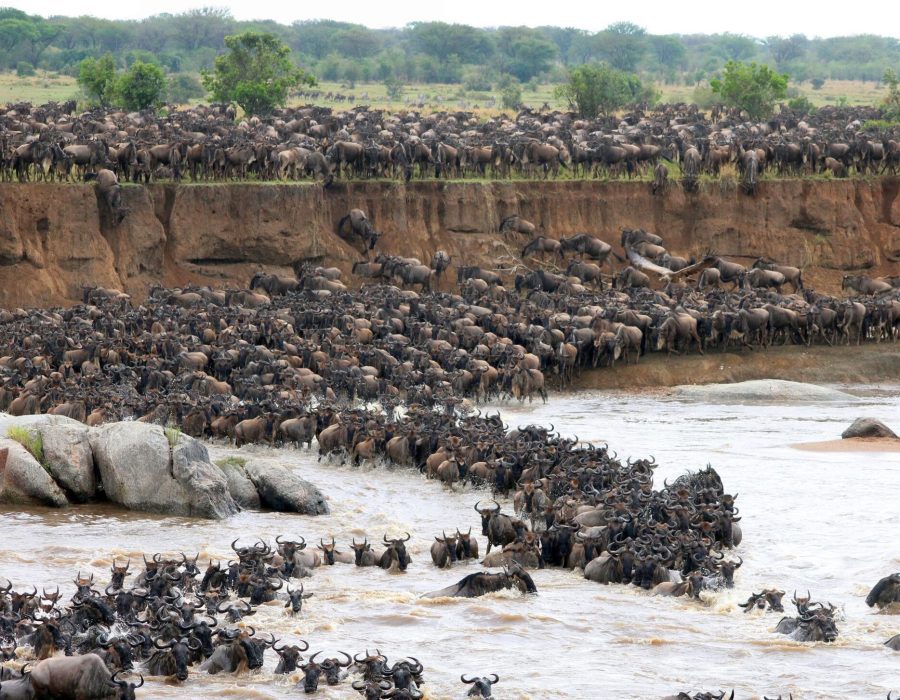
The Serengeti is renowned for its expansive grasslands, predator populations and seasonal wildebeest migration. Spend several days exploring appropriate wildlife-viewing areas and looking for lions, leopards, cheetahs, elephants, giraffes, zebras and other species.
The Great Migration moves across the Serengeti ecosystem according to seasonal rainfall and grazing conditions. Choose your route based on the likely location of the herds during your travel dates, but remember that wildlife movements and river crossings cannot be guaranteed.
A capable 4×4 vehicle is recommended for many safari routes, particularly when road conditions are challenging. Independent visitors should follow park regulations, respect wildlife distances and use authorised accommodation or designated campsites.
For travellers seeking a Tanzania self-drive safari, the Serengeti offers an unforgettable adventure, provided the vehicle, route and accommodation are planned carefully.
Day 8: Ngorongoro Crater
Travel towards the Ngorongoro Conservation Area for one of Tanzania’s most spectacular wildlife experiences.
The Ngorongoro Crater is a remarkable volcanic landscape supporting a high concentration of wildlife. A crater game drive may provide opportunities to see lions, elephants, buffaloes, hyenas and, with luck, the endangered black rhino.
Allow enough time for access procedures, the descent and ascent, and onward travel. Confirm current conservation fees and any additional crater or vehicle charges before booking.
Days 9–10: Lake Manyara and Arusha
Depending on your preferred route, explore Lake Manyara National Park or enjoy additional time in the Arusha area.
Lake Manyara offers varied habitats, including woodland, lakeshore and groundwater forest. Wildlife sightings depend on conditions, but the park is a useful addition to a northern Tanzania safari.
Return towards Arusha to rest, organise the next stage of your trip and prepare for onward travel into Kenya.
Travellers planning to continue by road should verify their international vehicle arrangements in advance. In many cases, using separate rental vehicles in Tanzania and Kenya is more practical than arranging a cross-border rental.
Week 2: Kenya – Maasai Mara and the Great Rift Valley
Days 11–13: Maasai Mara National Reserve
Continue to Kenya for a safari in the famous Maasai Mara National Reserve.
The reserve’s open savannah supports lions, leopards, cheetahs, elephants, buffaloes and many other animals. Guided game drives provide opportunities to observe wildlife and learn about the ecosystem.
During the seasonal Great Migration, large herds of wildebeest and zebras move through the Mara–Serengeti ecosystem. The timing varies with rainfall and grazing conditions, so travellers should choose their dates carefully without expecting guaranteed sightings of river crossings.
For self-drive visitors, check current reserve access arrangements, road conditions, accommodation locations and vehicle requirements. Some travellers prefer guided game drives inside the reserve while using a rental vehicle for transfers between destinations.
The Maasai Mara is an excellent complement to Tanzania’s Serengeti, giving travellers a broader perspective on East Africa’s remarkable wildlife.
Days 14–15: Lake Nakuru or Lake Naivasha
Explore the Great Rift Valley, a region of dramatic escarpments, lakes and volcanic landscapes.
Lake Nakuru National Park is known for rhinos, giraffes, buffaloes and birdlife. Alternatively, Lake Naivasha offers a relaxed lakeside setting and selected nature activities.
Choose the most practical overnight stop based on your onward route. Driving times can be significant, so avoid attempting too many destinations in a single day.
Days 16–17: Nairobi
Continue to Nairobi, Kenya’s capital and a major regional transport hub.
Explore local attractions, enjoy Kenyan cuisine or visit selected wildlife and cultural sites if time allows. Nairobi is also a convenient place to arrange onward travel towards Uganda.
Depending on your preferred itinerary, a flight or a combination of scheduled transport and private transfers may be more practical than driving the entire route.
Week 3: Uganda – Chimpanzees, Wildlife and Mountain Gorillas
Days 18–20: Queen Elizabeth National Park
Travel into Uganda and continue to Queen Elizabeth National Park, a diverse destination with savannah, wetlands, crater lakes and forest habitats.
Enjoy game drives in search of elephants, buffaloes, lions and antelopes. A boat excursion along the Kazinga Channel offers opportunities to see hippos, crocodiles and a wide range of birdlife.
The Ishasha sector is known for its tree-climbing lions, although sightings cannot be guaranteed.
Allow sufficient time for travel between park sectors and accommodation, particularly if you are combining several activities.
Days 21–22: Kibale Forest National Park
Visit Kibale Forest National Park for chimpanzee tracking with authorised guides.
The forest is famous for its primate diversity, making it an excellent destination for travellers interested in combining savannah wildlife with rainforest experiences.
Book tracking activities ahead of time and follow the guidance of park staff throughout the excursion.
Days 23–25: Bwindi Impenetrable National Park
Continue to Bwindi Impenetrable National Park, one of the world’s most important habitats for endangered mountain gorillas.
Gorilla trekking takes visitors into dense forest with authorised guides and trackers to observe a habituated gorilla family. The terrain may be steep and muddy, so suitable footwear, rain protection and a reasonable level of fitness are important.
Permits should be secured before confirming non-refundable accommodation and transport.
For travellers who want to include mountain gorillas in their four-week East Africa itinerary, Uganda is an excellent option. Visiting both Uganda and Rwanda for gorilla trekking is possible, but increases the overall cost and travel time.
Week 4: Rwanda – Volcanoes National Park, Kigali and Lake Kivu
Day 26: Volcanoes National Park
Cross into Rwanda and travel towards Volcanoes National Park, located in the Virunga Mountains.
The park is famous for its mountain gorillas and dramatic volcanic scenery. If you have not already completed a gorilla trek, you may arrange one here, subject to permit availability. Otherwise, consider cultural activities and suitable mountain excursions in the surrounding area.
Musanze is a useful base for exploring the region. Confirm activity details and current permit requirements through authorised providers before travelling.
Day 27: Kigali or Lake Kivu
Depending on your preferred departure airport, spend your final full day in Kigali or around Lake Kivu.
In Kigali, visit cultural attractions, explore local markets and learn about Rwanda’s history at the Kigali Genocide Memorial.
Alternatively, Lake Kivu offers a more relaxed setting with lakeside scenery, boat excursions and opportunities to enjoy local food. Rubavu, also known as Gisenyi, is a convenient lakeside destination.
Choose the option that best fits your departure schedule and the amount of time available.
Day 28: Departure
Depart from Kigali or arrange onward travel from another suitable regional airport.
If your international flight leaves early, plan your final overnight stay accordingly. Confirm all transport arrangements and any rental vehicle return requirements before the last day.
Extend Your Tanzania Safari with Zanzibar
If your main interest is wildlife and beaches rather than visiting all four countries, consider adjusting the itinerary to spend more time in Tanzania.
Zanzibar offers white-sand beaches, turquoise waters, historic Stone Town and distinctive Swahili culture. Visitors can enjoy beach relaxation, spice farm tours, guided historical walks and selected boat excursions.
You could shorten the Kenya or Uganda sections and spend the final three or four days in Zanzibar instead. Travel between mainland Tanzania and Zanzibar can be arranged by domestic flight or suitable ferry connections.
For travellers beginning in Dar es Salaam, this can create a convenient Tanzania-focused safari and beach holiday without adding the extra border crossings required for a four-country journey.
East Africa Self-Drive Safari: Is It Possible to Drive from Tanzania to Kenya, Uganda and Rwanda?
A multi-country road trip can be rewarding, but travelling through four countries with a rental vehicle requires careful planning.
A 4×4 car rental in Tanzania can be suitable for many safari routes and independent road trips. However, a rental agreement in Tanzania does not automatically allow international travel into Kenya, Uganda or Rwanda.
Before booking, confirm:
- Written permission for cross-border travel.
- Valid insurance and third-party cover in every country.
- Vehicle registration and authorisation documents.
- Driving licence and international driving permit requirements.
- Border procedures and applicable vehicle charges.
- National park road conditions and vehicle suitability.
- One-way rental restrictions and vehicle return arrangements.
For many travellers, combining local rental vehicles with flights, transfers and guided wildlife activities is a more convenient solution than driving the entire route.
Which 4×4 should you rent for an East Africa safari?
Your vehicle choice depends on your route, group size, luggage, road conditions and camping requirements.
- Toyota RAV4 or similar: Suitable for many regular road trips and selected accessible destinations, depending on conditions.
- Toyota Land Cruiser Prado: A versatile option for longer journeys and selected safari routes.
- Land Cruiser 70 Series or similar: Worth considering for rugged travel and demanding camping itineraries.
- 4×4 with rooftop tent: Suitable for travellers planning an independent camping safari with appropriate equipment and designated overnight stops.
Always confirm the vehicle’s suitability for the parks you plan to visit, and check whether your rental company permits the intended route.
How Much Does a Four-Week East Africa Safari Cost?
The cost of a 28-day holiday depends on accommodation standards, transport, wildlife activities, gorilla permits, park charges and the number of travellers sharing expenses.
| Travel style | Indicative budget per person |
|---|---|
| Budget travel with shared transport and basic accommodation | US$3,000–5,000 |
| Mid-range accommodation and selected private transport | US$5,000–9,000 |
| Premium lodges and private safari arrangements | US$10,000–18,000+ |
These are broad planning estimates rather than live quotations. International flights, park fees, gorilla permits, rental vehicles, fuel, cross-border charges and optional activities can substantially change the final cost.
For a self-drive safari, request a detailed quotation that identifies the rental period, insurance, fuel assumptions, camping equipment and any cross-border or one-way fees. Confirm which accommodation, park charges and guided activities are included.
Best Time to Visit Tanzania, Kenya, Uganda and Rwanda
East Africa can be visited throughout the year, but the best travel period depends on your interests and planned activities.
Drier periods are often popular for wildlife viewing and trekking because some roads and forest trails may be easier to navigate. Rainy periods can bring greener scenery, but may also create challenging driving conditions.
The Great Migration follows seasonal rainfall and grazing conditions across the Serengeti and Maasai Mara. If migration viewing is a priority, choose your dates according to the likely seasonal movement while allowing flexibility for changing wildlife locations.
Gorilla trekking is available throughout the year, subject to permit availability and park conditions. Book permits, popular accommodation and suitable rental vehicles early for your preferred travel dates.
Frequently Asked Questions
Is four weeks enough to visit Tanzania, Kenya, Uganda and Rwanda?
Yes, four weeks can cover major highlights across all four countries, but the schedule is ambitious. You may need flights, vehicle changes or private transfers to reduce travel time and avoid exhausting road journeys.
Can I start an East Africa safari in Tanzania?
Yes. You can begin in Dar es Salaam, Arusha or Kilimanjaro International Airport, depending on your flights and planned route. Arusha is convenient for the northern safari circuit, while Dar es Salaam is useful for southern Tanzania and coastal itineraries.
Can I drive a rental car from Tanzania to Kenya, Uganda and Rwanda?
Some rental companies permit cross-border travel, while others impose restrictions. Written permission, valid insurance and the correct vehicle documents are essential. Confirm the arrangements before booking and consider separate vehicles if cross-border travel is complicated.
Is a 4×4 necessary for a Tanzania self-drive safari?
A 4×4 is recommended for many safari routes, especially where roads are rough or weather conditions are wet. The best vehicle depends on the parks, season, accommodation access and activities planned.
Should I trek gorillas in Uganda or Rwanda?
Both countries offer mountain gorilla trekking. Compare permit availability, current prices, accommodation and travel times before deciding. Visiting both countries is possible but increases the cost and time required.
Can I combine the Great Migration with gorilla trekking?
Yes. A four-week itinerary can combine wildlife viewing in the Serengeti or Maasai Mara with gorilla trekking in Uganda or Rwanda. Plan your dates around the likely seasonal migration pattern and allow enough time for travel between destinations.
Can I combine a Tanzania safari with Zanzibar?
Absolutely. A northern Tanzania safari followed by a Zanzibar beach holiday is one of the most popular ways to combine wildlife and relaxation. You can shorten the time spent in neighbouring countries or focus exclusively on Tanzania to allow more days on the coast.
How much does a four-week East Africa trip cost?
A preliminary budget may range from US$3,000–5,000 per person for a basic trip to US$10,000 or more for premium arrangements. Actual costs depend on accommodation, transport, permits, park fees and activities.
Book Your Four-Week East Africa Adventure Starting in Tanzania
Discover the best of East Africa on a tailor-made 28-day journey starting in Tanzania. Explore Tarangire, Serengeti and Ngorongoro, experience the wildlife of Kenya’s Maasai Mara, track chimpanzees in Uganda and encounter mountain gorillas in Uganda or Rwanda.
Whether you prefer a guided safari, an independent road trip or a combination of self-drive and flights, careful planning can help you make the most of your four weeks in East Africa.
Our team can help you explore suitable 4×4 rental options, camping equipment, accommodation, cross-border travel arrangements and safari activities according to your dates and budget.
Planning a self-drive safari starting in Tanzania? Contact us to enquire about 4×4 car rental, rooftop tent camping options and a personalised East Africa itinerary.
Start planning your four-week East African adventure today.