
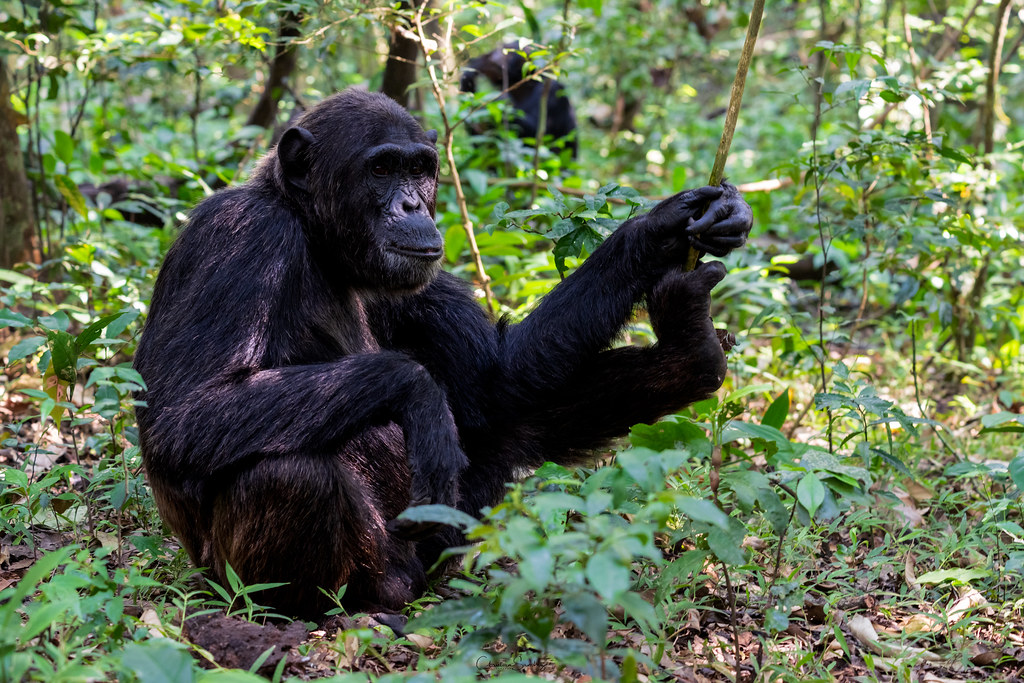
Tanzania Great Apes Self-Drive Safari: Chimpanzee Tracking in Gombe and Mahale
Tanzania Great Apes Self-Drive Safari: Discover Wild Chimpanzees
Introduction: Explore Tanzania’s Great Apes on a Self-Drive Safari
A Tanzania Great Apes self-drive safari offers an extraordinary opportunity to explore remote rainforests, scenic landscapes and the natural habitats of wild chimpanzees. Unlike the famous savannah safaris of Serengeti and Ngorongoro, a chimpanzee safari in western Tanzania takes travellers to the shores of Lake Tanganyika, where forested mountains shelter some of Africa’s most remarkable primate populations.
Tanzania is home to two of East Africa’s best-known chimpanzee destinations: Gombe Stream National Park and Mahale Mountains National Park. Both parks provide opportunities to observe chimpanzees in their natural habitats through authorised, ranger-guided tracking experiences.
With a suitable 4×4 rental vehicle, travellers can organise an independent road trip towards western Tanzania, explore the countryside and arrange onward transport to these remote parks. However, reaching the chimpanzees requires more planning than a conventional drive-in safari. Boat transfers, accommodation, park access and trekking arrangements must be coordinated in advance.
Whether you are interested in chimpanzee behaviour, rainforest photography, conservation or an off-the-beaten-path African adventure, Tanzania offers a distinctive great apes experience.
What Great Apes Can You See in Tanzania?
Chimpanzees in Gombe Stream National Park
Gombe Stream National Park is one of Tanzania’s most famous primate destinations. Situated on the eastern shore of Lake Tanganyika, north of Kigoma, the park protects forested hills, valleys and streams inhabited by wild chimpanzees.
Gombe is internationally associated with the long-term chimpanzee research pioneered by Jane Goodall. Visitors can learn about chimpanzee behaviour, social relationships and forest conservation while exploring the park with authorised guides.
Chimpanzee tracking involves walking through forest terrain to locate habituated groups. The hike can be steep and physically demanding, and the time needed to find the animals varies.
Gombe is particularly suitable for travellers interested in primate research, nature photography and a relatively intimate forest experience. Because the park is reached by boat from the Kigoma area, transport and accommodation should be arranged before departure.
Chimpanzees in Mahale Mountains National Park
Mahale Mountains National Park is another exceptional destination for chimpanzee tracking. Located along the eastern shore of Lake Tanganyika, south of Kigoma, Mahale combines tropical forest, mountain slopes and beautiful lakeside scenery.
The park protects a significant chimpanzee habitat, and guided tracking excursions allow visitors to observe chimpanzees in the wild when conditions permit.
Mahale is more remote than many of Tanzania’s established safari destinations. Depending on your arrangements, access may involve a flight to the region, travel through Kigoma and a boat transfer, or other scheduled transport services. The best option depends on the season, accommodation and current transport availability.
Mahale is ideal for travellers seeking a wilderness experience that combines primate tracking, forest walks and the remarkable scenery of Lake Tanganyika.
Best Destinations for a Tanzania Great Apes Self-Drive Safari
1. Gombe Stream National Park: Chimpanzee Tracking
Gombe Stream National Park is a highlight for travellers who want to encounter wild chimpanzees in a protected forest environment.
The park’s narrow valleys, streams and steep forested slopes create a unique landscape for guided nature walks. Chimpanzees move freely through the forest, so sightings and trekking duration cannot be guaranteed.
A visit to Gombe typically involves travelling to Kigoma and arranging a boat transfer to the park. A self-drive vehicle can be useful for reaching Kigoma if your itinerary and road conditions allow, but it cannot take you directly into the park.
Activities may include:
- Guided chimpanzee tracking.
- Forest walks with authorised park staff.
- Birdwatching and nature photography.
- Learning about chimpanzee conservation and research history.
- Exploring the lakeside environment around Kigoma.
For a more relaxed trip, consider staying in Kigoma before and after your park visit.
2. Mahale Mountains National Park: Remote Chimpanzee Encounters
Mahale Mountains National Park offers a more remote and immersive chimpanzee safari. Its forested mountains rise above Lake Tanganyika, providing an impressive setting for wildlife observation and photography.
Mahale is generally better suited to travellers who can dedicate several days to the experience. Because access and accommodation options can be limited, advance planning is particularly important.
Activities may include:
- Guided chimpanzee tracking.
- Forest walks and wildlife observation.
- Lake Tanganyika scenery and beach relaxation.
- Birdwatching and nature photography.
- Boat-based access and lakeside experiences, depending on arrangements.
Mahale should not be treated as an ordinary self-drive park where visitors simply arrive at a gate. Confirm the full journey, park access and accommodation before booking your rental vehicle.
3. Kigoma: The Gateway to Western Tanzania’s Chimpanzee Parks
Kigoma is an important transport and accommodation hub for travellers visiting Gombe and Mahale. Located beside Lake Tanganyika, the town offers access to local services and onward transport arrangements.
Depending on your itinerary, you may travel to Kigoma by road, rail or air. Travellers considering a self-drive journey should check the current road conditions, driving time, fuel availability and the rental company’s permitted travel area.
Kigoma can also serve as a useful base for arranging boat transfers, purchasing supplies and resting before or after chimpanzee tracking.
4. Lake Tanganyika: Scenic Extension to Your Safari
Lake Tanganyika is one of the defining features of a western Tanzania great apes adventure. Its clear waters, mountain backdrops and lakeside settlements create a striking contrast with the country’s northern savannah parks.
Depending on where you stay and the activities available, you may enjoy lakeside relaxation, local cultural experiences, birdwatching and boat trips.
Allow time to appreciate the region rather than planning the journey solely around chimpanzee tracking. Travel to remote parks can be affected by weather and transport schedules, so flexibility is valuable.
5. Serengeti and Ngorongoro: Optional Wildlife Safari Extension
Travellers with additional time can combine their western Tanzania primate adventure with a traditional wildlife safari in the north.
Serengeti National Park is renowned for its wildlife and seasonal wildebeest migration, while Ngorongoro Conservation Area is famous for its crater landscape and diverse wildlife.
These destinations are far from Gombe and Mahale, so combining them requires careful route planning and additional travel days. For some travellers, it may be more practical to arrange a separate northern Tanzania safari rather than attempting to cover both regions in a short trip.
Suggested 10-Day Tanzania Great Apes Self-Drive Itinerary
This sample itinerary focuses on Kigoma and Gombe Stream National Park. It is a planning framework rather than a fixed schedule; final arrangements should reflect confirmed transport, accommodation, park activities and road conditions.
Days 1–2: Arrive in Tanzania and Travel Towards Kigoma
Arrive in Tanzania and begin your journey towards western Tanzania according to your chosen transport arrangements. Depending on your arrival point and available connections, you may travel to Kigoma by air or organise a longer overland journey.
If driving, allow generous time for the distance, road conditions, fuel stops and rest. Confirm that your rental agreement permits travel to the intended region.
Stay overnight in Kigoma and prepare for the boat transfer to Gombe.
Days 3–4: Chimpanzee Tracking in Gombe Stream National Park
Travel by boat to Gombe according to your confirmed arrangements.
Join authorised park staff for chimpanzee tracking through the forest. The experience may involve steep and uneven trails, so bring suitable walking shoes, water and rain protection.
Spend time observing the forest environment and learning about the park’s chimpanzee conservation history. Follow all ranger instructions and keep the required distance from the animals.
Day 5: Return to Kigoma
Return to Kigoma by boat and enjoy a more relaxed day after your forest activities.
Depending on your schedule, explore the town, enjoy views of Lake Tanganyika or rest before the next stage of your journey.
Days 6–7: Explore the Lake Tanganyika Region
Use these days for additional lakeside experiences, local cultural activities or a rest day.
If your preferred activities require advance booking, confirm availability before travelling. Keep your schedule flexible enough to accommodate transport changes.
Days 8–9: Return Journey or Optional Extension
Begin your return journey or continue with a separately planned Tanzania wildlife experience.
An extension to another region should only be added after checking realistic travel times, vehicle permissions, accommodation and onward connections.
Day 10: Departure
Return your vehicle according to the rental agreement or connect with your onward transport.
If your departure involves a long road journey, consider adding a buffer night rather than relying on a same-day connection.
What if I want to visit Mahale instead?
Mahale requires a separate access and accommodation plan. Replace the Gombe section with confirmed Mahale arrangements, allowing enough time for the journey to the park and your scheduled chimpanzee tracking activities. Do not assume the two parks can be visited consecutively without additional transport and overnight stays.
Can You Visit Tanzania’s Great Apes on a Self-Drive Safari?
Yes, but Tanzania’s great apes self-drive safari is different from a typical northern circuit road trip.
You can use a rental vehicle to explore suitable roads and reach a departure point such as Kigoma, provided your rental agreement allows the journey. However, Gombe and Mahale require onward access arrangements, commonly involving boats or other organised transport.
Before departure, confirm:
- Whether your rental company permits travel to western Tanzania.
- The current road and fuel conditions for your chosen route.
- Boat transfers and their departure arrangements.
- Accommodation availability near your intended destination.
- Chimpanzee tracking permits and meeting times.
- Whether your vehicle can be parked securely during the park visit.
- A contingency plan for weather or transport delays.
For travellers with limited time, flying to the region and arranging local transfers may be more practical than driving all the way from Dar es Salaam or northern Tanzania.
Choosing the Best 4×4 Rental Vehicle in Tanzania
The best vehicle depends on your starting point, route, group size, luggage and planned activities.
Toyota Land Cruiser
A suitable Toyota Land Cruiser can be a strong choice for longer overland journeys and travellers carrying substantial luggage. Confirm the vehicle’s condition, spare tyres, roadside assistance and permitted travel area.
Toyota Land Cruiser Prado
The Prado can suit couples, families and small groups travelling between established destinations. Your rental provider can advise whether the selected model is appropriate for your route and travel season.
4×4 With Camping Equipment
A 4×4 with a rooftop tent or other camping equipment may suit travellers who want a flexible overland experience. However, camping is not necessarily practical at every stage of a Gombe or Mahale trip. Confirm where camping is permitted and whether lodges or organised accommodation are required near the park.
When comparing rental offers, ask about insurance, excess, mileage, breakdown support, spare wheels, recovery equipment and restrictions on remote routes.
How Much Does a Tanzania Great Apes Self-Drive Safari Cost?
The cost depends on the duration, number of travellers, vehicle type, accommodation standard, park activities and transport arrangements.
Budget for the following:
- 4×4 rental: Daily rate, insurance, mileage policy and any remote-area restrictions or charges.
- Fuel: Fuel for the road journey and any additional driving.
- Chimpanzee tracking: Applicable permits and activity charges.
- Park fees: Current conservation, entry and other required fees.
- Boat transfers: Transport between Kigoma and the selected park, where applicable.
- Accommodation: Hotels, lodges, park accommodation or other approved options.
- Meals: Restaurant meals or accommodation meal plans.
- Additional transport: Domestic flights or other connections, if selected.
- Travel contingency: Extra nights or alternative transport if schedules change.
Gombe and Mahale have different access and accommodation considerations. Request an itemised quotation that distinguishes vehicle rental from park activities, boats, accommodation and flights.
Important: Park tariffs, permit arrangements, transport schedules and accommodation prices may change. Confirm current rates and availability with the relevant authorities and service providers before publishing prices or making a booking.
Essential Tips for Planning a Tanzania Chimpanzee Self-Drive Safari
Book Chimpanzee Tracking and Accommodation Early
Confirm your preferred dates and access arrangements before finalising the road itinerary. Remote destinations may have fewer accommodation and transport options than popular safari circuits.
Plan the Journey to Kigoma Carefully
If you intend to drive, allow sufficient time for road conditions, rest and fuel stops. Check the latest route information and confirm that your rental provider permits travel to the area.
Arrange Boat Transfers in Advance
Do not assume that boat transport will be available immediately on arrival. Confirm departure times, meeting points, luggage arrangements and return transport.
Prepare for Forest Hiking
Pack comfortable hiking shoes, rainwear, drinking water and a small daypack. Trails can be steep, muddy and physically demanding.
Follow Wildlife Conservation Guidelines
Chimpanzee tracking must follow the instructions of authorised guides and park staff. Maintain the required viewing distance, do not feed or touch wild animals, and comply with all health and safety guidance.
Keep Your Itinerary Flexible
Weather and transport conditions may affect access to remote parks. Buffer nights can help reduce the risk of missing onward connections.
Frequently Asked Questions About Tanzania Great Apes Self-Drive Safaris
Can I see gorillas in Tanzania?
Tanzania’s main great apes tourism experiences focus on chimpanzees, particularly in Gombe Stream and Mahale Mountains national parks. For mountain gorilla trekking, travellers generally visit Uganda or Rwanda.
Where can I track chimpanzees in Tanzania?
Gombe Stream National Park and Mahale Mountains National Park are the country’s best-known chimpanzee tracking destinations. Both require advance planning for access and guided activities.
Can I drive directly into Gombe or Mahale?
No. These parks are not conventional drive-in safari destinations. Travellers generally reach a suitable departure point, such as Kigoma, and arrange onward transport, commonly by boat.
Can I start my Tanzania great apes safari in Dar es Salaam?
Yes, subject to your route, rental agreement and transport arrangements. However, western Tanzania is a considerable distance from Dar es Salaam, so compare overland travel with flights and local transfers before deciding.
Do I need a 4×4 vehicle?
A suitable 4×4 may be useful for an overland journey to western Tanzania, depending on the route and conditions. The final access arrangements for Gombe and Mahale must be planned separately.
How many days do I need?
Allow around 7–10 days for a carefully planned trip focused on one chimpanzee destination and its surrounding region. Visiting both Gombe and Mahale, or combining western Tanzania with the northern wildlife circuit, requires additional time.
Can I combine chimpanzee tracking with Serengeti?
Yes, with enough time and a carefully planned itinerary. Serengeti is far from the Lake Tanganyika region, so consider whether a separate flight or a longer road trip is more practical.
Is chimpanzee tracking guaranteed?
No. Chimpanzees are wild animals, and sightings depend on their movements, weather and forest conditions. Follow your guide’s instructions and respect all park rules.
Book Your Tanzania Great Apes Self-Drive Safari
Discover a different side of Tanzania with a great apes safari focused on wild chimpanzees, remote forests and the spectacular shores of Lake Tanganyika.
From Gombe Stream National Park to Mahale Mountains National Park, this adventure combines primate tracking with independent travel planning and opportunities to explore western Tanzania beyond the usual safari routes.
Contact Self drive in Tanzania to plan your Tanzania chimpanzee safari. Ask about suitable 4×4 rental options, road routes, accommodation, park access, boat transfers and possible extensions to Tanzania’s famous wildlife parks.
Explore our Tanzania safari and 4×4 car rental options to start planning your next East African adventure.