
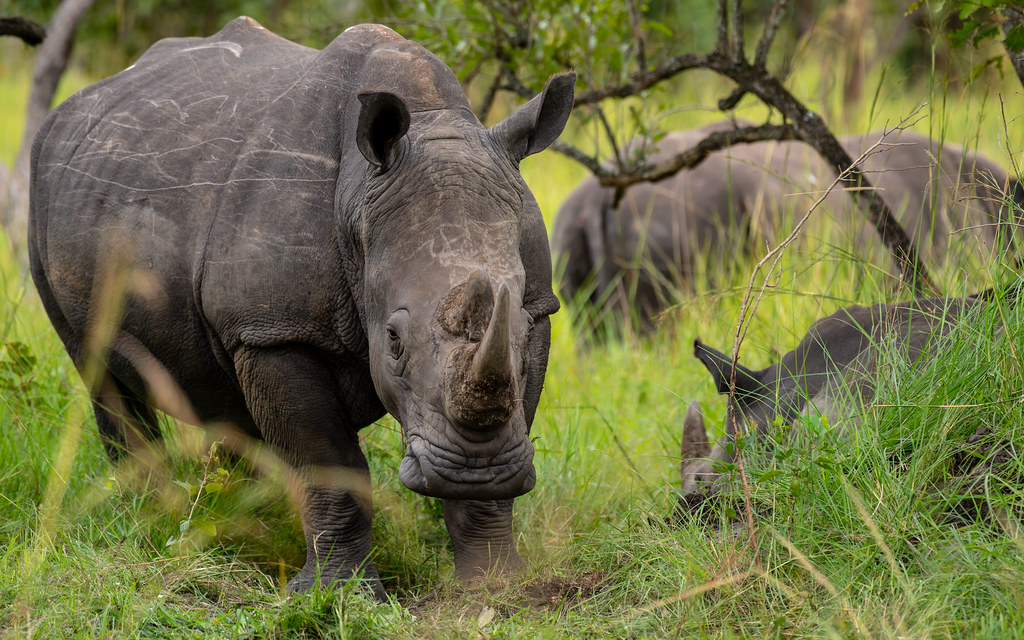
Where to See Rhinos in Tanzania on a Self-Drive Safari
Introduction: Discover Rhinos on a Tanzania Self-Drive Safari
Tanzania is one of Africa’s most spectacular wildlife destinations, offering independent travellers the opportunity to explore vast savannah plains, volcanic landscapes, lakes, forests and remote wilderness areas. From the famous Serengeti National Park to the remarkable Ngorongoro Conservation Area, the country offers outstanding opportunities to experience African wildlife on a self-drive safari.
For travellers wondering where to see rhinos in Tanzania, two destinations deserve particular attention: Ngorongoro Crater and Mkomazi National Park. Ngorongoro offers one of the country’s best opportunities to see wild black rhinos during a game drive, while Mkomazi is known for its protected black rhino sanctuary and conservation activities.
The Serengeti is another important rhino conservation area, although sightings are less predictable across its vast landscape.
A Tanzania self-drive safari allows you to travel between these destinations at your own pace, explore different wildlife habitats and combine rhino watching with elephants, lions, leopards, buffaloes and other iconic African animals.
With a suitable 4×4 rental vehicle, a realistic itinerary and advance arrangements for specialist activities, you can plan an exciting wildlife road trip through northern and northeastern Tanzania.
1. Ngorongoro Crater: One of the Best Places to See Rhinos in Tanzania
Ngorongoro Crater is one of Tanzania’s most remarkable wildlife destinations and the leading choice for travellers hoping to see black rhinos in their natural habitat.
Located within the Ngorongoro Conservation Area in northern Tanzania, the crater is a vast volcanic caldera with grasslands, woodland, seasonal wetlands and a lake. Its relatively compact wildlife-viewing area supports a remarkable variety of animals.
Black rhinos are among the most sought-after species in the crater. Although sightings are never guaranteed, the area’s protected rhino population makes it one of the strongest choices for a rhino-focused safari in Tanzania.
What wildlife can you see in Ngorongoro Crater?
Besides black rhinos, visitors may encounter:
- African elephants
- Lions
- Leopards
- African buffaloes
- Zebras
- Wildebeest
- Hippos
- Hyenas and other carnivores
- Flamingos and other bird species, depending on conditions
Ngorongoro is especially attractive to travellers hoping to see several members of the Big Five during the same safari.
Can you self-drive in Ngorongoro Crater?
Self-drive visits may be possible under the applicable Ngorongoro Conservation Area Authority regulations, entry procedures and vehicle requirements. However, a standard rental agreement does not automatically permit every vehicle to enter every conservation area or use every road.
Before booking, confirm the current rules for independent visitors, the vehicle category accepted for crater access, applicable fees and any restrictions imposed by your rental company.
A suitable high-clearance 4×4 is a sensible option for a northern Tanzania wildlife road trip.
Tips for seeing rhinos in Ngorongoro
Rhinos can be difficult to identify at a distance, so bring binoculars and allow sufficient time for your game drive. Early morning can offer rewarding wildlife-viewing conditions, but the best sightings depend on animal movements and the day’s conditions.
Remain on authorised roads, respect other wildlife-viewing vehicles and follow conservation area instructions.
2. Mkomazi National Park: A Rhino Conservation Experience
Mkomazi National Park, in northeastern Tanzania, is another important destination for travellers interested in rhino conservation. The park lies near the Pare and Usambara mountain ranges and forms part of a wider landscape connected to Kenya’s Tsavo ecosystem.
Mkomazi is known for its black rhino conservation programme and protected rhino sanctuary. Unlike a typical game drive, viewing rhinos in the sanctuary may require a separately arranged activity and compliance with specific park procedures.
This makes Mkomazi an excellent option for travellers who want to learn more about wildlife protection while exploring a quieter part of Tanzania.
Why visit Mkomazi National Park?
Mkomazi offers a different atmosphere from the more frequently visited northern safari circuit. Its dry bushland, open plains and mountain scenery provide habitat for a range of wildlife.
Visitors may encounter:
- Black rhinos in the protected sanctuary, subject to the authorised viewing arrangements
- African elephants
- Giraffes
- Buffaloes
- Lions and leopards
- African wild dogs
- Fringe-eared oryx
- Gerenuk and lesser kudu
- A wide variety of birds
The park is particularly interesting for travellers who want to explore Tanzania beyond the busiest safari destinations.
Can you see rhinos on a self-drive visit to Mkomazi?
You can explore Mkomazi using an appropriate vehicle, subject to current park rules and road conditions. However, rhino viewing in the sanctuary should not be assumed to be included in an ordinary self-drive game drive.
Contact Tanzania National Parks (TANAPA) before your trip to confirm whether sanctuary visits are available, how they must be booked, which entrance and vehicle arrangements apply, and what additional fees may be charged.
How do you get to Mkomazi?
The park’s Zange entrance is near Same town, along the main road linking Moshi and Dar es Salaam. This makes Mkomazi a practical addition to a road trip between the Kilimanjaro region and Tanzania’s northeastern coast.
Travellers starting in Moshi can consider a short extension to Mkomazi, subject to their schedule and current road conditions.
3. Serengeti National Park: Search for Rare Wild Rhinos
Serengeti National Park is internationally famous for its wildlife, open plains, predators and the annual movements of wildebeest and zebras. It also supports a protected population of black rhinos.
However, the Serengeti is enormous, and rhinos are far less frequently encountered than many other large mammals. A rhino sighting should be considered a special bonus rather than the main reason to visit.
Where should you focus your Serengeti itinerary?
The central Serengeti, including the broader Moru Kopjes area, is associated with black rhino conservation. Access to sensitive areas may be restricted, and visitors must follow park instructions and conservation rules.
If rhinos are important to your trip, ask park management or your safari provider about current viewing possibilities before travelling.
Why include the Serengeti?
Even if you do not see a rhino, the Serengeti offers one of Africa’s most rewarding wildlife experiences. You may encounter lions, cheetahs, leopards, elephants, giraffes, hyenas and large herds of plains animals.
A northern Tanzania itinerary combining the Serengeti with Ngorongoro gives you a strong mix of classic safari experiences and a better-focused opportunity to search for rhinos.
4. Which Is the Best Place to See Rhinos in Tanzania?
The best destination depends on your priorities, available time and preferred type of safari.
| Destination | Best for | What to expect |
|---|---|---|
| Ngorongoro Crater | Wild black rhino viewing and Big Five wildlife | One of Tanzania’s strongest options for seeing wild rhinos, but sightings are not guaranteed |
| Mkomazi National Park | Rhino conservation and a sanctuary experience | Specialist rhino viewing may be available through a separately arranged activity |
| Serengeti National Park | A wider wildlife safari with a possibility of seeing rhinos | Sightings are rare across the extensive park |
Our recommendation: Choose Ngorongoro Crater if you want to combine a search for wild rhinos with a classic northern Tanzania safari. Choose Mkomazi if a dedicated rhino conservation experience is your priority and you can arrange the sanctuary visit in advance.
If you have enough time, consider including both destinations in a longer Tanzania road trip.
5. Understanding Black Rhinos in Tanzania
Black rhinos are critically endangered and are among Africa’s most threatened large mammals. They are protected through conservation programmes that focus on habitat management, monitoring and anti-poaching measures.
What do black rhinos look like?
Black rhinos have a pointed, hooked upper lip adapted for browsing on shrubs, leaves and branches. They often spend time in bushy habitats, which can make them challenging to spot.
During a game drive, look carefully at the edges of woodland and open grassland. Binoculars are useful because rhinos may be far from the road.
Why are rhinos difficult to see?
Rhinos occur at relatively low densities compared with many other safari animals. They may spend time in vegetation, move away from busy areas or remain in locations that are not accessible to visitors.
Their conservation status also means that detailed location information may be restricted. Visitors should never attempt to follow a rhino off-road or pressure guides and park staff to break regulations for a closer view.
Are white rhinos found in Tanzania?
Tanzania’s established wild rhino conservation story is primarily associated with black rhinos. Any reports of additional species or newly established populations should be verified with current conservation authorities before making travel plans around them.
6. Best Time to See Rhinos in Tanzania
Rhino viewing is possible throughout the year in suitable conservation areas, but weather and road conditions can influence the experience.
Dry season
The drier months, particularly June to October in many northern Tanzania destinations, are popular for wildlife travel. Shorter vegetation in some habitats can improve visibility, while roads may be easier to navigate.
This period is worth considering for a self-drive itinerary that includes Ngorongoro and the Serengeti.
Wet season
Rainy periods can bring green landscapes, excellent scenery and rewarding birdwatching. However, muddy roads and thicker vegetation may make some wildlife more difficult to observe.
Check the latest conditions before driving into remote areas, particularly if you are using a rental vehicle rather than a specialist safari vehicle.
Best time of day for rhino watching
Early morning is often a good time to begin a game drive, when conditions may be favourable for wildlife viewing. However, sightings depend on the movements of the animals and local conditions, so no particular hour guarantees success.
For Mkomazi’s rhino sanctuary, follow the time and entry arrangements confirmed by park management.
7. How to Plan a Tanzania Self-Drive Rhino Safari
Arusha is a convenient starting point for a northern Tanzania safari, while Moshi is a practical base for visiting Mkomazi. Your route will depend on which rhino destination you prioritise.
Day 1: Arusha to the Ngorongoro area
Collect your rental vehicle and travel towards the Ngorongoro Conservation Area. Allow enough time for the drive, entry procedures and any scheduled activities.
Stay at accommodation that suits your budget and is practical for your planned crater visit.
Day 2: Ngorongoro Crater wildlife safari
Arrange your crater visit according to current conservation area rules. Explore the permitted routes and look for black rhinos alongside lions, elephants, buffaloes and other wildlife.
Bring binoculars and allow time to enjoy the scenery rather than rushing between sightings.
Day 3: Continue towards the Serengeti or return to Arusha
If you want a longer wildlife adventure, continue towards Serengeti National Park, allowing sufficient time for driving and park formalities.
Alternatively, return to Arusha and conclude a shorter rhino-focused safari.
Alternative itinerary: Moshi to Mkomazi
Travellers staying in Moshi can plan a separate trip towards Mkomazi National Park. Depending on road conditions and the available time, you can explore the park and arrange a sanctuary visit through TANAPA.
If your main objective is seeing rhinos, confirm the sanctuary arrangements before setting out. Do not rely on a general game drive alone.
This flexible approach allows you to choose between a classic northern circuit safari and a shorter northeastern Tanzania conservation experience.
8. Choosing the Right Rental Car for a Tanzania Rhino Safari
The right vehicle depends on your route, season, passenger numbers and luggage. A vehicle that works well on paved highways may not be ideal for every park road.
Toyota RAV4 or compact 4×4
A compact 4×4 can suit travellers on a tighter budget who plan to use established roads and visit destinations where the vehicle is permitted.
Before booking, confirm its ground clearance, tyres, park access and suitability for the roads you intend to travel.
Toyota Land Cruiser Prado
The Prado offers additional ground clearance and comfort for longer journeys. It may be a practical choice for travellers combining paved roads with selected wildlife destinations.
Toyota Land Cruiser safari 4×4
A suitable Land Cruiser is worth considering for more demanding itineraries, camping equipment or rougher road conditions. The exact model and configuration should match your needs.
What to confirm before renting
When arranging your 4×4 car rental in Tanzania, check:
- Park and conservation area access permissions.
- Insurance cover, excess and security deposit.
- Mileage allowance and fuel policy.
- Tyre condition and availability of a spare wheel.
- Roadside assistance and emergency contacts.
- Restrictions on driving hours and off-road travel.
- Whether camping equipment is available if you plan to camp.
- Whether the rental company allows your intended one-way route.
Choose a vehicle according to your itinerary instead of assuming that the largest 4×4 is always necessary.
9. Cost of a Tanzania Self-Drive Rhino Safari
The total cost depends on your vehicle, number of travel days, accommodation, park fees and whether you book a separate rhino sanctuary experience.
Use the following budget categories when requesting a rental quotation and planning your route.
| Expense | What to include |
|---|---|
| Car rental | Daily rate, delivery fees and any one-way charges |
| Fuel | Intercity travel and game drives |
| Park or conservation fees | Current visitor, vehicle and access charges |
| Crater access | Applicable Ngorongoro Conservation Area and crater-related fees |
| Accommodation | Campsites, lodges, hotels or tented camps |
| Meals and drinking water | Food and refreshments during the trip |
| Rhino sanctuary activity | Any separately arranged Mkomazi rhino-viewing fee |
| Insurance and deposit | Rental excess, insurance conditions and refundable deposit |
Park fees and activity charges can change. Request a current breakdown from the relevant conservation authority before finalising your travel budget.
For a fair comparison, calculate the complete cost of each destination rather than looking at car rental prices alone.
10. Where to Stay During a Tanzania Rhino Safari
Tanzania offers a wide range of accommodation, from campsites and budget lodges to luxury safari camps.
For Ngorongoro, choose accommodation according to your planned crater visit, entrance arrangements and onward route. Staying in the wider Karatu area may be practical for some itineraries.
For Mkomazi, explore accommodation options around Same and the park’s permitted visitor areas. Confirm the distance to your intended entrance and any early departure requirements.
If you add the Serengeti, select accommodation according to the areas you plan to explore. The park is vast, and staying in the right location can reduce unnecessary driving.
Book accommodation and specialist conservation activities in advance, especially during popular travel periods.
11. Essential Tips for a Safe Rhino Self-Drive Safari
A well-prepared safari helps protect both visitors and wildlife.
Confirm park requirements. Check entry fees, vehicle restrictions, operating hours and road conditions with the relevant authority.
Arrange specialist activities in advance. Contact TANAPA about Mkomazi’s rhino sanctuary and the Ngorongoro Conservation Area Authority about crater access.
Carry your driving documents. Bring your valid driving licence and any additional documentation required by your rental company or local authorities.
Drive slowly. Wildlife can appear unexpectedly, particularly around vegetation and bends.
Remain on authorised roads. Never drive off-road to approach a rhino or obtain a better photograph.
Keep a safe distance. Follow ranger instructions and remain inside the vehicle unless authorised park staff explicitly permit otherwise.
Carry water and essential supplies. Download offline maps where useful and keep your phone charged.
Allow enough time. Do not plan long intercity drives immediately after a full day of game viewing without considering fatigue and road conditions.
Respect conservation restrictions. Never share sensitive wildlife locations publicly or attempt to access restricted areas.
12. Combine Rhino Watching with Other Tanzania Safari Destinations
A rhino-focused safari can be combined with other destinations to create a varied Tanzania road trip.
Serengeti National Park
Add the Serengeti for vast savannah landscapes, predators and seasonal wildebeest migration viewing. Rhinos are present but difficult to find, so treat a sighting as a bonus.
Tarangire National Park
Tarangire is known for its elephants, baobab trees and seasonal concentrations of wildlife. It complements a northern circuit itinerary, although it should not be selected specifically for rhino viewing.
Lake Manyara National Park
Explore forest habitats, lake scenery and birdlife while travelling between Arusha and the Ngorongoro area.
Mount Kilimanjaro and Moshi
If you are planning a northeastern Tanzania trip, combine time in Moshi with a visit to Mkomazi, subject to your schedule and current access arrangements.
Dar es Salaam and southern Tanzania
Travellers starting in Dar es Salaam can build a wider road trip around destinations such as Mikumi, Ruaha or Nyerere National Park. These are rewarding wildlife destinations, but they should not be treated as reliable places to see rhinos.
For most travellers whose priority is rhino watching, northern Tanzania or Mkomazi is a more focused choice.
13. Book a 4×4 Rental for Your Tanzania Rhino Safari
Planning to see rhinos in Tanzania? A suitable rental vehicle gives you the flexibility to explore the country’s wildlife destinations while travelling according to your own schedule.
Whether you are planning a northern circuit safari from Arusha, a conservation-focused trip to Mkomazi from Moshi, or a longer journey across Tanzania, choose a vehicle that matches the road conditions and your budget.
When comparing rental providers, consider vehicle condition, insurance, park access, mileage policies, roadside support and whether the company permits your intended route.
If you plan to travel across national borders, confirm cross-border permissions and any additional documentation or fees before booking.
Ready to plan your adventure? Request a quotation for a 4×4 car rental in Tanzania and prepare for an independent wildlife road trip featuring rhino conservation, spectacular landscapes and Tanzania’s remarkable wildlife.
Frequently Asked Questions About Seeing Rhinos in Tanzania
Where is the best place to see rhinos in Tanzania?
Ngorongoro Crater is one of the strongest options for seeing wild black rhinos. Mkomazi National Park is another important destination, particularly for its managed rhino sanctuary experience.
Can I see rhinos in Tanzania on a self-drive safari?
Yes, rhino sightings may be possible on a self-drive trip, particularly in Ngorongoro Crater where permitted. At Mkomazi, sanctuary viewing requires advance confirmation of the authorised arrangements. Sightings are never guaranteed.
Can I see rhinos in Ngorongoro Crater without a guide?
Self-drive access depends on the current rules, vehicle requirements and entry procedures of the Ngorongoro Conservation Area Authority. Confirm whether your rental vehicle and planned visit qualify before travelling.
Can I see rhinos at Mkomazi National Park?
Mkomazi has a protected black rhino sanctuary. Visitors should contact TANAPA in advance to confirm current availability, booking procedures and any additional activity fees.
Are rhinos found in the Serengeti?
Yes. The Serengeti supports a protected population of black rhinos, but sightings are uncommon because the park is so extensive. Ngorongoro is generally a better choice for a focused wild rhino search.
Do I need a Land Cruiser to see rhinos in Tanzania?
Not necessarily. The suitable vehicle depends on the park, road conditions, season and rental restrictions. A high-clearance 4×4 is a sensible choice for many wildlife itineraries.
What is the best time of year to see rhinos in Tanzania?
Rhinos can be seen throughout the year in suitable conservation areas. Drier conditions may improve visibility or road access in some locations, but sightings depend on wildlife movements.
How many days should I plan for a Tanzania rhino safari?
Allow at least one full day for a focused visit to Ngorongoro Crater or Mkomazi, in addition to the time required to reach the destination. A longer itinerary combining Ngorongoro and the Serengeti needs several additional days.
Can I combine rhino watching with the Great Migration?
Yes. A northern Tanzania itinerary can combine Ngorongoro Crater with Serengeti National Park during the migration season. The migration route varies throughout the year, and rhino sightings in the Serengeti are not guaranteed.
Are rhinos guaranteed on a Tanzania safari?
No. Rhinos are endangered wild animals, and their movements are unpredictable. The best approach is to choose a destination with an established rhino population and allow sufficient time for wildlife viewing.
Conclusion: Explore Tanzania’s Rhino Conservation Areas on a Self-Drive Safari
Tanzania offers memorable opportunities to learn about rhino conservation and search for these rare animals in protected natural environments. Ngorongoro Crater is a leading destination for wild black rhino viewing, while Mkomazi National Park offers a specialist sanctuary experience that should be arranged in advance.
With a suitable rental vehicle, a well-planned route and respect for conservation regulations, you can combine rhino watching with Tanzania’s iconic landscapes and wildlife.
Start planning your Tanzania self-drive safari and discover the country’s remarkable national parks, conservation areas and wildlife destinations on your own schedule.