
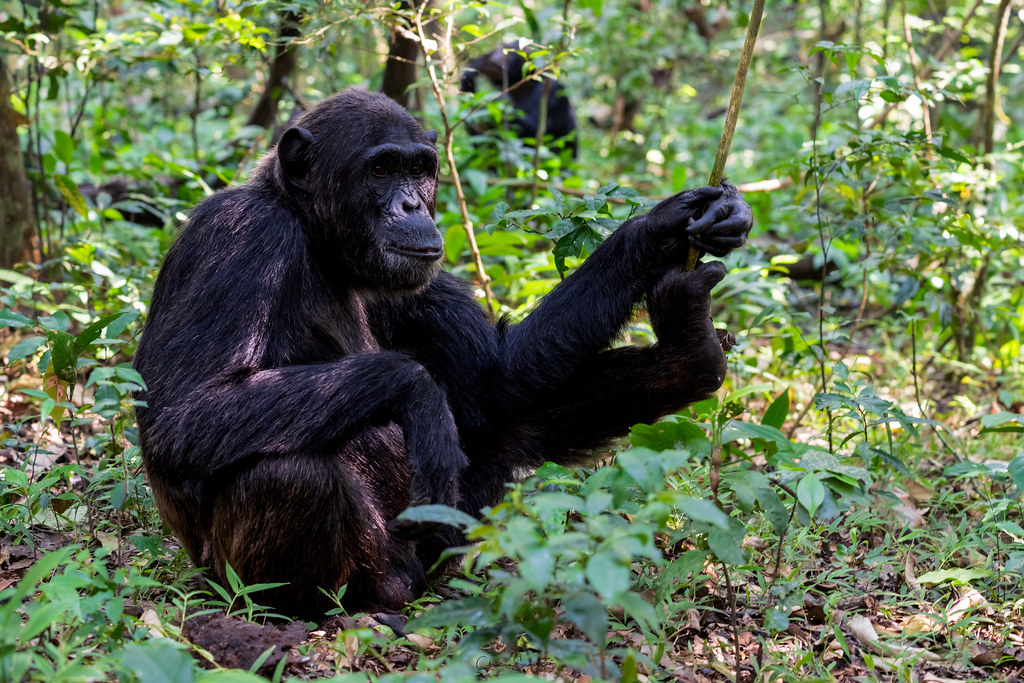
3-Day Tanzania Primate Safari: Chimpanzees, Colobus Monkeys and Forest Wildlife
Introduction: Discover Tanzania’s Incredible Primates in Three Days
A 3-day Tanzania primate safari offers an exciting opportunity to explore the country’s forests, mountains, and protected wildlife habitats while discovering some of East Africa’s most fascinating primates. Although Tanzania is famous for its elephants, lions, leopards, and the Great Migration, it is also home to chimpanzees, colobus monkeys, baboons, vervet monkeys, and other primate species.
From the chimpanzee-rich forests of western Tanzania to the lush mountain forests of the northeast, travelers can experience a different side of Tanzania’s wildlife. A primate-focused trip is particularly rewarding for visitors interested in forest ecosystems, wildlife photography, conservation, and nature-based adventures.
For independent travelers, a self-drive safari in Tanzania provides flexibility when exploring destinations such as Arusha, the Usambara Mountains, and the western chimpanzee reserves. However, some of Tanzania’s most important primate destinations are widely separated, so a three-day itinerary should concentrate on one region.
This guide explores practical options for a 3-day Tanzania primate safari, including chimpanzee trekking in western Tanzania and colobus monkey viewing in the northern highlands.
Which Primates Can You See in Tanzania?
Tanzania supports a remarkable diversity of primates. The species you can encounter depend on the region, habitat, and type of wildlife experience you choose.
Chimpanzees in Western Tanzania
Chimpanzees are among Tanzania’s most sought-after primates. Wild chimpanzees inhabit the forests of western Tanzania, particularly in and around Gombe Stream National Park and Mahale Mountains National Park.
Gombe, located on the eastern shore of Lake Tanganyika, is famous for its long history of chimpanzee research and conservation. Visitors can join guided treks through the forest to look for habituated chimpanzee communities.
Mahale Mountains National Park offers another outstanding chimpanzee experience, combining forest trekking with the scenery of Lake Tanganyika and the surrounding mountains. Reaching Mahale can require additional transport planning, including boat or charter arrangements, depending on the chosen route and season.
Chimpanzee trekking involves walking through natural forest terrain. Sightings are not guaranteed, as chimpanzees move freely through their habitat. Visitors must follow park regulations and the instructions of authorized guides.
Colobus Monkeys in Tanzania
Colobus monkeys are another highlight of Tanzania’s forest habitats. The country is home to several colobus species, including the black-and-white colobus monkeys found in parts of the northern highlands and the Udzungwa Mountains.
The forests around the Arusha region and Mount Kilimanjaro provide opportunities to learn about forest primates, while the Udzungwa Mountains are especially notable for their biodiversity and endemic wildlife.
The exact species you may encounter depend on the location. Guided forest walks can help visitors identify monkeys and understand the role of primates in maintaining healthy forest ecosystems.
Baboons and Vervet Monkeys
Olive baboons and vervet monkeys occur in a variety of habitats across Tanzania. They may be encountered around forest edges, woodland, and some protected areas.
These adaptable primates can sometimes be seen during a broader Tanzania wildlife safari, including trips through northern Tanzania’s wildlife regions. However, a traditional savannah safari is not the same as a dedicated primate-tracking experience.
Always observe primates from a safe distance. Do not feed them, approach them too closely, or leave food unattended around wildlife.
Other Forest Wildlife
Tanzania’s forests support many other animals, including forest birds, butterflies, small mammals, and reptiles. In the Udzungwa Mountains, forest walks offer opportunities to explore an ecosystem known for its exceptional biodiversity.
For travelers who enjoy nature and hiking, combining primate viewing with a forest trek can provide a rewarding alternative to a conventional game-drive safari.
Recommended 3-Day Tanzania Chimpanzee Safari: Gombe Stream National Park
This itinerary focuses on Gombe Stream National Park in western Tanzania. It is best suited to travelers who can arrange transport to Kigoma and allow enough time for the lake transfer and park activities.
Day 1: Arrive in Kigoma and Travel to Lake Tanganyika
Begin your journey in Kigoma, a town on the shores of Lake Tanganyika in western Tanzania. Depending on your starting point, you may arrive by air or overland transport.
After checking in to your accommodation, prepare for the journey to Gombe Stream National Park. Access to the park is generally by boat from Kigoma, and travel time depends on the boat, lake conditions, and arrangements made for your visit.
Enjoy the scenery of Lake Tanganyika, one of Africa’s great lakes, with forested hills rising along the shoreline. After arriving at the park, settle into your accommodation and receive information about the following day’s activities.
Because transport and accommodation options in this remote region are more limited than in northern Tanzania, arrange your logistics well in advance.
Accommodation: Kigoma or accommodation arranged for your park visit.
Main activities: Arrival in western Tanzania, Lake Tanganyika scenery, and preparation for chimpanzee trekking.
Day 2: Chimpanzee Trekking in Gombe Stream National Park
Wake up early for a guided chimpanzee-tracking experience in Gombe Stream National Park.
Accompanied by authorized park staff, enter the forest and follow information from trackers to locate chimpanzees. The trek may involve uneven ground, steep slopes, and humid forest conditions, so good walking shoes and a reasonable level of fitness are recommended.
Once chimpanzees are located, follow the guide’s instructions about viewing distances, permitted observation time, and appropriate behavior. You may have the opportunity to observe chimpanzees feeding, grooming, moving through the trees, or interacting with other members of their community.
Chimpanzee sightings and trekking duration vary according to the animals’ movements and forest conditions. No sighting can be guaranteed.
After the trek, enjoy the forest environment and return to your accommodation. Depending on park arrangements and available time, additional guided walks may be possible.
Accommodation: As arranged for your Gombe visit.
Main activities: Guided chimpanzee trekking, forest exploration, and wildlife observation.
Day 3: Lake Tanganyika and Return to Kigoma
After breakfast, enjoy the surroundings of Lake Tanganyika before returning to Kigoma by boat, according to your confirmed transfer arrangements.
If your departure schedule allows, spend some time exploring Kigoma or enjoying the lakeside scenery before continuing to your next destination.
Travelers with onward international flights should allow sufficient time for the boat transfer and any connecting transport. An additional night in Kigoma may be advisable if flight schedules or lake conditions make a same-day connection difficult.
Main activities: Lake Tanganyika scenery, return boat transfer, and onward travel.
Planning note: A three-day visit to Gombe can be possible with well-coordinated transport and park arrangements, but it may feel rushed. Consider adding a day if your travel connections are limited or you want more time for forest activities.
Alternative 3-Day Tanzania Primate Safari: Arusha and the Northern Highlands
For travelers arriving at Kilimanjaro International Airport or staying in Arusha, a northern Tanzania itinerary can provide a more practical introduction to forest primates without the long journey to western Tanzania.
This option focuses on forest habitats and nature experiences. It is not a guaranteed chimpanzee-tracking itinerary, because wild chimpanzees are not found in the northern Tanzania region.
Day 1: Arusha and the Forests of Northern Tanzania
Begin in Arusha, a major gateway for Tanzania’s northern safari circuit. Collect your rental vehicle or arrange local transport, then travel to a suitable forest destination in the northern highlands.
Depending on your chosen location and current access arrangements, you may explore forest trails, visit a conservation area, or arrange a guided nature walk.
The forests around Mount Meru and other northern highland areas support a range of wildlife and bird species. Some forest locations also offer opportunities to learn about local primates and their habitats.
Confirm the exact destination, access rules, and wildlife-viewing opportunities before booking accommodation.
Accommodation: Arusha or a nearby forest destination.
Day 2: Guided Forest Walk and Primate Observation
Spend the day exploring a suitable forest or nature reserve with an authorized guide.
Look for primates in their natural habitat while learning about forest conservation, native vegetation, and the ecological importance of these environments. Depending on the location, you may encounter colobus monkeys or other monkey species, but sightings are never guaranteed.
You can also include birdwatching, photography, and short hiking excursions where permitted.
If your priority is chimpanzee trekking, consider extending your trip and arranging a separate journey to western Tanzania rather than expecting to see wild chimpanzees in the northern highlands.
Accommodation: Arusha or your selected lodge.
Day 3: Nature Exploration and Return to Arusha
After breakfast, enjoy a final morning activity or a scenic drive through the northern highlands before returning to Arusha.
Depending on your interests, you can extend your journey toward the Arusha National Park area or continue with a wider northern Tanzania wildlife itinerary.
This option is suitable for travelers who want to combine forest exploration with a wider safari holiday while keeping driving distances manageable.
Alternative: Three Days in the Udzungwa Mountains
The Udzungwa Mountains in southern-central Tanzania are an excellent option for travelers interested in forest biodiversity, hiking, and endemic wildlife.
Day 1: Travel to the Udzungwa Mountains
Travel toward the Udzungwa Mountains region, planning your departure according to your starting point. The journey can take several hours, so allow sufficient time for stops and changing road conditions.
Arrive at your accommodation near the park and prepare for a guided forest walk. Confirm the current access requirements and available activities before setting out.
Day 2: Guided Forest Trekking
Spend the day exploring forest trails with an authorized guide. Udzungwa is known for its rich biodiversity, and forest walks offer opportunities to discover native plants, birds, and wildlife.
Depending on the trail and local conditions, you may see monkeys, including colobus monkeys in suitable habitats. However, primate sightings are not guaranteed, and the main attraction may be the forest environment itself.
Choose a trail appropriate for your fitness level and follow all park safety instructions.
Day 3: Morning Nature Walk and Departure
If time allows, enjoy a short morning activity before departing the region. Allow sufficient time for the return drive or onward journey.
This itinerary works well for travelers who prefer hiking and forest ecology over long-distance chimpanzee trekking.
How Much Does a 3-Day Tanzania Primate Safari Cost?
The cost of a three-day primate safari in Tanzania depends on your destination, transport arrangements, accommodation, park fees, and the number of travelers.
A trip to Gombe or Mahale can be more expensive and logistically complex than a short forest excursion near a major town because of remote access and boat or charter transport requirements.
| Safari expense | What to budget for |
|---|---|
| Vehicle rental | Daily rate for your chosen vehicle, where road travel is required |
| Fuel | Depends on your route and vehicle |
| Domestic transport | Flights or other transport to western Tanzania, if needed |
| Boat transfers | Applicable transfers to and from remote lakeside parks |
| Accommodation | Two or more nights, depending on logistics |
| Park and trekking fees | Current park entry and chimpanzee-tracking charges |
| Guide services | Authorized guides or activities where required |
| Meals and drinks | Based on your accommodation and travel arrangements |
Treat this table as a planning guide rather than a confirmed quotation. Park fees, chimpanzee-tracking charges, transport rates, and accommodation prices can change. Confirm current fees and availability directly with the relevant park authorities and service providers before paying.
For a more economical trip, choose one region, avoid unnecessary transfers, and compare the full cost of transport and accommodation rather than looking only at the daily vehicle rental rate.
Self-Drive Tanzania Primate Safari
A self-drive safari in Tanzania gives you the freedom to explore the country at your own pace and combine forest experiences with wildlife parks, cultural attractions, and scenic road trips.
For destinations in northern Tanzania, a rental vehicle can make it easier to travel between Arusha, nearby forest areas, and your chosen accommodation. A suitable 4×4 car rental in Tanzania may be useful when your route includes rough roads or challenging conditions, although the right vehicle depends on your exact itinerary.
Remote western destinations require additional planning. Driving alone does not eliminate the need for domestic transport, boat transfers, park permits, or authorized guides. Gombe and Mahale are not ordinary drive-in safari destinations, so confirm all transport connections before setting out.
Before booking a vehicle, check the rental agreement, insurance coverage, breakdown assistance, mileage policy, and permission to visit your intended destinations. Plan fuel stops carefully, especially when traveling through less populated areas.
For travelers planning a wider road trip, explore our Tanzania self-drive safari itineraries and 4×4 car rental in Tanzania options.
Best Time for a Tanzania Primate Safari
The best time for a Tanzania primate safari depends on your destination and preferred activities.
Western Tanzania’s forest environments can be visited in different seasons, but rainfall affects trail conditions, accessibility, and trekking comfort. The drier periods are often preferred for hiking, although conditions vary and wildlife sightings remain unpredictable.
Northern Tanzania’s highland forests can be cooler than the lowlands, particularly in the early morning. The Udzungwa Mountains also experience seasonal rainfall, which can affect trail conditions.
Before departure, check current weather forecasts, park notices, road conditions, and trekking availability. Choose accommodation and transport that fit your schedule, especially when your trip involves boats or domestic flights.
What to Pack for a Three-Day Tanzania Primate Safari
Prepare the following essentials for your trip:
- Comfortable hiking boots with good grip.
- Long trousers and lightweight, long-sleeved clothing.
- A waterproof jacket and a small daypack.
- Drinking water and any permitted snacks.
- Insect repellent and sunscreen.
- A hat and binoculars.
- A camera or phone, following park photography rules.
- Your passport and confirmed booking details.
- Personal medication and basic travel supplies.
- A small dry bag if your itinerary includes boat transfers.
For forest trekking, choose clothing that protects your legs and arms from vegetation and insects. Follow all instructions from park guides and maintain the required distance from wildlife.
Frequently Asked Questions About Tanzania Primate Safaris
Is three days enough for a Tanzania primate safari?
Yes, if you focus on one region and arrange transport in advance. Three days can work for a carefully planned visit to Gombe or for a forest-focused itinerary in northern or southern-central Tanzania. Remote destinations may require additional days because of travel connections.
Where can I see chimpanzees in Tanzania?
Gombe Stream National Park and Mahale Mountains National Park in western Tanzania are two of the country’s best-known destinations for chimpanzee trekking. Access, permits, accommodation, and transport should be arranged before travel.
Can I see chimpanzees in northern Tanzania?
Northern Tanzania is not a wild chimpanzee-tracking destination. If chimpanzees are your main priority, plan a trip to Gombe or Mahale in western Tanzania.
Can I see colobus monkeys in Tanzania?
Yes. Colobus monkeys occur in several Tanzanian forest habitats, including areas in the northern highlands and the Udzungwa Mountains. Sightings depend on the specific location, season, and animal movements.
Can I do a Tanzania primate safari without a driver?
Yes. You can self-drive between suitable destinations where roads and access arrangements allow. However, chimpanzee trekking and many forest activities require authorized guides, and remote parks may also require boat transfers or other organized transport.
Are chimpanzee sightings guaranteed?
No. Chimpanzees are wild animals that move freely through the forest. Experienced trackers can help locate them, but sightings and trekking durations cannot be guaranteed.
Can I combine a primate safari with Tanzania’s famous national parks?
Yes. You can combine forest activities with a wider Tanzania wildlife safari, including destinations in the northern or southern safari circuits. Allow enough time for long-distance travel, and choose your route according to the activities you want to prioritize.
Is a 4×4 vehicle necessary for a Tanzania primate safari?
Not for every itinerary. A suitable standard vehicle may be adequate for some main roads and nearby destinations. A 4×4 can be helpful on rough roads or in challenging weather, but it does not replace the boats, flights, permits, or guides required for certain remote parks.
Book Your 3-Day Tanzania Primate Safari
Discover another side of Tanzania with a primate-focused adventure through forest habitats, mountain landscapes, and the shores of Lake Tanganyika.
Whether you are interested in chimpanzee trekking in western Tanzania, colobus monkeys in forested regions, or a nature-focused self-drive journey from Arusha, careful planning will help you make the most of your time.
Contact our team to discuss Tanzania car rental, suitable vehicle options, and a self-drive safari in Tanzania tailored to your travel dates, budget, and preferred destinations.