
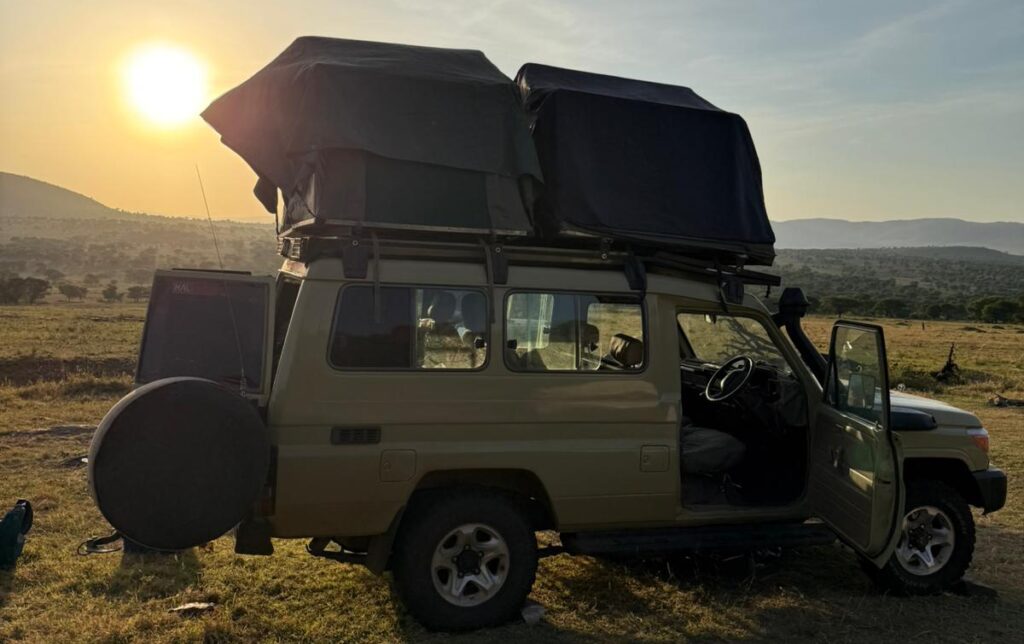
Camping in Tarangire National Park, Tanzania: Sleeping Under the Baobab Trees
When travellers think of a safari in Tanzania, the Serengeti and Ngorongoro Crater are often the first destinations that come to mind. However, just a few hours from Arusha lies another remarkable wildlife destination where ancient baobab trees dominate the landscape, elephants roam across open plains, and the African wilderness comes alive at sunrise and sunset.
Welcome to Tarangire National Park, one of Tanzania’s most rewarding destinations for a camping safari.
Located in northern Tanzania, approximately 120–140 kilometres southwest of Arusha by road, Tarangire covers about 2,850 square kilometres. The park is famous for its enormous baobab trees, large elephant herds, seasonal swamps, and the Tarangire River, which becomes an important source of water during the dry season.
Camping in Tarangire offers a different experience from staying in a lodge. Instead of returning to a conventional hotel after a game drive, you can spend the night surrounded by the sights and sounds of the African bush. Depending on your campsite, you may enjoy views of the savannah, watch the sunset behind the baobabs, and wake up to birdsong before heading out to look for wildlife.
Whether you are planning a budget safari, a photographic adventure, or an independent road trip, camping in Tarangire National Park is an excellent way to experience Tanzania’s wilderness while keeping your itinerary flexible.
Discover Tarangire National Park: Tanzania’s Elephant Country
Tarangire is particularly famous for its elephants. During the dry season, large numbers of elephants and other animals gather around the Tarangire River and remaining water sources, making the park an excellent destination for wildlife viewing.
The landscape is one of Tarangire’s greatest attractions. Ancient baobabs rise above the grasslands, acacia trees provide shade, and seasonal wetlands attract a variety of birds and mammals.
Wildlife commonly encountered includes elephants, giraffes, zebras, wildebeest, buffaloes, impalas, waterbucks, and warthogs. Lions are regularly sought by safari visitors, while leopards and cheetahs may also be seen. Sightings vary according to season, location, and luck.
Tarangire is also an excellent destination for birdwatching, with a wide variety of species inhabiting its woodlands, grasslands, and wetlands.
One of the park’s most important ecological features is the Tarangire River. During dry periods, animals from the surrounding landscape move towards the river and other reliable water sources. This seasonal concentration of wildlife can make game drives particularly rewarding.
For travellers exploring northern Tanzania, Tarangire is often combined with Lake Manyara National Park, Ngorongoro Crater, and the Serengeti National Park to create a multi-day safari itinerary.
The Camping Experience in Tarangire National Park
Camping in Tarangire allows you to experience the park beyond its daytime game drives. The experience depends on your chosen campsite, the facilities available, and whether you bring your own camping equipment or arrange it through a safari operator.
Some travellers prefer public campsites with basic facilities, while others choose more private camping arrangements or established tented camps. The appropriate option depends on your budget, comfort preferences, and itinerary.
A typical camping safari begins with an early departure from Arusha or another nearby destination. After travelling to the park and completing the required entry procedures, you can spend the day exploring the wildlife-rich plains before arriving at your authorised campsite.
If you are travelling with a rooftop tent, you can set up your sleeping area at the designated camping location. Travellers using ground tents should check the site’s facilities, including toilets, showers, water supply, and permitted cooking arrangements.
As evening approaches, the landscape changes colour and the temperature begins to fall. After a day of wildlife viewing, you can prepare dinner where permitted, relax at your campsite, and enjoy the atmosphere of the African bush.
At dawn, the park’s birds provide a natural wake-up call. Early morning is also a rewarding time to explore the savannah, when the light is excellent for photography and wildlife may be active.
For independent travellers, Tanzania self-drive safaris offer flexibility in planning game drives and combining Tarangire with other destinations in the northern safari circuit.
However, camping inside a national park requires proper preparation. Wildlife can move close to campsites, so visitors must remain within designated areas and follow all instructions from park staff.
Things to Know Before Camping in Tarangire
Before making a reservation, confirm the exact location of your campsite and the facilities provided. Campsites within national parks can differ considerably from private campsites outside the park.
Check whether your selected campsite provides:
- Toilets and shower facilities.
- Drinking water.
- Designated cooking areas.
- Firewood or permitted cooking facilities.
- Waste disposal arrangements.
- Vehicle parking and access.
- Tents, mattresses, or other camping equipment, if required.
Do not assume that food, bedding, cooking utensils, or drinking water will be provided. Ask the campsite operator or park authorities for a complete list of facilities and what you need to bring.
Wild animals may move through the areas surrounding campsites. Follow park regulations, do not approach wildlife, and never walk away from your camping area at night unless instructed by authorised personnel.
If you are hiring a vehicle, confirm that your rental includes the camping equipment you require and that the vehicle is suitable for the roads you intend to travel.
A 4×4 car rental with a rooftop tent in Tanzania can be convenient for travellers who want to combine independent driving with outdoor accommodation.
What to Pack for a Tarangire Camping Safari
The right equipment makes a significant difference to your comfort during a camping safari.
Sleeping equipment: Bring a suitable tent or rooftop tent, mattress, sleeping bag, and warm bedding. Early mornings and evenings can be cool, particularly during the dry season.
Food and drinking water: Carry sufficient supplies for your stay, especially if your campsite does not provide meals. Confirm whether drinking water is available before departure.
Cooking equipment: If you intend to prepare your own meals, bring a suitable camping stove, cooking utensils, plates, cups, and cleaning supplies. Use open fires only where expressly permitted.
Lighting and warm clothing: A headlamp, torch, spare batteries, fleece, and jacket are useful after sunset and before sunrise.
Sun and insect protection: Pack sunscreen, insect repellent, a hat, sunglasses, and comfortable closed shoes.
Wildlife viewing equipment: Binoculars and a camera with a zoom lens will help you appreciate the park’s animals and birdlife.
Vehicle and safety equipment: For self-drive travellers, check the spare tyre, jack, tyre-pressure equipment, first-aid kit, and recovery equipment. Know how to contact your rental provider or the relevant park authorities in an emergency.
If you are renting a camping vehicle, ask whether it includes a fridge or cooler, cooking utensils, a stove, camping chairs, a table, bedding, and other essentials.
A well-equipped 4×4 rooftop tent safari in Tanzania makes it easier to travel between destinations while carrying your camping equipment.
Where to Camp in Tarangire National Park
Tarangire has different camping and accommodation options, including designated campsites managed under Tanzania National Parks (TANAPA) arrangements, special camping areas, and established tented camps.
Facilities and booking conditions differ between locations. Some campsites offer basic facilities, while private tented camps may include furnished tents, meals, and additional services.
The following options illustrate the types of camping experiences to consider when planning your stay. Confirm the current operating status, location, facilities, and reservation requirements before travelling.
1. Public Campsites
Public campsites are worth considering for travellers who want a straightforward camping experience without paying for a fully serviced lodge or luxury tented camp.
Facilities are generally simpler than those at established safari accommodation. Depending on the particular site, you may need to bring your own tent, sleeping equipment, food, drinking water, and cooking supplies.
Public camping can be attractive to independent travellers and those on a budget. However, check which facilities are available and whether you need to reserve a campsite in advance.
For a self-drive adventure, public campsites can provide a practical base for exploring different parts of Tarangire, subject to the park’s access rules and your approved itinerary.
2. Special Campsites
Special campsites can appeal to travellers seeking a more private camping experience. Depending on the location and the applicable TANAPA arrangements, a special campsite may be reserved for exclusive use by a group or safari party.
These sites can offer a greater sense of privacy, but facilities may be limited. Visitors should not assume that toilets, showers, running water, cooking equipment, or other services are available at every location.
Ask the park authorities about the precise location, reservation procedure, minimum requirements, and current charges before choosing this option.
Special campsites may suit travellers who want to enjoy the wilderness with family or friends and who are prepared to bring their own equipment.
3. Established Tented Camps
Travellers who want to experience the Tarangire landscape without organising every aspect of camping can consider established tented camps.
Depending on the property, accommodation may include furnished tents, beds, private bathrooms, meals, and other services. Some properties are located inside the park, while others are outside its boundaries.
This option can offer a balance between being close to nature and enjoying additional comfort. It is particularly suitable for visitors who do not have their own camping equipment or who prefer not to prepare meals independently.
Check the property’s exact location, meal arrangements, and whether park entry fees and transfers are included in the quoted rate.
4. Camping Outside the Park
Camping outside Tarangire can be another practical option, particularly for travellers seeking lower accommodation costs or more flexibility with their route.
Campsites and accommodation in the surrounding area may offer different facilities, prices, and vehicle arrangements. However, staying outside the park means you must account for travel time to the entrance and comply with park entry and operating rules.
This option can work well for travellers combining Tarangire with nearby destinations or staying in the region for several nights.
When comparing campsites, consider the total cost of accommodation, park fees, transport, and the time needed to reach your preferred wildlife-viewing areas.
How Much Does Camping in Tarangire National Park Cost?
The cost of camping depends on the campsite category, visitor status, and whether you are booking a basic camping area, a special campsite, or a fully serviced tented camp.
TANAPA fees and accommodation charges are separate items, and the exact amount depends on the applicable tariff and booking conditions.
For this reason, it is best to obtain a current quotation directly from the park authorities or your accommodation provider rather than relying on a single fixed camping price.
Your camping safari budget should include:
- Camping fees or tented accommodation charges.
- Tarangire National Park entry fees.
- Applicable vehicle and other park charges.
- Rental vehicle and fuel.
- Food and drinking water.
- Camping equipment hire, if needed.
- Guided activities, where applicable.
- Accommodation before or after your park visit.
Understanding Park Entry Fees
Park entry fees are separate from campsite fees. Visitors may be charged according to nationality or residency status, age, and the applicable tariff. Vehicle and other activity charges may also apply.
Confirm the current TANAPA rates for your travel dates and visitor category before making payment. If you are visiting several national parks, check whether each park requires separate entry arrangements.
For a more accurate budget, calculate the cost according to the number of travellers, the number of nights spent camping, your vehicle arrangements, and the activities you intend to book.
The Best Time to Go Camping in Tarangire National Park
Tarangire can be visited throughout the year, but seasonal changes influence wildlife distribution, road conditions, and camping comfort.
June to October: The Dry Season
The dry season is generally one of the most rewarding periods for wildlife viewing in Tarangire.
As water becomes less widely available across the surrounding landscape, many animals gather near the Tarangire River and other reliable water sources. Large elephant herds can be particularly impressive during this period.
Dry conditions can also make some roads easier to navigate and improve visibility across open grasslands.
These months are popular with safari travellers, so reserve accommodation and campsites early. Bring warm clothing for the cooler hours of the morning and evening.
November to December: The Short Rains
The short rains usually occur around November and December, although timing and intensity vary from year to year.
The landscape begins to turn green, creating attractive scenery for photography and birdwatching. Wildlife distribution can change as seasonal water and grazing become more widely available.
Travellers camping during this period should prepare for occasional rain and check road conditions before setting off.
January to February: Warm Weather and Wildlife Viewing
January and February can be good months for exploring Tarangire, with generally warm conditions and opportunities for wildlife viewing.
The park may offer a different atmosphere from the main dry-season period, and travellers can combine their visit with other northern Tanzania destinations.
Wildlife sightings vary with local conditions, so plan your game drives flexibly rather than expecting animals to be in a particular location.
March to May: The Long Rains
The long rains typically occur between March and May. During this period, Tarangire can become lush and green, but rain may make some roads muddy and more difficult to navigate.
If you plan to camp during the rainy season, bring waterproof equipment, suitable footwear, and warm clothing. Make sure your vehicle is appropriate for the expected conditions and follow all park guidance about road access.
A rooftop tent can provide a practical sleeping arrangement, but it does not eliminate the challenges of driving or camping in heavy rain.
Things to Do in Tarangire Besides Camping
Camping is only one part of the Tarangire experience. The park offers several activities and wildlife-viewing opportunities that can make your visit memorable.
Game Drives
Game drives are the main attraction for most visitors to Tarangire.
The park’s diverse landscapes provide opportunities to see elephants, giraffes, zebras, wildebeest, buffaloes, antelopes, and predators such as lions. Leopards and cheetahs may also be encountered, although sightings are never guaranteed.
Early morning and late afternoon can provide excellent light for photography and rewarding wildlife-viewing opportunities.
Self-driving visitors must remain on permitted roads and follow park regulations. A knowledgeable guide can help identify animals, explain their behaviour, and interpret the landscape.
For independent travellers, self-drive safaris in Tanzania offer flexibility, but you should ensure your vehicle, route, and itinerary comply with park requirements.
Elephant Watching
Tarangire is particularly well known for its elephants. The park’s open plains, woodlands, and riverine habitats provide opportunities to observe elephants feeding, moving between water sources, and interacting within family groups.
During the dry season, elephants may congregate around the Tarangire River in impressive numbers.
Always maintain a safe distance and follow your guide’s or park staff’s instructions. Never approach elephants on foot or attempt to block their movement.
Birdwatching
Tarangire’s varied habitats support a wide range of bird species, making it a rewarding destination for birdwatchers.
The park’s woodlands, grasslands, and wetlands attract different species throughout the year. Visitors may encounter hornbills, raptors, kingfishers, starlings, and many other birds.
Bring binoculars and a camera, and consider travelling with a guide if birdwatching is a major priority.
Photography and Baobab Landscapes
Tarangire’s ancient baobabs are among its most distinctive features. Their enormous trunks and unusual silhouettes create dramatic scenes, particularly when photographed in the soft light of early morning or late afternoon.
The combination of baobab trees, elephants, open plains, and changing skies makes the park attractive to wildlife photographers and travellers who enjoy landscape photography.
Always photograph wildlife from a safe distance and avoid disturbing animals to obtain a picture.
Combine Tarangire with Other Northern Tanzania Parks
Tarangire is an excellent starting point for a longer northern Tanzania safari.
Many visitors combine it with Lake Manyara National Park, Ngorongoro Crater, and Serengeti National Park. The route can be adapted to your available time, interests, and budget.
If you are planning a multi-park camping adventure, explore Tanzania camping safaris, northern Tanzania self-drive itineraries, and 4×4 car rental with a rooftop tent to help organise your transport and accommodation.
Planning a Tarangire Self-Drive Camping Safari
A self-drive camping safari offers independence, flexibility, and the opportunity to explore Tanzania at your own pace. However, preparation is essential, particularly if you intend to visit several national parks.
Start by deciding how many nights you want to spend in Tarangire and whether you will camp inside the park, stay at a tented camp, or use accommodation outside the entrance.
Next, confirm your campsite reservations, park fees, entry procedures, and vehicle arrangements. If you are renting a vehicle, ensure that it is suitable for your route and that your insurance covers the intended use.
For a rooftop tent camping trip, ask whether the rental includes:
- A reliable 4×4 vehicle.
- A rooftop tent and mattress.
- Sleeping bags and bedding.
- A fridge or cooler.
- Cooking utensils and a stove.
- A table and camping chairs.
- A spare tyre and basic recovery equipment.
- Roadside assistance and emergency support.
Check all inclusions in writing before paying a deposit.
Allow enough time for driving between parks, and remember that game drives should be planned around official opening hours and park regulations. Do not assume that you can drive anywhere in the park or remain out after the permitted hours.
For travellers arriving through Kilimanjaro International Airport or Arusha, Tarangire can be incorporated into an itinerary that continues towards Ngorongoro and Serengeti.
Frequently Asked Questions About Camping in Tarangire National Park
1. Can you camp inside Tarangire National Park?
Yes. Tarangire has designated camping arrangements, including public and special campsites, subject to current park rules and availability. Facilities differ by location, so confirm the site details and reservation requirements with TANAPA before travelling.
2. How much does camping in Tarangire cost?
The cost depends on the campsite category, visitor status, and applicable tariff. Camping charges are separate from park entry fees, vehicle charges, and equipment hire. Request a current quotation before booking.
3. Is camping in Tarangire safe?
Camping is possible when visitors follow park regulations and safety instructions. Wild animals may move near camping areas, so remain in designated places, secure food, and never approach wildlife or walk around at night without authorised guidance.
4. Can I visit Tarangire with a rooftop tent?
A rooftop tent can be a convenient option for travellers who want to combine transport and accommodation. Confirm that the vehicle is suitable for your route and that you can use the tent at your selected authorised campsite.
5. When is the best time to camp in Tarangire?
June to October is generally a favourable period for wildlife viewing because animals often gather near the Tarangire River and other water sources. January and February can also be good options, while the rainy seasons offer greener scenery but may bring more challenging road conditions.
6. What animals can I see in Tarangire?
Tarangire is especially famous for elephants. Visitors may also see giraffes, zebras, wildebeest, buffaloes, antelopes, lions, and a wide variety of birds. Leopards and cheetahs may be encountered, but sightings depend on local conditions and luck.
7. Can I self-drive in Tarangire National Park?
Self-driving may be possible with a suitable vehicle and the required park arrangements. Visitors must follow park regulations, stay on permitted roads, and observe all operating hours and wildlife safety instructions.
8. What should I pack for a Tarangire camping safari?
Bring suitable sleeping equipment, warm clothing, a waterproof jacket, food, drinking water, lighting, insect repellent, sunscreen, binoculars, and a camera. Check which facilities and equipment are available at your campsite before departure.
9. Can I combine Tarangire with Serengeti and Ngorongoro?
Yes. Tarangire is commonly combined with Ngorongoro Crater, Serengeti National Park, and sometimes Lake Manyara. Allow enough time for road transfers, game drives, park entry arrangements, and overnight stays.
10. Is a 4×4 necessary for camping in Tarangire?
A suitable 4×4 is a practical choice for many self-drive safari itineraries, particularly when travelling on rough roads or during the rainy season. The right vehicle depends on your route, the current road conditions, and the requirements of the park and campsite.
Ready to Camp Under the Tarangire Stars?
Tarangire National Park offers a distinctive camping experience, with ancient baobabs, impressive elephant herds, seasonal wetlands, and the quiet beauty of the African savannah.
Whether you are travelling as a couple, with family, or with friends, camping gives you the freedom to spend more time outdoors and explore Tanzania’s northern safari circuit at your own pace.
Contact our team to discuss your travel dates, vehicle requirements, camping equipment, and preferred route. We can help you organise a practical camping adventure that matches your budget and travel style.
Pack your tent, prepare your camera, and get ready to discover the elephants, baobabs, and spectacular wilderness of Tarangire National Park.