
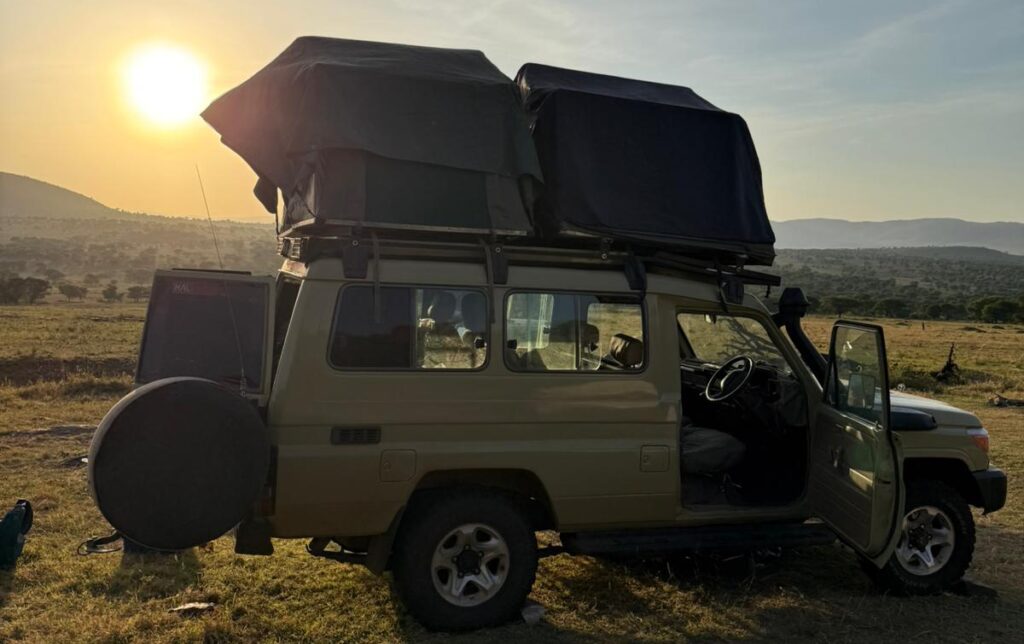
Essential Tips for an Unforgettable Self-Drive Adventure in Tanzania
Tanzania is one of Africa’s most rewarding destinations for travellers who want to experience the freedom of a self-drive safari. While guided safaris remain the most popular way to explore the country’s national parks, driving yourself offers a different kind of adventure. You can choose your own route, decide where to stop, spend more time at an interesting wildlife sighting and discover Tanzania at your own pace.
From the busy streets of Dar es Salaam and the safari gateway of Arusha to the vast plains of the Serengeti, the spectacular Ngorongoro Conservation Area, the elephant-rich landscapes of Tarangire and the remote wilderness of Ruaha, Tanzania offers an enormous variety of experiences for independent travellers.
A self-drive journey can also take you beyond the famous northern safari circuit. Travellers with more time can explore Lake Victoria, the Usambara Mountains, the southern highlands, Nyerere National Park, Mikumi, Udzungwa and Ruaha, or continue towards the coast and Zanzibar.
However, Tanzania is a large country, and driving conditions can change considerably between major highways, rural roads and national park tracks. A successful self-drive safari requires careful planning, a capable vehicle and a good understanding of park regulations.
Here are the essential tips every traveller should know before setting out on a self-drive adventure in Tanzania.
1. Choose the Right 4×4 Vehicle
The vehicle is one of the most important parts of your Tanzanian self-drive adventure.
Although Tanzania’s major highways connecting cities and towns are generally paved, many roads inside national parks and remote tourism areas are unpaved. Safari tracks can be dusty, rocky, sandy, muddy and heavily rutted depending on the location and season.
For a serious safari itinerary, a 4×4 vehicle with good ground clearance is strongly recommended.
Toyota Land Cruisers and other safari-ready four-wheel-drive vehicles are particularly well suited to Tanzania’s terrain. A capable 4×4 gives you greater confidence when driving through rough sections and during the rainy season.
If your itinerary includes the Serengeti, Ngorongoro, Tarangire, Ruaha or other remote parks, do not choose a vehicle simply because it is cheap. Reliability, ground clearance, tyre condition and recovery equipment are much more important than saving a small amount on the daily rental price.
Before collecting your vehicle, inspect the tyres, spare wheel, jack, recovery equipment, lights and basic tools.
2. Prepare Your Driving Documents
Before beginning your journey, make sure you have all the necessary documents.
International travellers should carry their valid driving licence, passport and vehicle rental documentation. Depending on your nationality and circumstances, an International Driving Permit or other documentation may also be required, so confirm the current requirements with your rental company before arrival.
Keep your rental agreement and insurance information accessible throughout the journey.
If you intend to cross into Kenya, Uganda, Rwanda, Zambia, Malawi, Mozambique or another neighbouring country, inform the rental company in advance. Cross-border travel normally requires additional permissions, insurance arrangements and vehicle documentation.
Do not assume that a vehicle rented in Tanzania can automatically cross an international border.
3. Understand Tanzanian Speed Limits
Tanzania has different speed limits depending on the type of road and location. Always follow posted signs and adjust your speed according to road conditions.
On highways and major roads, traffic can include buses, trucks, motorcycles, pedestrians, cyclists and livestock. Even where the legal speed limit allows faster driving, road conditions may require you to slow down.
Take particular care when passing through towns and villages.
Inside national parks, speeds are much lower and park regulations must be followed. Safari tracks can be uneven, and wildlife can appear on the road without warning.
Driving slowly is not only safer—it also makes for a better safari.
At a slower pace, you have more time to spot lions resting in the grass, elephants crossing the road, giraffes feeding near the track or smaller animals that you might otherwise miss.
4. Stay on Designated Roads and Tracks
Tanzania’s national parks are protected ecosystems, and visitors are expected to follow designated routes and park regulations.
Do not drive off-track simply to get closer to an animal.
Off-road driving can damage vegetation, disturb wildlife and cause erosion. It can also result in penalties and other problems with park authorities.
In areas such as the Serengeti and Ngorongoro, staying on authorised routes is particularly important because of the sensitivity and importance of these ecosystems.
If an animal is close to the road, remain patient. Wildlife often moves naturally towards or across safari tracks.
The best safari encounters are not necessarily the ones where you drive closest to the animal. Sometimes simply stopping, switching off the engine and waiting quietly produces a much better experience.
5. Respect Park Opening and Closing Times
Tanzania’s national parks operate according to specific entry and exit regulations.
Plan your game drives carefully so that you have enough time to return to the appropriate gate or designated accommodation before the required closing time.
Do not leave your return journey until the last possible moment. Safari roads can be slow, and an unexpected wildlife sighting, puncture or difficult road section can delay you.
Early mornings are often excellent for wildlife viewing. Temperatures are cooler, predators may still be active and many animals are beginning their day.
Late afternoon is also productive as temperatures fall and animals become more active.
Planning your day around park hours will allow you to enjoy your safari without unnecessary pressure.
6. Fuel Up Before Entering Remote Areas
Fuel planning is essential in Tanzania.
Fuel stations are widely available in major towns, but they become increasingly scarce as you move into remote areas.
Always fill your tank before entering a national park or beginning a long journey through sparsely populated regions.
This is particularly important when travelling through areas such as the Serengeti, Ruaha, western Tanzania or remote sections of the southern safari circuit.
If you are planning a multi-day journey away from fuel stations, discuss your requirements with the rental company. Depending on the route and vehicle, carrying an approved reserve fuel supply may be advisable.
Never assume that you will find fuel when the tank becomes low.
Running out of fuel in a remote part of Tanzania can result in expensive recovery, significant delays and potentially additional park-related costs.
7. Carry Essential Safety and Recovery Equipment
A well-equipped vehicle gives you much greater confidence when travelling independently.
Before leaving the rental office, confirm that your vehicle has appropriate safety and recovery equipment.
Useful equipment includes:
- Warning triangle
- Fire extinguisher
- First-aid kit
- Spare tyre or tyres
- Jack and wheel-changing tools
- Tyre compressor
- Recovery straps or suitable recovery equipment
- Basic vehicle tools
- Drinking water
- Power bank
- Fully charged mobile phone
For longer self-drive safaris, carrying two spare wheels can be particularly useful depending on the vehicle, route and rental company’s recommendations.
Ask your rental company to demonstrate how the vehicle’s four-wheel-drive system works and where the spare wheel, jack and tools are located.
It is much better to learn these things before entering the wilderness.
8. Take Tyre Problems Seriously
Punctures are among the most common problems encountered on long African road journeys.
Sharp rocks, rough tracks, low tyre pressure and extended driving on uneven surfaces can all increase the risk of a puncture.
Before starting a long safari, check your tyre pressure and inspect the tyres for visible damage.
If you are travelling on rough tracks, follow the rental company’s recommended tyre pressures rather than simply using the same pressure you would use on paved highways.
If you experience a puncture, find a safe location away from wildlife and traffic before changing the wheel.
Travellers heading into particularly remote areas should discuss tyre and recovery arrangements with their rental company before departure.
9. Carry Enough Water and Supplies
Tanzania’s remote safari areas can be far from shops, restaurants and services.
Carry enough drinking water for everyone in the vehicle and keep a reserve for unexpected delays.
Other useful supplies include:
- Snacks
- Sunscreen
- Insect repellent
- Hat
- Sunglasses
- Personal medication
- Torch or headlamp
- Power bank
- Basic toiletries
If you are camping, your preparations need to be more extensive. Carry enough food, drinking water, cooking supplies and camping equipment for your planned route.
Never rely on finding supplies in the middle of a remote national park.
10. Be Prepared for Long Distances
Tanzania is a large country, and distances between destinations can be considerable.
One of the most common mistakes made by first-time self-drive travellers is underestimating how long journeys will take.
A route that looks manageable on a map can take much longer because of road conditions, traffic, wildlife stops, construction, weather and rough tracks.
If you are planning a northern circuit, for example, do not try to combine too many destinations into a short itinerary.
The same applies to southern Tanzania. Travelling between Dar es Salaam, Mikumi, Udzungwa, Ruaha and other destinations requires sufficient time.
Build flexibility into your itinerary and avoid scheduling important activities immediately after a long driving day.
11. Avoid Unnecessary Night Driving
Night driving in Tanzania requires considerably more caution than daytime driving.
Outside major towns, roads may have limited lighting, while pedestrians, bicycles, motorcycles, livestock and other vehicles can appear unexpectedly.
Wild animals can also move across roads after dark.
For this reason, it is generally better to complete long journeys during daylight hours.
If a delay means you cannot safely reach your planned destination before dark, consider stopping at suitable accommodation rather than continuing simply to maintain your original schedule.
Your safety is more important than keeping to an overly ambitious timetable.
12. Consider Hiring a Local Guide for Part of Your Safari
Self-drive does not mean you have to handle every aspect of your safari alone.
A local guide can add considerable value, particularly in wildlife-rich areas.
Experienced guides understand animal behaviour, seasonal wildlife movements, park roads and recent sightings. They can also identify tracks, birds and smaller wildlife that inexperienced visitors might miss.
One excellent option is to combine self-driving with a guided game drive.
You can drive yourself between destinations and then arrange a guided experience inside a particular park.
This provides the independence of self-drive travel while giving you access to local knowledge when you need it most.
13. Explore More Than the Famous Northern Circuit
Tanzania’s most famous safari destinations are found in the northern circuit, but independent travellers should not overlook the rest of the country.
Serengeti National Park
The Serengeti is one of Africa’s greatest wildlife destinations and is famous for its huge savannah landscapes and the annual Great Migration.
Ngorongoro Conservation Area
The Ngorongoro landscape combines spectacular scenery with exceptional wildlife viewing, including the famous Ngorongoro Crater.
Tarangire National Park
Tarangire is renowned for elephants, large baobab trees and seasonal concentrations of wildlife around water.
Ruaha National Park
Ruaha provides a more remote safari experience and is particularly appealing to travellers looking for fewer visitors and extensive wilderness.
Nyerere National Park
Formerly known as the Selous Game Reserve, Nyerere offers a combination of wildlife, rivers, wetlands and boat-based experiences.
Mikumi National Park
Mikumi is relatively accessible from Dar es Salaam and can be a convenient addition to a southern Tanzania itinerary.
Exploring beyond the best-known parks can provide a more varied and less crowded safari experience.
14. Don’t Miss Activities Beyond Game Drives
A self-drive safari does not have to consist entirely of driving around looking for animals.
Tanzania offers numerous activities that can complement a road trip.
Boat Safaris
In destinations such as Nyerere National Park, boat trips offer opportunities to see hippos, crocodiles and waterbirds from a completely different perspective.
Walking Safaris
Where permitted and organised by authorised operators, walking experiences provide an opportunity to understand the smaller details of the ecosystem.
Cultural Experiences
Meeting local communities can add an important cultural dimension to a wildlife-focused journey.
Hiking
The mountains and highlands of Tanzania offer opportunities for hiking and trekking, including areas around Mount Kilimanjaro, Mount Meru and the Usambara Mountains.
Beach Experiences
A safari can be combined with time on the Indian Ocean coast or Zanzibar, creating a trip that combines wildlife, adventure and relaxation.
15. Check the Season Before You Book
Tanzania is a year-round destination, but seasonal conditions can influence your self-drive experience.
The main dry season generally runs from June to October, while another relatively dry period occurs around January and February.
During dry periods, many unpaved roads are firmer and wildlife may concentrate around reliable water sources.
The rainy seasons bring greener landscapes and can produce excellent photographic conditions. However, heavy rainfall can make some dirt roads muddy and challenging.
For self-drive travellers, the important thing is to understand the conditions expected during your travel dates.
A good 4×4 and flexible itinerary can make wet-season travel possible, but some routes may require additional planning.
16. Plan Your Great Migration Safari Carefully
If the Great Migration is one of your main reasons for visiting Tanzania, allow enough time and avoid relying on an exact calendar date.
The migration is a natural phenomenon, and the movement of wildebeest and other animals changes according to rainfall, grazing conditions and other environmental factors.
The Serengeti can provide exceptional wildlife viewing throughout the year, but different parts of the ecosystem become more productive at different times.
If the migration is your priority, research the expected seasonal movements and discuss your route with a knowledgeable local rental or safari company.
Allowing several days in the Serengeti gives you more flexibility to explore different areas rather than relying on a single game-drive day.
17. Be Careful Around Wildlife at Campsites and Lodges
Many Tanzanian safari camps are located within or close to wildlife habitats.
Wild animals may move through camp areas, especially at night.
Always follow instructions from camp staff and do not walk around after dark unless you have been told it is safe or you have an escort.
Never leave food or rubbish lying around your campsite.
Remember that a national park is not a zoo. Animals have no obligation to remain away from human accommodation.
Respecting their space is an essential part of responsible safari travel.
18. Keep Your Distance From Wildlife
One of the great advantages of a self-drive safari is the ability to spend more time at an interesting wildlife sighting.
However, patience is more important than proximity.
Do not crowd animals or follow them aggressively when they are trying to move away.
Avoid blocking other safari vehicles and give animals a clear path whenever possible.
If several vehicles are gathered around a sighting, be patient and follow park regulations.
A responsible safari is one where wildlife remains comfortable and natural behaviour is allowed to continue.
19. Download Maps and Prepare for Limited Network Coverage
Mobile connectivity is available across much of Tanzania, but remote safari areas can have limited or no network coverage.
Before leaving major towns, download offline maps and save important locations.
Useful locations to save include:
- National park gates
- Fuel stations
- Your accommodation
- Nearby towns
- Hospitals and medical facilities
- Police stations
- Rental company offices
- Emergency contacts
Keep your phone charged and carry a power bank.
If you are travelling into a particularly remote area, discuss communication and emergency procedures with your rental company before departure.
20. Plan Your Route Around the Type of Safari You Want
Tanzania is too large to experience everything in one short trip.
Instead of trying to visit every famous park, decide what kind of adventure you want.
A classic northern itinerary could combine Arusha, Tarangire, Ngorongoro and Serengeti.
A southern adventure could focus on Dar es Salaam, Mikumi, Udzungwa, Nyerere and Ruaha.
Travellers looking for mountains and culture could combine the northern safari circuit with Mount Meru, the Usambara Mountains or cultural experiences.
For a longer East African road trip, Tanzania can also be connected with Kenya, Uganda, Rwanda or other neighbouring countries, provided the rental vehicle and border arrangements allow it.
21. Respect Local Communities and Road Users
A Tanzanian self-drive adventure is also a journey through local communities.
Drive carefully through villages and towns, slow down around pedestrians and give motorcycles, bicycles and livestock plenty of space.
When visiting cultural communities, ask permission before taking photographs of people.
Treat local communities with the same respect that you expect from visitors to your own home.
Responsible tourism can help ensure that the benefits of travel reach the communities living around Tanzania’s tourism areas.
22. Understand National Park and Conservation Area Rules
Tanzania’s national parks and conservation areas operate under specific regulations.
Entry fees, vehicle charges, opening hours, camping regulations, road restrictions and other requirements can vary between destinations.
Before travelling, check the current regulations for every protected area on your itinerary.
If you are renting a vehicle, ask your rental company about:
- Where the vehicle is permitted to travel
- Park entry procedures
- Insurance coverage inside national parks
- Vehicle restrictions
- Camping arrangements
- Recovery procedures
- Cross-border permissions
Understanding these details before departure will help prevent unexpected costs and delays.
23. Give Yourself Time to Enjoy the Journey
The greatest benefit of self-drive travel is freedom.
Do not turn that freedom into a race.
If you see a beautiful landscape, stop and enjoy it. If you find elephants beside the road, take your time. If a village market looks interesting and it is safe to stop, explore it.
Tanzania is not simply a collection of national parks. The journey between destinations can be just as memorable as the destination itself.
Give yourself enough time to experience the country rather than simply passing through it.
Conclusion
A self-drive safari in Tanzania can be one of the most rewarding ways to experience East Africa.
From the wildlife-rich plains of the Serengeti and the dramatic Ngorongoro Crater to the elephants of Tarangire, the remote wilderness of Ruaha and the waterways of Nyerere, Tanzania offers an extraordinary range of landscapes and wildlife experiences.
The secret to a successful journey is preparation.
Choose a reliable 4×4, understand the road and park regulations, carry sufficient fuel and water, prepare for changing weather and allow plenty of time between destinations. Most importantly, respect wildlife, local communities and the protected environments through which you travel.
For adventurous travellers, Tanzania offers the freedom to create a safari that is genuinely their own. Whether you are planning a classic northern circuit, a southern Tanzania adventure, a coastal road trip or a longer East African expedition, self-driving allows you to discover the country at your own pace.
Ready for a Self-Drive Safari in Tanzania?
Whether you are planning a Serengeti self-drive safari, Great Migration adventure, northern Tanzania road trip, southern Tanzania safari, Tanzania-Kenya cross-border journey or a longer East African self-drive expedition, choosing the right 4×4 and having reliable local support can make your trip considerably easier.
A properly equipped 4×4 rental in Tanzania gives you the freedom to explore beyond the main tourist routes while keeping comfort, safety and flexibility in mind.
Plan your route, prepare your vehicle and leave room for the unexpected. In Tanzania, some of the most unforgettable moments are the ones you never planned for.