
Udzungwa Mountains National Park, Tanzania: Complete Guide to Hiking, Waterfalls, Wildlife and Nature Trails
Introduction to Udzungwa Mountains National Park, Tanzania
Located in southern Tanzania, Udzungwa Mountains National Park is one of East Africa’s most fascinating destinations for nature lovers, hikers and travellers seeking an alternative to traditional savannah safaris. Unlike the open plains of the Serengeti or the wildlife-rich grasslands of Ruaha, Udzungwa is characterised by lush tropical rainforest, steep mountain slopes, dramatic waterfalls, forest-covered valleys and extraordinary biodiversity.
Often described as one of Tanzania’s most important biodiversity hotspots, the park protects a remarkable variety of plants, birds, mammals, amphibians and butterflies. Its forests are especially famous for endemic primates, including the Iringa red colobus and Sanje mangabey, species found naturally in this part of Tanzania.
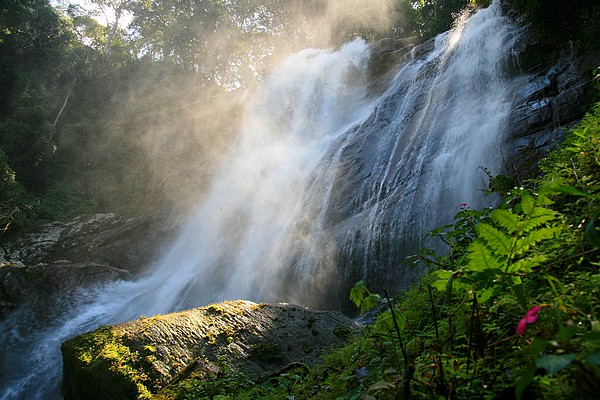
One of the park’s most spectacular attractions is Sanje Waterfalls, a magnificent cascade that drops through the forested mountains and offers rewarding views across the surrounding Kilombero Valley. Visitors can hike through dense vegetation, listen to forest birds, observe monkeys in the treetops and enjoy the refreshing atmosphere of one of Tanzania’s most beautiful natural environments.
Udzungwa is an excellent destination for travellers who enjoy active holidays, photography, birdwatching and guided nature walks. It can also be combined with Mikumi National Park, Ruaha National Park and other destinations in southern Tanzania to create a varied safari itinerary.
Whether you are planning a day trip from the Dar es Salaam–Morogoro route, a hiking holiday or a longer Tanzania self-drive safari, Udzungwa Mountains National Park offers an unforgettable opportunity to explore a different side of the country’s natural heritage.
This comprehensive guide covers the park’s location, history, climate, landscape, wildlife, hiking activities, transport options, accommodation and the best time to visit. It also explains how to include Udzungwa in a southern Tanzania safari or a wider East African adventure.
Location of Udzungwa Mountains National Park
Udzungwa Mountains National Park is located in south-central Tanzania, primarily within the Morogoro Region. It forms part of the Eastern Arc Mountains, a chain of ancient mountain ranges renowned for their exceptional concentration of endemic species.
The park lies near the town of Ifakara and the Kilombero Valley, with access commonly organised through the Mang’ula area. Its location makes it a useful stop for travellers journeying between Dar es Salaam, Morogoro, Mikumi National Park and other southern Tanzania destinations.
Udzungwa covers approximately 1,990 square kilometres of mountainous terrain, protecting forests and habitats that range from lower elevations to high mountain slopes.
The park is not primarily a conventional game-drive destination. Instead, most visitors explore it on foot, following designated hiking routes with authorised guides. This makes it especially appealing to travellers who want to experience Tanzania’s forests and mountains more closely.
Before travelling, confirm the current entrance arrangements, trail conditions and activity requirements with park authorities or your accommodation provider. Your chosen trail and the location of your lodge will influence how much time you need to reach the starting point.
History of Udzungwa Mountains National Park
Udzungwa Mountains National Park was established in 1992 to protect its unique forests, wildlife and ecological importance. Its creation recognised the exceptional conservation value of the Udzungwa Mountains, particularly their endemic plants and animals.
The mountains form part of the Eastern Arc, an ancient chain of forested mountain ranges that has remained relatively isolated over long periods. This isolation has allowed many species to evolve in distinctive habitats, making the region important for scientific research and biodiversity conservation.
The forests also play a vital role in the surrounding landscape by regulating water flow, protecting soils and supporting the ecological health of the valleys below.
Conservation work in Udzungwa focuses on protecting forest habitats, monitoring threatened species, managing visitor activities and working with surrounding communities. Sustainable tourism provides opportunities for visitors to learn about the region’s biodiversity while contributing to the value of protecting its natural resources.
Today, Udzungwa is widely recognised as one of Tanzania’s leading destinations for forest hiking, endemic wildlife and nature-based tourism.
Climate and Weather in Udzungwa Mountains National Park
Udzungwa experiences a tropical climate influenced by elevation, forest cover and seasonal rainfall. Conditions vary considerably between the warmer lower slopes and the cooler, wetter mountain forests.
The park receives substantial rainfall, allowing dense vegetation to thrive. Temperatures are generally warmer in the valleys and lower elevations and cooler at higher altitudes, especially in the early morning and during rainy weather.
Tanzania’s southern and central regions generally experience a main rainy season from around November to May, with rainfall patterns varying locally. June to October is usually the drier period.
These are broad seasonal patterns rather than guarantees of specific weather conditions.
June to October: The Drier Season
The drier months are often preferred for hiking because trails may be less muddy and visibility can be better. This period is particularly suitable for visitors planning the Sanje Waterfalls hike or longer forest walks.
Even during the dry season, rain can occur in the mountains, so waterproof clothing remains useful.
November to May: The Wetter Season
The wetter months bring lush vegetation, flowing streams and impressive waterfall conditions. Forest scenery can be particularly beautiful, and birdwatchers may enjoy the vibrant natural environment.
However, heavy rain can make steep trails slippery and more challenging. Some routes or activities may be restricted when conditions become unsafe.
What Should You Pack?
For a comfortable visit, bring:
- Sturdy hiking boots with good grip.
- Lightweight, breathable clothing.
- Long trousers and long-sleeved shirts for forest walks.
- A waterproof jacket and protection for your backpack.
- Drinking water and suitable hiking snacks.
- Insect repellent and sun protection.
- Binoculars and a camera, if desired.
Always check local weather and trail conditions before beginning a hike. Choose a route that matches your fitness level and follow your guide’s instructions.
Geography and Landscape of Udzungwa Mountains National Park
Udzungwa’s landscape is defined by rugged mountain slopes, ancient rainforest, wooded valleys, rocky outcrops and spectacular waterfalls. The mountains rise dramatically above the Kilombero Valley, creating impressive views and a variety of ecological zones.
The park’s forest habitats support towering trees, ferns, mosses, vines and other plants adapted to humid mountain conditions. Along the hiking trails, visitors may encounter small streams, natural viewpoints and clearings that reveal the surrounding countryside.
Elevation changes create different habitats within the park. Lower slopes support vegetation that differs from the cooler forests found at higher elevations, contributing to the area’s remarkable biodiversity.
The Sanje Waterfalls are among the landscape’s most prominent features. The water cascades down a forested escarpment, creating a dramatic natural attraction and a rewarding destination for hikers.
Udzungwa’s position above the Kilombero Valley also gives it wider ecological importance. Mountain forests help protect water catchments and influence the flow of water into surrounding lowland ecosystems.
For photographers and outdoor enthusiasts, the combination of green mountains, dense forest, flowing water and distant valley views makes Udzungwa one of southern Tanzania’s most attractive destinations.
Wildlife and Biodiversity in Udzungwa Mountains National Park
Udzungwa is best known for its forest biodiversity rather than large concentrations of savannah wildlife. Its dense vegetation and mountainous terrain support a remarkable range of mammals, birds, reptiles, amphibians and plant species.
Wildlife sightings often require patience and careful observation. Guided hikes are particularly rewarding because experienced guides can identify animal calls, locate primates and explain the ecology of the forest.
Endemic Primates of Udzungwa
Primates are among the park’s most important wildlife attractions.
Sanje mangabey: This rare monkey was scientifically described in the 1980s and is naturally restricted to the Udzungwa Mountains. It is an important species for conservation and one of the park’s most distinctive wildlife highlights.
Iringa red colobus: This forest-dwelling monkey is another notable primate associated with the Udzungwa region. Its presence highlights the importance of protecting the area’s remaining forest habitats.
Other monkeys: Visitors may also encounter other forest primates, depending on the location and conditions. Sightings can include vervet monkeys and other species found in the wider forest ecosystem.
Primates are often most active during the cooler hours of the day. Visitors should watch the canopy carefully, listen for movement and follow their guide’s advice about where to look.
Seeing endemic species is a privilege, and visitors should avoid making loud noises, feeding animals or attempting to approach them.
Mammals of Udzungwa Mountains National Park
The park supports several other mammal species, although many are difficult to observe because they are shy, nocturnal or live in thick vegetation.
Mammals recorded in the wider park ecosystem include forest-dwelling antelopes, bush pigs, duikers and other small or medium-sized mammals. Larger mammals may also occur in certain habitats, but encounters are less predictable than during a conventional savannah game drive.
Udzungwa is therefore particularly suited to visitors who appreciate the process of exploring a forest and learning about its ecology, rather than expecting frequent sightings of large animals.
A knowledgeable guide can help visitors understand animal tracks, calls, feeding signs and the relationships between species and their habitats.
Birdwatching in Udzungwa Mountains National Park
Udzungwa is an outstanding destination for birdwatching, particularly for travellers interested in forest birds and species associated with Tanzania’s Eastern Arc Mountains.
The park supports a diverse bird community, including species that are endemic or regionally restricted. One notable example is the Udzungwa forest partridge, a species associated with the Eastern Arc forests.
Other birds may include turacos, hornbills, sunbirds, barbets, forest flycatchers and numerous smaller species, depending on the habitat and elevation.
Early morning is often the most productive time for birdwatching, when forest birds are active and their calls are easier to hear.
Bring binoculars and a bird checklist, and consider arranging a specialist birding guide if you want to search for particular species. Patience is essential because many forest birds remain concealed among leaves and branches.
Reptiles, Amphibians and Butterflies
Udzungwa’s humid forests and streams provide important habitats for reptiles, amphibians and invertebrates.
Frogs and other amphibians are associated with moist environments, while butterflies and insects contribute to pollination and the wider ecological balance.
The park’s high levels of endemism extend beyond mammals and birds. Scientists continue to study the region’s biodiversity, and its isolated mountain forests remain important for understanding how species evolve and survive in specialised habitats.
Visitors interested in smaller wildlife should take time to observe the forest floor, vegetation and stream edges, without disturbing animals or removing plants.
Plants and Forest Biodiversity
Udzungwa’s botanical diversity is one of its most important conservation features. The forest contains a variety of tree species, climbing plants, ferns, mosses and other vegetation adapted to different elevations and moisture levels.
Some plants have restricted distributions, making the protection of forest habitats especially important.
A guided hike offers opportunities to learn how trees, fungi, insects, birds and mammals interact within the ecosystem. Even when large wildlife is not visible, the forest remains full of life.
Best Things to Do in Udzungwa Mountains National Park
Udzungwa offers a range of nature-based activities centred on hiking, waterfalls, birdwatching and forest exploration. Most visitors arrive to enjoy the trails, but the park can also be an excellent addition to a wider southern Tanzania itinerary.
1. Hike to Sanje Waterfalls
Sanje Waterfalls is the park’s signature attraction and one of the most rewarding hiking destinations in southern Tanzania.
The waterfall drops approximately 170 metres through the forested mountains, creating an impressive cascade surrounded by lush vegetation. The hike takes visitors through forest habitats and up steep sections of the trail before reaching viewpoints overlooking the waterfall and the Kilombero Valley.
The route is physically demanding in places, with uneven ground, steep slopes and potentially slippery surfaces. The duration depends on your pace, trail conditions and how much time you spend at viewpoints.
The effort is rewarded with spectacular scenery and opportunities to appreciate the park’s forest environment. On suitable routes and where permitted, visitors may be able to enjoy designated areas near the waterfall, but swimming should only be considered where park authorities explicitly allow it and conditions are safe.
Wear proper hiking boots, carry drinking water and follow your guide’s instructions throughout the excursion.
2. Explore the Prince Bernhard Waterfall Trail
The Prince Bernhard Waterfall is another waterfall attraction associated with the Udzungwa area. It can offer a quieter alternative or additional hiking experience for visitors who have more time.
Trail access, route conditions and the availability of guided excursions should be confirmed locally. Not every waterfall or forest route is suitable for every visitor, especially after heavy rain.
If you are planning a longer stay, ask your guide which trails are currently open and which options best match your fitness level.
3. Enjoy Guided Forest Hiking
Guided hiking is the best way to explore Udzungwa’s forests and appreciate their ecological importance.
Trails pass through dense vegetation, across streams and along mountain slopes. During a walk, your guide may explain the park’s endemic plants, primates, birdlife and conservation challenges.
Shorter routes may suit visitors with limited time, while more demanding trails appeal to experienced hikers looking for a full day outdoors.
Before setting out, discuss the distance, elevation gain, estimated duration and trail conditions with your guide. Bring enough water and allow time to enjoy the scenery rather than rushing through the forest.
4. Go Birdwatching
Birdwatching is one of Udzungwa’s most rewarding activities for nature lovers.
The forest provides habitat for numerous birds, including species associated with the Eastern Arc Mountains. Birding excursions can be arranged around suitable trails and elevations, depending on your target species.
Early mornings are generally best because bird activity is often higher and temperatures are cooler. A local guide can help identify calls, locate birds in the canopy and explain the significance of endemic species.
For a more specialised experience, allow extra time and avoid combining birdwatching with an overly demanding hiking schedule.
5. Look for Endemic Monkeys
Searching for Udzungwa’s endemic primates adds a special dimension to a forest hike.
The Sanje mangabey and Iringa red colobus are particularly important species associated with the region. Observing them in their natural habitat can help visitors appreciate why the Eastern Arc Mountains are so significant for conservation.
Sightings are not guaranteed. Dense vegetation, animal movements and the time of day all influence what you may see.
Move quietly, maintain an appropriate distance and avoid feeding the monkeys. Your guide will help you observe them without causing unnecessary disturbance.
6. Enjoy Photography and Scenic Viewpoints
Udzungwa offers excellent opportunities for landscape, wildlife and nature photography.
Sanje Waterfalls is an obvious highlight, while forest trails provide opportunities to photograph leaves, flowers, tree trunks, butterflies and birds. Viewpoints overlooking the Kilombero Valley can also provide striking landscape compositions.
The best conditions depend on weather and light. Morning and late-afternoon light can be attractive, but forest interiors may remain dim even during the day.
Protect camera equipment from rain and humidity, and carry a lens cloth to remove moisture. Avoid stepping off designated trails or disturbing wildlife for a photograph.
7. Experience a Different Side of Tanzania
Many travellers associate Tanzania primarily with the Serengeti, Ngorongoro Crater and the Great Migration. Udzungwa offers a contrasting experience, with an emphasis on walking, forests, waterfalls and biodiversity.
Instead of spending most of the day in a vehicle, visitors can experience the landscape on foot and discover the smaller details of the ecosystem.
This makes Udzungwa an excellent choice for travellers who want to balance traditional game drives with outdoor adventure.
8. Combine Udzungwa with Mikumi National Park
One of the best ways to include Udzungwa in a Tanzania itinerary is to combine it with Mikumi National Park.
Mikumi offers classic savannah wildlife viewing, with opportunities to see elephants, giraffes, zebras, buffaloes, antelopes and predators. Udzungwa, by contrast, focuses on forest biodiversity and mountain hiking.
Together, the two destinations create a varied southern Tanzania safari combining game drives with waterfalls and guided walks.
Travellers with more time can consider extending the journey towards Ruaha National Park or Nyerere National Park, depending on their preferred route and available days.
How to Get to Udzungwa Mountains National Park
Udzungwa Mountains National Park can be reached by road from Dar es Salaam, Morogoro, Mikumi and other destinations in southern Tanzania.
The most suitable transport option depends on your itinerary, budget, accommodation and whether you want to explore independently or with a driver.
Driving from Dar es Salaam to Udzungwa Mountains National Park
Udzungwa is several hundred kilometres from Dar es Salaam by road, with the exact distance depending on the route and your final destination near the park.
A common route travels west from Dar es Salaam towards Morogoro and then continues south along the main highway towards the Mikumi and Kilombero areas. From there, travellers continue towards Mang’ula and the park access area.
The journey can take much of the day, depending on traffic, roadworks, stops and conditions. If you plan to hike early the following morning, consider arriving the day before rather than travelling directly to the trailhead on the same day.
Check the latest road conditions, confirm your accommodation’s location and arrange any necessary transfers to the park entrance in advance.
Self-Drive Safari to Udzungwa Mountains National Park
A self-drive journey is a convenient way to combine Udzungwa with other destinations in southern Tanzania. It gives you flexibility to choose your departure times, stop along the way and spend additional nights in places that interest you.
A suitable rental vehicle should be chosen according to your route, passenger numbers, luggage and the season. The main highway route is generally accessible by ordinary road vehicles in suitable conditions, but a 4×4 can be useful for rougher access roads, remote accommodation or a broader safari itinerary.
Remember that Udzungwa is primarily explored on foot. A 4×4 does not replace the need for a guide or the applicable park activity arrangements.
Before booking your rental, confirm that the vehicle is permitted for your intended journey and check insurance, breakdown support, spare tyres and any restrictions on travel into national parks.
Explore our [Tanzania 4×4 car rental options], discover [self-drive safaris in Tanzania] and plan a flexible [southern Tanzania safari itinerary] that includes Udzungwa Mountains National Park.
Travelling from Mikumi National Park
Udzungwa can be combined with Mikumi as part of a southern Tanzania road trip. The driving time depends on your starting point, chosen route, accommodation and road conditions.
Travellers may stay near Mikumi before continuing to the Udzungwa area, allowing time for a game drive followed by a day of hiking.
If you are planning both parks, confirm the driving distance between your accommodation and each activity location, and avoid scheduling activities too tightly.
Public Transport and Local Transfers
Public transport may be available to towns and settlements along the main road corridor, but reaching a specific trailhead or lodge can require additional local transport.
Visitors using buses should arrange onward transfers with their accommodation or tour operator. This is particularly important if you are planning an early-morning hike.
Guided Tours and Private Transfers
Travellers who prefer not to drive can book a guided tour or private transfer from Dar es Salaam, Morogoro or another nearby destination.
This can simplify logistics, especially if you want to combine transport, accommodation, guiding and other activities in one arrangement.
Ask your operator whether the package includes park entry, guide fees, meals, accommodation and any additional charges, so you understand the total cost before departure.
Best Time to Visit Udzungwa Mountains National Park
Udzungwa can be visited throughout much of the year, but seasonal rainfall influences trail conditions, waterfall appearance and the overall hiking experience.
June to October: The Drier Season
June to October is generally a favourable period for hiking in Udzungwa. Trails may be less muddy, and conditions can be more comfortable for longer walks.
This period is particularly suitable for visitors planning Sanje Waterfalls, birdwatching and a combination of forest hiking with game drives in nearby Mikumi.
Rain is still possible in the mountains, so waterproof clothing and suitable footwear remain important.
November to May: The Wetter Season
The wetter months bring lush forest scenery, flowing streams and impressive waterfall conditions.
However, trails may become slippery, and heavy rainfall can make some routes more difficult or temporarily unsuitable. Visitors should check trail access and follow the advice of park authorities.
For photographers, the green landscape can be especially attractive, but flexibility is important.
When Is the Best Time to Visit Sanje Waterfalls?
The best time depends on whether you prioritise easier hiking conditions or the appearance of the waterfall.
During drier periods, trails may be more manageable. During wetter periods, water flow and vegetation can be particularly impressive, but the risk of slippery terrain increases.
Always follow local safety guidance. Do not enter the water or approach steep edges where access is prohibited or conditions are unsafe.
Accommodation in and Around Udzungwa Mountains National Park
Accommodation options around Udzungwa include guesthouses, lodges, campsites and nature-oriented stays. Many visitors choose to stay near Mang’ula or along the main road corridor, depending on their budget and preferred level of comfort.
The best accommodation is one that makes it easy to reach your chosen trailhead early in the morning and provides a comfortable place to rest after hiking.
Udzungwa Forest Tented Camp
Udzungwa Forest Tented Camp is a name travellers may encounter when researching accommodation in the area. Before booking, confirm its current operating status, exact location, facilities, meal arrangements and distance from the park entrance.
Ask whether transfers to the trailhead can be arranged and whether staff can assist with organising authorised guides.
Hondo Hondo Udzungwa Forest Tented Camp
Hondo Hondo is an established accommodation name associated with visits to Udzungwa. It is worth investigating for travellers seeking a nature-focused stay near the forest.
Check current availability, room or tent categories, dining arrangements and the services included in the rate. Confirm how far the property is from your chosen activity departure point.
Guesthouses and Lodges Around Mang’ula
Mang’ula and the wider surrounding area offer accommodation options that may suit travellers looking for simpler stays or convenient access to the park.
Facilities vary, so check room standards, hot water, meals, secure parking, electricity and mobile network coverage before booking.
For self-drive travellers, confirm that the property has suitable parking and that the access road is appropriate for your vehicle.
Camping Near Udzungwa
Camping may be an option for visitors who prefer outdoor travel and want to keep accommodation costs manageable.
However, camping rules, permitted sites, facilities and availability can change. Confirm the current arrangements with park authorities or an authorised accommodation provider before bringing camping equipment.
Never camp in an unauthorised area or outside designated locations.
Tips for Choosing Accommodation
When comparing places to stay, consider:
- Distance from the park entrance and your chosen trailhead.
- Whether breakfast or packed meals are available before early hikes.
- Whether an authorised guide can be arranged.
- Secure parking and access-road conditions.
- The availability of drinking water and basic facilities.
- Cancellation policies and seasonal rates.
Booking ahead is advisable during busy periods and whenever your itinerary depends on a specific hiking excursion.
Suggested Udzungwa Mountains National Park Itinerary
A two-day visit is a useful starting point for exploring Udzungwa, while three days allows more time for hiking and combining the park with other destinations.
Day 1: Travel to Udzungwa Mountains National Park
Depart Dar es Salaam or another starting point and travel towards the Udzungwa Mountains area.
Allow time for traffic, meal stops and the road journey. Arrive at your accommodation, check in and confirm the arrangements for your hike the following day.
If time permits, enjoy a short walk around the local area or relax at your lodge before an early start.
Overnight near Udzungwa Mountains National Park.
Day 2: Sanje Waterfalls Hike and Forest Exploration
Have breakfast and meet your guide at the agreed departure point.
Begin the hike towards Sanje Waterfalls, following the designated trail through forest habitats and up the mountain slopes. Take time to appreciate the scenery, observe birds and look for primates along the way.
Enjoy the waterfall viewpoints and any activities permitted under current park rules. The length and difficulty of the excursion will depend on the trail conditions, your pace and the time spent at the falls.
Return to your accommodation after the hike and relax.
Overnight near Udzungwa or continue to your next destination if time and road conditions allow.
Day 3: Continue to Mikumi National Park
After breakfast, travel towards Mikumi National Park.
Depending on your arrival time and the park’s operating arrangements, you may be able to organise a game drive or settle into your accommodation before an afternoon activity.
Mikumi’s savannah landscapes provide a contrast to Udzungwa’s mountain forests, making the combination ideal for travellers interested in both hiking and wildlife viewing.
Alternatively, return to Dar es Salaam or continue your journey towards another southern Tanzania destination.
This itinerary is a suggested outline. Confirm driving times, trail conditions, guide arrangements, accommodation and park fees before finalising your plans.
Practical Travel Tips for Visiting Udzungwa Mountains National Park
Good preparation will help you enjoy Udzungwa’s forest trails safely and comfortably.
Choose suitable hiking footwear: Trails may be steep, uneven and slippery, especially after rain. Wear sturdy boots with good grip.
Carry enough drinking water: Hiking in humid conditions can be tiring. Follow your guide’s advice on how much water to bring.
Pack a waterproof jacket: Rain can occur even during the drier season, and forest conditions can change quickly.
Hire an authorised guide: Follow current park requirements and use local knowledge to help you navigate trails and understand the forest ecosystem.
Choose a suitable trail: Discuss distance, elevation, duration and difficulty before starting. Do not attempt a demanding route without appropriate preparation.
Respect wildlife: Keep a safe distance from animals, avoid feeding them and do not disturb primates for photographs.
Protect the environment: Take rubbish with you, stay on designated trails and avoid collecting plants, insects or other natural objects.
Check weather conditions: Heavy rain can affect hiking safety and access. Follow any route closures or instructions from park authorities.
Plan your transport: If you are self-driving, confirm the location of your accommodation, check your vehicle and allow enough time for the road journey.
Carry essential supplies: Bring a charged phone, basic first-aid supplies, snacks and the contact details of your accommodation and tour operator.
Combine Udzungwa Mountains National Park with Other Tanzania Safari Destinations
Udzungwa is an excellent addition to a longer southern Tanzania itinerary. Combining it with other parks allows you to experience mountain forests, savannah wildlife and diverse landscapes within one journey.
Mikumi National Park
Mikumi is one of the most convenient parks to combine with Udzungwa. It offers classic safari scenery, with opportunities to search for elephants, giraffes, zebras, buffaloes, antelopes and predators.
Combining Mikumi’s game drives with Udzungwa’s waterfalls and forest hikes creates a balanced adventure.
Discover our guide to Mikumi National Park safari experiences.
Ruaha National Park
Ruaha is one of Tanzania’s most important wilderness safari destinations, known for its large elephant populations, varied landscapes and predator sightings.
It is a rewarding extension for travellers who have extra time and want to explore a more remote safari environment.
Explore Ruaha National Park safaris.
Nyerere National Park
Nyerere National Park offers extensive wilderness landscapes, river-based wildlife habitats and opportunities for game drives and other authorised safari activities.
It can form part of a broader southern Tanzania itinerary, although driving distances and logistics should be planned carefully.
Read our guide to Nyerere National Park safari experiences.
Morogoro
Morogoro is a useful stop for travellers moving between Dar es Salaam and southern Tanzania. It also provides access to the wider Uluguru Mountains region and surrounding countryside.
Depending on your route, you may include an overnight stay to break up a long drive.
Dar es Salaam
Dar es Salaam is a convenient starting or finishing point for a road trip through southern Tanzania. Visitors can arrange vehicle collection, explore the city and continue towards Mikumi and Udzungwa.
For travellers seeking flexibility, a well-planned [Tanzania self-drive safari itinerary] can combine forest hiking with classic wildlife viewing and scenic stops along the way.
Plan Your Udzungwa Mountains National Park Adventure
Udzungwa Mountains National Park offers a refreshing alternative to Tanzania’s traditional game-drive destinations. Its ancient forests, endemic primates, rich birdlife and dramatic waterfalls make it an outstanding choice for travellers who enjoy hiking and exploring nature on foot.
The journey to Sanje Waterfalls is a major highlight, rewarding visitors with impressive mountain scenery and views across the Kilombero Valley. Guided forest walks also provide opportunities to learn about the region’s rare wildlife and the importance of protecting the Eastern Arc Mountains.
Whether you are planning a short hiking escape or a longer southern Tanzania adventure, Udzungwa can be combined with Mikumi, Ruaha and other destinations to create a diverse itinerary.
For independent travellers, a self-drive safari in Tanzania offers the flexibility to travel at your own pace, choose your accommodation and combine mountain hiking with wildlife viewing.
Start planning your Tanzania adventure today. Explore our Tanzania 4×4 car rental options, learn more about self-drive safaris in Tanzania, or enquire about a customised southern Tanzania safari featuring Udzungwa Mountains National Park.
Contact our team with your travel dates, number of travellers, preferred vehicle and planned route. We can help you plan the transport and itinerary for a memorable forest and waterfall adventure.
Frequently Asked Questions About Udzungwa Mountains National Park
1. Where is Udzungwa Mountains National Park located?
Udzungwa Mountains National Park is in south-central Tanzania, primarily within the Morogoro Region. It lies near the Kilombero Valley, with access commonly organised through the Mang’ula area.
2. What is Udzungwa Mountains National Park famous for?
The park is famous for its mountain forests, Sanje Waterfalls, hiking trails, endemic primates, birdlife and exceptional biodiversity. It is one of Tanzania’s leading destinations for forest hiking.
3. How high is Sanje Waterfalls?
Sanje Waterfalls drops approximately 170 metres through the forested mountains, making it one of the most impressive natural attractions in the Udzungwa area.
4. How many days do you need in Udzungwa Mountains National Park?
One full day may be enough for a main hiking excursion if your transport and schedule allow. Two to three days provide more flexibility for waterfalls, forest trails, birdwatching and combining Udzungwa with nearby Mikumi National Park.
5. What is the best time to visit Udzungwa Mountains National Park?
June to October is generally preferred for hiking because trails may be less muddy. The wetter months can offer lush scenery and impressive waterfall conditions, but heavy rain may make trails more difficult.
6. Can you see monkeys in Udzungwa Mountains National Park?
Yes. Udzungwa is known for forest primates, including the Sanje mangabey and Iringa red colobus. Sightings depend on animal movements, location and forest conditions.
7. Is Udzungwa Mountains National Park suitable for a self-drive trip?
Yes. Visitors can drive to the Udzungwa area and arrange authorised guided hikes. A self-drive vehicle offers flexibility for combining the park with Mikumi and other southern Tanzania destinations.
8. Do I need a 4×4 vehicle to visit Udzungwa?
A 4×4 is not necessarily required for every route, as the main highway connections are generally accessible by ordinary vehicles in suitable conditions. A 4×4 may be useful for rough access roads, remote accommodation or a wider safari itinerary. Always confirm current road conditions.
9. Is Udzungwa Mountains National Park good for children?
It can be a rewarding destination for families, but hiking routes vary in difficulty. Choose an excursion appropriate for each child’s age, fitness and experience, and confirm any age restrictions with park authorities before booking.
10. Can you swim at Sanje Waterfalls?
Swimming or entering the water should only be considered where park authorities explicitly permit it and conditions are safe. Water levels, currents, slippery rocks and access restrictions can make some areas dangerous.
11. Where should I stay when visiting Udzungwa Mountains National Park?
Accommodation options include lodges, guesthouses, tented camps and campsites in the surrounding area. Many visitors choose to stay near Mang’ula or another convenient access point. Confirm current availability and distance from the trailhead before booking.
12. Can I combine Udzungwa with Mikumi National Park?
Yes. Udzungwa and Mikumi make an excellent combination. Mikumi offers savannah game drives, while Udzungwa provides forest hiking, waterfalls and opportunities to observe endemic primates.
13. What should I pack for a hike in Udzungwa?
Bring sturdy hiking boots, drinking water, snacks, a waterproof jacket, a small daypack, insect repellent, sun protection and a charged phone. Binoculars and a camera are useful for observing wildlife and scenery.
14. Is Udzungwa Mountains National Park suitable for birdwatching?
Yes. The park’s forests support a diverse range of birds, including species associated with the Eastern Arc Mountains. A knowledgeable guide can help you find and identify forest birds.
15. Can I visit Udzungwa Mountains National Park on a day trip from Dar es Salaam?
A visit may be possible with a very early departure and careful planning, but the road journey is substantial and hiking takes time. An overnight stay near the park is generally more comfortable and allows you to begin your hike without rushing.
16. Can Udzungwa be included in a wider East African safari?
Yes. Udzungwa can form part of a wider Tanzania itinerary or a longer East African journey. If your trip crosses international borders, confirm vehicle permissions, insurance coverage, immigration requirements and border procedures with your rental provider before booking.