
Things to Do in Mount Longido, Tanzania: Hiking, Maasai Culture and Exploring the Northern Highlands
Introduction: Discover the Hidden Beauty of Mount Longido, Tanzania
When people think about mountain climbing in Tanzania, Mount Kilimanjaro and Mount Meru are usually the first destinations that come to mind. These iconic mountains attract thousands of visitors every year, offering challenging trekking routes, spectacular landscapes and unforgettable summit experiences. However, northern Tanzania has another remarkable mountain that deserves attention from adventurous travellers: Mount Longido.
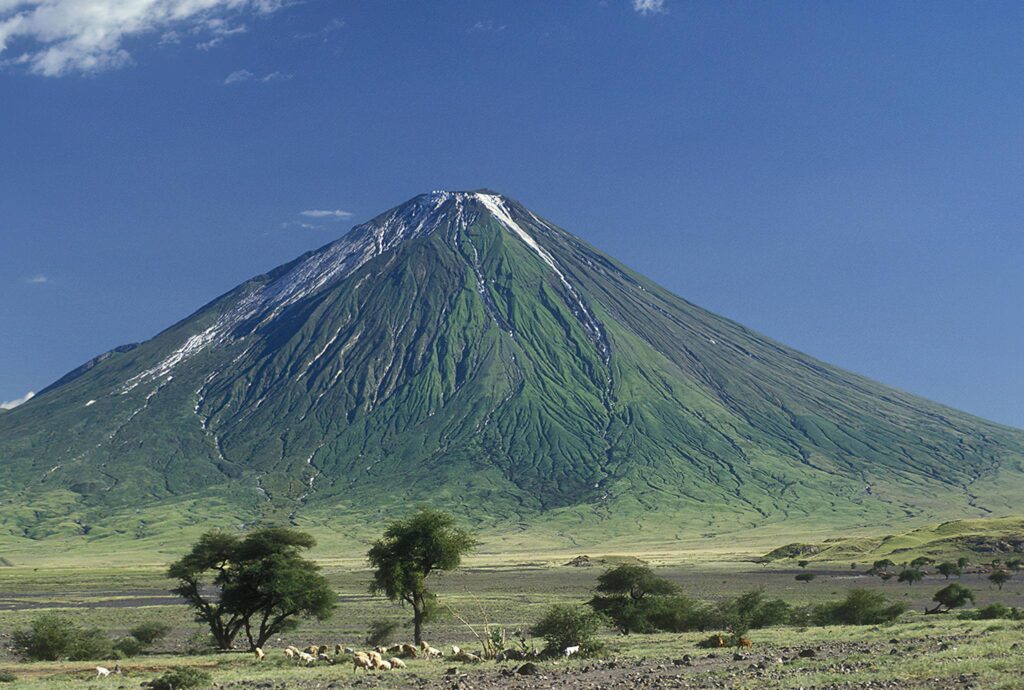
Located in Longido District, in the northern part of Arusha Region, close to the Kenya–Tanzania border, Mount Longido is one of the region’s lesser-known hiking destinations. Rising to approximately 2,637 metres above sea level, the mountain stands prominently above the surrounding Maasai plains, creating an impressive landscape that can be seen from the Arusha–Namanga highway.
Unlike the busy trekking routes of Kilimanjaro, Mount Longido offers a quieter and more intimate mountain experience. Its hiking trails pass through Maasai settlements, dry acacia woodland, rocky slopes and beautiful montane forest before reaching the summit, where visitors can enjoy panoramic views across the surrounding plains.
On clear days, the views may extend towards Mount Kilimanjaro and Mount Meru, while the expansive Maasai Steppe stretches towards the Kenyan border.
However, climbing Mount Longido is not the only reason to visit this fascinating destination. The surrounding area offers opportunities to discover traditional Maasai culture, experience local community tourism, observe wildlife, enjoy birdwatching and explore the beautiful landscapes of northern Tanzania.
Visitors can also combine a mountain excursion with cultural experiences in Longido town, where traditional Maasai lifestyles remain an important part of the local identity.
Whether you are looking for a challenging day hike, a quieter alternative to the popular northern Tanzania mountains or an opportunity to experience authentic Maasai culture, Mount Longido offers a rewarding adventure.
For travellers planning a longer holiday, the mountain can also be incorporated into a Northern Tanzania adventure safari, alongside Arusha National Park, Tarangire, Lake Manyara, Ngorongoro and Serengeti.
Below are the best things to do in Mount Longido, including hiking, cultural experiences, wildlife viewing, birdwatching and practical information to help you plan your visit.
1. Hiking to the Summit of Mount Longido
Hiking is the main attraction of Mount Longido and one of the most rewarding activities for visitors exploring northern Tanzania.
Standing at approximately 2,637 metres above sea level, the mountain provides a challenging but achievable trekking experience for travellers who enjoy outdoor adventures.
The main hiking route starts near Longido town and gradually ascends through different vegetation zones. The lower slopes are characterised by dry acacia woodland and bushland, while higher elevations become increasingly forested and cooler.
As you climb, the scenery changes considerably. The open plains gradually disappear behind the mountain, giving way to rocky sections, dense vegetation and beautiful forest landscapes.
The trail can be steep in certain sections, making the climb physically demanding, particularly for visitors who are not accustomed to long-distance hiking.
However, the experience is rewarding. Along the way, you can enjoy the sounds of forest birds, observe native vegetation and appreciate the changing views of the surrounding Maasai countryside.
The summit offers an excellent viewpoint over the northern Tanzanian landscape. On clear mornings, visitors may see Mount Kilimanjaro and Mount Meru rising above the surrounding plains.
The hike can be organised as a long one-day excursion or a two-day experience with an overnight camp, depending on the itinerary and the preferences of the group.
Best time: June to October and December to February are generally favourable periods for hiking, although conditions vary.
Where: The main trail starts near Longido town and climbs towards the mountain summit.
Travel tip: Start early in the morning to avoid the strongest afternoon heat. Carry sufficient drinking water, wear proper hiking shoes and arrange a local guide before starting the climb.
2. Exploring the Forests of Mount Longido
One of the most interesting features of Mount Longido is the contrast between its dry lower slopes and the greener forest vegetation found at higher elevations.
As visitors ascend the mountain, the landscape gradually changes from open Maasai grassland and acacia woodland into cooler forest environments.
These forests provide habitat for different bird species, smaller mammals and a variety of native plants. The atmosphere is noticeably different from the exposed plains below, with shaded trails, forest vegetation and cooler temperatures.
Walking through the forest is an opportunity to appreciate the mountain’s ecological diversity and observe the natural environment at a slower pace.
For nature enthusiasts, the forest section of the climb is particularly attractive because it offers a different experience from the open savannah landscapes normally associated with northern Tanzania.
The changing vegetation also provides excellent opportunities for photography.
Best time: Morning hours are particularly pleasant for forest exploration. The dry seasons generally offer more manageable trail conditions.
Where: The middle and upper slopes of Mount Longido.
Travel tip: Wear comfortable hiking clothing and carry a light jacket because temperatures can become cooler as you gain elevation.
3. Enjoying Panoramic Views of Mount Kilimanjaro and Mount Meru
One of the greatest rewards of climbing Mount Longido is the opportunity to appreciate the surrounding northern Tanzania landscape from an elevated viewpoint.
On clear days, the summit and selected viewpoints along the mountain provide impressive views across the Maasai Steppe and towards two of East Africa’s most famous mountains: Kilimanjaro and Meru.
Mount Kilimanjaro, Africa’s highest mountain, dominates the eastern horizon when visibility is favourable. Mount Meru, located near Arusha, provides another striking feature of the surrounding landscape.
From higher viewpoints, visitors can also appreciate the open plains stretching towards the Kenya–Tanzania border.
The views are particularly attractive to photographers who want to capture the contrast between the forested mountain slopes, expansive savannah and distant volcanic peaks.
Even if you are not planning to reach the summit, the surrounding Longido countryside provides beautiful viewpoints for landscape photography.
Best time: Early morning is generally preferable because distant mountain peaks are often clearer before clouds build up.
Where: The upper slopes and summit of Mount Longido, as well as selected viewpoints around Longido town.
Travel tip: Plan your climb to reach higher viewpoints during the morning hours. Mountain visibility depends on weather conditions, so clear views of Kilimanjaro and Meru cannot be guaranteed.
4. Maasai Cultural Experiences in Longido
A visit to Mount Longido offers more than mountain scenery. The surrounding region is also an excellent destination for travellers interested in learning about Maasai culture and traditional lifestyles.
Longido District is home to Maasai communities whose cultural traditions remain closely connected to livestock keeping, family life, community relationships and the surrounding natural environment.
Visitors can arrange cultural experiences through local community tourism initiatives, providing opportunities to learn about traditional homes, clothing, food, livestock practices and the history of the Maasai people.
A guided community visit may include a walk through a traditional Maasai settlement, an introduction to traditional construction techniques and conversations about the importance of cattle in Maasai society.
You may also learn about traditional beadwork, jewellery, music and dancing, depending on the activities organised by the community.
Unlike a conventional wildlife safari, a cultural excursion provides a different understanding of northern Tanzania by introducing visitors to the people and traditions that shape the region.
The experience is particularly rewarding when organised through locally managed tourism initiatives, helping communities benefit directly from tourism.
Best time: Cultural visits can be arranged throughout the year, depending on community availability.
Where: Longido town and surrounding Maasai villages.
Travel tip: Arrange visits through local community tourism guides and seek permission before photographing people or entering private homesteads.
5. Visiting the Longido Maasai Cattle Market
For visitors interested in local culture and everyday life, the Longido cattle market offers a fascinating opportunity to observe traditional livestock trading.
Cattle play an important role in Maasai culture and livelihoods, and livestock markets remain important meeting points for pastoral communities.
At the market, visitors can observe traders, livestock keepers and buyers gathering to negotiate prices and exchange information.
The experience provides insight into the economic and cultural importance of cattle in the region.
Depending on the market schedule, you may encounter cattle, goats and sheep, alongside the daily activities of local traders and community members.
The market also provides an opportunity to appreciate the social atmosphere of Longido beyond its mountain scenery.
Best time: Market visits should be planned around the locally confirmed market day. Wednesday is commonly associated with the Longido cattle market, but confirm the current schedule before travelling.
Where: Longido town.
Travel tip: Visit with a local guide who can explain the livestock trading process and help you interact respectfully with traders and community members.
6. Wildlife Viewing Around Mount Longido
Although Mount Longido is primarily known as a hiking and cultural destination, its surrounding landscapes also support a variety of wildlife.
The mountain is located within a wider ecological landscape connected to wildlife areas and dispersal routes around northern Tanzania and southern Kenya.
The surrounding acacia woodlands and open plains provide habitats for different species of mammals.
Depending on the location and conditions, visitors may encounter:
- Giraffes moving through the acacia woodland.
- Zebras grazing across open grasslands.
- Grant’s gazelles and Thomson’s gazelles.
- Elands and other antelope species.
- Elephants moving through wider wildlife corridors.
- Warthogs and smaller mammals.
- Baboons and other primates in suitable habitats.
The lower mountain slopes and surrounding plains are also associated with buffalo and other potentially dangerous wildlife. For this reason, visitors should never assume that hiking routes are free from wildlife.
Local guides understand the landscape and can advise on appropriate routes and safety precautions.
For visitors interested in a more traditional wildlife safari, the nearby Enduimet Wildlife Management Area offers additional opportunities to explore the region’s wildlife landscapes.
Best time: Early morning and late afternoon are generally favourable for wildlife observation.
Where: The surrounding plains, acacia woodland and designated wildlife areas around Longido.
Travel tip: Wildlife sightings are not guaranteed. Always follow local guide instructions and arrange any necessary ranger support before entering wildlife areas.
7. Birdwatching Around Mount Longido
Mount Longido and its surrounding landscapes offer interesting opportunities for birdwatching.
The combination of open grassland, acacia woodland, rocky slopes and higher-elevation forest creates habitats for different bird species.
Visitors exploring the mountain may encounter birds associated with dry woodland, savannah and forest environments.
Depending on the season and location, species of interest may include hornbills, weavers, bee-eaters, sunbirds, eagles, vultures and different species of smaller woodland birds.
The surrounding Maasai plains are also attractive to birdwatchers interested in open-country species.
Birdwatching can easily be combined with hiking and cultural activities, making it a suitable activity for visitors who want to explore the region at a slower pace.
Best time: Early mornings are generally best for birdwatching. The wetter months may offer additional opportunities to observe migratory species.
Where: Forested mountain slopes, acacia woodland and open plains around Longido.
Travel tip: Bring binoculars and a bird identification guide. A local guide familiar with the area’s birdlife can help identify species that may otherwise go unnoticed.
8. Camping on Mount Longido
For adventurous travellers, camping is an excellent way to experience Mount Longido beyond a conventional day hike.
Instead of climbing the mountain and returning immediately to Arusha, visitors can arrange an overnight trekking experience that allows more time to appreciate the landscape.
A typical two-day hiking adventure involves travelling to Longido town, meeting the local guides and beginning the ascent. Depending on the agreed route and conditions, the group spends the night at an authorised camping location before continuing towards the summit.
Camping on the mountain provides an opportunity to enjoy the peaceful surroundings, observe the changing light over the Maasai plains and experience the cooler mountain environment.
The following morning, hikers can continue their journey towards higher viewpoints or the summit before descending.
Camping arrangements should be organised in advance through local guides or community tourism operators. The mountain does not have the developed hut infrastructure found on some of Tanzania’s established trekking routes.
Visitors may need to bring their own tents, sleeping bags, food, cooking equipment and other essential supplies.
Best time: June to October and December to February are generally suitable for camping and trekking, subject to weather conditions.
Where: Authorised camping locations along the Mount Longido trekking route.
Travel tip: Confirm camping arrangements, water availability and guide requirements before departure. Carry sufficient supplies because facilities on the mountain are limited.
9. Photography and Scenic Exploration Around Longido
Mount Longido is an excellent destination for travellers interested in landscape and cultural photography.
The mountain’s distinctive shape, surrounding Maasai plains and traditional settlements create beautiful photographic opportunities.
During a hike, you can capture the transition from dry woodland to forest vegetation, rocky mountain slopes and expansive views towards the Kenya–Tanzania border.
The surrounding countryside is equally attractive. Traditional Maasai homesteads, livestock grazing across open plains and the distant silhouettes of Kilimanjaro and Meru provide opportunities to photograph the cultural and natural character of the region.
Early morning and late afternoon are particularly attractive periods because the changing sunlight creates dramatic contrasts across the mountain and plains.
Photography can be combined with cultural visits, cattle market excursions and wildlife observation.
Best time: Sunrise and late afternoon, when the light is softer and the landscape is particularly attractive.
Where: Mount Longido summit, surrounding plains, Longido town and nearby Maasai communities.
Travel tip: Bring a camera with a versatile lens and spare batteries. Always ask permission before photographing local people, homes or cultural activities.
Getting to Mount Longido, Tanzania
Mount Longido is located in Longido District, approximately 80–90 kilometres north of Arusha, close to the Namanga border crossing between Tanzania and Kenya.
Its location along the Arusha–Namanga highway makes it relatively easy to reach by road. The journey from Arusha generally takes around one-and-a-half to two hours, depending on traffic and road conditions.
Most visitors travel from Arusha by private vehicle, organised tour or rental car. Longido town is the main starting point for arranging local guides and mountain excursions.
Getting There by Road
The most convenient way to reach Mount Longido is by travelling north from Arusha along the Arusha–Namanga highway.
The journey passes through beautiful landscapes characterised by open plains, acacia woodland, Maasai settlements and distant mountain views.
Upon reaching Longido town, visitors can arrange their hiking experience through local community tourism guides.
Getting There by Self-Drive
Mount Longido is an excellent destination for travellers interested in exploring northern Tanzania independently.
A self-drive trip from Arusha allows you to visit the mountain, explore local communities and continue towards other attractions along the northern Tanzania tourism circuit.
A standard vehicle is generally sufficient for reaching Longido town in normal road conditions. However, a suitable 4×4 is useful if you intend to explore more remote areas, wildlife destinations or challenging rural roads.
Travellers crossing between Tanzania and Kenya through Namanga can also include Mount Longido as a stop on their overland journey, subject to arranging the excursion and allowing sufficient time.
Explore our 4×4 Car Rental in Tanzania, Tanzania Self-Drive Safari and East Africa Self-Drive Car Rental services.
Best Time to Visit Mount Longido
Mount Longido can be visited throughout the year, although weather conditions influence hiking comfort, trail conditions and mountain visibility.
June to October: Long Dry Season
This is generally one of the most favourable periods for hiking Mount Longido.
The weather is relatively dry, making mountain trails more manageable and providing good opportunities for outdoor activities.
The surrounding plains are also attractive for photography and cultural excursions.
Clear mornings can offer excellent views towards Mount Kilimanjaro and Mount Meru.
November to December: Short Rainy Season
The short rains bring fresh vegetation to the surrounding landscape.
The mountain becomes greener, and the forest sections can be particularly attractive.
However, rainfall may make some trails slippery, so hikers should prepare appropriate footwear and confirm conditions with their guides.
January to February: Relatively Dry Season
January and February are generally good months for mountain hiking and cultural tourism.
The relatively dry conditions make this period suitable for visitors who want to combine Mount Longido with other northern Tanzania destinations.
Early morning departures are recommended because temperatures can rise quickly on exposed sections of the mountain.
March to May: Long Rainy Season
The long rains transform the surrounding plains and mountain vegetation.
Although the landscape becomes greener, rainfall can make the trails muddy and slippery. Cloud cover may also reduce visibility from the summit.
Visitors planning to climb during this period should check weather conditions and seek advice from local guides.
Overall recommendation: June to October and January to February are generally favourable for hiking and mountain photography, although every climb should be planned around current weather and trail conditions.
Suggested 2-Day Mount Longido Hiking and Cultural Safari Itinerary
A two-day excursion is an excellent way to experience Mount Longido without rushing the hiking experience. It also provides time to learn about Maasai culture and explore the surrounding countryside.
Day 1: Arusha to Longido – Maasai Cultural Experience and Mountain Hiking
Depart Arusha early in the morning and drive north towards Longido town.
Upon arrival, meet your local Maasai guide and receive a briefing about the hiking route, safety precautions and the day’s activities.
Begin your hike through the lower mountain slopes, passing acacia woodland, traditional landscapes and forested sections.
Enjoy the changing vegetation and views across the Maasai plains as you ascend.
Depending on the agreed trekking arrangement, continue to an authorised camping location for an overnight experience.
Spend the evening enjoying the mountain environment and learning about the local community from your guide.
Day 2: Mount Longido Summit and Return to Arusha
Wake up early and prepare for the next section of the climb.
Continue towards the summit, enjoying panoramic views across the surrounding plains and, on clear days, towards Mount Kilimanjaro and Mount Meru.
Spend some time appreciating the landscape and taking photographs before beginning the descent.
Upon returning to Longido town, enjoy a cultural experience or visit a local community activity, depending on time and availability.
Later, drive back to Arusha, arriving in the afternoon or evening.
Other Destinations to Combine with Mount Longido
One of the advantages of visiting Mount Longido is its location within northern Tanzania’s diverse tourism region. Travellers can combine mountain hiking and cultural experiences with wildlife safaris, volcanic landscapes and beautiful lakes.
Mount Longido and Enduimet Wildlife Management Area
For travellers interested in combining mountain hiking with wildlife viewing, Enduimet Wildlife Management Area is an excellent addition.
Located in the wider Longido landscape near the Kenya border, Enduimet is an important wildlife area connected to the broader Amboseli ecosystem.
Its open plains, acacia woodland and seasonal wildlife movements provide opportunities to encounter elephants, giraffes, zebras, wildebeest, gazelles and numerous bird species.
The area is particularly interesting for visitors who want to explore less crowded wildlife destinations outside the traditional northern Tanzania national park circuit.
Combining Mount Longido with Enduimet creates an interesting adventure involving mountain hiking, Maasai culture and wildlife observation.
Read more about Enduimet Wildlife Management Area Safari and Tanzania Wildlife Safaris.
Mount Longido and Lake Natron
Lake Natron is one of northern Tanzania’s most extraordinary natural attractions and a rewarding destination to combine with Mount Longido.
Located in the Great Rift Valley, near the Kenya border, the lake is famous for its highly alkaline waters, volcanic surroundings and importance as a breeding area for lesser flamingos.
Visitors can enjoy birdwatching, photography, scenic walks and cultural experiences in the surrounding Maasai communities.
The nearby Ol Doinyo Lengai, an active volcano known for its unusual natrocarbonatite lava, is another major attraction for adventurous travellers.
A combination of Mount Longido and Lake Natron offers a unique northern Tanzania experience involving mountain hiking, Maasai culture, volcanic scenery and birdwatching.
Explore our Lake Natron Safari, Ol Doinyo Lengai Climbing and Northern Tanzania Adventure Safari packages.
Mount Longido and Arusha National Park
Arusha National Park is another excellent destination for visitors interested in combining mountain scenery with wildlife viewing.
The park protects beautiful landscapes around Mount Meru and includes montane forests, crater lakes, open grasslands and the Ngurdoto Crater.
Activities include game drives, guided walking safaris, canoeing on Momella Lakes when available and mountain hiking.
Visitors may encounter giraffes, zebras, buffaloes, warthogs, colobus monkeys and numerous bird species.
Combining Mount Longido with Arusha National Park provides an excellent introduction to the natural diversity of northern Tanzania.
Read more about Arusha National Park Activities and Mount Meru Climbing Safari.
Mount Longido and Mount Kilimanjaro
For travellers interested in mountain adventures, combining Mount Longido with Mount Kilimanjaro is an exciting option.
Mount Longido offers a relatively short but physically demanding mountain excursion, while Kilimanjaro provides the opportunity to climb Africa’s highest mountain.
Some travellers choose Longido as a preparatory hike before attempting Kilimanjaro. It can provide useful experience with sustained uphill walking, although it does not replace proper altitude acclimatisation.
After exploring Longido, continue towards Moshi or the Kilimanjaro National Park entrance to begin your organised mountain climbing adventure.
Explore our Mount Kilimanjaro Climbing Packages, Kilimanjaro Hiking Tours and Northern Tanzania Adventure Tours.
Mount Longido and Amboseli National Park, Kenya
Because Mount Longido is close to the Kenya–Tanzania border, it can also be incorporated into a cross-border East African adventure.
Amboseli National Park is famous for its large elephant herds and spectacular views of Mount Kilimanjaro.
Visitors can enjoy traditional game drives while searching for elephants, lions, cheetahs, giraffes, zebras and numerous bird species.
A combined Mount Longido and Amboseli itinerary offers an interesting contrast between Tanzania’s Maasai mountain landscapes and Kenya’s famous elephant safari destination.
Travellers planning this combination should arrange the appropriate cross-border vehicle permissions, insurance and border documentation.
Discover our Kenya and Tanzania Safari Packages and East Africa Self-Drive Safari itineraries.
Practical Tips for Visiting Mount Longido
Before planning your Mount Longido adventure, consider the following recommendations to make your visit comfortable and safe.
1. Arrange a local guide: Organise your hike through the local community tourism programme or an experienced local operator. Confirm whether ranger support is required for your selected route.
2. Start early: Early departures help you avoid the strongest afternoon heat and provide better opportunities for mountain views.
3. Carry sufficient drinking water: Some sections of the mountain are exposed, and water supplies along the trail are limited.
4. Wear proper hiking shoes: The route includes steep and rocky sections, so comfortable footwear with good grip is essential.
5. Bring warm clothing: Temperatures can become cooler at higher elevations, particularly during early mornings and evenings.
6. Prepare for wildlife encounters: The surrounding mountain landscape supports wildlife, including potentially dangerous animals. Follow your guide’s instructions and never hike independently through wildlife areas.
7. Carry sun protection: A hat, sunscreen and sunglasses are particularly useful on exposed lower slopes.
8. Confirm camping arrangements: If planning an overnight hike, establish where you will camp and what equipment, food and water will be provided.
9. Respect Maasai culture: Seek permission before photographing local people, homesteads or cultural activities.
10. Bring a camera and binoculars: These are useful for capturing the surrounding landscapes, wildlife and birdlife.
11. Check weather conditions: Rain can make some mountain trails slippery and reduce visibility. Confirm conditions before departure.
12. Support community tourism: Whenever possible, arrange your excursion through local guides and community tourism initiatives so that local residents benefit directly from tourism.
Frequently Asked Questions About Mount Longido
1. Where is Mount Longido located?
Mount Longido is located in Longido District, Arusha Region, northern Tanzania, close to the Kenya–Tanzania border and the Namanga border crossing.
2. How high is Mount Longido?
Mount Longido rises to approximately 2,637 metres above sea level.
3. How long does it take to climb Mount Longido?
The climb can be completed in one long day by fit hikers, although some visitors prefer a two-day excursion with an overnight camping experience. The total hiking time depends on the route, weather and walking pace.
4. Is Mount Longido suitable for beginners?
Mount Longido is suitable for reasonably fit beginners who are comfortable with long and steep hikes. However, the climb should not be underestimated because some sections are physically demanding.
5. Can I climb Mount Longido without a guide?
It is advisable to arrange the climb through local guides and confirm current access and safety requirements. Wildlife in the surrounding area makes local knowledge particularly important.
6. Can you see Mount Kilimanjaro from Mount Longido?
Yes. On clear days, visitors can enjoy views towards Mount Kilimanjaro and Mount Meru from the mountain’s higher viewpoints.
7. What wildlife can I see around Mount Longido?
The wider Longido landscape supports elephants, giraffes, zebras, wildebeest, gazelles, elands and various other species. Wildlife sightings depend on location, season and animal movements.
8. Is Mount Longido a national park?
No. Mount Longido is a mountain located in Longido District, rather than a national park. Its hiking and community tourism arrangements are different from those of Tanzania National Parks.
9. Can I combine Mount Longido with a Tanzania safari?
Absolutely. Mount Longido can be combined with Enduimet Wildlife Management Area, Lake Natron, Arusha National Park, Tarangire, Ngorongoro and Serengeti, depending on the time available.
10. What is the best time to climb Mount Longido?
June to October and January to February are generally favourable periods for hiking. However, weather conditions should always be checked before departure.
11. How far is Mount Longido from Arusha?
Mount Longido is approximately 80–90 kilometres from Arusha, and the drive generally takes around one-and-a-half to two hours.
12. Can Mount Longido be climbed in one day?
Yes. A one-day climb is possible for fit hikers who start early. However, a two-day itinerary provides more time to appreciate the mountain and surrounding community experiences.
13. Is camping possible on Mount Longido?
Yes. Overnight camping can be arranged through local guides and authorised arrangements. Visitors should confirm the camping location, equipment and water availability in advance.
Book Your Mount Longido Adventure with Us
Mount Longido offers a refreshing alternative to the more crowded mountain destinations of northern Tanzania. Its beautiful forested slopes, panoramic views, traditional Maasai communities and peaceful surroundings make it an excellent destination for travellers seeking a more personal adventure.
Whether you want to climb the mountain in one day, enjoy an overnight camping experience, explore Maasai culture or combine hiking with wildlife viewing, Mount Longido offers a rewarding experience.
At Self drive in Tanzania, we help travellers organise memorable East African adventures, including mountain hiking, wildlife safaris, cultural experiences, camping holidays and customised self-drive itineraries.
We can help arrange suitable transport, local guides, accommodation, camping equipment and multi-destination itineraries.
If you prefer exploring independently, ask us about our 4×4 car rental in Tanzania, including suitable vehicles for northern Tanzania road trips and East African camping adventures.
You can also extend your journey to Lake Natron, Serengeti, Ngorongoro, Tarangire, Amboseli or Mount Kilimanjaro.
Start planning your Mount Longido adventure today. Contact Self drive in Tanzania for a customised northern Tanzania hiking experience or an unforgettable East African safari.