
18-Day Tanzania Self-Drive Safari Itinerary: Serengeti, Ngorongoro, Tarangire and Lake Natron
Introduction: Discover Tanzania on an 18-Day Self-Drive Safari
An 18-day Tanzania self-drive safari is an excellent way to explore the country’s spectacular wildlife, dramatic landscapes and cultural attractions at your own pace. From the elephant-filled plains of Tarangire National Park to the endless savannahs of Serengeti National Park, this extended road trip combines Tanzania’s famous safari destinations with quieter natural attractions, including Lake Natron and the foothills of Mount Kilimanjaro.
Designed for independent travellers who value flexibility and adventure, this itinerary begins and ends at Kilimanjaro International Airport (JRO). It includes time in Arusha, a visit to Mount Kilimanjaro’s foothills, wildlife viewing in Tarangire and Lake Manyara, a memorable game drive in the Ngorongoro Crater, and several days exploring the central and northern Serengeti.
The itinerary also includes Lake Natron, a remarkable destination known for its alkaline waters, volcanic scenery and flamingos. Rather than rushing between destinations, the route allows several days for wildlife viewing in the Serengeti, making it particularly appealing to travellers who consider the Serengeti their primary safari destination.
With a suitable 4×4 car rental in Tanzania, careful planning and accommodation arranged in advance, travellers can enjoy an independent safari combining famous national parks, scenic drives and unforgettable encounters with African wildlife.
18-Day Tanzania Self-Drive Safari at a Glance
- Duration: 18 days and 17 nights
- Start and finish: Kilimanjaro International Airport
- Main destination: Serengeti National Park
- Other destinations: Arusha National Park, Mount Kilimanjaro foothills, Tarangire National Park, Lake Manyara National Park, Ngorongoro Crater and Lake Natron
- Travel style: Independent self-drive safari
- Recommended vehicle: Reliable 4×4 with high ground clearance
- Accommodation: Hotels, lodges and guesthouses, preferably outside national parks where practical
- Best suited for: Couples, families, photographers, wildlife enthusiasts and adventurous travellers
Detailed 18-Day Tanzania Self-Drive Safari Itinerary
Day 1: Arrival at Kilimanjaro International Airport and Transfer to Arusha
Your Tanzanian adventure begins at Kilimanjaro International Airport, the principal international gateway for northern Tanzania’s safari circuit. After arrival, collect your rental vehicle and complete the handover process, including a vehicle inspection and briefing on road conditions, park regulations and emergency procedures.
Drive to Arusha, a lively town situated beneath Mount Meru and an important base for northern Tanzania safaris. Depending on your arrival time, you can visit a local supermarket, purchase drinking water and snacks, exchange currency and prepare the supplies needed for the coming days.
Spend the night at a hotel or guesthouse in Arusha.
Highlights: Airport arrival, 4×4 vehicle collection, safari preparation and views of the northern Tanzania landscape.
Day 2: Explore Arusha National Park
After breakfast, drive to Arusha National Park for your first wildlife experience. Although smaller than Tanzania’s famous safari parks, it offers a remarkable combination of montane forest, open grassland, crater lakes and mountain scenery.
The park lies on the slopes of Mount Meru and provides opportunities to see giraffes, buffaloes, zebras, warthogs and several primate species. The Momella Lakes attract a variety of waterbirds, and flamingos may be present depending on the season and conditions.
Travellers can explore the park by vehicle or arrange an authorized guided walking safari, which offers a different perspective on the landscape and its wildlife.
Return to Arusha in the afternoon and spend another night at your hotel.
Highlights: Mount Meru scenery, giraffes, forest wildlife, Momella Lakes and optional guided walking activities.
Day 3: Mount Kilimanjaro Foothills and Moshi
Leave Arusha and travel towards Moshi, a town known for its views of Mount Kilimanjaro. On clear days, the mountain’s snow-capped summit creates a dramatic backdrop to the surrounding agricultural landscapes and villages.
Visit the Marangu area or arrange a local excursion to explore the mountain’s foothills, learn about local traditions and enjoy views of the surrounding countryside.
This day is intended for sightseeing rather than a summit climb. Travellers wishing to climb Kilimanjaro will need a separate multi-day itinerary with an authorized operator, the necessary permits and appropriate mountain arrangements.
Spend the night in Moshi before continuing towards the safari parks.
Highlights: Mount Kilimanjaro views, Moshi town, local villages and mountain foothill scenery.
Day 4: Drive to Tarangire National Park
After an early breakfast, drive towards Tarangire National Park, one of Tanzania’s most rewarding wildlife destinations. The park is famous for its large elephant populations, enormous baobab trees and seasonal concentrations of wildlife around the Tarangire River.
After completing the necessary entry formalities, begin an afternoon game drive through the park. Keep an eye out for elephants, giraffes, zebras, wildebeest, impalas and other antelopes. Lions and other predators may also be encountered.
Tarangire’s appearance changes throughout the year. During drier periods, wildlife may congregate around remaining water sources, while the green season brings fresh vegetation and excellent birdwatching opportunities.
After your game drive, leave the park before the applicable closing time and travel to accommodation outside its boundaries.
Highlights: Elephant herds, ancient baobabs, Tarangire River scenery and classic African wildlife viewing.
Day 5: Morning Safari in Tarangire and Transfer to Karatu
Return to Tarangire for another game drive, exploring different sections of the park and allowing time to observe wildlife without rushing.
The park is especially rewarding for elephant enthusiasts and photographers. Depending on the season, you may encounter large elephant groups, giraffes browsing among acacia trees, zebras grazing on open plains and birds around watercourses.
After your morning or early afternoon safari, exit the park and continue to Karatu, a highland town conveniently positioned for visits to Lake Manyara and the Ngorongoro Conservation Area.
Spend the night in Karatu, where travellers can enjoy a relaxed evening before the following day’s excursion.
Highlights: Additional wildlife viewing in Tarangire, scenic countryside and an overnight stay in Karatu.
Day 6: Lake Manyara National Park
After breakfast, head to Lake Manyara National Park, a compact and diverse reserve located beneath the Great Rift Valley escarpment.
The park features groundwater forests, woodland, open grassland, wetlands and the alkaline lake itself. These habitats support a wide variety of animals and birds, including baboons, elephants, giraffes, hippos and numerous waterbirds.
Lake Manyara is also associated with tree-climbing lions, although sightings are not guaranteed. The changing landscape makes the park an attractive destination for photography and birdwatching.
Enjoy a game drive before returning to Karatu for the night.
Highlights: Rift Valley scenery, forest wildlife, elephants, hippos and birdlife.
Day 7: Ngorongoro Crater Safari
One of the major highlights of your northern Tanzania road trip is a visit to Ngorongoro Crater, a spectacular volcanic caldera within the Ngorongoro Conservation Area.
Depart early and follow the authorized route to the crater. After completing the required formalities, descend to the crater floor for a game drive through grasslands, woodland, wetlands and areas surrounding Lake Magadi.
The crater supports a remarkable concentration of wildlife. Animals commonly encountered include zebras, wildebeest, buffaloes, elephants, hippos and lions. With luck, visitors may also see the endangered black rhinoceros.
Enjoy a picnic lunch at an authorized location before completing the game drive and ascending from the crater.
Return to Karatu or other suitable accommodation outside the conservation area.
Important: Ngorongoro Crater visits involve additional charges beyond ordinary park entry arrangements. Confirm current conservation fees, vehicle charges and crater service fees before travelling.
Highlights: Crater landscapes, lions, buffaloes, elephants, zebras and opportunities to spot black rhinoceros.
Day 8: Karatu to Central Serengeti National Park
Today, continue towards the main destination of your safari: Serengeti National Park.
The journey takes you through the Ngorongoro Conservation Area along the authorized access route. Allow sufficient time for driving, entry formalities, road conditions and wildlife viewing along the way.
As you enter the Serengeti ecosystem, the landscape opens into vast grasslands, rocky kopjes and scattered acacia trees. The central Serengeti, particularly the Seronera region, is well known for its wildlife and network of game-viewing tracks.
Enjoy an afternoon game drive if time permits, looking for lions, elephants, giraffes, zebras and other animals.
Arrange accommodation in advance. If you prefer to stay outside the park, carefully check distances and gate access because reaching central Serengeti from external accommodation can involve substantial additional driving.
Highlights: Scenic drive into the Serengeti, expansive savannahs and the first game drive in the park.
Day 9: Full-Day Wildlife Safari in Central Serengeti
Spend a full day exploring central Serengeti, one of the most popular areas for wildlife viewing in Tanzania.
The Seronera region contains a mixture of open plains, river valleys and rocky outcrops that support resident populations of predators and herbivores. Lions may be found resting near kopjes, while leopards sometimes shelter in trees along riverine habitats.
Cheetahs may be seen hunting across open grasslands, and elephants, giraffes, zebras and wildebeest can be encountered throughout the area.
An early start allows you to explore while wildlife is active. Continue through the day with suitable breaks and a picnic lunch at an authorized site.
Return to your chosen accommodation after the game drive.
Highlights: Lions, leopards, cheetahs, elephants, plains game and the central Serengeti landscape.
Day 10: Explore More of Central Serengeti
Dedicate another day to the central Serengeti, allowing time to visit different areas rather than repeating the same routes.
The extra day is particularly useful for wildlife photographers and travellers who want to spend longer observing animal behaviour. You may follow suitable tracks through open plains, explore rocky kopjes and visit areas around seasonal water sources.
Depending on the time of year, migrating wildebeest and zebras may be present in or near the central Serengeti. Their movements depend on rainfall, grazing conditions and the wider migration cycle.
The Serengeti also supports a rich variety of birds, making this day rewarding for birdwatchers as well as big-game enthusiasts.
Spend another night in the central Serengeti region.
Highlights: Extended game drives, wildlife photography, seasonal migration movements and birdwatching.
Day 11: Drive from Central to Northern Serengeti
After breakfast, begin the journey towards northern Serengeti. This is a long safari transfer, so an early start is recommended.
The route crosses extensive grasslands and offers opportunities for wildlife viewing along the way. Depending on your progress, you may stop to observe animals before continuing towards the Kogatende or Mara River region.
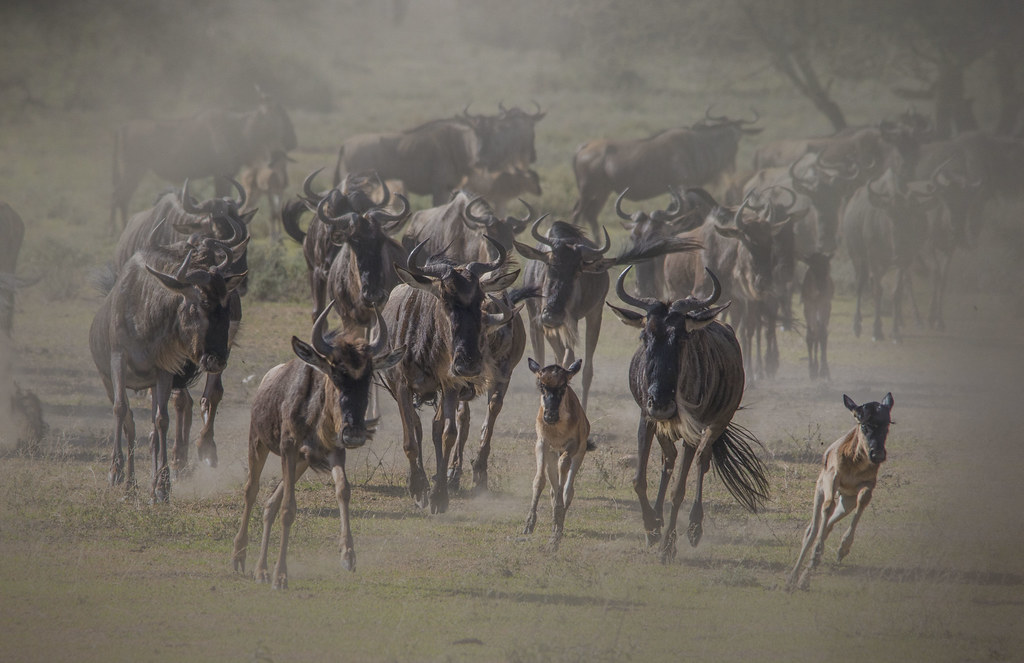
Northern Serengeti is particularly famous for its role in the Great Wildebeest Migration. During the appropriate season, large herds may move through the region and gather near the Mara River.
Arrive at your accommodation and enjoy the surrounding landscape if time and park regulations permit.
Highlights: Scenic Serengeti landscapes, wildlife along the route and access to the northern migration corridor.
Day 12: Northern Serengeti and the Mara River
Spend a full day exploring northern Serengeti, one of the most exciting areas for travellers interested in the Great Migration.
During periods when migrating herds are present, the Mara River region can provide opportunities to observe wildebeest and zebras approaching riverbanks. Crocodiles inhabit the river, and predators such as lions may follow the herds.
River crossings are unpredictable. Herds may gather for hours before crossing, change direction or move elsewhere, so sightings cannot be guaranteed.
Even outside peak migration periods, northern Serengeti offers beautiful landscapes and opportunities to see elephants, giraffes, antelopes, lions and other wildlife.
Follow authorized tracks and observe all park rules while viewing animals.
Highlights: Mara River scenery, potential migration sightings, crocodiles, predators and northern Serengeti landscapes.
Day 13: Another Full Day in Northern Serengeti
Enjoy another day exploring northern Serengeti, giving you additional time to follow wildlife movements and visit different parts of the region.
If migration herds are present, your day can focus on areas where animals are gathering, while always respecting designated viewing locations and park regulations. If the herds have moved elsewhere, explore the northern plains, woodlands and riverine habitats for resident wildlife.
This additional day is valuable because wildlife sightings are never guaranteed, and the vast size of the Serengeti means that exploring different areas can significantly enrich the experience.
Before departing the following day, check your vehicle, fuel level, spare tyre, drinking water and route arrangements for the journey towards Lake Natron.
Highlights: Flexible game drives, wildlife photography and a deeper exploration of the northern Serengeti.
Day 14: Northern Serengeti to Lake Natron
Leave northern Serengeti early and travel towards Lake Natron, one of northern Tanzania’s most distinctive landscapes.
Lake Natron lies in the Great Rift Valley beneath the dramatic volcanic slopes of Ol Doinyo Lengai. Its alkaline waters, changing colours and expansive shoreline create a striking contrast with the grasslands of the Serengeti.
This transfer requires careful planning. Road conditions, seasonal access, the precise departure point and the selected route can significantly affect travel time. Consult your rental company and local sources before setting out, and avoid attempting difficult tracks after dark.
Arrive at your accommodation near Lake Natron and relax after the drive.
Highlights: Rift Valley scenery, volcanic landscapes and a change from traditional wildlife-focused safari destinations.
Day 15: Discover Lake Natron
Spend the day exploring Lake Natron and its surroundings.
The lake is internationally important as a breeding area for lesser flamingos, although the number of birds present varies with seasonal conditions. The landscape also features mineral-rich shorelines, volcanic formations and views of Ol Doinyo Lengai.
Depending on local conditions, you can arrange a guided walk to a waterfall, visit a nearby community or enjoy a short nature walk with a local guide. These activities provide an opportunity to appreciate the area’s natural environment and cultural heritage.
Because the lake is highly alkaline, swimming is not recommended. Follow local advice, respect wildlife and avoid entering restricted or environmentally sensitive areas.
Spend another night near Lake Natron.
Highlights: Flamingo habitat, volcanic scenery, guided walks and local cultural experiences.
Day 16: Lake Natron to the Lake Manyara Region
After breakfast, leave Lake Natron and drive towards the Lake Manyara region, with an overnight stop around Mto wa Mbu or Karatu.
The route can include rough or slow sections, so check conditions before departure and allow enough time for the journey.
If you arrive early enough, relax at your accommodation or arrange a guided cultural visit in Mto wa Mbu. The area is known for its agricultural landscapes, local markets and diverse communities.
This day also provides a useful buffer between Lake Natron and your return to Arusha, helping avoid an unnecessarily rushed final transfer.
Highlights: Scenic Rift Valley drive, rural landscapes and optional cultural experiences.
Day 17: Return to Arusha
Drive back to Arusha after breakfast.
Depending on your schedule, you may have time to explore local markets, purchase souvenirs or enjoy a relaxed meal in town. Use the afternoon to organize your luggage, confirm your airport transfer and prepare for departure.
If your vehicle rental ends today, complete the return inspection and confirm that all equipment has been accounted for. If your agreement includes the airport transfer, arrange the handover details with the rental provider.
For an early departure flight, consider staying closer to Kilimanjaro International Airport instead of Arusha town.
Highlights: Relaxed return journey, souvenir shopping and preparation for departure.
Day 18: Transfer to Kilimanjaro International Airport
Enjoy breakfast before travelling to Kilimanjaro International Airport for your departure flight.
Allow sufficient time for the drive, vehicle return procedures and airport check-in. Your rental company should confirm the handover location and timing in advance.
Your 18-day northern Tanzania self-drive safari concludes after an adventure combining iconic wildlife destinations, scenic landscapes and the freedom to explore at your own pace.
Suggested Accommodation Plan for 17 Nights
The following table provides a general overnight framework. Accommodation should be selected according to availability, budget, driving distances and park access rules.
| Nights | Destination | Number of Nights |
|---|---|---|
| Days 1–2 | Arusha | 2 |
| Day 3 | Moshi | 1 |
| Day 4 | Outside Tarangire National Park | 1 |
| Days 5–7 | Karatu | 3 |
| Days 8–10 | Central Serengeti region | 3 |
| Days 11–13 | Northern Serengeti region | 3 |
| Days 14–15 | Lake Natron area | 2 |
| Day 16 | Mto wa Mbu or Karatu | 1 |
| Day 17 | Arusha or near Kilimanjaro Airport | 1 |
| Total | 18 days / 17 nights | 17 |
Accommodation note: Travellers who prefer all accommodation outside national parks should verify the feasibility of this preference carefully, especially in the central and northern Serengeti. External accommodation can involve long daily drives and may limit time available for wildlife viewing. Authorized accommodation inside the park can be considered if the travellers are willing to make an exception.
Best Time for an 18-Day Tanzania Self-Drive Safari
Tanzania is a year-round safari destination, but seasonal weather and wildlife movements influence the best itinerary for individual travellers.
June to October: Dry-Season Wildlife Viewing
The dry season is popular for northern Tanzania safaris because vegetation is often less dense and wildlife may concentrate around available water sources.
This period can be excellent for exploring Tarangire, Ngorongoro and the Serengeti. The timing and location of the Great Migration vary, so travellers hoping to see river crossings should check recent migration information before choosing their dates.
November to December: Short Rains and Green Landscapes
The short rains often bring fresh vegetation, greener scenery and changing wildlife patterns. Conditions vary from year to year, and some roads may become slower or more challenging.
Travellers can still enjoy excellent game viewing, birdlife and quieter landscapes, although the migration may be in different parts of the Serengeti depending on conditions.
January to March: Calving Season in the Southern Serengeti
During much of this period, migrating wildebeest often gather in the southern Serengeti and Ndutu region, where calving can occur.
Travellers whose main goal is to observe the calving season may wish to adjust this itinerary to spend more time in the southern Serengeti rather than the north.
April to May: Long Rains
The long rains bring lush landscapes and can offer rewarding photography and birdwatching opportunities. However, heavy rainfall can affect road conditions and access to remote areas.
For a self-drive trip involving northern Serengeti and Lake Natron, checking road conditions and confirming the route with a knowledgeable local operator is especially important.
Recommended Vehicle for a Tanzania Self-Drive Safari
Choosing the right vehicle is essential for a successful 18-day Tanzania road trip.
A reliable 4×4 with good ground clearance is recommended for the combination of paved highways, gravel roads, national park tracks and potentially rough routes around Lake Natron.
Suitable vehicle options may include a Toyota Land Cruiser or another properly equipped 4×4 approved by the rental company for the intended route.
Before booking, confirm that the rental package includes the following:
- Appropriate 4×4 capability and ground clearance.
- Comprehensive information about insurance coverage and excess.
- Spare tyres, jack and basic vehicle tools.
- Recovery equipment and emergency procedures where appropriate.
- Unlimited mileage, if offered and required.
- Permission to drive in the national parks included in the itinerary.
- Clear instructions on breakdown assistance and emergency communication.
- Written confirmation of any route restrictions, including Lake Natron access.
Travellers should not assume that every rental vehicle is permitted on every track. The rental provider should confirm the vehicle’s suitability for the exact itinerary.
Estimated Budget for an 18-Day Tanzania Self-Drive Safari
The total cost depends on the season, number of travellers, vehicle category, accommodation standard, park fees and fuel consumption.
The following table is a budgeting checklist rather than a quotation. Actual prices should be obtained for the intended travel dates.
| Expense | What to Budget For |
|---|---|
| 4×4 car rental | Daily rental rate multiplied by the rental period |
| Fuel | Fuel for the full route, including remote transfers and game drives |
| Accommodation | 17 nights of hotels, lodges or guesthouses |
| National park fees | Applicable visitor conservation fees and vehicle charges |
| Ngorongoro Crater | Applicable conservation fees and crater vehicle service fee |
| Lake Natron activities | Local guides, excursions and any applicable access charges |
| Food and drinks | Meals, drinking water, snacks and picnic supplies |
| Insurance | Rental insurance, excess liability and optional additional coverage |
| Contingency | Extra fuel, unexpected accommodation or delays caused by road conditions |
For an accurate budget, calculate the costs separately for the vehicle, accommodation, park entry, crater visit, fuel and activities. Confirm the latest official fees directly with the relevant authorities before travel.
Important Tips for Driving in Tanzania
A self-drive safari offers flexibility, but successful planning requires an understanding of local road conditions and park regulations.
Plan driving times conservatively. Distances on a map do not always reflect actual travel time, particularly on rough gravel roads and inside national parks.
Avoid driving after dark. Wildlife, limited lighting, road hazards and changing conditions can make night driving risky. Schedule remote transfers so that you can reach your accommodation before sunset.
Carry sufficient water and supplies. Some routes pass through remote areas where shops, fuel stations and services are limited.
Check the vehicle daily. Inspect tyres, lights, fluid levels and fuel before beginning long drives. Know how to contact your rental company if a problem occurs.
Follow park regulations. Use authorized tracks, observe speed limits, keep a safe distance from wildlife and follow all instructions issued by park authorities.
Confirm entry arrangements. Check opening hours, access rules, permitted routes and payment requirements before each national park visit.
Prepare for seasonal changes. Rainfall can affect roads, particularly around Lake Natron and other remote locations. Local advice is valuable before travelling.
Frequently Asked Questions
1. Is 18 days enough for a Tanzania self-drive safari?
Yes. Eighteen days allows travellers to visit several northern Tanzania highlights while spending multiple days in the Serengeti. The itinerary includes Arusha National Park, Tarangire, Lake Manyara, Ngorongoro Crater, central and northern Serengeti, Lake Natron and the Kilimanjaro foothills.
2. Can I visit Serengeti National Park without a guide?
Self-driving is possible in Serengeti with an appropriately equipped and authorized rental vehicle, subject to current park regulations. Drivers should be comfortable navigating remote roads, following park rules and managing long distances. Confirm the applicable requirements with the park authorities and rental provider before departure.
3. Can I stay outside Serengeti National Park?
Yes, accommodation outside the park may be available, but the practical options depend on the region and travel dates. Staying outside the park can add substantial driving time, particularly in northern Serengeti. Check distances, gate times and the feasibility of daily game drives before booking.
4. What is the best vehicle for this itinerary?
A reliable 4×4 with high ground clearance is recommended. A suitable Toyota Land Cruiser or comparable vehicle can be a good choice, but the exact vehicle should be selected according to the road conditions, passenger requirements and rental company’s route permissions.
5. Can I see the Great Wildebeest Migration on this safari?
It is possible, but sightings depend on travel dates and herd movements. The northern Serengeti is often associated with the Mara River migration period, while other parts of the ecosystem are important at different times of the year. River crossings are unpredictable and cannot be guaranteed.
6. Is Lake Natron suitable for a self-drive visit?
Lake Natron can be visited by self-drive travellers, but road conditions and seasonal access need careful attention. A suitable vehicle, adequate preparation and current local advice are important, particularly for remote sections.
7. Are national park fees included in the car rental price?
Not necessarily. Vehicle rental and park fees are often separate expenses. Confirm whether your rental quotation includes any park-related charges, and budget for visitor fees, vehicle charges and the Ngorongoro Crater service fee as applicable.
8. Can I combine this safari with a Mount Kilimanjaro climb?
Yes, but a summit climb requires additional days and a separate trekking arrangement. This 18-day itinerary includes a visit to the mountain’s foothills, not a summit attempt. The route would need to be adjusted to accommodate a multi-day climb.
9. Should I book accommodation before travelling?
Advance booking is recommended, particularly during busy safari periods. It is especially important if you want to stay outside the parks while visiting remote areas such as northern Serengeti and Lake Natron.
10. Can this itinerary be customized?
Yes. The route can be adjusted according to your travel dates, budget, wildlife priorities, accommodation preferences and vehicle requirements. For example, travellers visiting during the wildebeest calving season may prefer to spend more time in the southern Serengeti, while others may prioritize northern Serengeti and the Mara River.
Plan Your 18-Day Tanzania Self-Drive Safari
Discover Tanzania at your own pace on an unforgettable journey through iconic wildlife reserves, dramatic Rift Valley landscapes and the vast plains of the Serengeti.
Whether you want to watch elephants in Tarangire, explore the Ngorongoro Crater, spend several days searching for wildlife in Serengeti National Park or discover the remote beauty of Lake Natron, careful planning will help you make the most of your adventure.
Arrange a suitable Tanzania 4×4 car rental, confirm park access and road conditions, and select accommodation that fits your preferred travel style.
Ready to plan your Tanzania adventure? Contact our team to discuss vehicle availability, a customized 18-day itinerary and a self-drive safari quotation based on your travel dates and budget.