
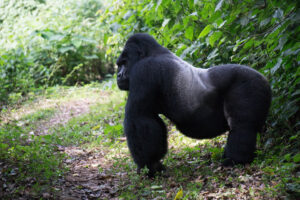
18-Day Uganda Gorilla Trekking and Tanzania Great Migration Safari
Explore two of East Africa’s greatest wildlife experiences on one unforgettable journey. This 18-day Uganda and Tanzania safari combines mountain gorilla trekking in the ancient forests of Bwindi Impenetrable National Park with the spectacular Great Wildebeest Migration across Tanzania’s Serengeti National Park.
The adventure begins in northern Tanzania, where you explore Tarangire National Park, descend into the Ngorongoro Crater and spend several days following the migrating wildebeest and zebras across the Serengeti plains. You then fly to Uganda for an extraordinary encounter with endangered mountain gorillas in their natural rainforest habitat.
Along the way, enjoy Big Five game drives, scenic landscapes, traditional communities, chimpanzee tracking and a boat safari along the Kazinga Channel in Queen Elizabeth National Park.
Whether you are travelling as a couple, family, group of friends or private safari enthusiast, this Uganda and Tanzania wildlife safari offers an exceptional combination of primate encounters and classic African wildlife viewing.
Safari Overview
- Duration: 18 days / 17 nights
- Countries: Tanzania and Uganda
- Safari type: Private guided wildlife and gorilla trekking safari
- Main destinations: Tarangire, Ngorongoro Crater, Serengeti, Bwindi, Queen Elizabeth and Kibale
- Main activities: Game drives, gorilla trekking, chimpanzee tracking, crater exploration and boat safari
- Accommodation: Lodges, tented camps and selected safari camps
- Starting point: Arusha or Kilimanjaro International Airport, Tanzania
- Ending point: Entebbe International Airport, Uganda
Main Highlights of the Uganda and Tanzania Safari
- Experience the Great Wildebeest Migration in Serengeti National Park.
- Search for lions, leopards, elephants, buffaloes, rhinos and other wildlife.
- Explore the wildlife-rich Ngorongoro Crater.
- Visit Tarangire National Park, famous for its large elephant herds and ancient baobab trees.
- Trek through Bwindi Impenetrable National Park to encounter endangered mountain gorillas.
- Enjoy a scenic boat cruise along the Kazinga Channel in Queen Elizabeth National Park.
- Track chimpanzees in Kibale Forest National Park.
- Discover the beautiful landscapes and cultures of Uganda and Tanzania.
Detailed 18-Day Uganda and Tanzania Safari Itinerary
Day 1: Arrival in Tanzania – Transfer to Arusha
Arrive at Kilimanjaro International Airport, where your safari guide will welcome you and transfer you to your accommodation in Arusha. Depending on your arrival time, you may enjoy a short city excursion or simply relax after your international flight.
Arusha is the main gateway to Tanzania’s northern safari circuit. Located beneath Mount Meru, the city provides a convenient starting point for exploring Tarangire, Ngorongoro and Serengeti.
In the evening, meet your safari guide for a briefing about the journey, including the wildlife destinations, migration movements and planned activities.
Accommodation: Lodge or hotel in Arusha.
Day 2: Arusha – Tarangire National Park – Karatu
After breakfast, drive to Tarangire National Park for your first wildlife experience. The park is known for its enormous baobab trees, beautiful landscapes and large elephant herds.
Enjoy a game drive through the savannah, river valleys and woodland areas in search of elephants, giraffes, zebras, wildebeest, buffaloes and various antelope species. Lions and leopards are also found in the park, although sightings are never guaranteed.
The Tarangire River is an important source of water, particularly during the dry season, attracting wildlife from surrounding areas.
In the afternoon, continue towards Karatu, a scenic highland town located near the Ngorongoro Conservation Area.
Accommodation: Lodge in Karatu.
Day 3: Ngorongoro Crater – Karatu
After an early breakfast, travel to the Ngorongoro Conservation Area and descend into the spectacular Ngorongoro Crater for a full-day game drive.
The crater is one of Africa’s most remarkable wildlife destinations. Its grasslands, swamps, forests and seasonal water sources support a large concentration of wildlife throughout the year.
Look out for elephants, lions, zebras, wildebeest, buffaloes, hippos and hyenas. The crater is also one of the best places in Tanzania to look for the endangered black rhino.
Enjoy a picnic lunch inside the conservation area before continuing your exploration.
Later in the afternoon, return to your lodge in Karatu.
Accommodation: Lodge in Karatu.
Day 4: Karatu – Serengeti National Park
After breakfast, depart for Serengeti National Park, travelling through the Ngorongoro Conservation Area and its dramatic highland scenery.
As you approach the Serengeti, the landscape opens into vast grasslands dotted with acacia trees and rocky kopjes. These plains support an extraordinary variety of wildlife, including lions, cheetahs, leopards, elephants, giraffes and large herds of grazing animals.
Enjoy a game drive as you proceed to your accommodation in the Serengeti.
Your camp location will depend on the seasonal position of the Great Migration. Central Serengeti is an excellent year-round wildlife destination, while the northern and southern regions are important at different stages of the migration.
Accommodation: Tented camp or safari lodge in Serengeti.
Day 5: Full-Day Serengeti Great Migration Safari
Spend the day exploring the Serengeti in search of the Great Migration.
The migration is an extraordinary annual movement involving vast herds of wildebeest, zebras and gazelles travelling across the Serengeti-Mara ecosystem in search of fresh grazing and water.
Your guide will plan the game drive according to the season and the latest available information about herd movements.
Depending on the time of year, you may explore the southern plains, central Serengeti, Western Corridor or northern Serengeti. Each region offers different wildlife experiences.
Besides the migrating herds, look out for predators such as lions, cheetahs, hyenas and leopards.
Accommodation: Tented camp or safari lodge in Serengeti.
Day 6: Serengeti – Migration Exploration and Wildlife Viewing
Enjoy another full day in the Serengeti, giving you more opportunities to experience the migration and search for the park’s famous wildlife.
If travelling during the calving season, you may see young wildebeest being born on the southern plains, while predators patrol the surrounding grasslands. During the northern migration season, your guide may take you towards the Mara River area in search of migrating herds and possible river crossings.
The migration is a natural event, and the exact timing and location of animal movements cannot be guaranteed. Spending several days in the park improves your opportunities to encounter the herds.
You may also choose an optional sunrise hot-air balloon safari, subject to availability and additional payment.
Accommodation: Tented camp or safari lodge in Serengeti.
Day 7: Serengeti – Ngorongoro Highlands – Karatu
After breakfast, enjoy a final morning game drive in the Serengeti before travelling towards the Ngorongoro Highlands.
Along the way, continue looking for wildlife as you leave the open plains and approach the scenic highlands.
Depending on your schedule, you may visit a Maasai community to learn about traditional lifestyles, pastoral culture and local customs. Community visits should be arranged respectfully through appropriate local providers.
Arrive in Karatu in the afternoon and relax at your lodge.
Accommodation: Lodge in Karatu.
Day 8: Karatu – Arusha – Flight to Entebbe, Uganda
After breakfast, transfer to Arusha or Kilimanjaro International Airport for your scheduled flight to Entebbe, Uganda. The exact airport and flight routing will depend on available services and your confirmed international connection.
On arrival at Entebbe International Airport, meet your Ugandan safari representative and transfer to your hotel.
Entebbe is situated on the shores of Lake Victoria and provides a convenient entry point for exploring Uganda’s national parks.
Spend the evening relaxing and preparing for the next stage of your safari.
Accommodation: Hotel in Entebbe.
Day 9: Entebbe – Bwindi Impenetrable National Park
After breakfast, begin your journey to Bwindi Impenetrable National Park in southwestern Uganda.
The drive takes you through changing landscapes, including rural villages, cultivated hills, green countryside and spectacular highland scenery. Depending on the route, road conditions and stops, the journey can take most of the day.
A domestic flight to an airstrip serving your assigned Bwindi trekking sector may be arranged as an alternative, followed by a road transfer to your lodge.
Bwindi is one of Africa’s most important conservation areas and protects a significant population of endangered mountain gorillas.
Arrive at your lodge and receive a briefing about the following day’s gorilla trekking experience.
Accommodation: Lodge near Bwindi Impenetrable National Park.
Day 10: Mountain Gorilla Trekking in Bwindi
Today is one of the most memorable highlights of your Uganda and Tanzania safari.
After an early breakfast, transfer to the park headquarters for registration and a briefing from Uganda Wildlife Authority rangers. You will be assigned to a habituated gorilla family and receive instructions on trekking rules and forest safety.
Accompanied by experienced rangers and trackers, enter the dense rainforest in search of mountain gorillas.
The trek can take several hours depending on the location and movement of the gorilla family. Once you find them, you will be allowed a regulated viewing period, normally one hour, to observe and photograph the gorillas while maintaining the required distance.
Watching a family of mountain gorillas feeding, resting, grooming and interacting in the forest is an extraordinary wildlife experience.
After the trek, return to your lodge to relax and celebrate this unforgettable encounter.
Accommodation: Lodge near Bwindi Impenetrable National Park.
Day 11: Bwindi Forest Experience and Community Visit
Enjoy a more relaxed day around Bwindi after your gorilla trekking adventure.
Depending on your interests and lodge location, you may take a guided forest walk, enjoy birdwatching or visit a local community to learn about traditional lifestyles and conservation initiatives.
A cultural experience may include meeting local guides, visiting community projects and learning about the relationship between forest conservation and surrounding communities.
You can also choose to spend the day relaxing at your lodge while enjoying the beautiful forest surroundings.
Accommodation: Lodge near Bwindi Impenetrable National Park.
Day 12: Bwindi – Queen Elizabeth National Park
After breakfast, depart Bwindi for Queen Elizabeth National Park.
The journey takes you through the scenic landscapes of southwestern Uganda, with views of rolling hills, farmland and the foothills of the Rwenzori Mountains in suitable weather.
Queen Elizabeth National Park is one of Uganda’s most diverse wildlife destinations, supporting elephants, buffaloes, hippos, antelopes, lions, leopards and numerous bird species.
Arrive at your lodge and, depending on your arrival time, enjoy an afternoon game drive or relax while taking in the surrounding scenery.
Accommodation: Safari lodge in Queen Elizabeth National Park.
Day 13: Queen Elizabeth – Game Drive and Kazinga Channel Boat Safari
Start the day with an early morning game drive in Queen Elizabeth National Park.
Explore the savannah plains and woodland areas in search of elephants, buffaloes, Uganda kob, warthogs, lions and other wildlife. The Kasenyi Plains are particularly well known for their open landscapes and wildlife viewing opportunities.
In the afternoon, enjoy a boat cruise along the Kazinga Channel, a natural waterway connecting Lake Edward and Lake George.
The channel attracts large numbers of hippos, crocodiles, elephants and buffaloes, while its banks provide excellent opportunities for birdwatching.
Return to your lodge after the cruise.
Accommodation: Safari lodge in Queen Elizabeth National Park.
Day 14: Queen Elizabeth – Kibale Forest National Park
After breakfast, travel towards Kibale Forest National Park, one of Uganda’s leading destinations for primate viewing.
The drive takes you through beautiful countryside, crater lakes, tea plantations and rural communities.
Kibale is famous for its population of chimpanzees and other primates, including red colobus monkeys, L’Hoest’s monkeys and black-and-white colobus monkeys.
On arrival, check in at your lodge and enjoy the peaceful forest surroundings.
Your guide will brief you about the next day’s chimpanzee tracking activity.
Accommodation: Lodge near Kibale Forest National Park.
Day 15: Chimpanzee Tracking in Kibale Forest
After breakfast, transfer to the park headquarters for a briefing before entering Kibale Forest in search of chimpanzees.
Accompanied by experienced guides and trackers, walk through the tropical rainforest while listening for chimpanzee calls and observing other forest wildlife.
Once the chimpanzees are located, enjoy the permitted viewing period as you watch them feed, groom, communicate and move through the forest canopy.
Chimpanzee tracking offers a different experience from gorilla trekking, allowing visitors to observe the behaviour of one of our closest living relatives in a natural forest environment.
Return to your lodge after the activity. The remainder of the day can be spent relaxing or exploring the surrounding area.
Accommodation: Lodge near Kibale Forest National Park.
Day 16: Kibale – Entebbe
After breakfast, begin the return journey to Entebbe.
The drive takes you through Uganda’s countryside, passing rural settlements, agricultural landscapes and scenic viewpoints.
Depending on your departure time and preferences, a domestic flight may be arranged as an alternative to the long road transfer.
Arrive in Entebbe and check in at your hotel.
Accommodation: Hotel in Entebbe.
Day 17: Entebbe – Lake Victoria and Optional Activities
Enjoy a relaxed day in Entebbe after your wildlife adventure.
Depending on your interests, you may visit the Entebbe Botanical Gardens, explore local craft markets or enjoy a boat excursion on Lake Victoria.
You may also choose to relax at your hotel before your international departure.
This additional night provides a useful buffer between the safari and your return flight, particularly after travelling from western Uganda.
Accommodation: Hotel in Entebbe.
Day 18: Departure from Uganda
After breakfast, transfer to Entebbe International Airport for your international departure.
This marks the end of your 18-day Uganda gorilla trekking and Tanzania Great Migration safari, combining some of East Africa’s most remarkable wildlife experiences.
Best Time for the Uganda and Tanzania Safari
This safari can be organised throughout the year, but the best travel period depends on which stage of the Great Migration you want to experience.
January to March: Serengeti Calving Season
The southern Serengeti and Ndutu plains are important during the calving season, when large numbers of wildebeest give birth. This period also offers opportunities to observe predators hunting around the herds.
It is an excellent choice for travellers interested in newborn wildlife, predator activity and dramatic open-plains scenery.
April to June: Western Corridor and Central Serengeti
As the herds move away from the southern plains, they generally travel through central Serengeti and towards the Western Corridor. The exact movement depends on rainfall and grazing conditions.
This period can offer rewarding wildlife viewing, although heavier rains may affect some roads and travel arrangements.
July to October: Northern Serengeti and Mara River Region
This is a popular period for travellers hoping to see migrating herds in northern Serengeti, including possible Mara River crossings.
River crossings are unpredictable natural events. The herds may remain in one area for days or move quickly, so sightings cannot be guaranteed.
November to December: Return Towards the Southern Plains
As seasonal rains begin, migrating herds generally move southwards through central Serengeti towards the southern plains.
This period can offer beautiful green landscapes, excellent photography and rewarding wildlife viewing.
Uganda gorilla trekking: Bwindi can be visited throughout the year. Dry periods are often preferred because forest trails may be less muddy, but rain is possible at any time in this tropical rainforest.
For the best combination of destinations, we recommend selecting your travel dates around the specific Serengeti migration location you hope to visit, then securing the gorilla trekking permit and accommodation in the appropriate Bwindi sector.
Where to See the Great Migration in Tanzania
The Great Migration is a continuous movement across the Serengeti-Mara ecosystem rather than a single event taking place in one location.
Your safari accommodation should be selected according to the expected position of the herds.
- Ndutu and Southern Serengeti: Particularly important during the January–March calving season.
- Central Serengeti: A valuable year-round wildlife destination and an important area during migration movements.
- Western Corridor: Often visited as herds move towards the Grumeti region.
- Northern Serengeti: A key destination during the northern migration season, especially when herds gather around the Mara River.
A flexible itinerary and experienced safari guide can help you explore the most suitable region during your travel dates.
Uganda Gorilla Trekking and Tanzania Migration Safari Accommodation
Accommodation can be selected according to your budget, preferred comfort level and travel style.
Tanzania Accommodation
Possible accommodation categories include:
- Luxury safari lodges and tented camps in Tarangire.
- Mid-range lodges around Karatu and Ngorongoro.
- Luxury and mid-range tented camps in central Serengeti.
- Seasonal camps in northern or southern Serengeti, depending on migration movements.
Uganda Accommodation
Possible accommodation categories include:
- Hotels and guesthouses in Entebbe.
- Luxury and mid-range gorilla lodges around Bwindi.
- Safari lodges in Queen Elizabeth National Park.
- Forest lodges and guesthouses near Kibale.
The final accommodation selection should match your gorilla trekking sector, planned migration location, budget and preferred level of comfort.
What Is Included in the Safari Package?
A private safari package can be arranged to include:
- Airport transfers in Tanzania and Uganda.
- Private 4×4 safari vehicle in Tanzania.
- Professional English-speaking safari guide.
- Accommodation for 17 nights.
- Meals as specified in the final itinerary.
- Park entry and conservation fees as quoted.
- Ngorongoro Crater service fees as quoted.
- Gorilla trekking permit in Uganda.
- Chimpanzee tracking permit in Kibale, if included in the confirmed package.
- Kazinga Channel boat cruise.
- Game drives in the national parks.
- Transfers between safari destinations.
- Domestic or regional flights specifically listed in the quotation.
- Bottled drinking water during scheduled safari drives.
What Is Not Included?
Unless specifically stated in your quotation, the following may be excluded:
- International flights to Tanzania and from Uganda.
- Regional flights not listed in the package.
- Visa fees for Tanzania and Uganda.
- Travel insurance.
- Optional hot-air balloon safari.
- Personal expenses, laundry and alcoholic beverages.
- Tips and gratuities.
- Optional cultural activities.
- Additional activities not included in the confirmed itinerary.
Important Travel and Booking Information
Gorilla Trekking Permits
Gorilla trekking permits are limited and should be secured before confirming the final accommodation and travel arrangements.
The permit price depends on the visitor category and applicable UWA tariff. For foreign non-residents, the published standard rate has been USD 800, with a USD 600 low-season rate introduced for April, May and November 2026. Rates and conditions should be reconfirmed directly against the applicable Uganda Wildlife Authority notice before booking future travel.
Foreign non-residents should arrange permits through a Uganda Tourism Board-licensed tour operator in accordance with UWA booking guidelines.
Flights Between Tanzania and Uganda
The itinerary includes a flight from Tanzania to Entebbe. Flight availability, departure airport, baggage allowance and connections depend on the travel dates.
International and regional flight schedules should be checked before confirming the itinerary.
Migration Viewing
The Great Migration is a natural wildlife movement influenced by rainfall, grazing and water availability. No safari company can guarantee a specific river crossing or the exact location of the herds on a particular date.
We recommend spending at least three nights in the Serengeti and selecting the camp according to the expected seasonal movement.
Travel Documents
Travellers should check passport validity, visa requirements, vaccination guidance and entry conditions for both countries before departure. Requirements depend on nationality and travel history.
Frequently Asked Questions
1. Can I combine Uganda gorilla trekking with Tanzania’s Great Migration?
Yes. Uganda and Tanzania can be combined in one safari. You can explore the Serengeti and Ngorongoro in Tanzania before flying to Uganda for mountain gorilla trekking in Bwindi Impenetrable National Park.
2. How many days do I need for Uganda and Tanzania?
An 18-day itinerary provides a good balance of wildlife viewing and primate experiences. It allows several days in the Serengeti, a visit to Ngorongoro and Tarangire, and time for gorilla trekking and chimpanzee tracking in Uganda.
3. When is the best time to see the Great Migration in Tanzania?
January to March is an important period for calving in the southern Serengeti, while July to October is popular for northern Serengeti migration viewing and possible Mara River crossings. The herds move throughout the year.
4. Can I see mountain gorillas in Tanzania?
No. Tanzania is not a mountain gorilla trekking destination. Mountain gorillas are found in Uganda, Rwanda and the Democratic Republic of Congo. This itinerary combines Tanzania’s wildlife safari with gorilla trekking in Uganda.
5. How difficult is gorilla trekking in Uganda?
Gorilla trekking can be physically demanding because trails pass through steep, dense and sometimes muddy rainforest. Trek duration varies depending on the location of the gorilla family. A reasonable level of fitness is recommended.
6. How long do visitors spend with mountain gorillas?
Standard gorilla trekking normally allows visitors to spend one hour observing the assigned habituated gorilla family after locating it, subject to park rules.
7. Can I see the Big Five during this safari?
Yes. Tanzania’s Serengeti and Ngorongoro provide opportunities to see lions, leopards, elephants, buffaloes and rhinos. Wildlife sightings depend on natural conditions and animal movements.
8. Is chimpanzee tracking included in this itinerary?
Yes. The itinerary includes chimpanzee tracking in Kibale Forest National Park, one of Uganda’s leading chimpanzee destinations.
9. Can I customise the itinerary?
Yes. The itinerary can be adjusted according to your travel dates, budget, accommodation preferences and preferred migration location. You can also add destinations such as Lake Manyara, Lake Victoria or additional time in the Serengeti.
10. Is this safari suitable for families?
Yes, but gorilla and chimpanzee tracking have age restrictions and physical requirements. Gorilla trekking in Uganda generally requires participants to be at least 15 years old. Families should confirm the current rules and suitable activities before booking.
11. Can I travel from Tanzania to Uganda by road?
It is possible to organise regional overland travel, but it involves long distances and border arrangements. For this 18-day itinerary, flying between Tanzania and Entebbe is generally more practical and saves valuable safari time.
12. What type of vehicle is used for the safari?
In Tanzania, a private 4×4 safari vehicle with a pop-up roof is recommended for game viewing. In Uganda, a suitable 4×4 safari vehicle is used for transfers and travel between national parks.
Book Your Uganda Gorilla Trekking and Tanzania Great Migration Safari
Experience the best of East African wildlife on one extraordinary journey. From watching thousands of wildebeest move across the Serengeti plains to standing in the presence of endangered mountain gorillas in Bwindi Forest, this safari brings together two of Africa’s most remarkable natural experiences.
At Self drive in Tanzania, we can organise your private Uganda and Tanzania safari, including gorilla trekking permits, Serengeti migration accommodation, park activities, regional flights and ground transportation.
Whether you prefer luxury lodges, mid-range tented camps or a more adventurous safari experience, our team can tailor the itinerary to your travel dates and budget.
Contact Self drive in Tanzania today to plan your 18-day Uganda gorilla trekking and Tanzania Great Migration safari.